Updated October 2026 by Wolf River Electric, a Minnesota solar company based in Isanti.
Want the numbers for your Minnesota home? A local advisor checks your roof and bill and quotes every option.
Grid-Tied Solar
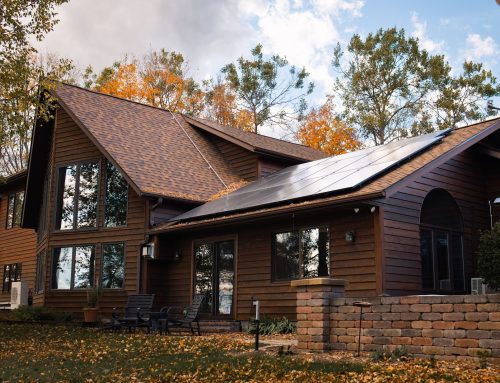
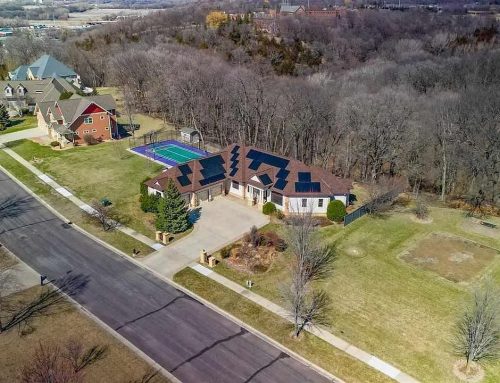
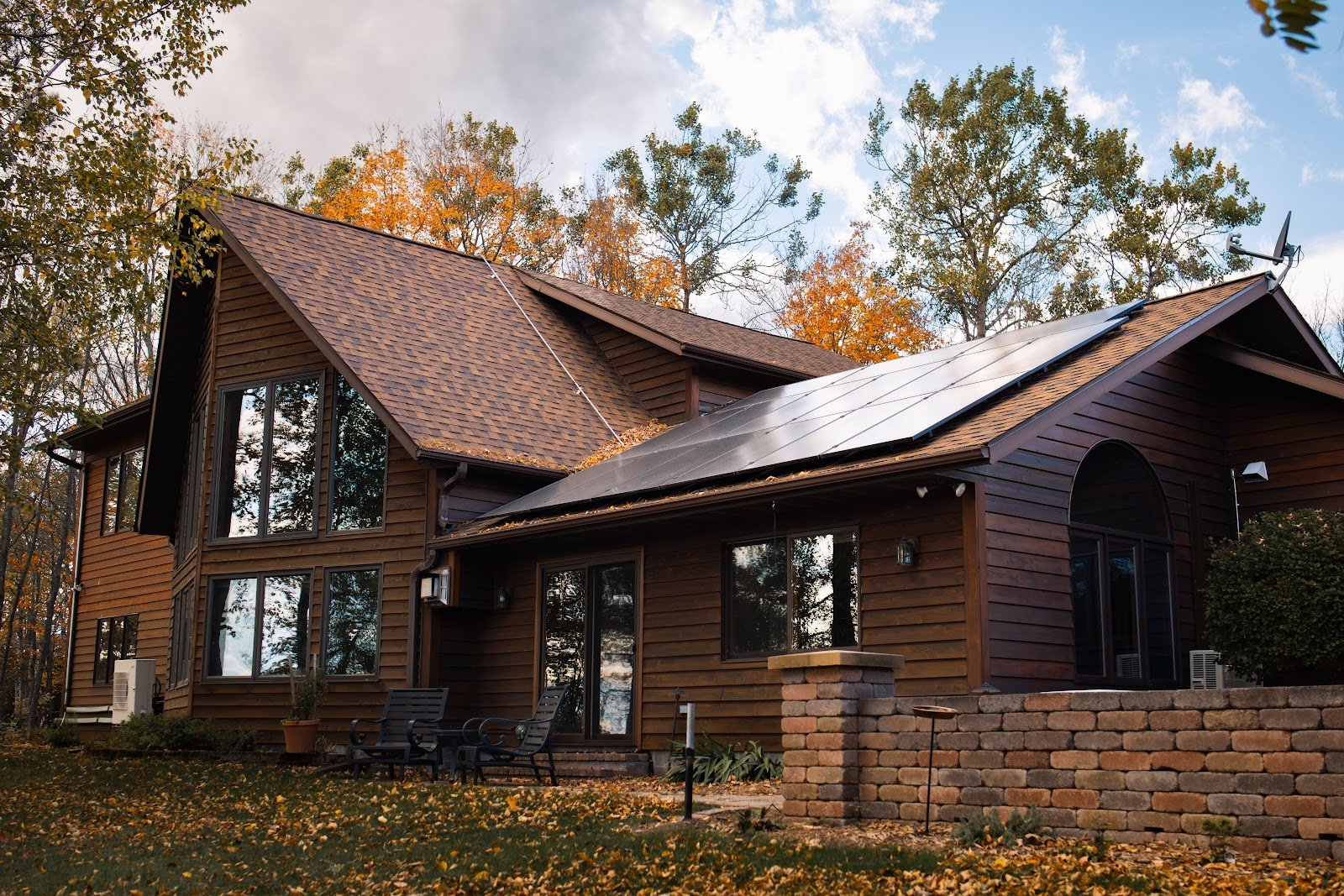
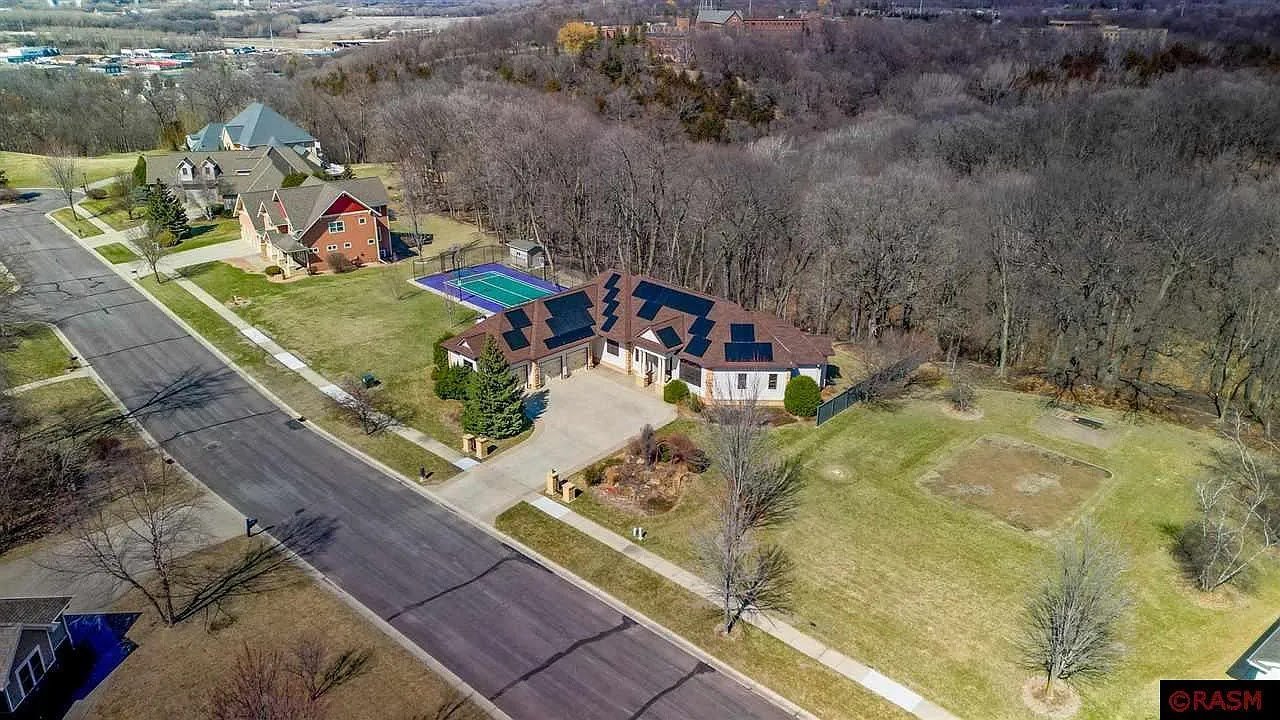
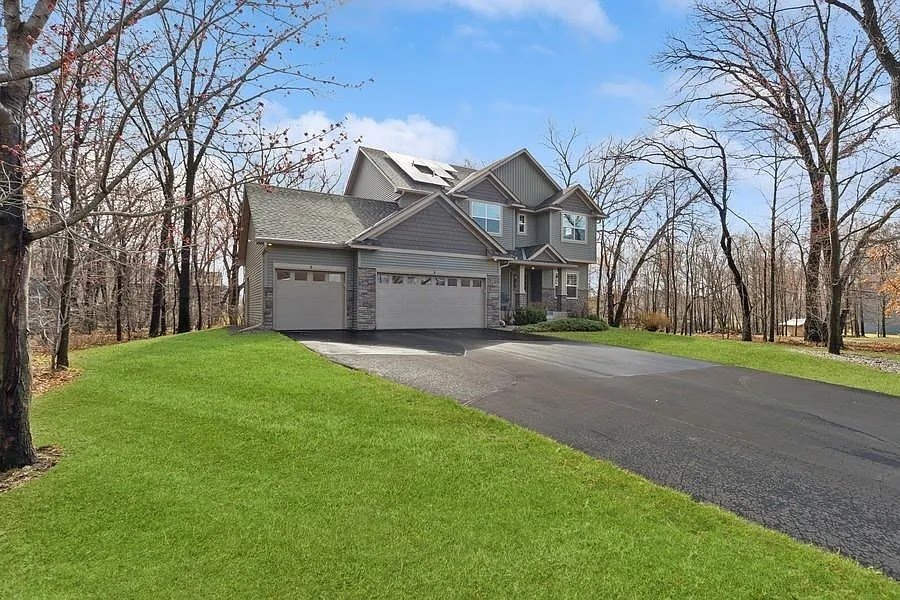
A grid-tied system connects to your home’s electrical panel and to the utility grid. Your home uses solar power first. Extra power goes to the grid and earns a bill credit, and at night or on cloudy days you draw from the grid as usual. It is the simplest and lowest-cost system for most homes.
Comparing installers in Minnesota? Our guide to choosing the best solar company in Minnesota lists the two licenses to check, real output from our Minnesota systems and the questions to ask.
Minnesota rules make this option strong. Utilities must offer net metering for systems under 40 kW, with credits at the average retail energy rate (Minn. Stat. 216B.164). Xcel Energy customers can also enroll in Solar*Rewards, which pays $0.05 per kWh produced for 10 years on 2026 residential enrollments. Systems are capped at 120% of yearly use, and funding is limited. Solar equipment is exempt from Minnesota sales tax, and the value solar adds is exempt from property tax. See every program in our Minnesota solar incentives guide.
What it costs: across Minnesota home contracts we signed from June to October 2026 (roof systems without a battery, ground mount, trenching or panel upgrade), the middle half ran $2.70 to $3.15 per watt, with a median of about $2.93. Most systems were 8 to 12 kW, and the median price was about $27,600. A 10 kW system runs about $27,000 to $31,500. For comparison, EnergySage’s October 2026 Minnesota average is $3.24 per watt. See solar panel cost in Minnesota and is solar worth it in Minnesota for payback. For Wisconsin and Iowa, see is solar worth it in the Midwest.
The trade-off: when the grid goes down, a grid-tied system without a battery shuts off for safety.
Solar Plus Battery Backup
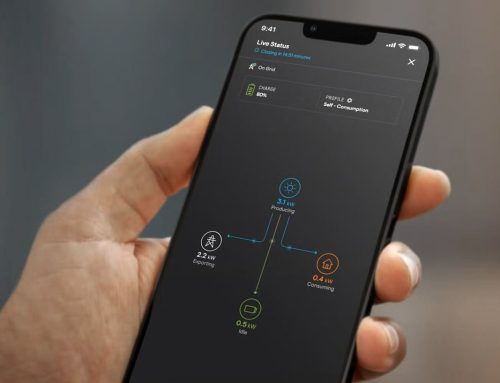
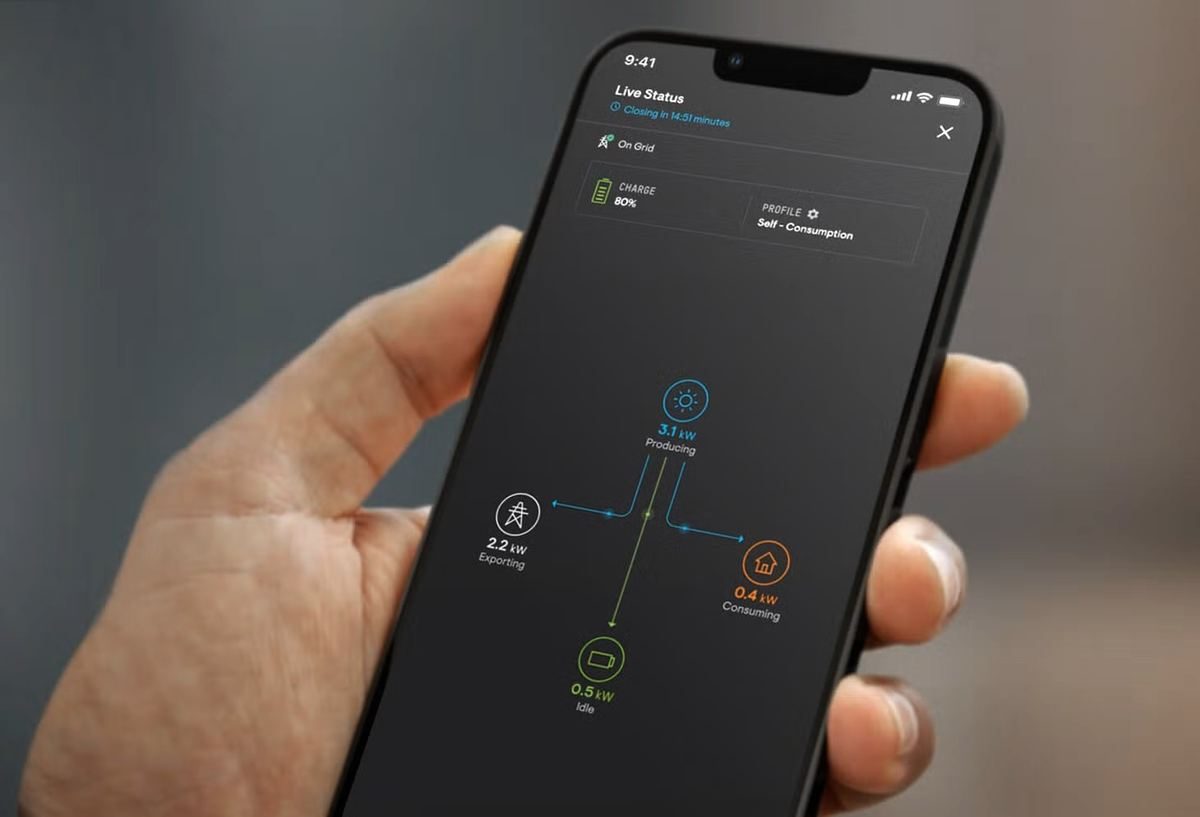
A battery stores solar power during the day and runs the circuits you choose, such as the furnace, well pump, sump pump, fridge and lights, when the grid is down. In Minnesota, net metering already credits extra power at the average retail energy rate, so a battery is mainly about backup, not bigger bill savings.
Minnesota battery rebates (Minnesota Department of Commerce, October 2026):
- Xcel Energy customers: $175 per kWh of battery capacity ($370 per kWh if income-qualified), up to $5,000.
- Customers of other utilities, through the state program: $250 per kWh, up to $7,000.
- Rules for both: the battery must be paired with solar and be 50 kWh or less.
Battery cost depends on the brand, the capacity and how many circuits you want backed up, so we quote every system with and without one. See home battery backup. For whole-home power through long winter outages, a standby generator is another choice; see Minnesota winter backup power and what a whole house generator costs installed.
Off-Grid and Cabin Systems
Off-grid systems run with no utility connection. They make sense for lake cabins, hunting land and remote shops where a power line is far away or costly to bring in. They are designed differently from grid-tied systems (step by step in how to design an off-grid solar system for a cabin):
- Size for winter. Short December days produce the least solar power. A cabin used in winter needs more panels and battery than one used only in summer.
- Plan generator backup. Long cloudy stretches and snow cover happen. A generator recharges the batteries when solar cannot keep up. We install Generac standby generators.
- Know your loads. List what you will run and for how long. Propane for heat, cooking and hot water keeps the electrical load small. Well pumps, electric heaters and air conditioners push the system size up.
- Tilt panels steeply. A steep tilt sheds snow and catches more of the low winter sun.
Net metering and Solar*Rewards do not apply to a system that is not connected to the grid. Because every cabin is different, we price off-grid systems after we know your loads, your season of use and your site.
Ground Mounts for Rural Homes
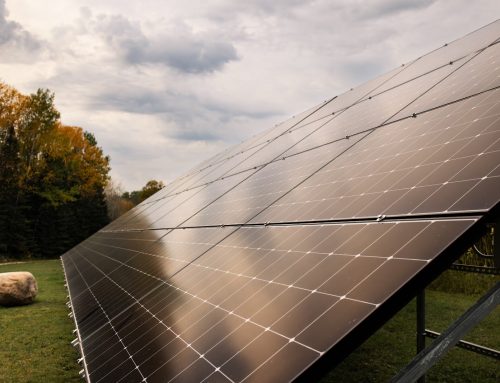
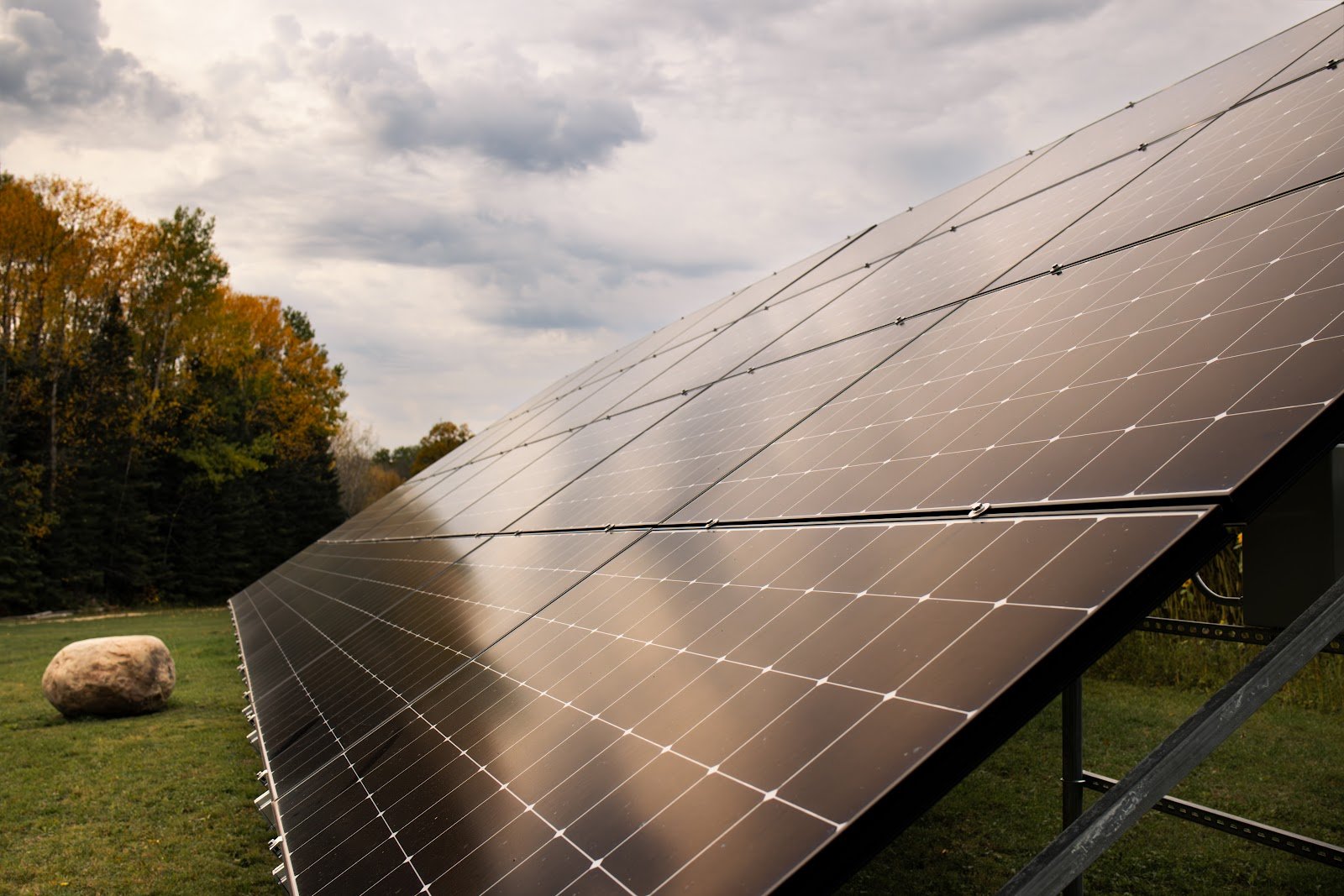
A ground mount puts the panels on a steel rack in the yard or field instead of on the roof. It is a good fit for acreages and farms with open, unshaded land, for homes with a shaded, small or aging roof, and for owners who want room to add panels later.
The benefits: the panels can be aimed and tilted for the most production, snow is easy to clear, and there are no holes in your roof. The trade-offs: ground mounts cost more than roof systems because of the racking, foundations and trenching to the house, and they take up yard space. Our contract prices above do not include ground mounts or trenching, so we quote them after a site visit. For farm-scale projects, see agrivoltaics.
How to Pay for Solar in 2026
The 30% federal tax credit for homeowners who buy their system ended for systems installed after December 31, 2025. That changed how the payment options compare. Any quote that still subtracts 30% from a system you would own is out of date.
Cash
Paying cash means no interest and no monthly payment. You own the system and keep the savings from day one.
Solar Loan
A loan turns the cost into monthly payments. You own the system, but interest adds to the total cost, so compare the payment with your expected monthly bill savings. See our financing options.
Prepaid Lease
With a prepaid lease, you pay once up front and the leasing company owns the system. Because the leasing company can still claim the commercial credit (Section 48E), it can pass savings to you. Wolf River Electric customers on a prepaid lease typically see about 30% off the list price.
To compare the three, look at yearly bill savings, return on net cost (yearly savings divided by what you pay, as a percent) and the cost per kWh over the system’s life. We show these on your quote.
Panels, Inverters and Batteries We Install
- Panels: Q CELLS, REC, Silfab, Canadian Solar and Waaree.
- Inverters: Enphase microinverters on homes, so each panel works on its own.
- Batteries: FranklinWH, Enphase, LG, EG4 and Tesla Powerwall.
- Smart panels: SPAN, which shows and controls power use circuit by circuit.
- Generators: Generac standby generators.
- EV chargers: ChargePoint and other brands.
Options Compared
| Option | Best for | Typical cost range or note | Main trade-off |
|---|---|---|---|
| Grid-tied roof solar | Most homes with a sound, sunny roof | About $27,000 to $31,500 for 10 kW (our 2026 Minnesota contracts) | No power during an outage |
| Solar plus battery | Homes that want backup during outages | Solar price plus the battery; rebates up to $5,000 (Xcel) or $7,000 (other utilities) | Adds cost; mainly backup, not bigger savings |
| Off-grid cabin system | Cabins and sites far from power lines | Priced after a load and site review; size for winter | Needs batteries and a generator; you manage your own power |
| Ground mount | Rural homes and farms with open land | Costs more than a roof system; quoted after a site visit | Uses yard space and needs trenching to the house |
How to Pick a Solar Installer
- Licensing: ask for proof. Wolf River Electric is licensed in every state we serve.
- Certification: look for NABCEP, the North American Board of Certified Energy Practitioners. Wolf River Electric is a NABCEP-certified company.
- Warranty: ask who backs the work and for how long. Residential installs come with our 25-year workmanship warranty, which covers our installation work, including roof leaks. Manufacturer warranties cover the equipment itself, and programs such as REC ProTrust also cover labor for warranty repairs.
- A quote built from your bills: a good quote uses 12 months of your bills, shows expected production and reflects 2026 incentives.
- Reviews: read recent ones. Wolf River Electric has more than 1,000 five-star reviews on Google and BBB.
- Service after the install: ask who you call if something stops working. We offer solar repair and maintenance.
FAQ
What is the best solar option for most Minnesota homes?
Grid-tied roof solar. Net metering covers systems under 40 kW and credits extra power at the average retail energy rate, so you get value from every kWh without a battery.
Is a home battery worth it in Minnesota?
Mainly for outage backup. Xcel pays $175 per kWh up to $5,000, and other utilities through the state program pay $250 per kWh up to $7,000, for batteries paired with solar and 50 kWh or less.
How much does home solar cost in Minnesota?
EnergySage’s October 2026 average is $3.24 per watt. Our 2026 Minnesota contracts had a median of about $2.93 per watt, and a 10 kW roof system runs about $27,000 to $31,500.
Should I buy or lease solar in 2026?
The homeowner credit ended for systems installed after December 31, 2025, so buyers no longer subtract 30%. A prepaid lease lets the leasing company claim the commercial credit and pass savings to you. Compare both on yearly savings and return on net cost.
Can I put solar on an off-grid cabin?
Yes. Size it for winter if you use the cabin then, and plan on a generator for long cloudy stretches.
Does solar raise property taxes in Minnesota?
No. The value solar adds is exempt from Minnesota property tax, and solar equipment is exempt from sales tax.
See Which Option Fits Your Home
Send us 12 months of electric bills and we will quote a system with and without a battery, for cash, a loan or a prepaid lease. For programs in other states, see our 2026 Midwest solar incentives guide. Call (763) 229-6662, Monday to Friday, 8 am to 8 pm, or get a free quote.
Sources: Wolf River Electric contract data (June to October 2026); EnergySage (October 2026); Minnesota Statutes 216B.164; Xcel Energy Solar*Rewards; Minnesota Department of Commerce (October 2026); Minnesota Department of Revenue; IRS Residential Clean Energy Credit FAQ.
Going solar in your Minnesota city
Each city page covers the local utility’s credit rules, permits and 2026 costs: Minneapolis, Saint Paul, Rochester, Duluth, Bloomington, St. Cloud, Burnsville, Blaine, Plymouth, Mankato. Or see all Minnesota service areas.
More from Wolf River Electric: solar panel removal and reinstall when you need a new roof.
Free quote
See what solar and backup power can save you
Get a custom design and savings estimate from Wolf River Electric. No cost, no obligation.