Updated October 2026 by Wolf River Electric, a Minnesota installer of home batteries and Generac standby generators.
Wolf River Electric is a local solar company in Minnesota. Learn about our home battery backup or get a free quote.
What has to stay on in a winter outage
Every home is different, so we start with a load calculation. These are typical running loads. Pumps and motors draw a short surge, often two to three times their running load, when they start.
| Load | Typical running power | Why it matters in winter |
|---|---|---|
| Gas furnace blower and controls | About 400 to 800 W | No blower means no heat, even with gas |
| Well pump (1/2 to 1 hp) | About 1,000 to 2,000 W | Water for the house and livestock |
| Sump pump | About 800 to 1,000 W | Snowmelt and thaws can flood a basement |
| Refrigerator and freezer | About 100 to 300 W each while running | Food safety in a long outage |
| Internet, phones and lights | About 100 to 200 W | Staying in touch and seeing at night |
| Electric heat or heat pump | Several thousand watts or more | Usually needs a generator or several batteries |
Option 1: a home battery
A battery switches on almost instantly and runs silently. As a rough example, if your essentials average about 750 W through a cold night, a 15 kWh battery lasts about 20 hours before solar recharges it. Add batteries to go longer or to cover bigger loads.
Winter changes the math. Solar makes much less power in December and January, and snow can cover the panels for days, so a battery may not fully recharge during a long outage. Cold matters too: batteries slow their charging when they get cold. Enphase IQ Battery 10C is rated from -4°F and charges best indoors in a garage or similar space. FranklinWH aPower S has a built-in heating blanket and is rated to -4°F. Tesla Powerwall uses a heat mode to keep charging in the cold. We pick the location and model for your home.
Option 2: a standby generator
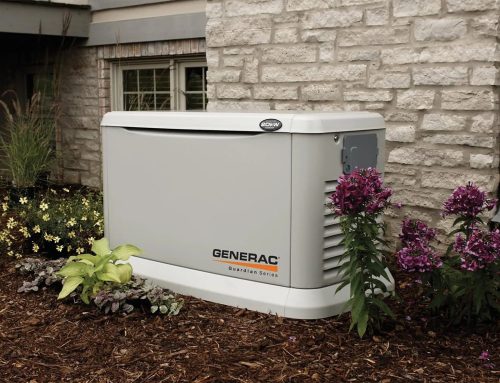
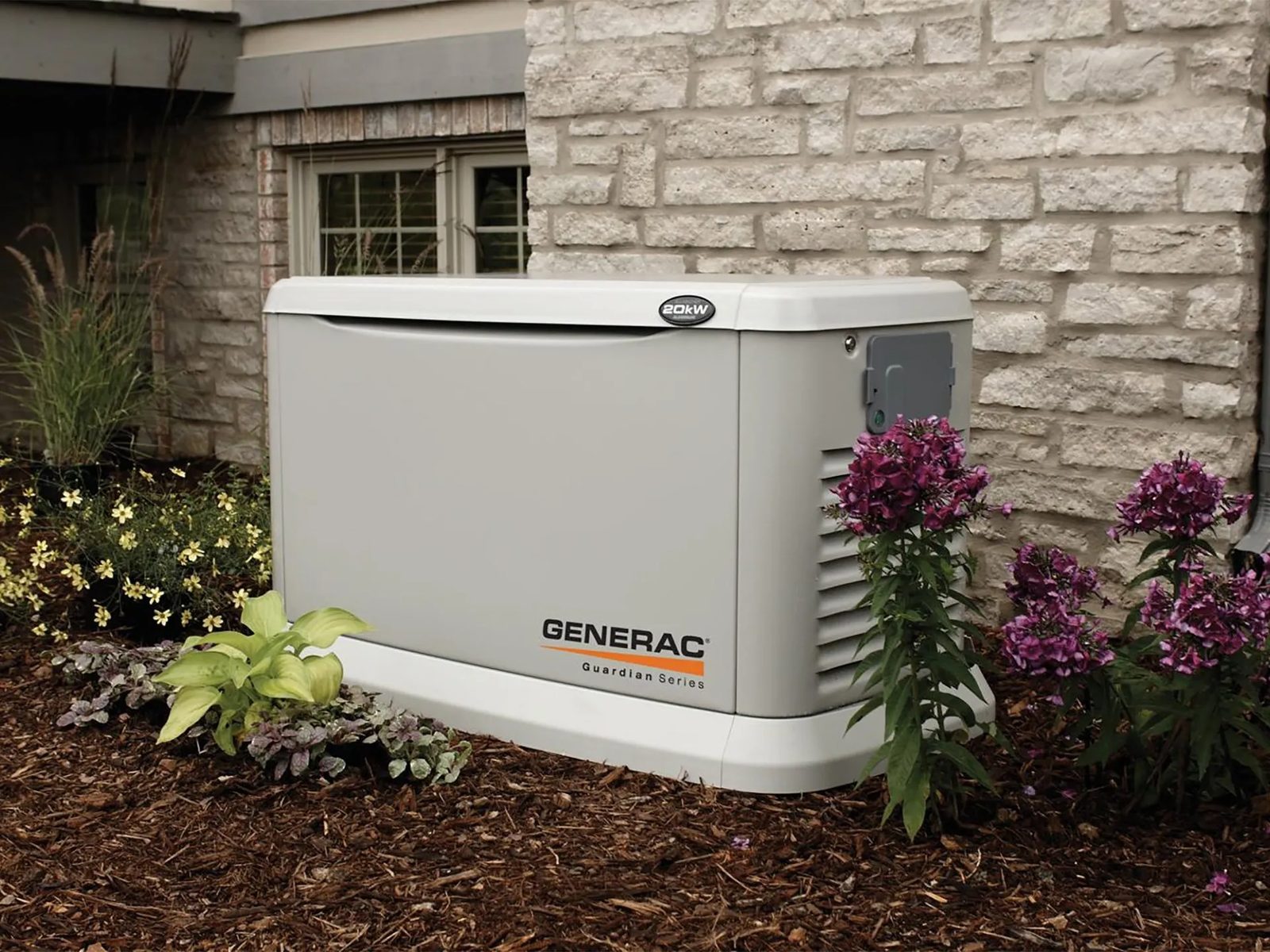
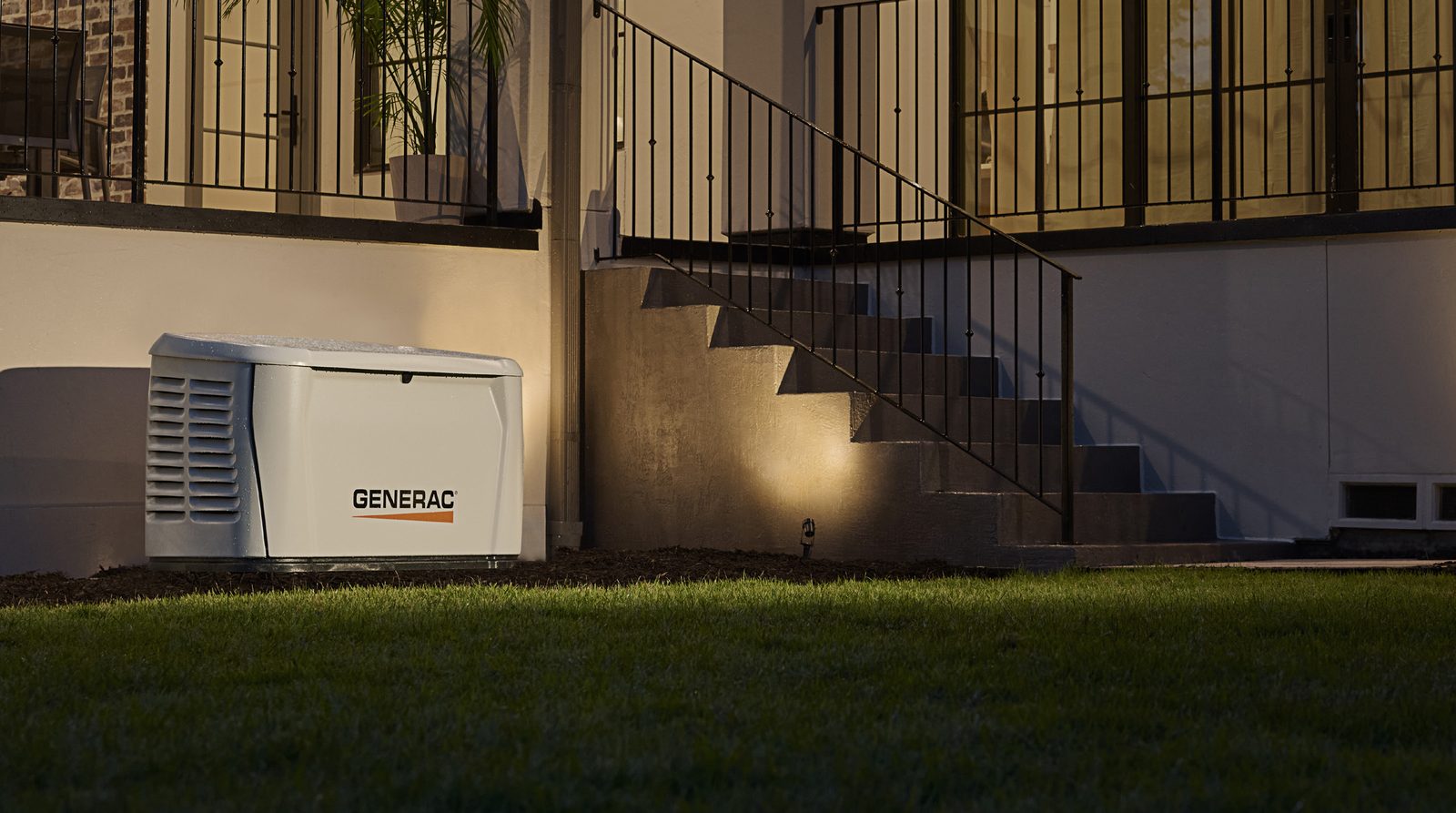
A Generac home standby generator runs on natural gas or propane and starts on its own within seconds of an outage. Air-cooled models range from 10 kW, for a furnace, fridge, sump pump and lights, to 28 kW for most of a home. It keeps running as long as it has fuel, which is why it suits multi-day ice storms and blizzards. If you use propane, size the tank for a long outage and keep it filled. Plan a yearly service so it starts when you need it.
Option 3: battery plus generator
A battery handles everyday solar storage and short outages silently, and a generator takes over in a long storm. A SPAN smart panel can manage which circuits run, so your backup lasts longer. See SPAN smart panels.
How to choose
- Outages of a few hours, solar on the roof, gas heat: a home battery is often enough.
- Multi-day outages, a well pump, or rural power lines: a standby generator, or a battery plus a generator.
- All-electric heat: a generator sized for the heat, or a large battery system with load management.
Incentives
Minnesota pays a battery incentive for batteries paired with solar: $175 per kWh up to $5,000 for Xcel Energy customers ($370 per kWh if income-qualified), or $250 per kWh up to $7,000 through the Department of Commerce for other utilities, while funds last. See Minnesota solar incentives. Standby generators do not have a state incentive.
Winter backup questions
Will a battery keep my furnace running in a Minnesota winter?
Yes, for a gas furnace’s blower and controls. How long depends on battery size and what else is on. For multi-day outages, add capacity or a generator.
What size generator do I need to run my furnace and well pump?
Often 14 kW or more once you include a well pump’s starting surge, but we confirm it with a load calculation.
Do batteries work in sub-zero temperatures?
The models we install are rated to operate down to -4°F, and we install them in a garage or protected spot. Some heat themselves to keep charging.
Can I add a battery or generator to my existing solar?
Usually, yes. We check your inverter and electrical panel first.
Plan your winter backup
We install home batteries and Generac standby generators across Minnesota, and we start with a load calculation so your heat, water and food stay safe. Compare the options in battery vs generator, or get my free quote.
Sources: manufacturer specifications (Enphase IQ Battery 10C, FranklinWH aPower S, Generac air-cooled home standby); Minnesota Department of Commerce battery incentive (October 2026).
Free quote
See what solar and backup power can save you
Get a custom design and savings estimate from Wolf River Electric. No cost, no obligation.