Updated October 2026 by Wolf River Electric, a Minnesota solar company headquartered in Isanti.
Ready for the next step? Learn about solar incentives by state from Wolf River Electric, or get a free quote.
What Solar Costs in Minnesota in 2026
We looked at 40 home solar contracts Wolf River Electric signed in Minnesota from June through October 2026. All were roof-mounted systems without a battery, ground mount, trenching or panel upgrade. The middle half paid $2.70 to $3.15 per watt, with a median of about $2.93. Most systems were 8 to 12 kW, and the median price was about $27,600.
For comparison, EnergySage’s October 2026 Minnesota average is $3.24 per watt, or about $40,700 for its typical 12.6 kW system.
Cost by System Size
| System size | Good fit for | Typical price before incentives |
|---|---|---|
| 6 kW | Smaller homes, low usage | $16,200 to $18,900 |
| 8 kW | Average usage, gas heat | $21,600 to $25,200 |
| 10 kW | Larger homes or an EV | $27,000 to $31,500 |
| 12 kW | High usage | $32,400 to $37,800 |
Ranges use $2.70 to $3.15 per watt. Batteries, ground mounts and panel upgrades add to the price. More detail is in our Minnesota solar panel cost guide.
Incentives That Still Apply
Solar*Rewards: $0.05 per kWh for 10 Years
Xcel Energy’s Solar*Rewards pays $0.05 for every kWh your system produces, for 10 years, on 2026 residential enrollments. System size is capped at 120% of your yearly use, and funding is limited. A 10 kW system making 12,000 kWh a year would earn about $600 a year, or about $6,000 over 10 years. To qualify at that size, the home needs to use at least 10,000 kWh a year.
Battery Incentives by Utility
Minnesota Commerce lists two battery incentives as of October 2026. The battery must be paired with solar and be 50 kWh or less.
- Xcel Energy customers: $175 per kWh of battery capacity, or $370 per kWh if income-qualified, up to $5,000.
- Customers of other utilities, through the state program: $250 per kWh, up to $7,000.
For a 15 kWh battery, that is about $2,625 from Xcel ($5,000 if income-qualified) or about $3,750 through the state program. See home battery storage.
Net Metering Under 40 kW
Minnesota utilities must offer net metering for systems under 40 kW. Extra power you send to the grid is credited at the average retail energy rate.
Sales and Property Tax Exemptions
Solar equipment is exempt from Minnesota sales tax, and the value solar adds to your home is exempt from property tax.
The Federal Tax Credit
The 30% credit for homeowners who buy ended for systems installed after December 31, 2025. With a lease or prepaid lease, the leasing company can claim the 30% commercial credit and pass the savings to you. Our customers on a prepaid lease typically see about 30% off the list price. See our solar tax credit guide and Minnesota solar incentives.
Xcel, Minnesota Power and Co-op Customers
Xcel Energy: eligible for Solar*Rewards and the Xcel battery incentive, plus net metering under 40 kW.
Minnesota Power: runs its own SolarSense rebate, based on a system’s estimated yearly output at $0.27 per kWh, with combined incentives capped at $5,000 or 60% of installed cost, whichever is less. The 2026 application window ran March 1 to 5 on a small yearly budget, and any leftover funds go first come, first served. Battery incentives come through the state program.
Co-ops and city utilities: net metering under 40 kW applies here too, but state law lets a co-op or city utility add a reasonable monthly fee to recover fixed costs. Battery incentives come through the state program. Ask for your utility’s current fee, or let us check it.
Payback Example: A 10 kW System
Here is the math for a 10 kW system at our median Minnesota price. These are the assumptions:
- Price: about $29,300, which is 10 kW at our median of $2.93 per watt.
- Production: 1,200 kWh per kW per year, the estimate Minnesota Power gives for Minnesota, or about 12,000 kWh. Your design will show your roof’s real number.
- Electric rate: 16.2 cents per kWh, the EIA average for Minnesota homes over the 12 months through July 2026.
- Usage: the home uses about 12,000 kWh a year, so the system covers its own use.
That works out to about $1,940 a year in bill savings.
| How you pay | Net cost | Yearly savings | Return on net cost | Simple payback | Cost per kWh over 25 years |
|---|---|---|---|---|---|
| Cash | $29,300 | $1,940 | 6.6% | About 15 years | 9.8 cents |
| Cash plus Solar*Rewards (Xcel) | $29,300 | $2,540 in years 1 to 10, then $1,940 | 8.7% in years 1 to 10 | About 12 years | 7.8 cents |
| Prepaid lease, about 30% off | About $20,500 | $1,940 | 9.5% | About 10.5 years | 6.8 cents |
Return on net cost is yearly savings divided by what you pay. Cost per kWh spreads your net cost, less any Solar*Rewards payments, over 25 years of production, before any allowance for panels slowly losing output. Compare it with the 16.2 cents you pay now. The prepaid lease row leaves out Solar*Rewards.
What moves the result: fixed monthly charges and any co-op fee stay on your bill, so real savings can run a little lower. Higher electric rates raise savings, since the table holds today’s rate flat. EnergySage’s October 2026 average payback for Minnesota is about 14.5 years, based on its higher $3.24 per watt average.
Downsides to Weigh
- No federal credit when you buy. That adds years to payback compared with 2025.
- Incentives are limited. Solar*Rewards is for Xcel customers only and funding is limited. SolarSense has a short window and a small budget.
- Size limits. Net metering at the retail energy rate covers systems under 40 kW, and Solar*Rewards caps size at 120% of your use.
- Co-op fees. A monthly fee can trim savings for co-op and city utility members.
- Short winter days. December and January production is low, and snow can cover panels for a few days.
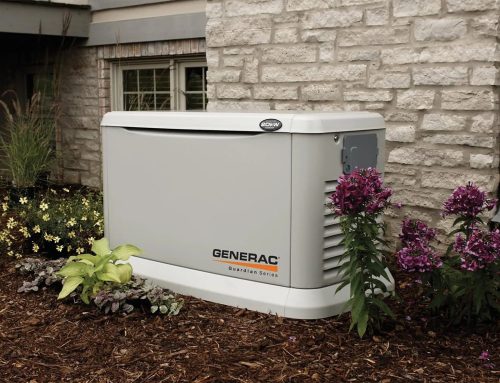
- No power in an outage without a battery. Grid-tied systems shut off when the grid goes down. See winter backup power.
- Roof and shade. Replace an aging roof first, since removing and reinstalling panels adds cost. Heavy shade can rule solar out.
- Moving soon. With payback of 10 years or more, a short stay may not earn back the cost.
Minnesota vs Wisconsin vs Iowa
| Measure | Minnesota | Wisconsin | Iowa |
|---|---|---|---|
| EnergySage average price, October 2026 | $3.24 per watt | $3.04 per watt | $3.26 per watt |
| EnergySage average payback | About 14.5 years | About 13 years | About 19.7 years |
| EIA average home electric rate, 2024 | 15.5 cents per kWh | 17.2 cents per kWh | 13.4 cents per kWh |
| How extra power is credited | Net metering under 40 kW at the average retail energy rate | Varies by utility | Net billing or inflow-outflow (MidAmerican, Alliant) |
| Main incentives | Solar*Rewards (Xcel), battery incentives | Focus on Energy, up to $2,400 | Sales and property tax exemptions |
Our own 2026 contracts came in at a median of about $2.93 per watt in Minnesota and about $3.09 in Wisconsin. Read are solar panels worth it in Wisconsin and are solar panels worth it in Iowa.
Minnesota Solar FAQ
What does solar cost in Minnesota?
Most systems we installed in 2026 came in at $2.70 to $3.15 per watt, or about $27,000 to $31,500 for 10 kW. EnergySage’s October 2026 state average is $3.24 per watt, about $40,700 for 12.6 kW.
What is the payback on solar in Minnesota?
EnergySage’s average is about 14.5 years. Our 10 kW example runs about 15 years for cash, about 12 years with Solar*Rewards and about 10.5 years with a prepaid lease.
What does Solar*Rewards pay?
$0.05 per kWh produced, for 10 years, on 2026 Xcel residential enrollments. Funding is limited.
What battery incentives are available?
Xcel pays $175 per kWh ($370 if income-qualified), up to $5,000. Other utilities, through the state program, pay $250 per kWh, up to $7,000. The battery must be paired with solar and be 50 kWh or less.
Is the 30% tax credit still available?
Not when you buy. It ended for systems installed after December 31, 2025. A prepaid lease can pass along savings from the 30% commercial credit.
Does net metering work the same with a co-op?
Co-ops and city utilities must offer net metering under 40 kW, but they may add a monthly fee to recover fixed costs.
See Your Own Numbers
Wolf River Electric is a NABCEP-certified company, licensed in every state we serve, with more than 1,000 five-star reviews on Google and BBB. Every system includes a 25-year warranty on panels and labor through manufacturer programs such as REC ProTrust, plus our own 10-year workmanship warranty. We are a Minnesota solar company headquartered in Isanti, and we size every system from 12 months of your bills. Try the free solar calculator or get a free quote.
Sources: Wolf River Electric Minnesota contract data (40 roof-mount home systems, June to October 2026); EnergySage solar cost data (October 2026); Xcel Energy Solar*Rewards; Minnesota Department of Commerce (battery incentives, October 2026); Minn. Stat. 216B.164; Minnesota Power (SolarSense and production estimate); U.S. Energy Information Administration (Electric Power Monthly, 12 months through July 2026, and 2024 state electricity data); IRS.
Free quote
See what solar and backup power can save you
Get a custom design and savings estimate from Wolf River Electric. No cost, no obligation.