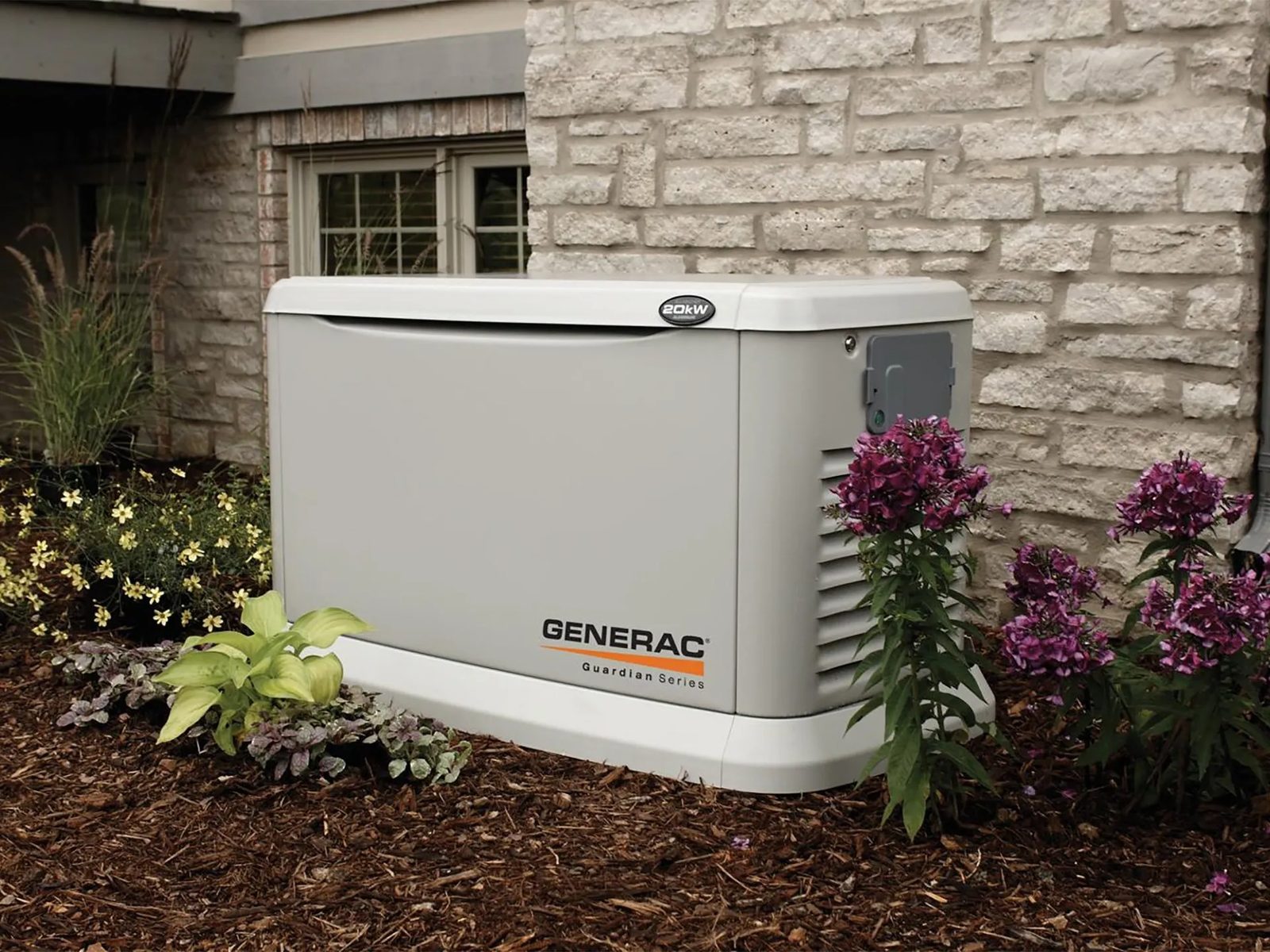
Updated November 2026 by Wolf River Electric, an authorized Generac dealer serving the Midwest.
Ready for the next step? Learn about whole house generator installation from Wolf River Electric, or get a free quote.
Want an exact price for your home? A local Wolf River Electric advisor sizes the generator to your home and quotes it installed.
Get a free generator estimateSee standby generator installation
How much is a whole house generator? Generac generator cost by size (2026)
How much is a generator for a house? For whole-home backup, an 18 to 22 kW Generac fits most mid-size homes and costs about $15,500 to $16,600 installed with Wolf River Electric, as of October 2026. A 14 kW for essential circuits is about $13,500.
| Generac size | Ballpark price, installed | Typical home |
|---|---|---|
| 14 kW | About $13,500 | Essentials plus a well pump or garage |
| 18 kW | About $15,500 | Most of a mid-size home |
| 22 kW | About $16,600 | Whole home, about 2,000 to 3,000 square feet, including central air |
| 24 kW | About $17,300 | Larger homes with central air |
| 26 kW | About $17,700 | Larger homes, shops and all-electric homes |
These are ballpark prices for Generac home standby generators installed by Wolf River Electric, as of October 2026. Each includes the generator, concrete pad, generator battery, automatic transfer switch, permit and installation. They are a starting point for planning, not a quote, and prices may change without notice. For sizes not listed, such as 10 kW or 28 kW, ask us for a quote.
What does Generac installation cost include?
A standby generator job has several parts. Here is what our price covers and what is billed separately, as of October 2026.
| Part of the job | With Wolf River Electric |
|---|---|
| Generac home standby generator | Included |
| Concrete pad | Included |
| Generator battery | Included |
| Automatic transfer switch | Included |
| Permit | Included |
| Installation | Included |
| Natural gas or propane hookup | Extra. Your gas utility or propane supplier does it and bills you. |
| Sales tax | Extra |
| Panel upgrade, only if needed | About $4,500 to $6,000. Meter, mast and utility-side work is priced separately. |
Two lower-cost options: if you already own a portable generator, a 240-volt inlet and manual transfer switch runs about $2,000 installed. If you have a standby generator and add a home battery, we can tie the two together for about $2,000, depending on the generator’s age and compatibility.
For comparison, ConsumerAffairs puts the national average for a whole house generator at $10,000 to $25,000 installed, with the transfer switch at $500 to $2,000, the fuel line at $500 to $2,000 or more and permits at $80 to $500. These are public averages, updated September 2026. When you compare quotes, check that each one includes the pad, the permit and the transfer switch.
Why does a generator cost more installed than in the store?
A store price covers the equipment only. Lowe’s, for example, lists home standby generators from about $3,579 to $13,399, with a typical price of about $6,148 (public listing prices, as of November 2026). That does not cover the concrete pad, the electrician’s work to connect the generator and transfer switch to your panel, the permit and inspection, startup or the gas or propane hookup.
Our prices in the table above are the installed total for everything except sales tax and the fuel hookup. When you compare a store price with an installed quote, add those parts to the store price first, and check that each quote names the generator size, the transfer switch and who pulls the permit.
Why a bigger generator costs only a little more
Going from a 14 kW to a 26 kW generator adds about $4,200. Much of the work is the same at any size: the permit, the pad, the transfer switch, the wiring, the fuel connection and startup. That is why undersizing to save money rarely pays off.
Oversizing doesn’t pay either. A larger unit uses more fuel at full load and can need a bigger gas meter. The right size comes from a load calculation, not square footage alone. Our guide to what size generator you need walks through it.
What affects your installed price
- Generator size. Each step from 14 kW up to 26 kW adds about $400 to $2,000 in the table above. A load calculation sets the right size.
- Fuel connection. Natural gas generators need a gas meter and line big enough to feed them. A long gas line run, or a meter upgrade by your gas utility, adds cost. Your gas utility or propane supplier does the hookup and bills it separately.
- Propane tank. Homes without natural gas need a propane tank sized for the generator. Tanks are usually set up through your propane supplier.
- Transfer switch. Our prices include an automatic transfer switch. A whole-house, service-rated transfer switch costs more than a smaller switch that backs up a list of essential circuits.
- Load management. Modules that pause big loads like central air for a moment can let a smaller generator do the job.
- Electrical upgrades. An older or full electrical panel, or a service upgrade, adds cost. A panel upgrade with Wolf River Electric runs about $4,500 to $6,000 when one is needed.
- Placement and site work. Distance from your panel and gas meter, and the clearances from windows, doors and vents that code and Generac require. The concrete pad is included in our price.
- Permits and local rules. The permit is included in our price. Some towns also require zoning or setback approvals.
Natural gas or propane: how fuel changes the cost
The generator itself costs the same on either fuel. What changes is the setup around it.
| Natural gas | Propane (LP) | |
|---|---|---|
| Setup cost | Gas line from the meter; a meter upgrade if yours is too small | A propane tank sized for the generator, plus the line to it |
| Fuel supply | Piped in by your utility, so it doesn’t run out | Stored on site, so run time depends on tank size |
| Output | Slightly lower rated output on the same unit | Full rated output |
| Best for | Homes with natural gas service | Rural homes and farms |
How much fuel does a whole house generator use in a winter outage?
It depends on the size and how much is running. Generac’s fuel data shows a 22 kW air-cooled unit on propane uses about 2.5 gallons an hour at half load and about 3.7 to 3.9 gallons at full load. On natural gas, the same size uses about 200 to 220 cubic feet an hour at half load.
| Generac size | Propane, half load | Propane, full load | 250-gallon tank at half load |
|---|---|---|---|
| 14 kW | About 1.8 gallons an hour | About 3 gallons an hour | About 4.5 days |
| 22 kW | About 2.5 gallons an hour | About 3.7 to 3.9 gallons an hour | About 3 days |
| 26 kW | About 2.1 gallons an hour | About 3.6 to 4 gallons an hour | About 4 days |
A 250-gallon propane tank is filled to about 80%, so it holds about 200 gallons. To estimate a day’s fuel cost, multiply the gallons by your propane price. Top off the tank before winter. Natural gas is piped in, so it doesn’t run out, but your gas meter must be big enough to feed the generator and your furnace at the same time.
- What it keeps running. Your furnace blower and controls, sump pump, well pump, refrigerator and freezer, so pipes don’t freeze and the basement stays dry.
- Snow and ice. Keep snow cleared from around the enclosure and its air vents.
- Self-tests. Generac standby generators run a short self-test on a set schedule, so you know they will start.
- Yearly service. Oil, filters, spark plugs and the battery are serviced on Generac’s schedule. Wolf River Electric is your contact for maintenance and repairs after startup.
Public averages put yearly maintenance at about $200 to $500 and the lifespan of a well-maintained unit at 15 to 25 years (ConsumerAffairs, September 2026).
Warranty
Generac home standby generators come with Generac’s 5-year limited warranty. As an authorized Generac dealer, we register your warranty at startup and offer Generac extended warranty coverage for longer protection.
Generator or battery: how the costs compare
A home battery is quiet, needs no fuel and pairs with solar, but it covers hours of backup rather than days unless solar recharges it. As of October 2026, a Tesla Powerwall 3 installed by Wolf River Electric runs about $12,500 to $20,900, and an Enphase IQ Battery 10C with its transfer switch about $11,800 to $19,700. The low end is with a prepaid lease plus our 10% discount. The high end is buying outright. Minnesota’s battery rebates apply only to batteries paired with solar, not to fuel-burning generators. Read our battery vs generator comparison and home battery backup page.
How to get an exact price
- Tell us what you want running during an outage.
- A licensed electrician visits to check your panel, your gas meter or propane setup and where the unit can sit.
- We calculate your loads and recommend a size, transfer switch and any load management.
- You get a written quote with options.
Whole house generator cost questions
How much does a 22 kW Generac cost installed?
About $16,600 with Wolf River Electric, as of October 2026, including the pad, generator battery, automatic transfer switch, permit and installation. Sales tax and the gas or propane hookup are extra. Your final price depends on your fuel setup and site.
How much does a generator cost for a 2,000 square foot house?
Most 2,000 square foot homes land on an 18 to 22 kW generator for whole-home backup, or about $15,500 to $16,600 ballpark installed. A smaller unit for essential circuits costs less.
How much does a whole house generator cost for a 3,000 square foot house?
Many 3,000 square foot homes with central air need a 22 or 24 kW Generac, about $16,600 to $17,300 installed with Wolf River Electric, as of October 2026. Larger homes with electric heat or a shop may need 26 kW, about $17,700. A load calculation sets the final size.
Is a whole house generator worth the cost?
It depends on how often you lose power and what an outage costs you: frozen pipes, a flooded basement from a dead sump pump, spoiled food or lost work. Homes on a well, with medical equipment or in areas with frequent storm outages get the most value.
How long does installation take?
Most home standby installs take one to two days on site once the permit and fuel connection are scheduled.
How much does it cost to install a generator transfer switch?
Our standby generator prices include the automatic transfer switch. If you have a portable generator instead, a 240-volt inlet and manual transfer switch costs about $2,000 installed with Wolf River Electric, as of October 2026.
How long will 250 gallons of propane last on a whole house generator?
About 3 days for a Generac 22 kW at half load. A 250-gallon tank holds about 200 gallons when filled to 80%, and Generac’s fuel data shows a 22 kW unit using about 2.5 gallons an hour at half load. At full load, plan on about 2 days.
How long do whole house generators last?
ConsumerAffairs puts the lifespan at 15 to 25 years with proper maintenance (public figure). Yearly service and a clear, snow-free enclosure help it start when you need it.
Can I get a price without a site visit?
We can give you a ballpark by phone using the table above. An exact price needs a site visit, because gas meter size, panel condition and placement change the cost.
Are there tax credits or rebates for standby generators?
Fuel-burning standby generators don’t qualify for clean energy tax credits, and Minnesota’s battery rebates require a battery paired with solar. If incentives matter to you, ask us about a battery with solar.
Get your generator price
Wolf River Electric is an authorized Generac dealer with licensed electricians in every state we serve. See our whole house generator installation page, or get my free quote.
Sources: Wolf River Electric Generac, panel upgrade and battery pricing as of October 2026 (prices may change without notice); Generac home standby specifications, fuel consumption data and limited warranty (2026); ConsumerAffairs whole house generator cost guide (updated September 2026, public averages); Lowe’s online home standby generator listings (November 2026, public prices); Minnesota Department of Commerce residential battery incentive program (2026).
Free quote
See what solar and backup power can save you
Get a custom design and savings estimate from Wolf River Electric. No cost, no obligation.