Updated November 2026 by Wolf River Electric.
Where the 90-day blackout rumor came from
On September 30, 2026, Defense Secretary Pete Hegseth unveiled an initiative called FORTRESS America, short for Federal Operations for Resilience, Troop Resources, Energy Supply, and Survivability. A memo set up a FORTRESS America Program Office. According to reporting by The War Zone and Fortune in late October, the goal is for major military installations in the continental U.S. to sustain essential operations for at least 90 days independently, covering electricity, water, fuel and communications, in the face of cyberattacks or sabotage. The Pentagon described itself as still developing the requirement, with roughly 500 bases being assessed.
Short videos then spread the “90 days” figure without the context, and searches for “90 day blackout” jumped in October. Some outlets reported panic buying of water, fuel and batteries in early November. Around the same time, the United Kingdom launched a public “Be Ready” campaign asking households to keep three days of supplies, which added to the confusion.
What FORTRESS America is, and what it is not
| It is | It is not |
|---|---|
| A plan to make military bases energy and water independent for 90 days | A warning that the public grid will go down |
| Backup power, microgrids, fuel and water storage on bases | A scheduled or expected power cut |
| A response to cyber and sabotage risk to critical infrastructure | An order or instruction for households |
| Still being developed by the Department of Defense | Something that changes your utility service |
The November 17 emergency alert test
FEMA and the FCC plan a national Emergency Alert System test on November 17, 2026 at 2:20 pm Eastern (1:20 pm Central), with December 3 as the backup date. You may hear it on TV and radio. The message will say it is only a test and that no action is required. It is not connected to FORTRESS America and it does not mean an outage is coming.
What real outages look like in the Midwest
Most outages in Minnesota, Wisconsin, Iowa and the Dakotas last minutes to hours. The ones that matter are storms: ice storms, blizzards, derechos and severe thunderstorms can knock out power for several days in rural areas, sometimes longer. In winter, a long outage is a heating problem first. A gas furnace still needs electricity for its blower and controls, a well pump needs power for water, and a sump pump matters during thaws and spring rain.
A practical household checklist
Ready.gov, the federal preparedness site, recommends supplies for at least three days. For a Midwest home, that looks like:
- Water: one gallon per person per day, plus water for pets. Homes on a well have no water without power.
- Food: shelf-stable food that needs no cooking, and a manual can opener.
- Light and power: flashlights, extra batteries and charged power banks for phones.
- Information: a battery or hand-crank radio, and your utility outage map saved on your phone.
- Medicine and medical devices: a supply of prescriptions, and a backup plan for anything that needs electricity.
- Warmth: blankets, sleeping bags and warm layers. Pick one room to keep warm and close off the rest.
- Safety: working smoke and carbon monoxide alarms with fresh batteries, and a fire extinguisher.
See Ready.gov power outage guidance for the full list.
Stay safe during an outage
- Never run a portable generator, grill or camp stove indoors, in a garage or near windows. Carbon monoxide kills, and you cannot smell it.
- Never plug a portable generator into a wall outlet. Backfeeding the grid can injure line workers. A licensed electrician should install a transfer switch or interlock.
- Keep the refrigerator and freezer closed. Food stays cold about 4 hours in a closed refrigerator and about 48 hours in a full freezer.
- Do not use an oven or range to heat your home.
Backup power options for your home
A checklist covers a few days. If you want the lights, heat and water to keep running, these are the main options:
| Option | What it covers | Typical run time | Installed cost with Wolf River Electric |
|---|---|---|---|
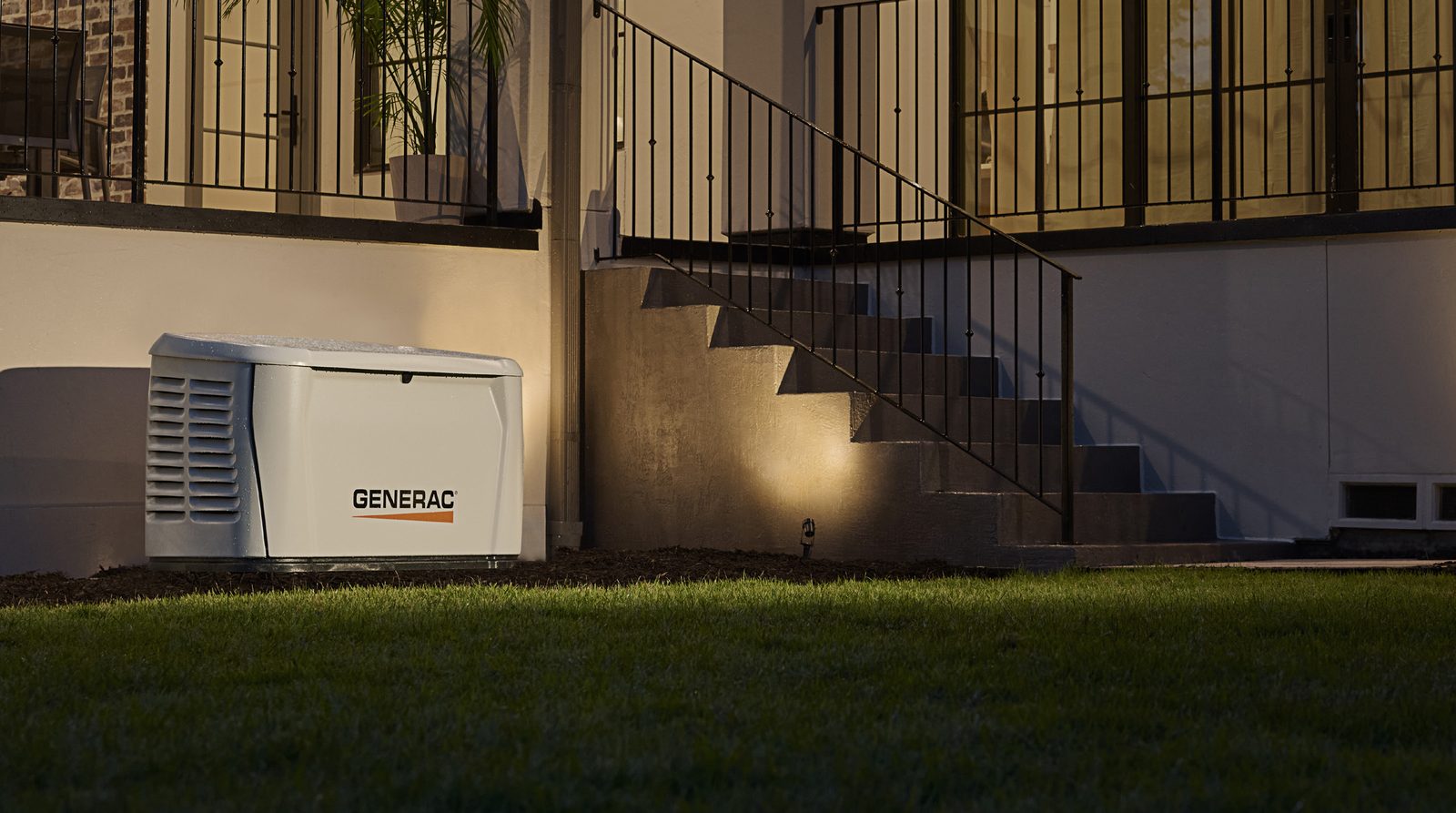
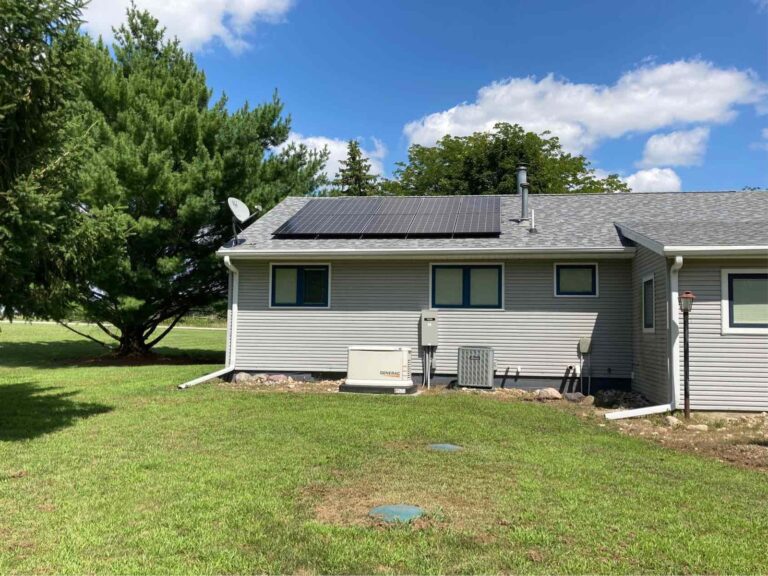
| Generac home standby generator | Whole home or essential circuits, starts automatically | As long as natural gas flows, or days on a propane tank | About $13,500 to $17,700 (as of October 2026) |
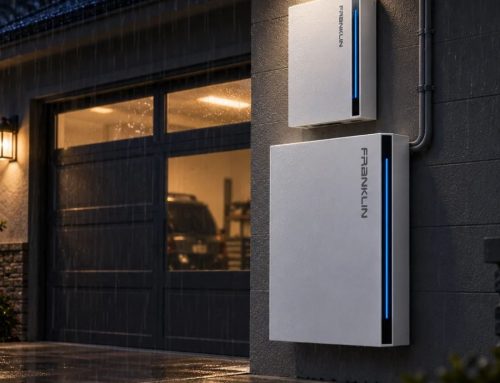
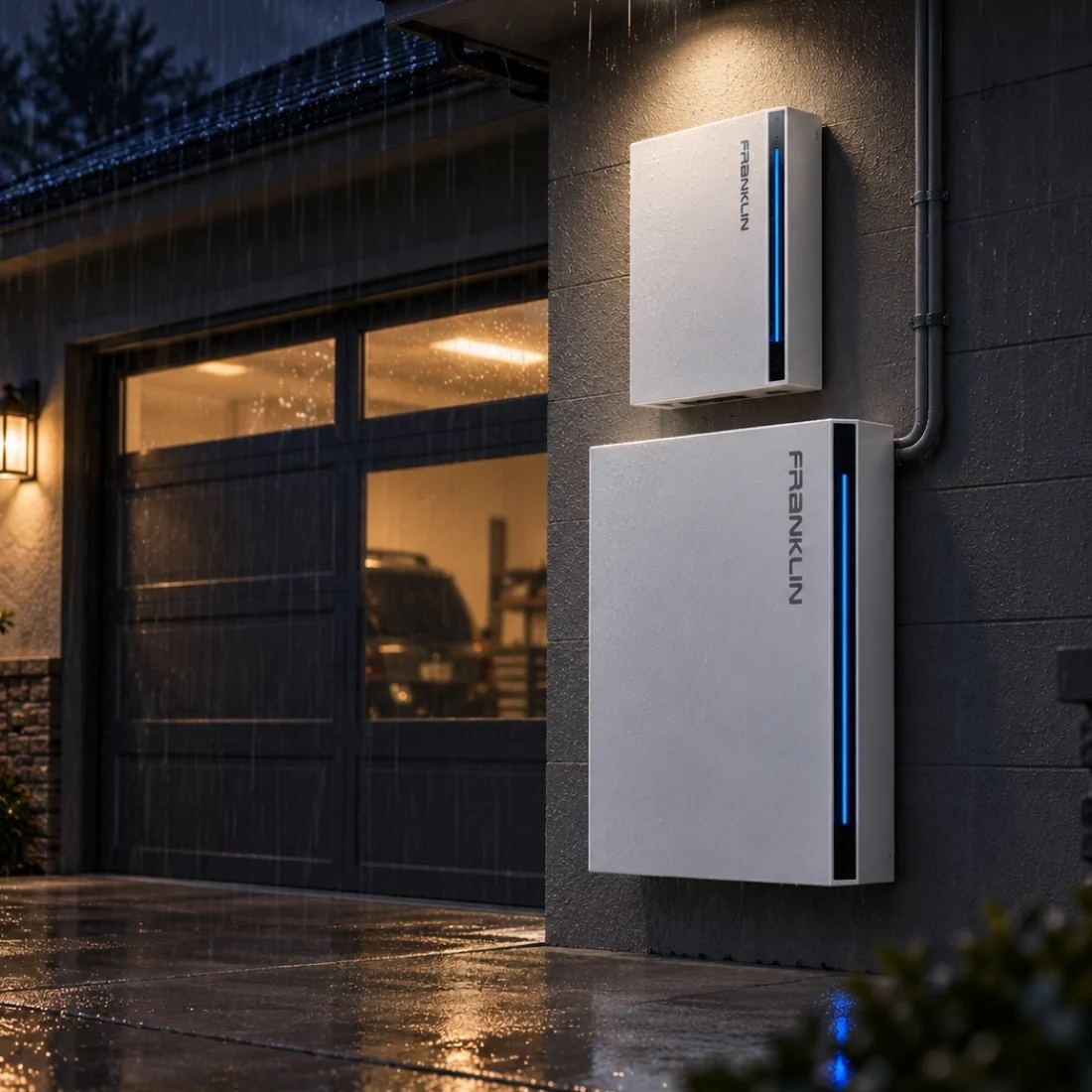
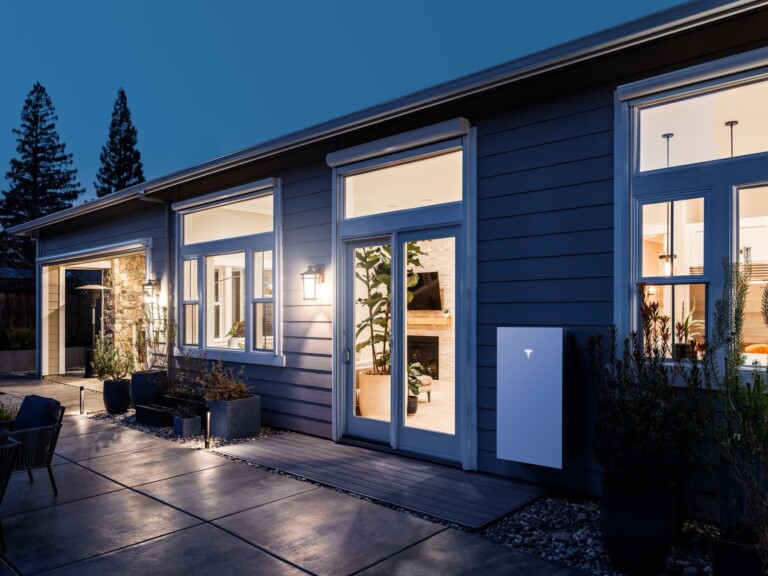
| Home battery (Tesla, FranklinWH, Enphase) | Essentials, silent, switches over instantly | About half a day to a day per battery for essentials | About $11,800 to $22,000 per whole-home battery |
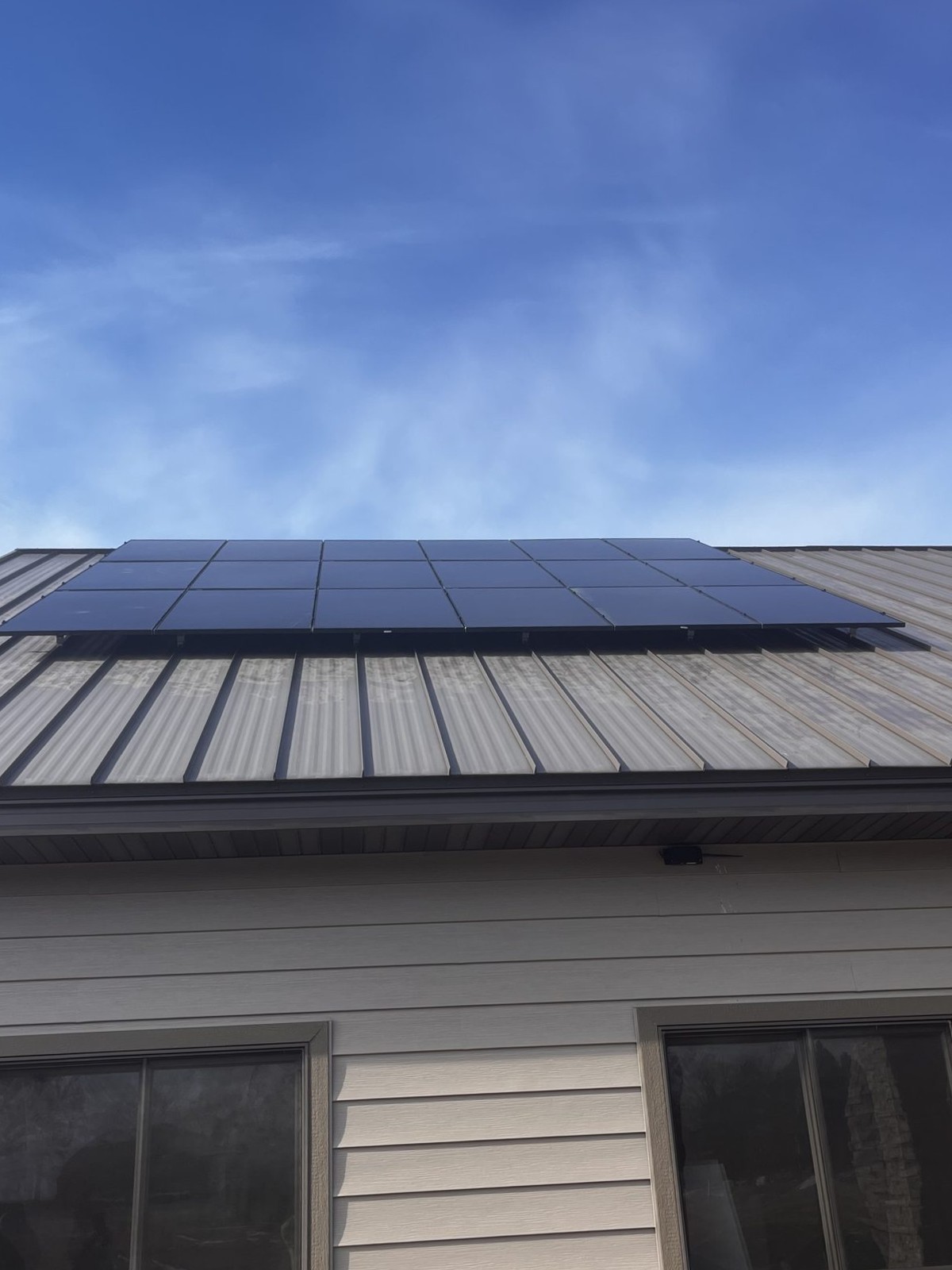
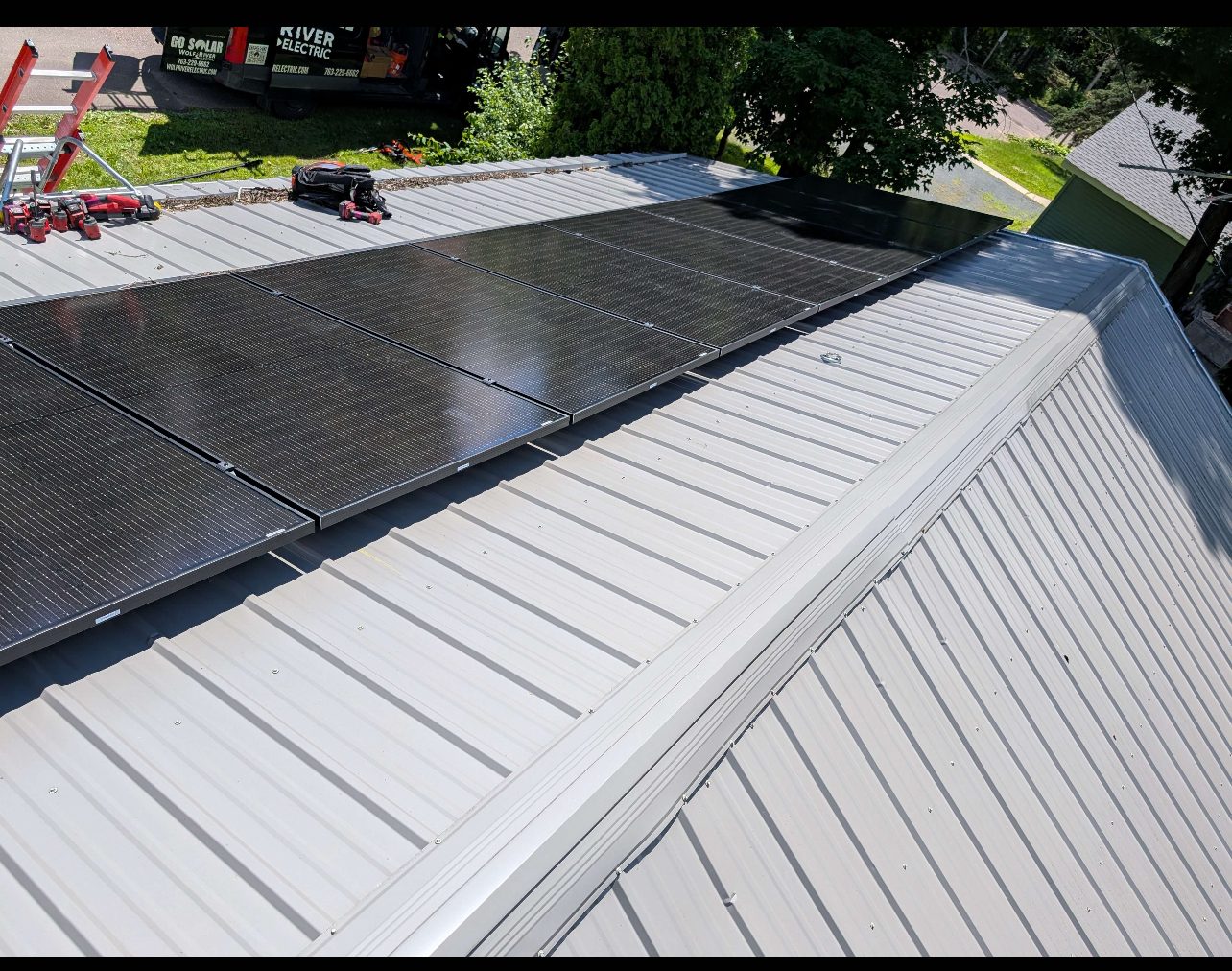
| Solar plus battery | Essentials, recharges on sunny days | Longer, but limited by short winter days | Quoted with your solar system |
| Portable generator with transfer switch | A few circuits, manual start and refueling | Hours per tank of gasoline | We install the transfer switch or interlock |
Can any home system run for 90 days?
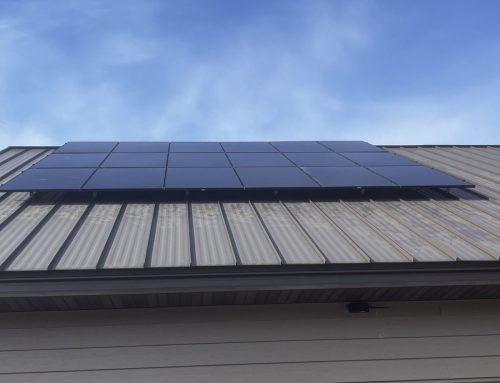
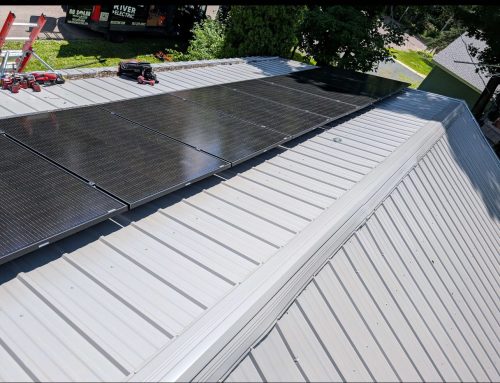
Here is the honest answer. A battery alone cannot carry a Midwest home through months without the grid, especially in winter, when solar output is lowest. Wolf River Electric systems in Minnesota made about 5.4 kWh per panel in all of December last year, enough to help but not to run a house. A Generac standby generator on natural gas can keep running as long as the gas utility keeps supplying gas, with routine oil and maintenance checks during long run times. On propane, run time depends on your tank size and load; a 500-gallon tank typically lasts roughly a week or more of steady use. For most families the realistic goal is getting comfortably through a multi-day storm outage, not a 90-day scenario.
How to choose
- You want the whole house on, for as long as it takes: a Generac standby generator. Wolf River Electric is an authorized Generac dealer. See what size generator you need.
- You want silent, automatic backup for the essentials, and you have or want solar: a home battery. See what size battery you need.
- You want both: many homeowners pair a battery for short outages with a generator for long ones. Compare them in battery vs generator.
- You live in Minnesota: read our Minnesota winter backup power guide.
90-day blackout questions
Is the government planning to shut off power for 90 days?
No. FORTRESS America is about keeping military bases running on their own for 90 days if infrastructure is attacked. It does not schedule or predict a civilian blackout.
Should I buy a generator because of FORTRESS America?
Not because of the rumor. Buy backup power if storms, a well, a sump pump, medical needs or working from home make an outage costly for you. Those reasons are real whether or not the news cycle moves on.
How much water should I store?
Ready.gov recommends one gallon per person per day for at least three days.
Will a home battery keep my furnace running?
Yes, for a gas furnace. The blower and controls need only a few hundred watts. Electric heat and heat pumps need far more power.
Get backup power sized for your home
We look at your panel, your heating and your well or sump pump, then recommend a battery, a Generac generator or both. Get a free backup power quote.
Sources: The War Zone and Fortune reporting on FORTRESS America (October 26, 2026); WOWT and WBBJ (November 5, 2026); FEMA and FCC national EAS test notice (November 2026); Ready.gov power outage and emergency kit guidance; Wolf River Electric installed pricing and Enphase monitoring data (October 2026).
Free quote
See what solar and backup power can save you
Get a custom design and savings estimate from Wolf River Electric. No cost, no obligation.