Updated October 2026 by Wolf River Electric, an authorized Generac dealer serving the Midwest.
Ready for the next step? Learn about whole house generator installation from Wolf River Electric, or get a free quote.
Generator size by home and goal
| Goal | Typical size | What it usually covers |
|---|---|---|
| Essentials only | 10 to 14 kW | Furnace blower, fridge and freezer, sump pump, lights, internet and a few outlets |
| Essentials plus a well pump or central air | 14 to 18 kW | The essentials, plus a well pump, or central air with load management |
| Whole home, about 2,000 square feet | 18 to 22 kW | Most circuits at once, including central air |
| Whole home, 2,500 to 3,000 square feet | 22 kW | Whole-home backup, depending on how many large loads run together |
| Large or all-electric homes, shops | 24 to 28 kW | Electric heat, multiple air conditioners, shops and outbuildings |
These ranges follow Generac’s own sizing guidance. Two homes with the same floor plan can need very different generators, because what matters is the equipment inside.
Wondering what each size costs? Our 2026 ballpark installed prices run from about These ranges follow Generac’s own sizing guidance. Two homes with the same floor plan can need very different generators, because what matters is the equipment inside.
3,500 for a 14 kW unit to about These ranges follow Generac’s own sizing guidance. Two homes with the same floor plan can need very different generators, because what matters is the equipment inside.
7,700 for a 26 kW unit. See whole house generator cost.
How generator sizing works
A generator has to handle two things: the power everything uses while it runs, and the short surge a motor needs to start. Starting power is usually two to three times running power, and the biggest surge in most homes comes from central air, a well pump or a heat pump.
Generac’s rule of thumb: add up the running watts of everything you want on at the same time, then add the single largest starting surge. A 3-ton central air conditioner, for example, uses about 3.5 to 5 kW running but can pull 15 kW or more for a moment when it starts.
Loads that matter most in the Midwest
- Furnace blower and boiler pumps. Small, but they keep the heat on in a winter outage.
- Well pump. A large starting surge. Rural homes on a well almost always need it covered.
- Sump pump. Essential in spring storms and snowmelt.
- Central air or a heat pump. The biggest surge in most homes. Heat pump backup heat strips use a lot of power.
- Electric water heater, range and dryer. Large loads you may choose to leave off or manage.
- EV charger. A Level 2 charger is a large, steady load. Most owners pause charging during an outage.
- Freezers, medical equipment and home offices. Small but important. Medical equipment should always be on the backed-up list.
The exact numbers are on each appliance’s nameplate. We read them during the site visit.
Whole-home or essential circuits?
Essential circuits means a smaller generator and transfer switch that back up a chosen list: furnace, fridge, sump and well pumps, lights and a few outlets. It costs less and suits many homes.
Whole-home backup means a larger generator and a service-rated transfer switch, so your house works close to normal during an outage. It is the better fit for central air, larger homes and anyone who doesn’t want to think about what is on.
Load management: a smarter way to size
Load management modules pause lower-priority loads, like central air or an electric dryer, for a moment when the generator nears its limit, then bring them back. This lets a mid-size generator handle big loads one at a time instead of buying a larger unit for a worst-case moment that rarely happens. Generac recommends this approach over oversizing, and we use it often.
Why oversizing and undersizing both cost you
- Too small: the generator overloads when a big motor starts, and things shut off.
- Too big: you pay more for the unit, the fuel connection and possibly a bigger gas meter, for power you never use.
Natural gas or propane changes the numbers
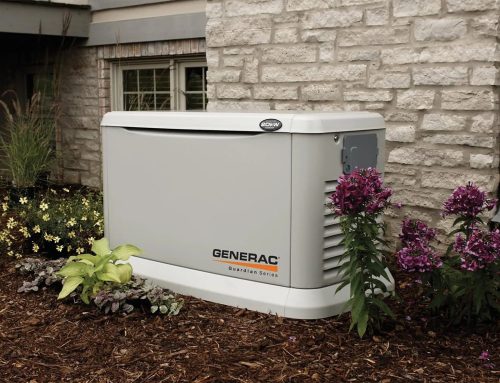
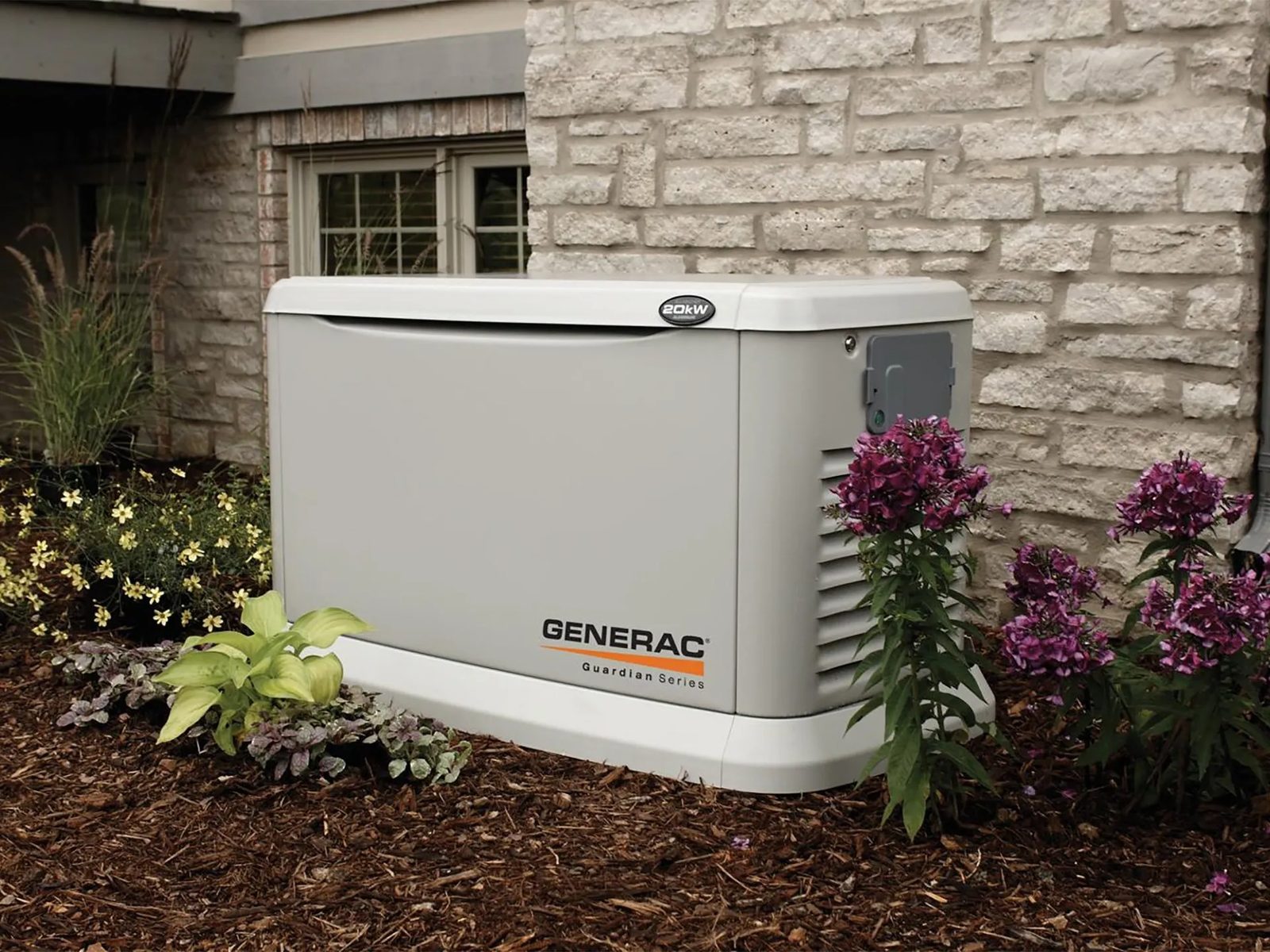
The same Generac unit is rated slightly higher on propane than on natural gas, and natural gas generators need a meter big enough to feed them. If your gas meter is small, your utility may need to upgrade it. On propane, tank size sets how long you can run. We check both during the site visit. See the full lineup and ratings on our whole house generator installation page.
How we size your generator
- We list what you want running during an outage.
- A licensed electrician reads your panel and the nameplates on large equipment.
- We calculate running and starting loads and decide whether load management makes sense.
- We check your gas meter or propane tank.
- You get a recommended size, transfer switch and price, with options.
Generator sizing questions
What size generator do I need for a 2,000 square foot house?
Usually 18 to 22 kW for whole-home backup, or 10 to 14 kW for essentials only. Central air, a well pump or electric heat push you toward the top of the range.
Will a 22 kW generator run my whole house?
For most homes up to about 3,000 square feet, yes, especially with load management. Homes with electric heat or several air conditioners may need more.
What size generator do I need for a well pump and sump pump?
Most homes that want a well pump, sump pump, furnace and fridge covered land in the 14 to 18 kW range. The well pump’s starting surge is the deciding factor.
Is there a generator size calculator?
Online calculators give a rough idea, but they can’t see your panel or nameplates. A free site visit gives you a real number.
Can I add a battery instead of a bigger generator?
Sometimes. Batteries handle short outages and pair well with solar, while generators run for days. Read battery vs generator.
Get your generator sized
Wolf River Electric is an authorized Generac dealer with licensed electricians in every state we serve. We size, install and register your generator, and offer Generac extended warranty coverage. Get my free quote
Sources: Generac, What size generator do I need (home management resources, 2026); Generac home standby specifications (2026).
Free quote
See what solar and backup power can save you
Get a custom design and savings estimate from Wolf River Electric. No cost, no obligation.