Solar Battery vs Generator in the Midwest: Which Is Better?
Power outages in the Midwest are common. Severe winters, summer storms, and an aging grid mean your power will go out, so be prepared.
For years, the standard solution was a backup generator. But solar battery storage has rapidly emerged as a powerful alternative—and for many Midwest homeowners, it’s the smarter long-term choice. So how do you decide?
In this guide, we’ll compare solar battery storage and generators across the factors that matter most: cost, convenience, performance, environmental impact, and long-term value.
How Each System Works
Backup Generator
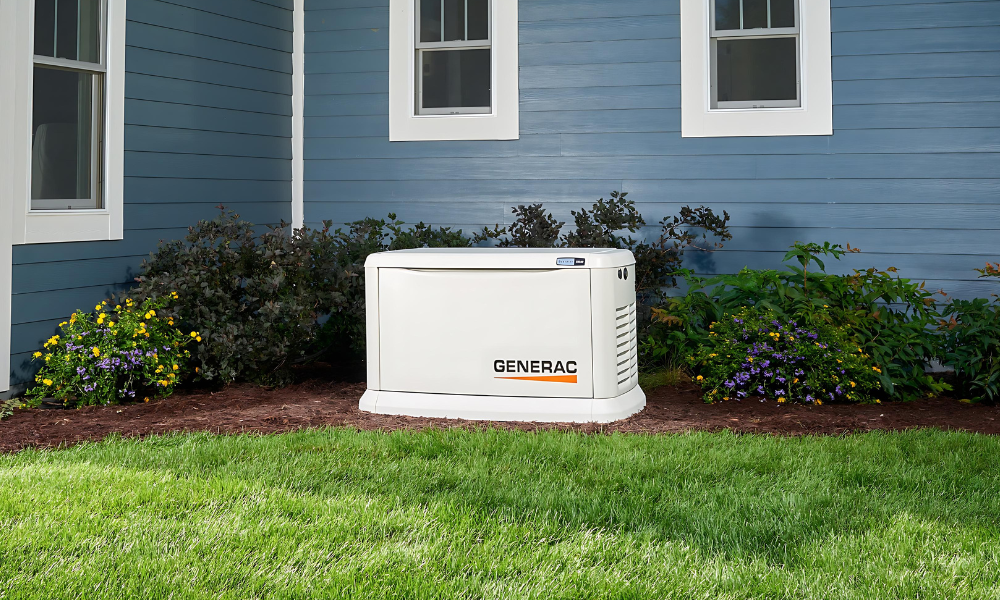
A backup generator—typically powered by natural gas, propane, or diesel—automatically kicks on when the grid goes down. It burns fuel to generate electricity and can power your home for as long as fuel is available. Whole-home standby generators are wired directly into your electrical panel and switch on automatically within seconds of an outage.
Solar Battery Storage
A solar battery storage system stores the excess electricity generated by your solar panels during the day. When the grid goes down—or when the sun isn’t shining—your home draws power from the battery instead of the grid. Advanced systems like Tesla Powerwall or Enphase batteries switch to backup mode almost instantly, with no noise, no fumes, and no fuel required.
Wolf River Electric installs industry-leading battery storage systems designed to pair seamlessly with your residential solar installation, giving you a fully integrated, self-sufficient energy solution.
Cost Comparison
Upfront Cost
A whole-home standby generator typically costs between $7,000 and $15,000 installed, depending on size and fuel type. A solar battery system ranges from $8,000 to $15,000 as an add-on to an existing or new solar installation.
On upfront cost alone, they’re roughly comparable. But the long-term picture is entirely unique.
Ongoing Costs
Generators require fuel, and you spend money on it every time you use them, with costs rising even more when supply is disrupted during a major storm or regional emergency. They also require regular maintenance: oil changes, filter replacements, and periodic professional servicing.
Solar batteries, by contrast, have virtually zero ongoing fuel cost. When paired with solar panels, they recharge automatically from the sun—for free. Maintenance requirements are minimal, and the systems are designed to last 10–15 years or more.
Tax Credits
This is where solar battery storage pulls decisively ahead: the federal 30% Investment Tax Credit applies to solar battery storage systems, potentially saving you thousands of dollars on your installation. Generators do not qualify for this credit.
Use our solar savings calculator to estimate how much you could save with a combined solar and battery system.
Performance During an Outage
Speed of Switchover
Modern solar battery systems switch to backup power almost instantaneously—typically in under a second. Most homeowners don’t even notice the transition. Generators, even automatic standby units, typically take 10–30 seconds to start and stabilize, which can cause issues with sensitive electronics.
How Much Can They Power?
A single battery unit may not power your entire home indefinitely, but it can comfortably handle essential loads—lights, refrigerator, phone charging, medical equipment, and heating/cooling systems—for many hours or through the night. Multiple battery units can extend capacity significantly.
Generators, especially large whole-home units, can power more simultaneously for longer periods—as long as fuel holds out. For extended multi-day outages, a generator with a large fuel supply has a practical edge in raw capacity.
Reliability in Extreme Cold
This factor is an important consideration for Midwest homeowners. Generators can struggle to start in extreme cold—especially propane units, which lose pressure as temperatures drop. Solar batteries, when properly installed in a conditioned space, perform reliably in cold weather conditions.
Convenience and Day-to-Day Experience
Generators are loud, produce exhaust fumes, and require you to manage fuel levels. If you’re away from home during an outage, you can’t start a generator remotely—and if it runs out of fuel, your backup power stops.
Solar batteries are silent, emissions-free, and fully automated. Many systems, including those paired with Wolf River Electric’s smart home solutions, allow you to monitor and manage your energy status remotely from your phone, giving you visibility from anywhere.
Environmental Impact
Generators burn fossil fuels and produce carbon emissions and exhaust—not ideal for families with health sensitivities, and not great for the environment. Solar battery storage produces zero emissions during operation and, when charged by solar panels, represents a truly clean energy backup solution.
For environmentally conscious Midwest homeowners, this distinction matters—both for personal values and for the long-term health of the communities we live in.
Which Is Right for You?
The honest answer depends on your specific situation. Here’s a simple way to think about it:
- Choose solar battery storage if: You already have solar panels or plan to install them; you want a low-maintenance, silent, and clean backup solution, and your primary concern is short-term outages of 12–24 hours.
- Choose a generator if: You experience frequent multi-day outages, have very high power demands during emergencies, and don’t currently have solar panels.
- Consider both if: You want the ultimate in energy resilience—a solar + battery system for day-to-day independence and a generator as a last-resort backup for extended emergencies.
Wolf River Electric installs both solar battery storage systems and whole-home backup solutions tailored to the unique needs of Midwest homeowners. Our team will help you evaluate your energy usage, outage history, and budget to find the right fit.
The Bottom Line
For most Minnesota, Wisconsin, Iowa, and Dakota homeowners who are going solar—or planning to—a solar battery storage system is the smarter, more cost-effective, and more future-proof backup power choice. It qualifies for significant tax credits, requires minimal maintenance, produces no emissions, and works silently and automatically every time the grid fails.
Generators still have their place, particularly for homeowners with very high backup power needs or those in areas prone to extended outages. But as battery technology continues to improve and costs continue to fall, the case for solar battery storage only gets stronger.
Read what our customers across the Midwest are saying about their solar and battery systems on our reviews page—then take the next step toward energy independence.
Get your free solar and battery storage quote today and find out what the right backup power solution looks like for your home.