Updated October 2026 by Wolf River Electric, a Minnesota solar company based in Isanti.
Winter brings snow, ice and short days. If you have solar panels on your home or business, you may wonder whether they still work in the snow and whether you should clear them.
It helps to know how snow really affects your system before you reach for a roof rake.
This guide by Wolf River Electric uses real winter production from our customers’ systems to show what snow on solar panels costs you, and how to deal with it safely.
How much power do solar panels make in a Minnesota winter?
Less than in summer, but not zero. December is the low point. Wolf River Electric systems in Minnesota made about 5.4 kWh per panel in December, compared with about 56 kWh per panel in May. February made more than November because the days are longer and the sun is higher.
These are real production numbers, so they already include every snowy day last winter. A typical home system of 20 to 30 panels made about 8,100 to 12,200 kWh over the year, worth about $1,300 to $2,000 at Minnesota’s average home electricity price.
| Month | kWh per panel | 20 to 30 panels (kWh) | Value at 16.4¢ per kWh |
|---|---|---|---|
| Oct | 27.4 | 548 to 822 | $90 to $135 |
| Nov | 17.1 | 342 to 513 | $56 to $84 |
| Dec | 5.4 | 108 to 162 | $18 to $27 |
| Jan | 14.1 | 282 to 423 | $46 to $70 |
| Feb | 23.1 | 462 to 693 | $76 to $114 |
| Mar | 34.7 | 694 to 1,041 | $114 to $171 |
| May (best month) | 56.3 | 1,126 to 1,689 | $185 to $278 |
| Full year | 407 | 8,140 to 12,210 | $1,338 to $2,007 |
Based on 1,456 Wolf River Electric systems in Minnesota monitored through Enphase, October 2025 to September 2026 (October to December are 2025, January to September are 2026). Averages of real production from Wolf River Electric customers’ systems. Value at Minnesota’s average home electricity rate (U.S. EIA, 2026).
Winter output in Minnesota, Wisconsin and Iowa
The three darkest months make about a tenth of the year’s power in Minnesota and Wisconsin. Iowa’s milder, sunnier winters show up in the data.
| State | Systems | Dec to Feb kWh per panel | Share of the year |
|---|---|---|---|
| Minnesota | 1,456 | 42.6 | About 10% |
| Wisconsin | 202 | 45.4 | About 11% |
| Iowa | 41 | 69.0 | About 15% |
Averages of real production from Wolf River Electric customers’ systems, monitored through Enphase, October 2025 to September 2026.
Do Solar Panels Work In Cold Weather? The Science Behind Panels And Temperature
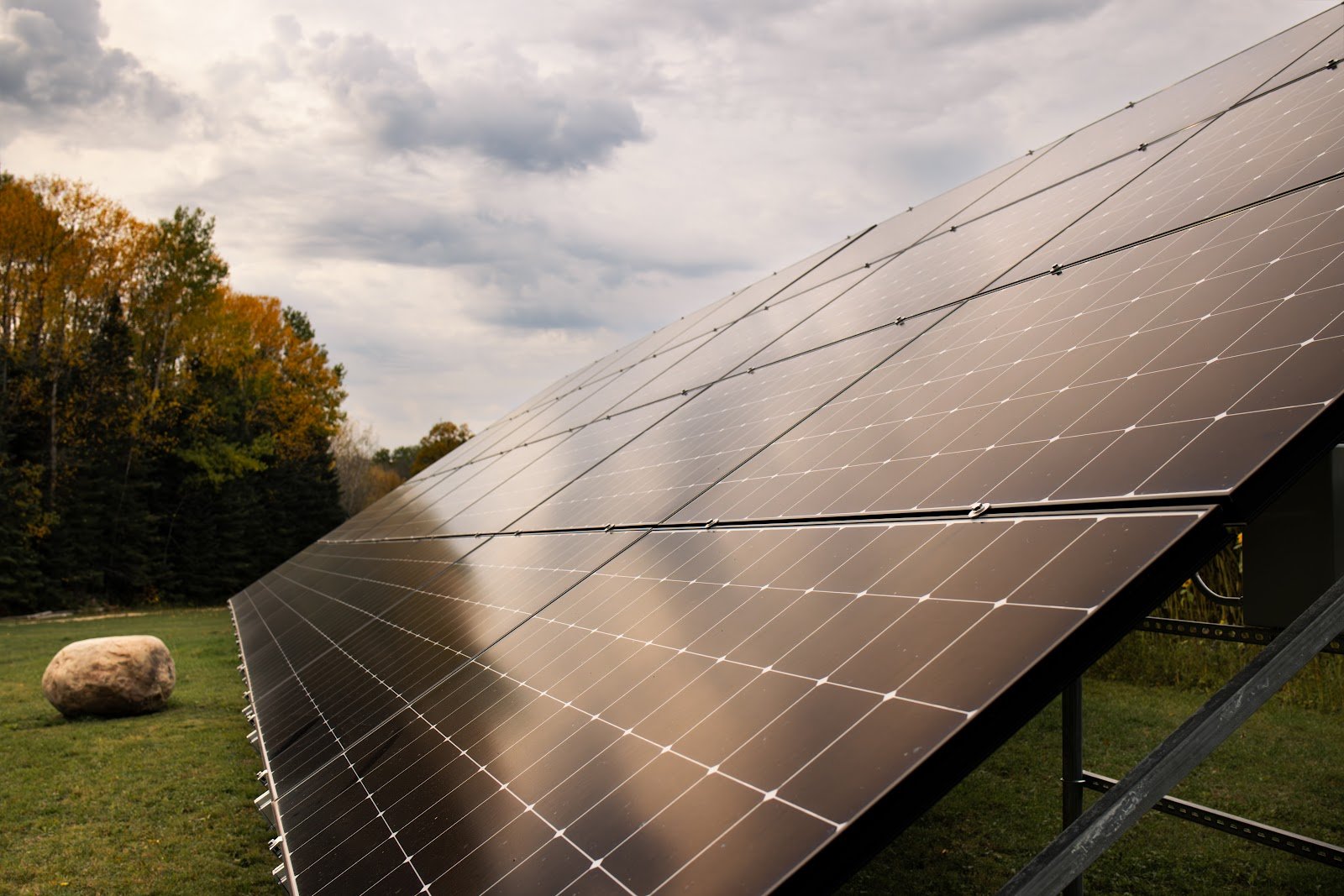
Solar panels are made of photovoltaic (PV) cells, which generate electricity from sunlight. When the sun’s rays hit a PV cell, an electrical charge is generated and collected in a circuit.
Cold does not hurt production. Panels actually convert light a little more efficiently when they are cold, because a cooler cell has a higher voltage. Heat is what lowers efficiency. What cuts winter output is less daylight, a lower sun and snow cover, not the cold itself.
The Major Downside To Solar Panel Systems In The Winter
The major downside to solar panel systems in winter is reduced sunlight and shorter daylight hours. In Minneapolis, the shortest days have less than 9 hours of daylight, and the sun stays low in the sky. Winter months also bring more cloud cover and snowfall, which lowers the amount of energy generated. On most net metering plans, credits from sunny months help balance winter bills.
Do solar panels work with snow on them?
A panel under a thick layer of snow makes little or no power. A light dusting lets some light through, and the dark glass warms in the sun, so a thin layer often melts or slides off the same day.
Panels that are clear keep working. With microinverters, like the Enphase systems we monitor, each panel runs on its own, so the top rows produce as soon as they clear even if the bottom rows are still covered.
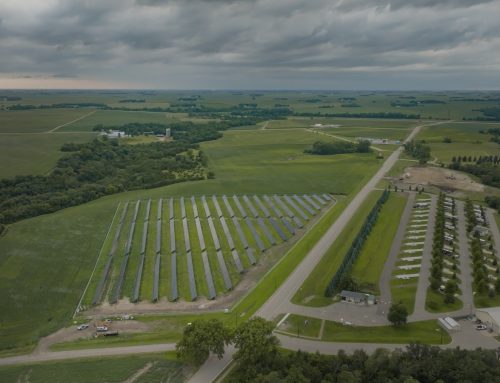
On a pitched roof, snow usually slides off in sheets once the sun warms the glass. Low-tilt arrays, flat roofs and ground mounts with snow piled at the bottom edge hold snow longer.
Should you clear snow off solar panels?
Usually no. Let the snow slide and melt off on its own. The power you lose is small. In our Minnesota data, a 30-panel system made about 162 kWh in all of December, worth about $27 at Minnesota’s average rate. A few snowy days cost a few dollars. A fall from a roof or a cracked panel costs far more.
If you do clear snow, follow these rules:
- Stay on the ground. Never climb onto a snowy or icy roof, and never lean a ladder on icy gutters.
- No metal tools. No shovels, ice scrapers, ice picks or metal-edged rakes. They scratch the glass and can damage the frame or wiring.
- Use a soft foam roof rake made for solar panels. Pull gently down the slope and leave a thin layer. The sun will take care of the rest.
- No hot water, salt or de-icer. Hot water refreezes as ice, and chemicals can harm the glass coating and seals.
- Do not chip at ice. Let it melt.
- Watch where the snow lands. Snow can slide off panels all at once. Keep people, pets and cars away from the eaves below the array.
Ground mounts are the exception. You can brush them off from the ground with a soft brush or foam rake. Keep the area below the bottom edge clear so sliding snow has somewhere to go.
Call us at (763) 229-6662 if a panel still shows no production in the app on a sunny day after the snow is gone, or if you see damage to a panel, the wiring or the racking. See solar panel repair for what we fix.
How To Remove Snow From Solar Panels
Let the snow melt naturally: Allow the snow on the solar panels to melt and slide off on its own. This is the safest choice and works for most homes.
Use a foam roof rake from the ground: If you want the panels clear sooner, gently pull loose snow down with a soft foam roof rake made for solar panels. Never use a broom or brush from a ladder or the roof.
Skip metal tools, hot water and de-icer: Shovels, scrapers and metal rakes scratch the glass. Hot water refreezes, and chemicals can harm the coating and seals.
Clear the bottom edge of ground mounts: On a ground mount, keep the snow below the lowest row cleared so snow sliding off the panels has room to fall.
Plan for snow shedding on a new system: Steeper roof planes shed snow faster than low-tilt ones. Snow guards over doors and walkways keep sliding snow from landing where people walk. Ask about both when you plan your system.
Consider professional help: If panels stay covered for weeks or you see damage, call a solar company. Do not hire someone to shovel a roof with panels on it unless they know solar.
Pros And Cons Of Clearing Snow From Solar Panels
Clearing snow brings production back sooner. It is only worth it when you can do it safely from the ground.
1. Increased Energy Production
Snow coverage on solar panels blocks sunlight. Clearing the snow lets the panels capture sunlight again, which increases energy production.
2. Maximizing Power Output
Clearing matters most in late winter, when days are longer. In our Minnesota data, a clear panel made more than six times as much power in March as in December.
3. Less Weight On A Ground Mount
Panels and racking are built for snow. Installers space the racking and roof attachments for the design snow load where you live. After a heavy, wet storm, clearing a ground mount from the ground is a fair precaution. Do not try it on a roof.
4. Quick Recovery after Snowfall
Clearing snow from solar panels allows them to resume power generation quickly after a snowfall. This is most useful on ground mounts in areas with frequent snowfall.
5. Small Cost Savings
The savings are small. In our Minnesota data, all of December made about 1.3% of the year’s power. Clearing snow is never worth a fall or a cracked panel.
6. Monitoring System Performance
You do not need to touch the panels to check them. The monitoring app shows each panel’s output, so you can see which panels are still covered and confirm they come back after the snow melts.
7. Safety Comes First
Clearing snow from a roof is risky. Snow can slide off panels all at once, and roofs are slippery in winter. Stay on the ground, and keep walkways below the array clear.
8. Panel Lifespan
Snow does not shorten panel life. Panels are sealed and built for outdoor weather. Scraping, chipping ice and metal tools can damage them, which is one more reason to leave the snow alone.
Winter Tips For Solar Panels
- Check your monitoring app after storms. A covered panel shows little or no output.
- Let snow slide and melt off. Do not climb the roof.
- Keep walkways, doors and parked cars clear of the eaves below the panels.
- Ask about solar panel snow guards over doors and walkways.
- On a ground mount, keep the bottom edge clear so snow can slide off.
- Regularly check for ice dams at the roof edge. A roofer handles those.
- Plan for outages. A grid-tied system shuts off when the grid goes down.
- Call us if output stays low on sunny days after the snow is gone.
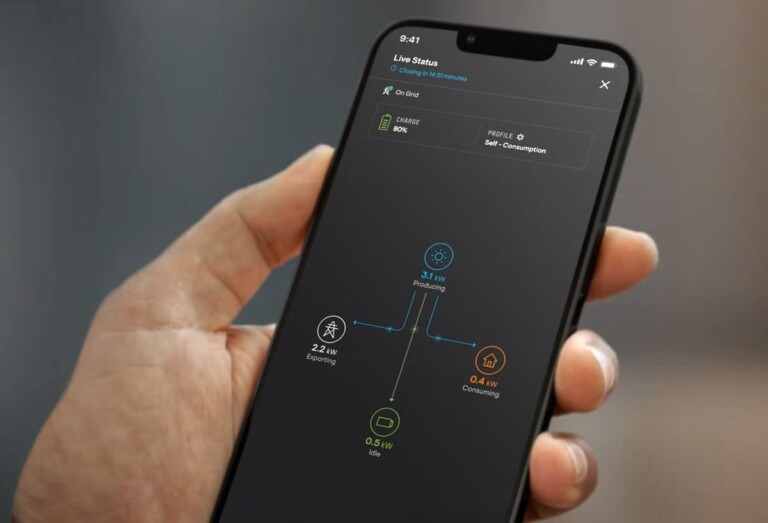
Will solar panels keep my power on during a winter outage?
Not on their own. A grid-tied solar system shuts off when the grid goes down, so line workers stay safe. A gas furnace still needs electricity for its blower, so a long winter outage can leave a home without heat.
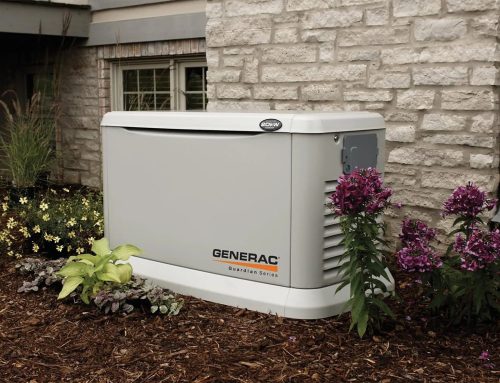
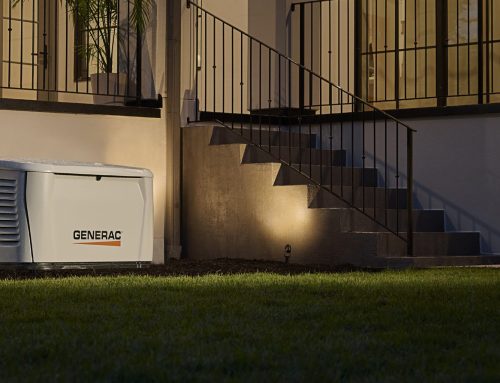
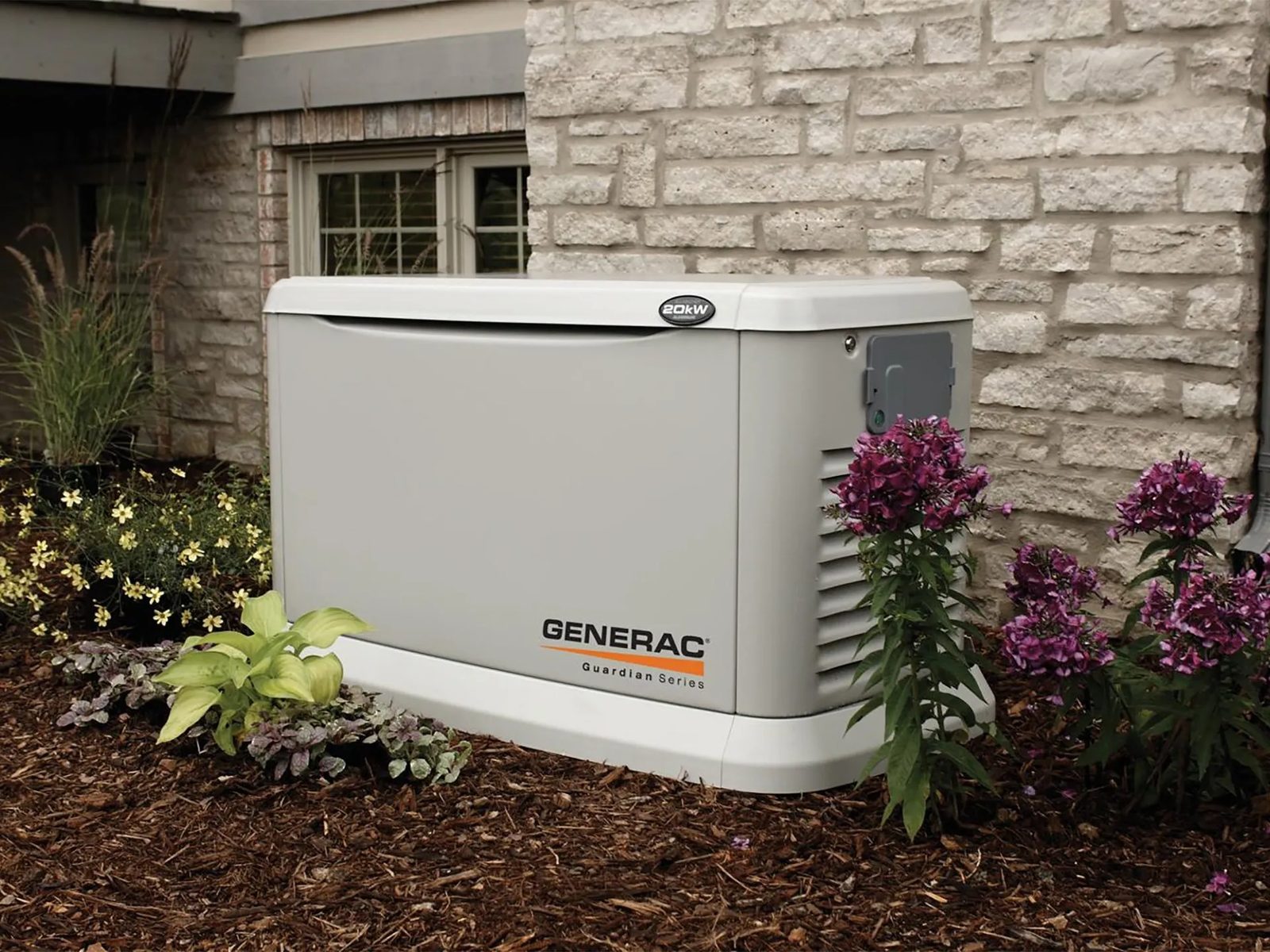
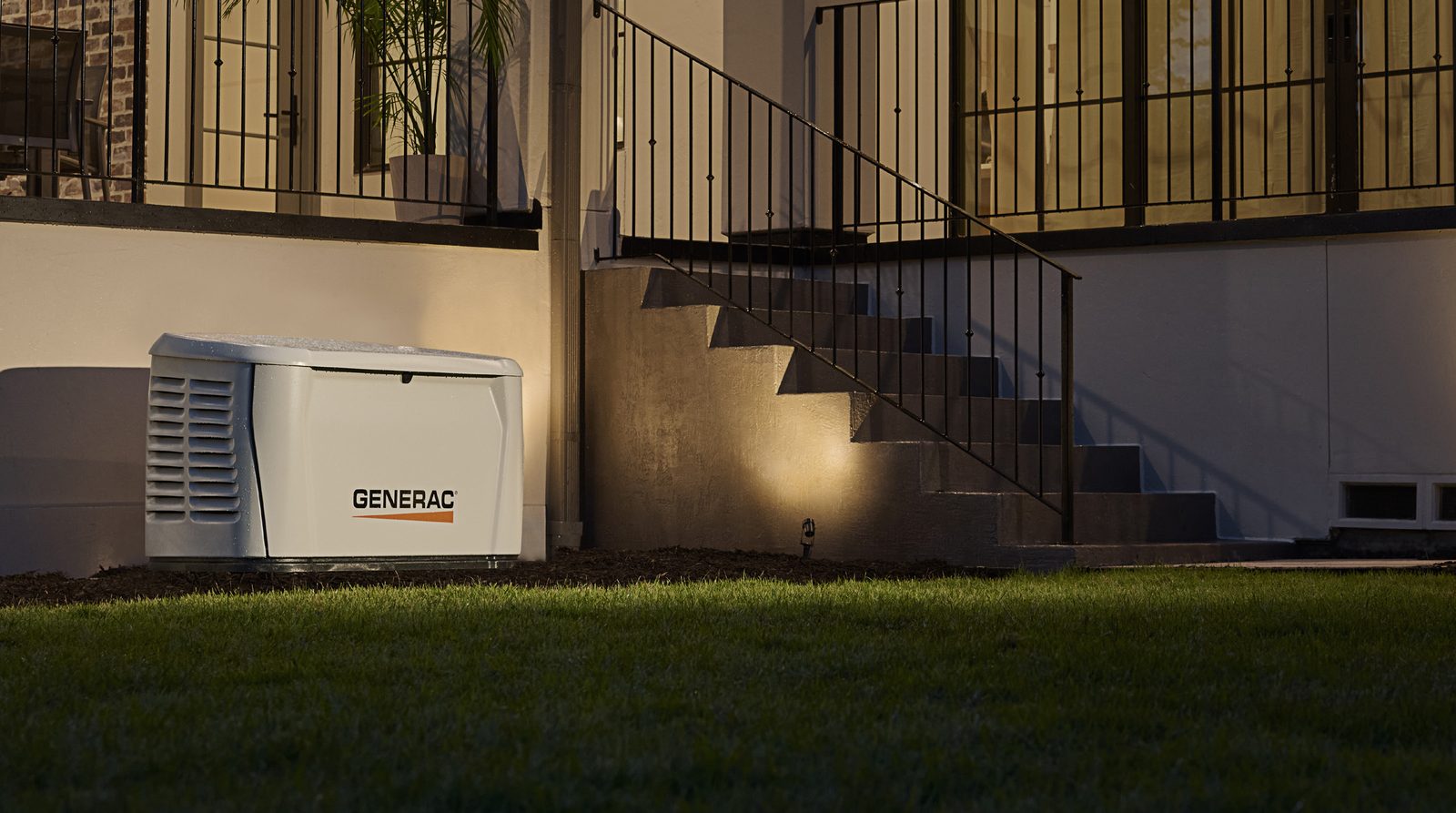
To keep the furnace, well pump and fridge running, you need home battery backup or a whole house generator. A battery stores solar power and needs no fuel. A standby generator runs on natural gas or propane for days. Some homes use both: the battery covers short outages and the generator covers long ones.
Key Takeaways: Do Not Worry About Producing Less Power In The Winter
Winter output drops mostly because of short days, not snow or cold. In our Minnesota data, December through February made about 10% of the year’s power, and those numbers already include last winter’s snow.
Plan around the whole year. We size every system from 12 months of your electric bills, so the low winter months are already counted. Try our free solar calculator for a first estimate, or see solar panel cost in Minnesota.
Leave the snow alone unless you can clear it safely from the ground.
FAQs
Will Solar Panels Still Work With Snow On Them?
Yes, once light reaches them. A panel under a thick layer of snow makes little or no power. A light dusting lets some light through, and any panel that is clear keeps working. As the snow melts or slides off, production comes back.
How Much Snow Weight Can Solar Panels Hold?
Panels are tested under the IEC 61215 standard to hold at least 2,400 pascals, about 50 pounds per square foot, and many are rated to 5,400 pascals, about 113 pounds per square foot. Your panel’s spec sheet lists its rating. Installers space the racking and roof attachments for the design snow load where you live. See Midwest snow loads and solar.
Should I Remove Snow From Solar Panels?
Usually no. Let it slide and melt off. If you want to clear it, do it from the ground with a soft foam roof rake, never from the roof and never with metal tools.
Does Snow Cover Damage Your Solar Installations?
In most cases, no. Snow that builds up on solar panels will not cause permanent damage. It only lowers output while it covers the panels. Damage usually comes from scraping, metal tools or chipping ice.
How Do You Clean Snow Off Solar Panels?
It is best to let the snow melt naturally. Trying to remove heavy snow can damage the panels and is risky on a roof. From the ground, you can gently pull loose snow down with a soft foam roof rake, taking care not to scratch the glass.
Do Solar Panels Melt Snow?
Not on purpose, since panels have no heaters. But the dark glass absorbs sunlight, and light passing through thin snow warms the panel. The snow next to the glass melts first, and the rest slides off. That is why panels often clear before the rest of the roof.
Do Solar Panels Work In Cold Weather?
Yes. Cold does not lower output, and panels convert light a little more efficiently when they are cold. Winter output is lower because the days are short and the sun is low.
Do Solar Panels Work During A Winter Power Outage?
Not without backup. A grid-tied system shuts off in an outage. A home battery or a standby generator keeps your power on. Call (763) 229-6662 or get a free quote.
Sources: Wolf River Electric systems monitored through Enphase (1,456 Minnesota, 202 Wisconsin and 41 Iowa systems, October 2025 to September 2026); U.S. EIA Electric Power Monthly (Minnesota residential average, January to August 2026); IEC 61215 solar module test standard.
Free quote
See what solar and backup power can save you
Get a custom design and savings estimate from Wolf River Electric. No cost, no obligation.