Do Solar Panels Work in Minnesota Winters? Debunking Common Cold-Weather Myths
Wolf River Electric installs solar panels, batteries and generators as a local solar company in Minnesota. Get a free quote.
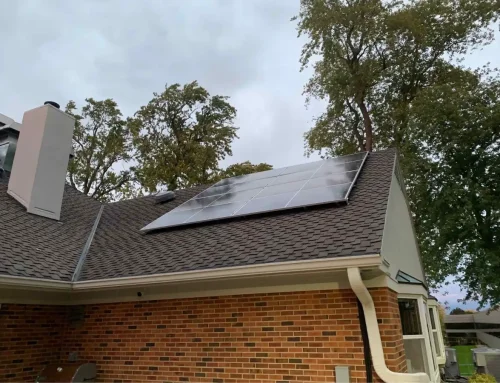
Solar panels in winter can still generate electricity in Minnesota—even in freezing temperatures. While snow cover and shorter days reduce seasonal output, cold weather can improve panel efficiency.
As November arrives in the Upper Midwest, homeowners across Minnesota and Wisconsin begin making seasonal preparations. Homeowners draw thermal window coverings, drain outdoor spigots, and switch on heating systems for the long months ahead. For those evaluating renewable energy options before year-end, this time of year often brings up a pressing question: is it actually worth installing solar panels in winter Minnesota weather conditions?
It is easy to assume that heavy snowfall, overcast skies, and shorter daylight hours render rooftop solar arrays ineffective during northern winters. However, the underlying physics of solar technology often surprises property owners.
When you examine how solar technology interacts with cold-climate weather patterns, it becomes clear why installing solar panels in winter Minnesota households remains a smart, highly profitable investment year after year.
Myth 1: Solar Panels Do Not Produce Electricity in Sub-Zero Temperatures
One of the most persistent misconceptions is that solar panels require warm weather or ambient heat to generate power. In reality, photovoltaic (PV) solar panels absorb light, not thermal heat, to generate electricity.
Photovoltaic technology converts sunlight into direct current power by moving electrons. Electronic components conduct power more efficiently at lower ambient temperatures. Extreme summer heat increases electrical resistance in solar cells and wiring, slightly reducing overall conversion efficiency. When temperatures drop in November, electrical conductivity improves. On a crisp, sunny November day in Minnesota, your rooftop solar array operates at peak electrical efficiency.
Myth 2: Snow Accumulation Completely Blocks Solar Generation
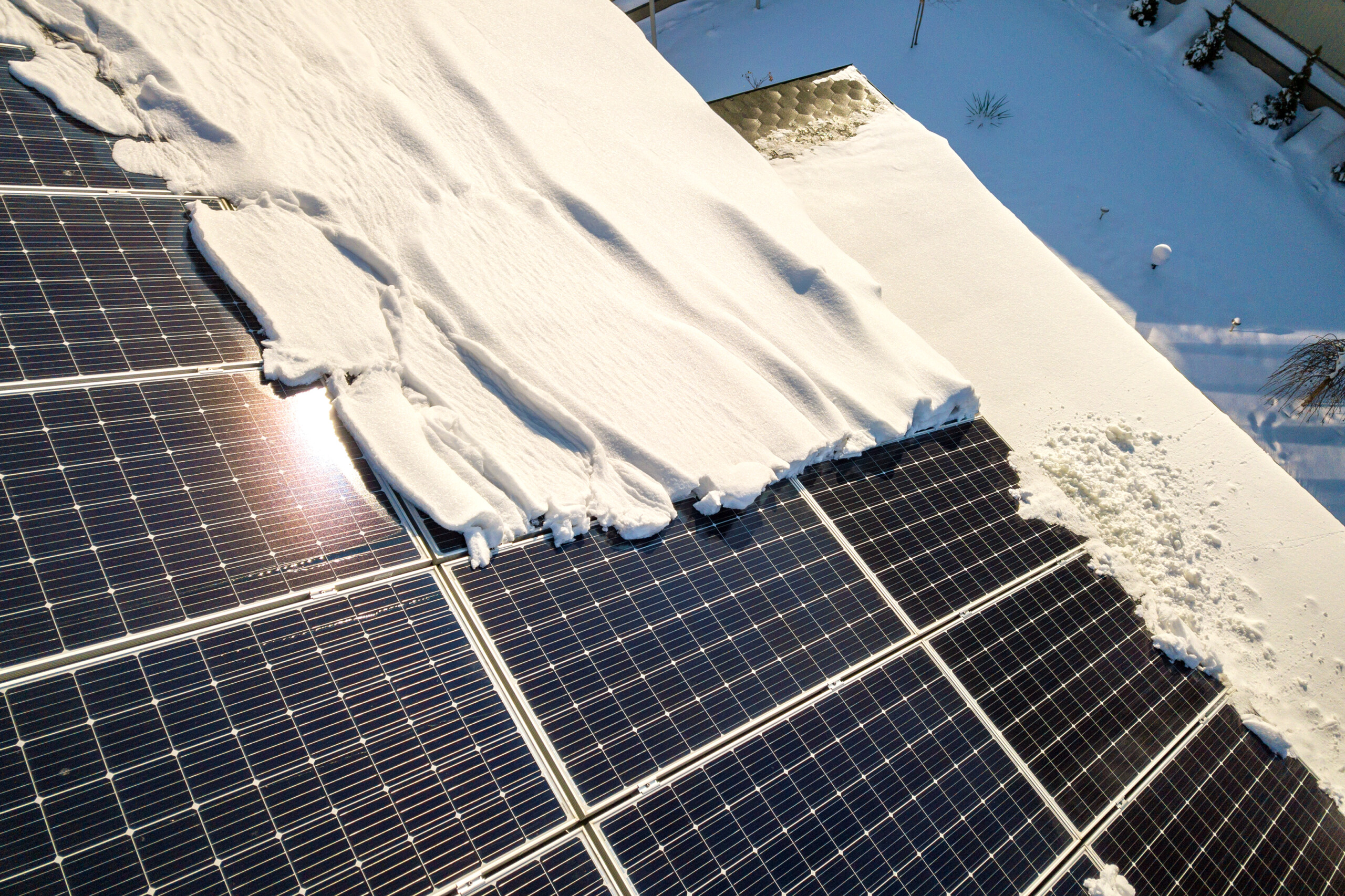
While a heavy layer of fresh snow will temporarily cover solar modules, snow rarely halts energy production for long. Modern solar panels are specifically engineered to withstand and adapt to harsh northern winter conditions.
Several design factors help rooftop arrays clear snow quickly:
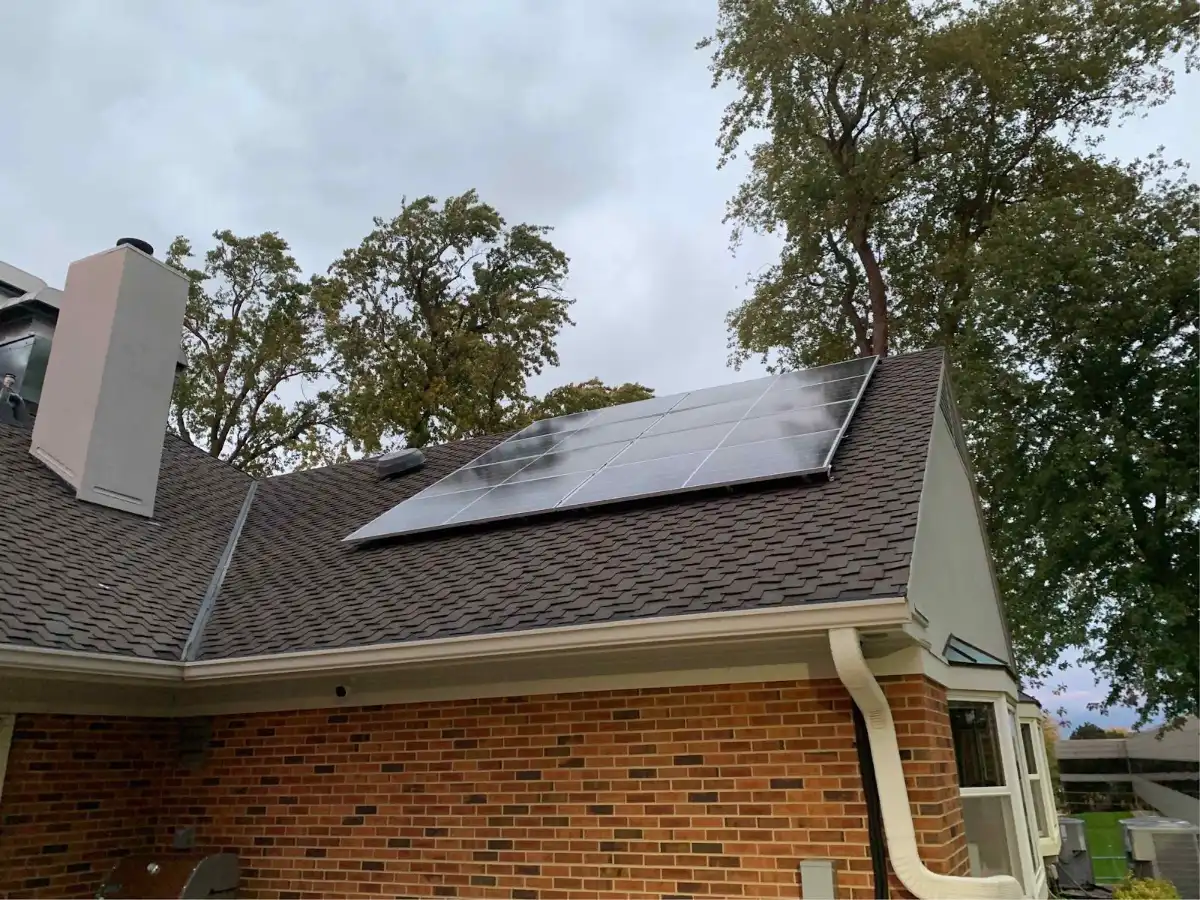
- Optimal Installation Pitch: Solar arrays installed across Minnesota are mounted at an angled tilt optimized to capture low winter sun angles. This slope naturally encourages snow sheets to slide off as soon as adhesion breaks down.
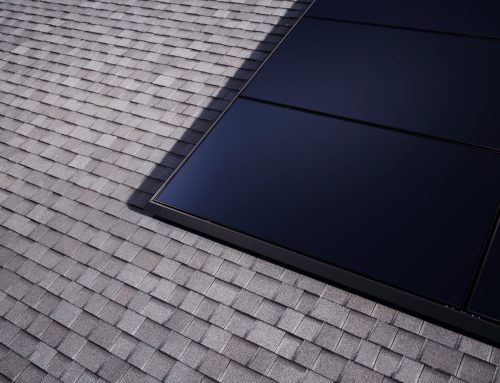
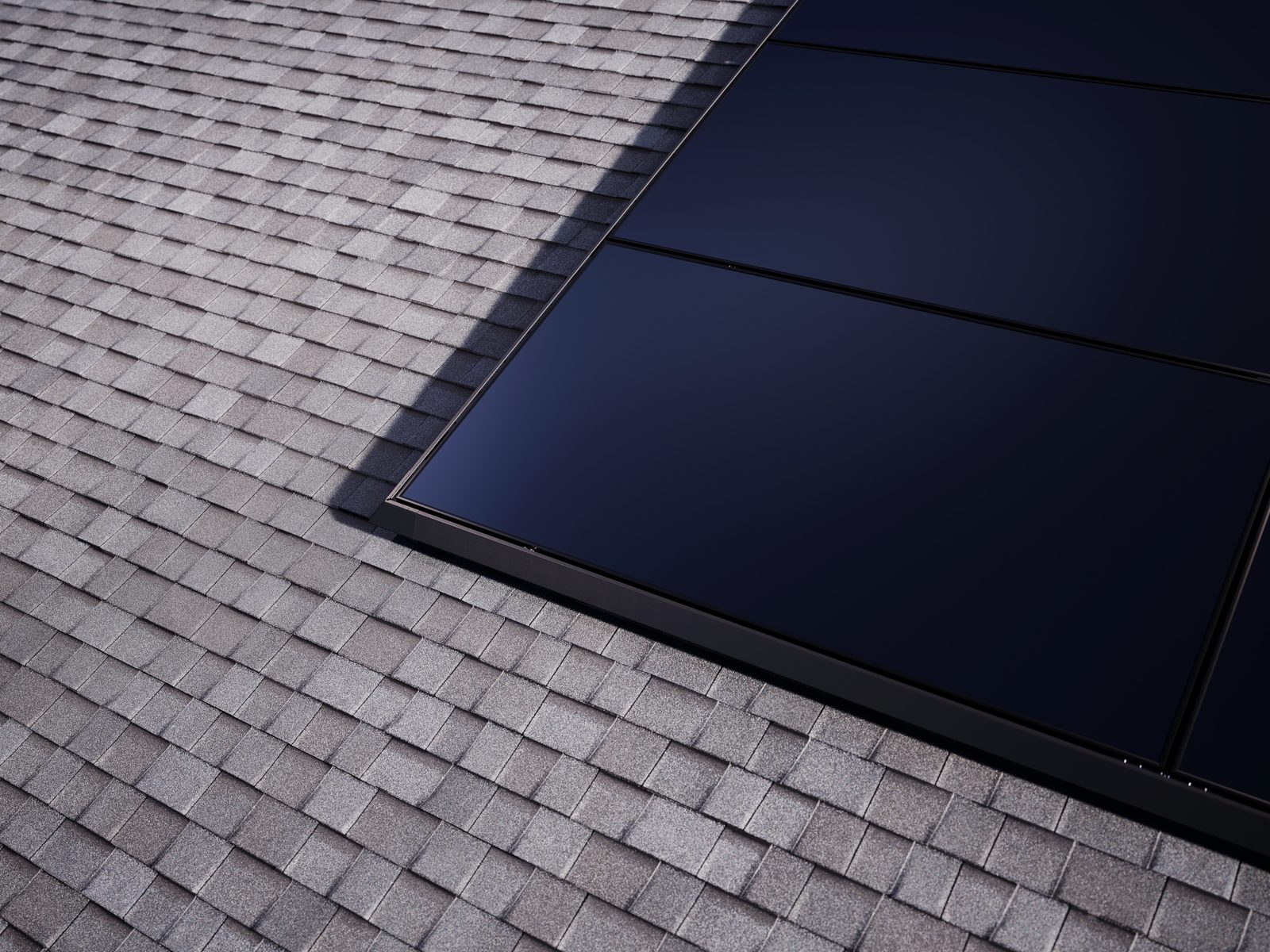
- Dark Silicon Heat Absorption: Solar cells feature dark blue or black anti-reflective coatings designed to absorb light spectra. Even on overcast days, dark panel surfaces absorb solar radiation and warm up, creating a microscopic thermal layer between the glass and snow that causes accumulation to slide off smoothly.
- Sleek, Frameless Hardware: High-quality panel manufacturing minimizes outer ridges where ice or slush can catch and freeze.
Additionally, light snowpack around your property works in your favor through a physical phenomenon known as the albedo effect. Sunlight reflects off white snow on your lawn or adjacent roof planes directly back onto your solar modules, giving them an extra boost of indirect light energy.
Maximizing Annual Savings with Net Metering
Solar energy production naturally follows a seasonal curve, peaking during the long, sunny days of late spring and summer, then tapering during late autumn and winter. This seasonal variation is precisely why grid-tied residential solar relies on net metering.
In Minnesota, Wisconsin, and surrounding states, net metering policies allow your home to stay connected to the regional utility grid. During long summer days, your system generates excess electricity that flows back to the utility grid, earning you energy credits on your utility account. When November arrives and daylight hours shrink, your home automatically draws upon those accumulated summer credits to offset your winter utility bills.
Over a full 12-month calendar cycle, a custom-designed solar system offsets your annualized energy expenses—no matter how many inches of snow fall in January.
Partnering with a Midwest Solar Specialist
Designing a high-performing solar array that withstands heavy snow loads, ice dams, and sub-zero temperatures requires local engineering expertise. Racking calculations, structural roof load ratings, and inverter selections must account for extreme Midwestern climate swings.
Headquartered in Isanti, Minnesota, Wolf River Electric brings years of hands-on experience designing and installing solar solutions tailored specifically to Upper Midwest weather patterns. Backed by our industry-leading 25-year full-system warranty, our certified installation teams handle every phase of the process—from initial site evaluation and structural permitting to utility interconnection and local incentive paperwork.
Don’t let cold weather myths keep you from taking control of your energy bills. Contact Wolf River Electric today to receive a free, customized solar evaluation and see how much you can save year-round!
Free quote
See what solar and backup power can save you
Get a custom design and savings estimate from Wolf River Electric. No cost, no obligation.