Updated October 2026 by Wolf River Electric, a Minnesota solar, battery and generator company headquartered in Isanti.
How often does the power go out in Minnesota?
About once a year for the average home. EIA data for 2025 shows Minnesota customers averaged 1.2 outages and about 3 hours without power for the year, including major storm days. That is less than the U.S. average of about 4.4 hours. Wisconsin and Iowa land in the same range.
| State | Hours without power per customer, 2025 | Outages per customer, 2025 | Hours without power per customer, 2024 |
|---|---|---|---|
| Minnesota | 3.0 | 1.2 | 3.7 |
| Wisconsin | 3.8 | 0.9 | 4.4 |
| Iowa | 2.5 | 1.0 | 2.8 |
| U.S. average | 4.4 | 1.3 | 10.2 |
Averages hide the bad days. After a big storm, most homes get power back within hours, but some wait a day or more while crews clear trees and replace poles. The 2024 U.S. figure is high because of that year’s hurricanes.
What have Minnesota’s biggest power outages been like?
- June 2013 storms. Thunderstorms on June 21 and 22, 2013 left more than half a million Xcel Energy customers without power. Xcel called it the largest outage in company history.
- February 2026, North Shore. Heavy, wet snow and gusts near 60 mph broke poles and dropped trees on lines. Minnesota Power reported outages affecting about 6,500 customers overnight on February 17 to 18, and Lake Country Power had no restoration time that morning.
- March 2026, Twin Cities. Strong winds left more than 19,000 Xcel Energy customers without power on March 13, ahead of a blizzard that weekend. The governor authorized the National Guard to help with the storm.
Summer storms usually knock out the most homes. Winter outages are often smaller, but they are harder to sit through, because the house starts losing heat as soon as the power goes out.
Why is a winter power outage worse?
- The furnace stops. Most gas and propane furnaces need electricity for the blower, igniter and controls. No power usually means no heat.
- Pipes can freeze. As the house cools, water lines on outside walls and in crawl spaces freeze first.
- No water on a well. A well pump needs power, so rural homes lose running water too.
- Sump pumps quit. A thaw or spring melt during an outage can flood a basement.
- Solar panels go quiet. Grid-tied solar shuts off when the grid goes down, to keep line crews safe. Only a battery lets your panels keep running your home.
Can solar panels power my home during a winter outage?
Only with a battery, and even then winter limits how much the panels can refill it. Here is what real panels made across 1,456 Wolf River Electric systems in Minnesota from October 2025 to September 2026.
| Month | Average kWh per panel for the month | 25-panel system, kWh per day |
|---|---|---|
| November | 17.1 | about 14 |
| December | 5.4 | about 4 |
| January | 14.1 | about 11 |
| February | 23.1 | about 21 |
| May (for comparison) | 56.3 | about 45 |
In December, a typical 25-panel system makes about 4 kWh a day. That is about a third of what one Tesla Powerwall 3 holds (13.5 kWh). Snow on the panels can cut it to zero for a few days. So a battery works best for short outages and for the loads that matter most, and many homes that see long outages pair it with a generator.
Averages of real production from Wolf River Electric customers’ systems.
How do you keep the power on in a Minnesota winter outage?
There are four common setups. Prices are Wolf River Electric’s typical installed prices as of October 2026.
| Option | How it works | Typical price |
|---|---|---|
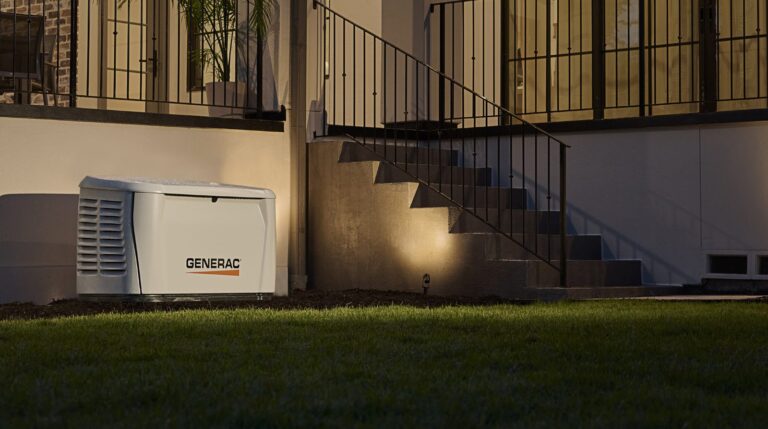
| Standby generator (Generac) | Starts on its own when the power goes out and runs on natural gas or propane for as long as the fuel lasts. Can run the whole house, including the furnace and well pump. | About $13,500 to $17,700 installed for 14 to 26 kW, with the pad, transfer switch and permit. The gas or propane hookup and sales tax are extra. |
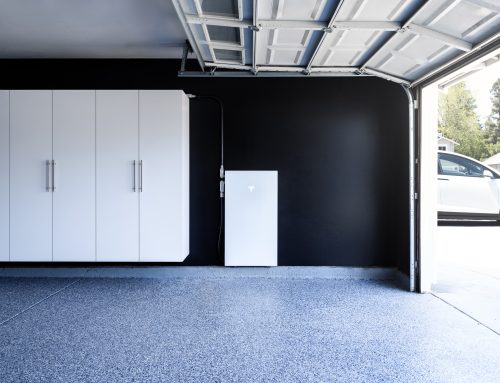
| Home battery | Switches on by itself, with no noise and no fuel. Runs the essential circuits, like the furnace fan, fridge, well or sump pump, lights and internet. Recharges from solar. | About $11,800 to $22,000 for a single whole-home battery. The low end is with a prepaid lease plus our 10% discount, the high end is buying outright. |
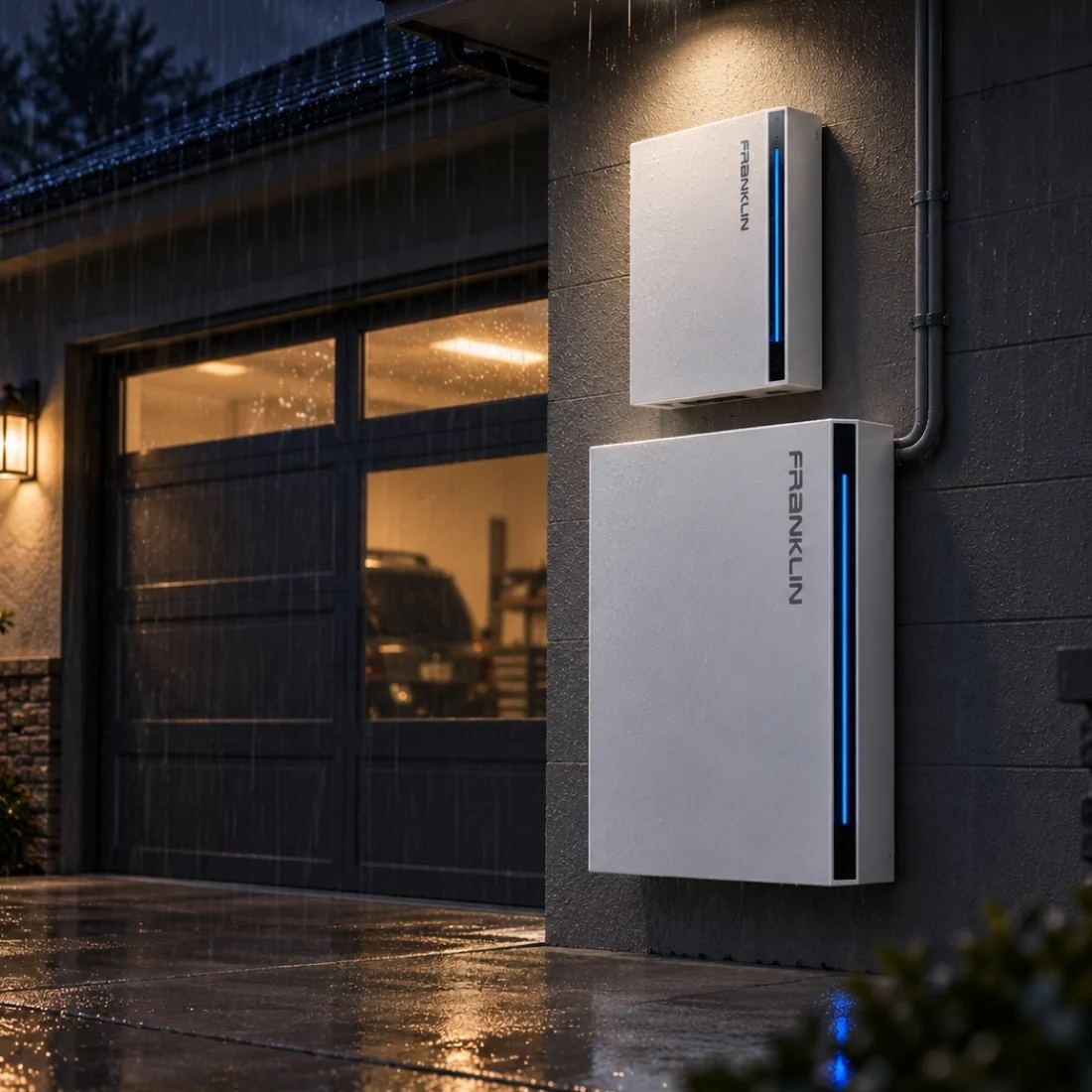
| Battery plus generator | The battery covers short outages. The generator takes over in a long one. Some systems, like FranklinWH, are built to work with a generator. | About $2,000 to connect an existing standby generator to a battery system, if the generator is compatible. |
| Portable generator with an inlet | You set the generator up outside, plug it into an inlet on the house and switch circuits over by hand. | About $2,000 for the inlet and manual transfer switch. The generator is not included. |
Battery rebates can lower the cost. In Minnesota, Xcel Energy pays $175 per kWh, up to $5,000, for a battery paired with solar. Customers of other utilities can get $250 per kWh, up to $7,000, through the state program while funds last. See home battery backup for the batteries we install, or standby generators for Generac sizes.
Is a generator or a battery better for a Minnesota winter?
For long winter outages, a standby generator is the surer choice. It can run the furnace, well pump and the rest of the house for days, as long as the fuel lasts. A battery is silent, needs no fuel and stores your solar power every day, but in December it may not refill much from the panels. If outages where you live last a day or more, or you rely on a well, start with a generator or pair one with a battery. Our guides on what size generator you need and whole house generator cost walk through sizing and price.
What should you do when the power goes out in winter?
- Report the outage to your utility through its app, website or outage line.
- Stay away from downed lines and anything touching them. Call 911 or your utility.
- Keep the fridge and freezer closed as much as you can.
- Close off rooms you are not using and keep everyone in one warm room.
- Run a portable generator only outdoors, at least 20 feet from the house, with the exhaust pointed away from doors, windows and vents. Never run one in the house or garage, even with the door open.
- Keep battery-operated carbon monoxide alarms outside sleeping areas and on every floor, and test them monthly.
Minnesota power outage questions
How long do power outages last in Minnesota?
Most are short. In 2025 the average Minnesota customer was without power for about 3 hours over the whole year, including major storms (U.S. EIA). After a big storm, some homes wait a day or more.
Will my furnace work during a power outage?
Usually not. Most gas and propane furnaces need electricity for the blower, igniter and controls. A standby generator, or a home battery that backs up the furnace circuit, keeps the heat on.
Do solar panels work during a power outage?
Not on their own. Grid-tied solar shuts off when the grid goes down. With a home battery, your panels keep powering your home and refill the battery during the day.
How much does a whole-house generator cost in Minnesota?
Most Generac standby generators we install run about $13,500 to $17,700 for 14 to 26 kW, as of October 2026, including the pad, transfer switch and permit. Your gas or propane supplier bills the fuel hookup separately.
Want backup power before the next storm? Get a free quote for a generator, a battery or both.
Sources: U.S. Energy Information Administration, Electric Power Annual Table 11.3 (reliability including major event days, 2025 and 2024); Minnesota DNR State Climatology Office (June 2013 storms); KAXE (February 18, 2026); CBS Minnesota (March 13, 2026); U.S. Consumer Product Safety Commission generator safety guide; Wolf River Electric Enphase production data (1,456 Minnesota systems, October 2025 to September 2026) and price list (October 2026).
Free quote
See what solar and backup power can save you
Get a custom design and savings estimate from Wolf River Electric. No cost, no obligation.