Updated November 23, 2026 by Wolf River Electric.
Ready for the next step? Learn about home battery backup from Wolf River Electric, or get a free quote.
What being ready for 90 days really means
This is not a prediction that the power will go out for three months. We cover where that rumor came from in Is a 90-day blackout coming? Ninety days is simply a useful planning window: about one season. If your home can handle a season of whatever the weather and the grid bring, it can handle almost anything.
In practice that comes down to three questions. Will your heat, sump pump and well pump keep running in an outage? How long can you stay covered without anyone refueling or resetting anything? And how much of your power do you make yourself, so rising rates matter less?
Why Midwest homes are planning ahead
Storms are getting longer and wider. The June 10 to 15, 2026 thunderstorms left nearly 2 million Midwest customers without power, with peaks of about 304,000 in Illinois, 99,000 in Wisconsin, 73,000 in Minnesota and 21,000 in Iowa. Some Illinois homes waited 3 to 5 days for power to return (PowerOutage.us). Cedar Rapids families still remember the 2020 derecho, and Sioux Falls the 2022 one.
The regional grid is getting tighter. In its latest long-term assessment, the North American Electric Reliability Corporation rated the risk of supply shortfalls in MISO, the grid that serves most of our states, as normal in 2026, elevated in 2027 and high beginning in winter 2028. It expects about 18 GW of new data center demand in the region by 2035 (POWER Magazine). In Wisconsin alone, planned data centers would need more than 4,500 MW, and the reserve margin could shrink to about 5% by 2030 (GazetteXtra).
Electricity keeps costing more. The U.S. Energy Information Administration expects the average residential price to rise from 17.3 cents per kWh in 2025 to about 18.2 cents in 2026 and 18.7 cents in 2027 (EIA Short-Term Energy Outlook). Every kWh your roof makes is one you do not buy at those rates.
Can any home system run for 90 days?
Here is the honest answer for a Midwest home, season by season.
| Setup | Summer outage | Winter outage | Good for 90 days? |
|---|---|---|---|
| Solar only | Shuts off with the grid for safety | Shuts off with the grid | No backup, but cuts your bills every month |
| Solar plus a home battery | Recharges every sunny day and keeps essentials running | Solar makes a fraction of its summer output, and panels can be under snow | Covers short outages and most summer outages, not a full winter |
| Standby generator on natural gas | Runs as long as the gas flows | Runs as long as the gas flows | Yes, with oil checks on Generac’s schedule |
| Standby generator on propane | Runs until the tank needs a refill | Same, and the tank must be big enough for cold weather | Yes, with refills; a 500 gallon tank runs most 18 to 22 kW units about 5 to 7 days at half load |
| Solar, battery and generator together | Battery and solar carry the home quietly | Battery covers short outages, the generator takes over in long cold ones | The most complete setup for a full season |
Why not batteries alone in winter? Grid planners make the same point about the whole grid: solar output is close to zero at the winter evening peak, and batteries may not fully recharge during a multi-day cold snap. A home battery is excellent for the outages most Midwest homes see, which last hours to a few days. For a long January outage, a generator is what keeps the furnace running.
Four ways to get there, with our prices
| Path | Best for | Installed price | Size it |
|---|---|---|---|
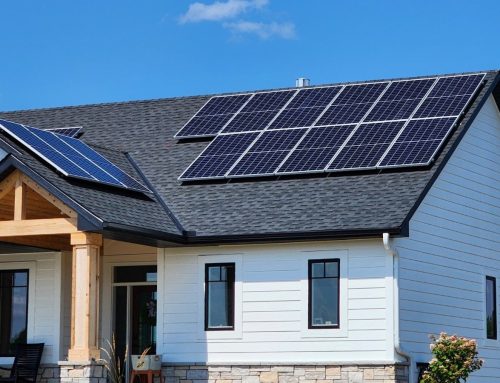
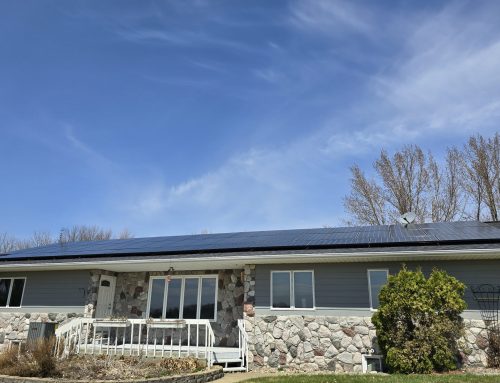
| Solar | Lower bills and protection from rate increases | See our Minnesota, Wisconsin and Iowa cost guides | Solar calculator |
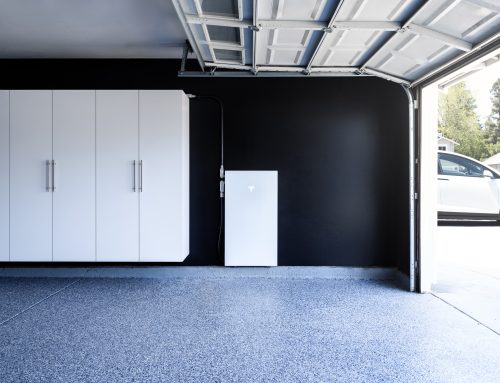
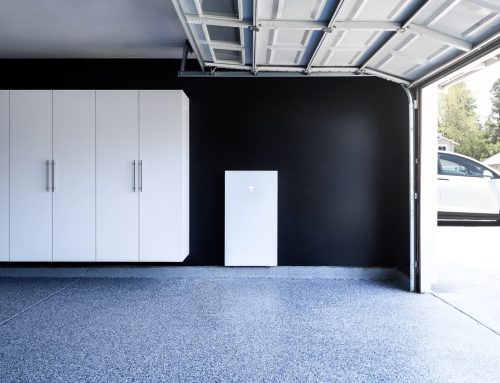
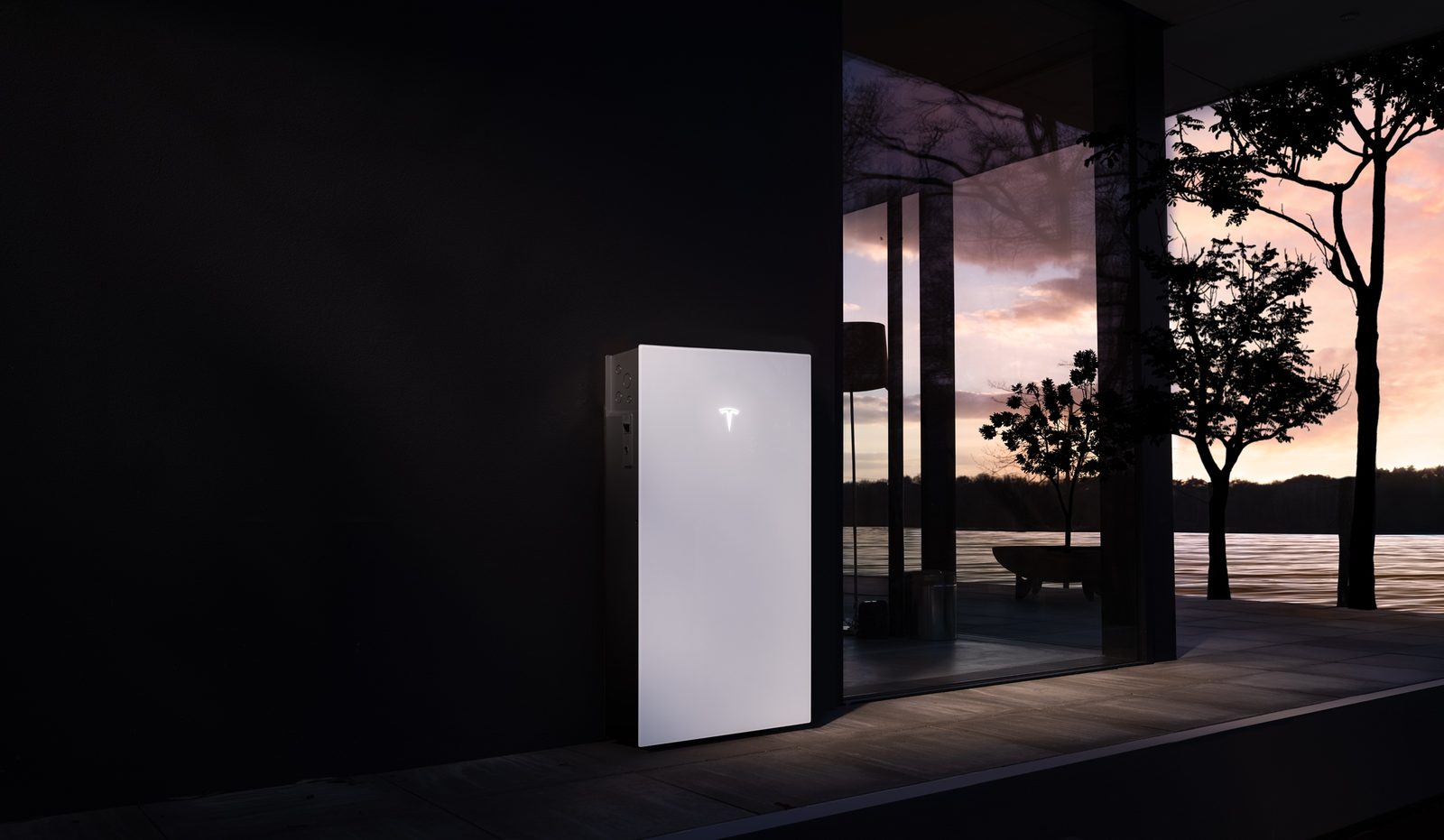
| Home battery | Quiet, automatic backup that switches over in a split second | About $11,800 to $22,000 for one whole-home battery | Battery calculator |
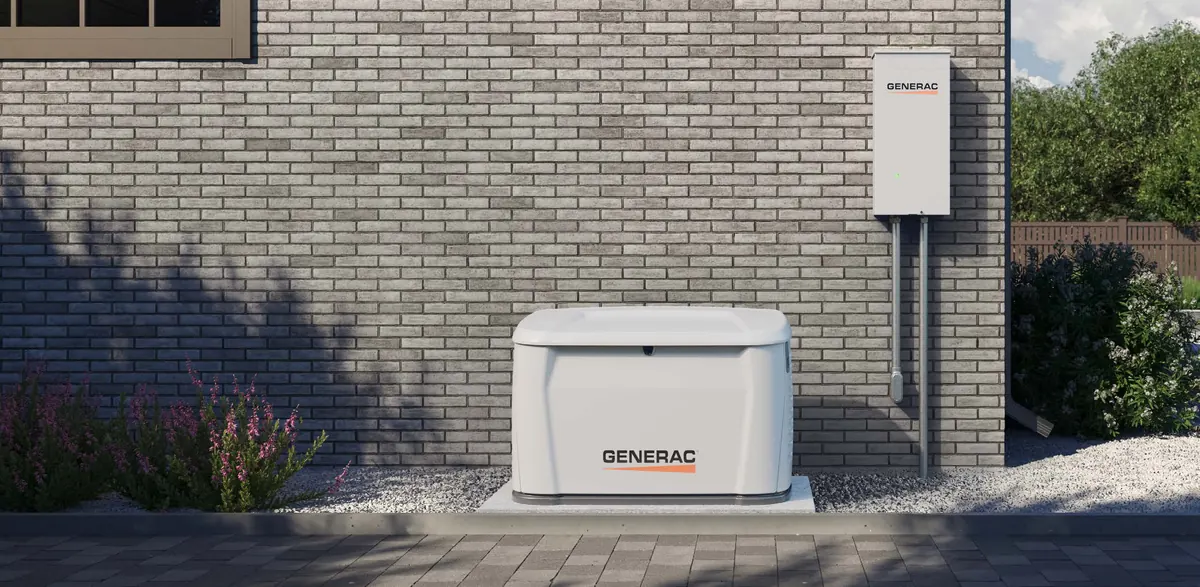
| Standby generator | Long outages, electric heat, wells and big homes | About $13,500 to $17,700 for a 14 to 26 kW Generac | Generator calculator |
| Battery plus your existing generator | Homes that already have a standby generator | About $2,000 to connect them, depending on the generator | Ask during your free consultation |
On a budget? A 240-volt inlet and manual transfer switch for a portable generator runs about $2,000 and keeps your furnace, fridge and sump pump going if you are home to start and refuel it.
Which path fits your home
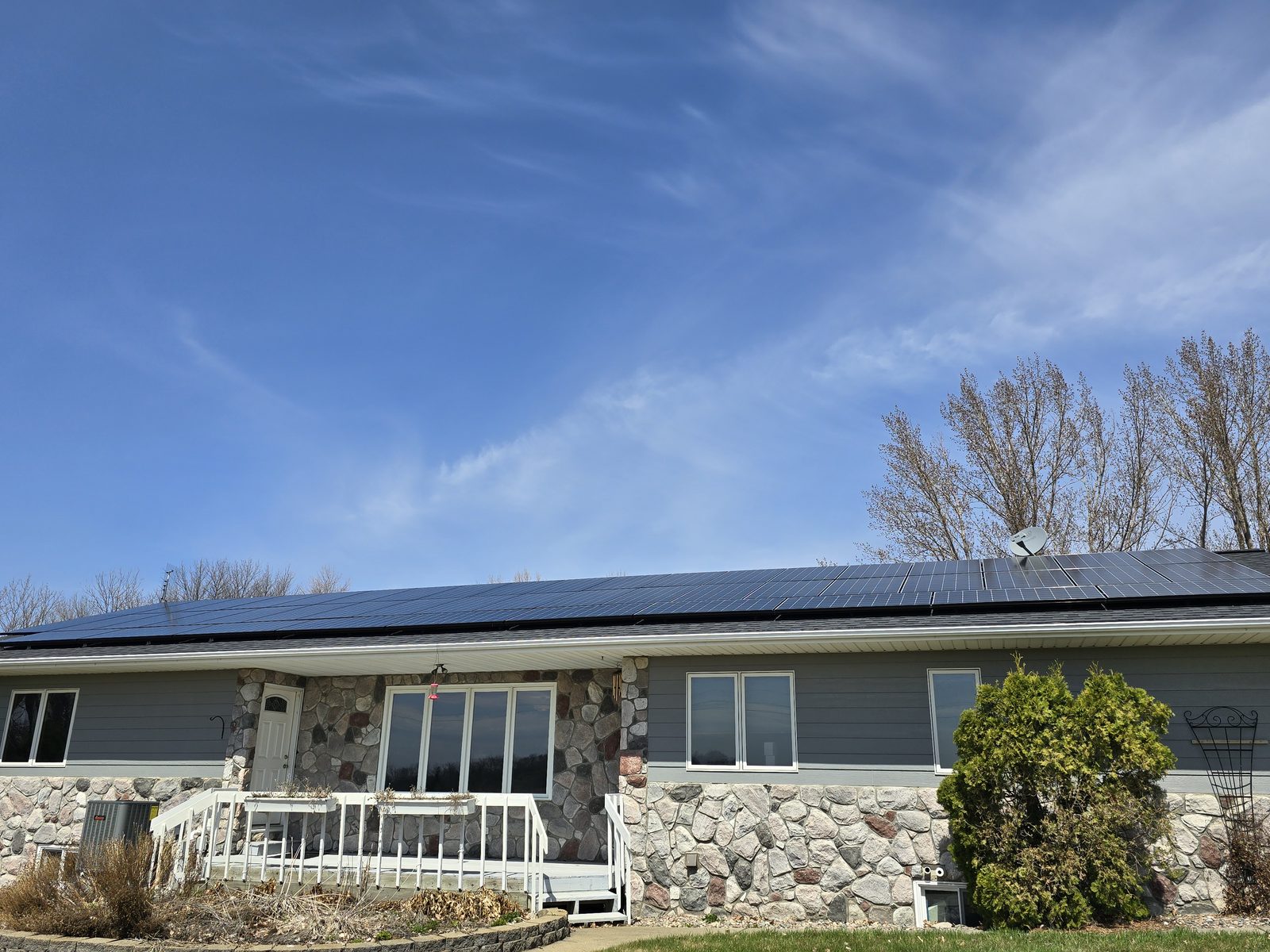
- You mainly want lower bills: start with solar, and add backup later.
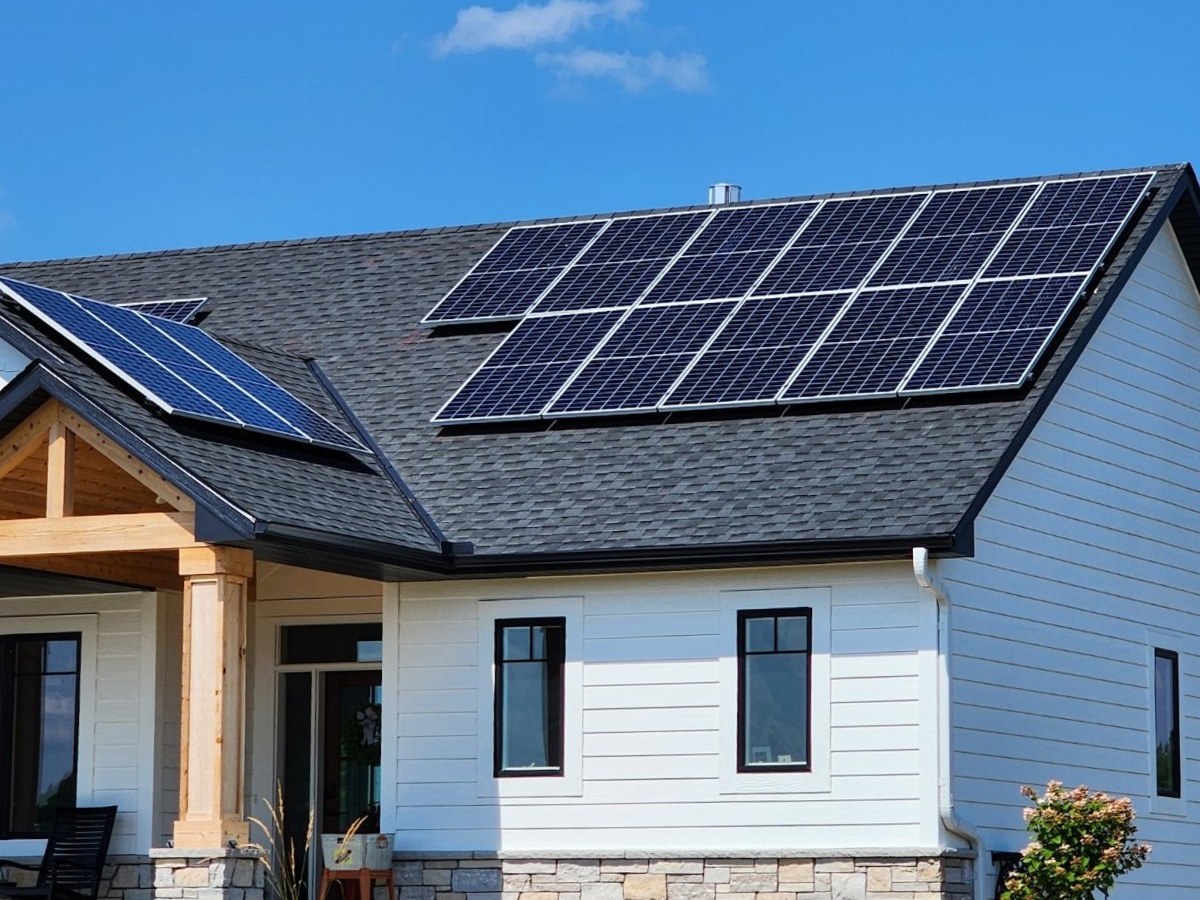
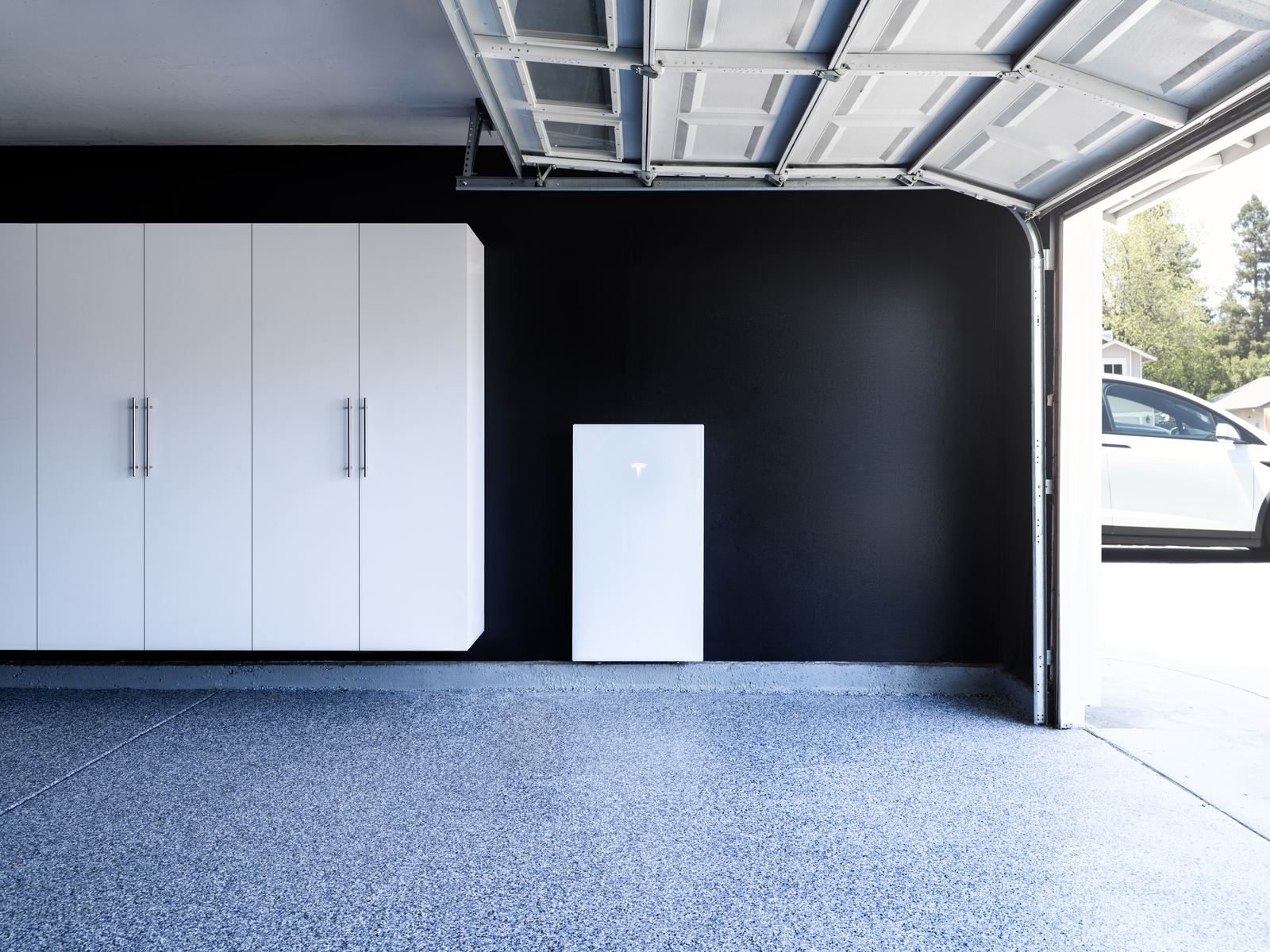
- You want quiet backup for storms: solar plus a home battery like a Tesla Powerwall 3 or Enphase.
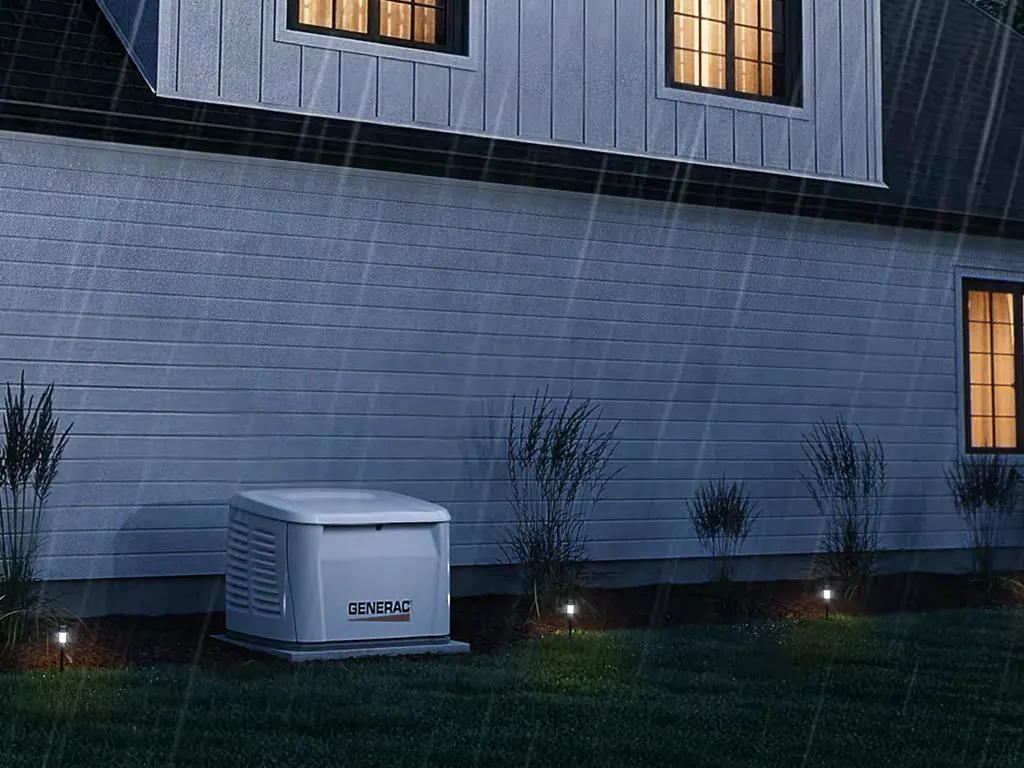
- You have electric heat, a well, or long rural outages: a Generac standby generator, on natural gas or propane (compare the two).
- You want to be covered no matter what: solar, a battery and a generator together. The battery handles everyday outages silently, and the generator only runs when a long one drags on.
Build your 90-day plan in three steps
- Size the generator. Our generator size calculator uses the same electrical code method an electrician uses and shows the size and installed price for your home.
- Size the battery. The battery backup calculator shows how many kWh you need for the outage length and season you choose, with or without solar.
- Book a free consultation. We put the pieces together into one plan and one installed price. Book yours here or call (763) 229-6662.
Household basics for any long outage
Backup power is the big piece, but keep the basics ready too: water, food and medicine for at least a few days, a way to charge phones, and a plan for pets and family members who depend on medical equipment. Ready.gov has a good checklist, and our guide on how to prepare for a power outage walks through it for Midwest homes.
Questions about long outage backup
Does solar work during a power outage?
Not on its own. A standard grid-tied solar system shuts off when the grid goes down so it cannot send power onto lines crews are working on. A home battery or a standby generator lets your home keep running.
How long can a home battery run in a Midwest winter?
It depends on the battery size and what you power. One 13.5 kWh Powerwall 3 runs essentials like a gas furnace fan, refrigerator, sump pump, internet and lights for about a day. Solar helps much less in winter, so plan on a generator for multi-day winter outages.
Can a standby generator really run for weeks?
On natural gas, yes, as long as the gas supply keeps flowing and the oil is checked on Generac’s schedule during a long run. On propane, it runs until the tank needs a refill, so size the tank for the outage you are planning for.
Do I have to do anything when the power goes out?
No. Home batteries and standby generators both switch on automatically and switch back when grid power returns.
Get your 90-day backup plan
You do not need to predict the next storm to be ready for it. Wolf River Electric designs and installs solar, home batteries and Generac standby generators across Minnesota, Wisconsin, Iowa, Illinois, North Dakota and South Dakota with our own licensed electricians. Book a free consultation and we will build a backup plan that fits your home and budget.
Free quote
See what solar and backup power can save you
Get a custom design and savings estimate from Wolf River Electric. No cost, no obligation.