How much battery backup do I need?
Answer five quick questions and see how many kWh of battery storage your home needs, how long it will run, and what it costs with the batteries we install: Tesla Powerwall 3, Enphase, FranklinWH, EG4 and Generac PWRcell 2.
- Sizes for Midwest winters and summer storms
- Checks power and motor starting, not just kWh
- Counts solar recharge during long outages
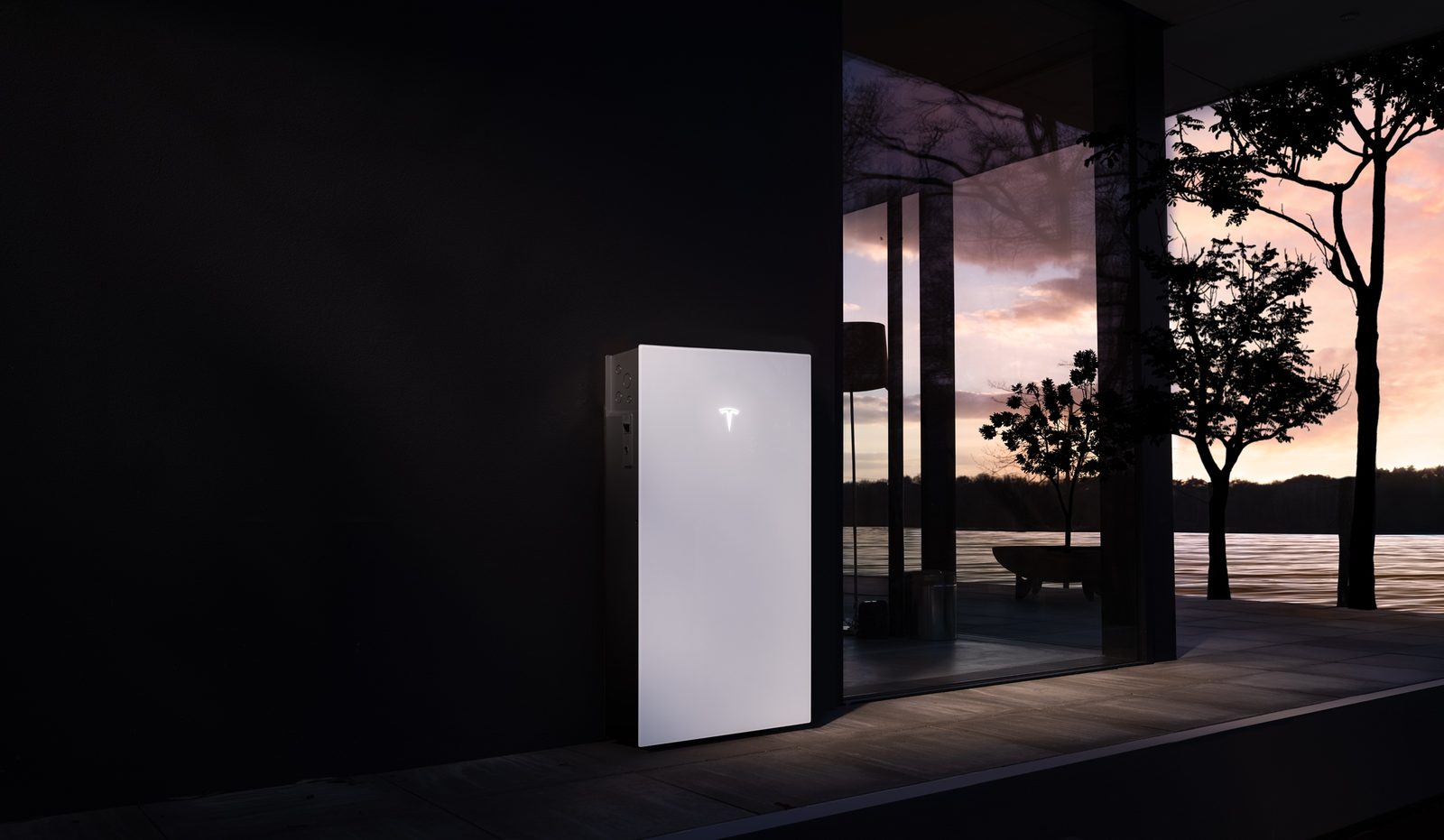
How the calculator sizes your battery
A home battery has two limits: how much energy it stores (kWh) and how much power it delivers at once (kW). The right system covers both for the outage you are planning for.
We start from typical outage-day use for each appliance you choose, then add the lights, outlets, internet and electronics every home runs.
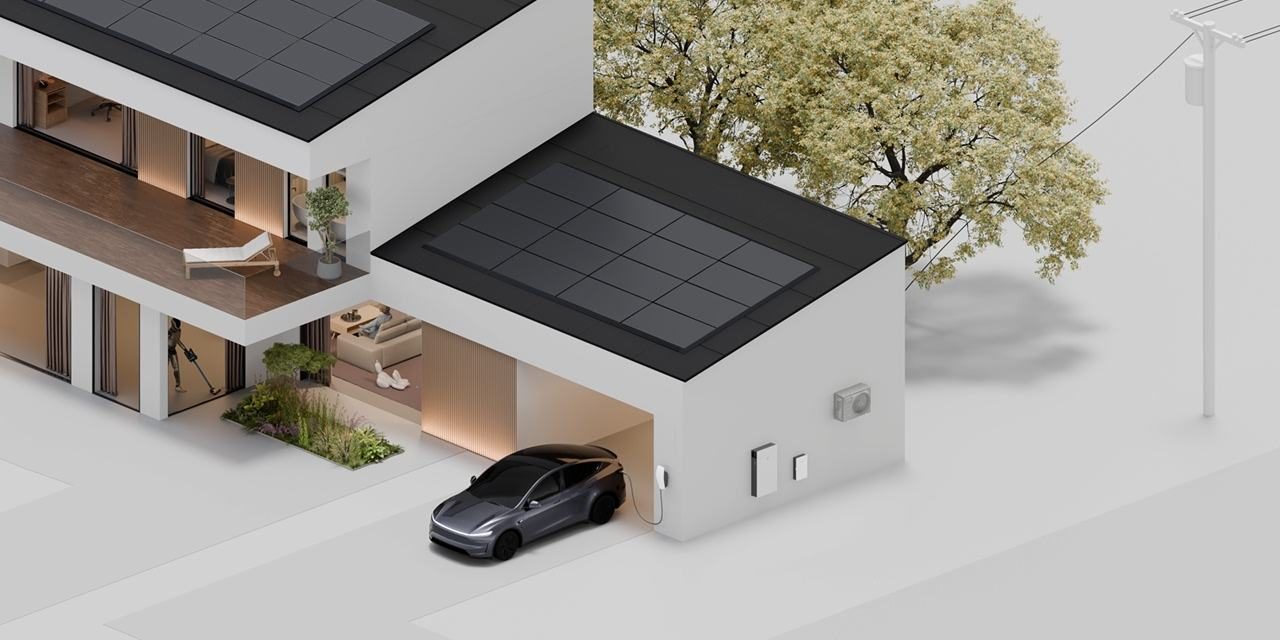
Energy for the whole outage
Daily outage use times the hours you want covered, plus a 10% reserve so the battery is never run flat. In winter we also allow for cold-weather losses.
Power and motor starting
The batteries must carry everything running at once and start your biggest motor, usually the air conditioner, heat pump or well pump. Starting surge is measured in locked-rotor amps (LRA), and each battery is rated for it.
Winter or summer
Winter outages bring furnace fans, boilers and heat pumps. Summer outages bring air conditioning and sump pumps. Choose both and we size for the harder season for your home.
Solar recharge
With solar, the batteries refill during the day, so a smaller system can ride through a long outage. We assume short days and some snow in winter, about a quarter of summer output.
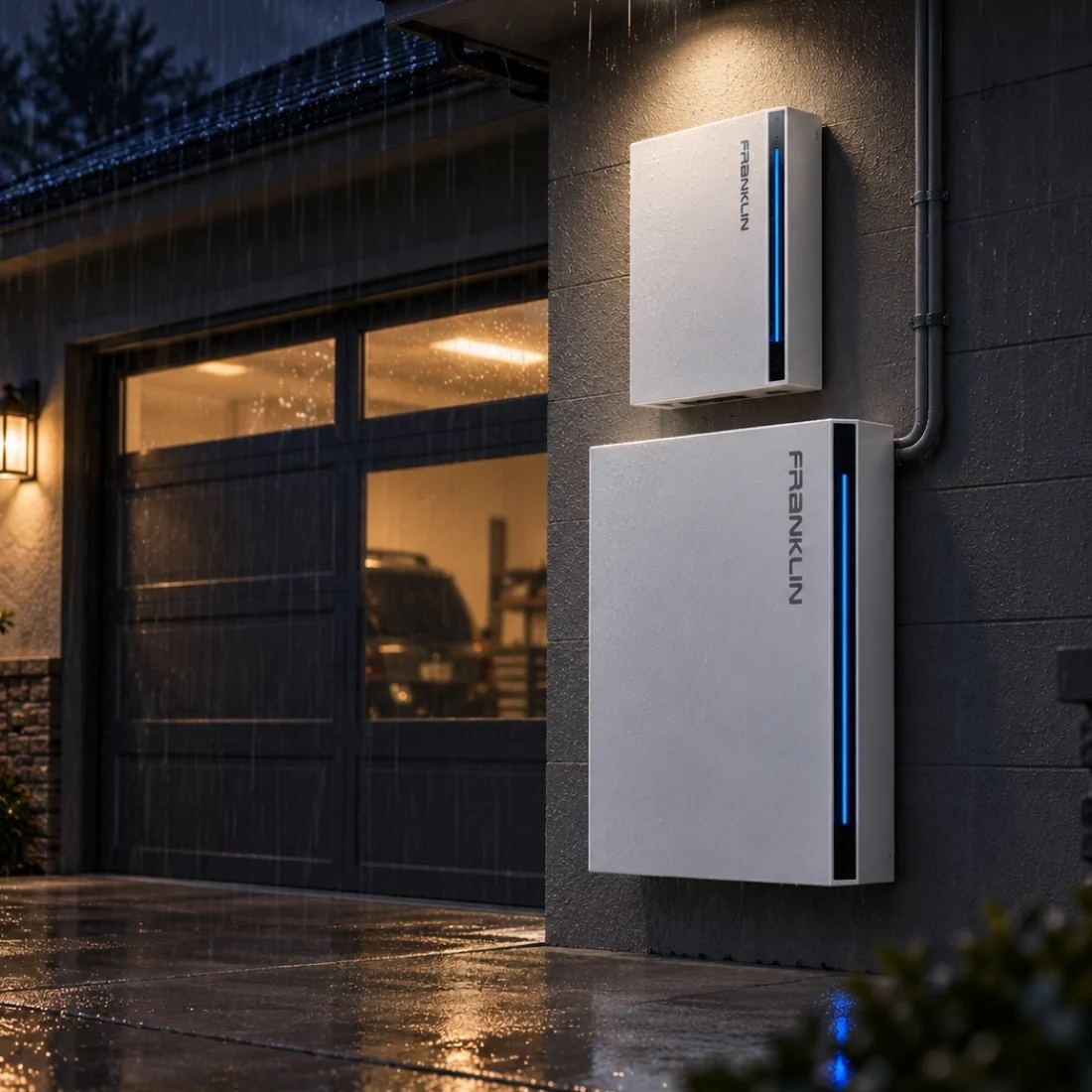
Typical battery backup sizes for Midwest homes
These come from running the calculator on common homes. Your result depends on your appliances, outage length and solar, so use the calculator above for your own number.
| Backup goal | Battery storage | Typical system |
|---|---|---|
| Essentials overnight: furnace fan, refrigerator, sump, internet, lights | About 7 to 10 kWh | One battery |
| Essentials for a full day, gas heat | About 14 to 16 kWh | One Powerwall 3, FranklinWH or 16 kWh EG4 |
| Most of the home for a day, gas heat and central AC, no solar | About 35 to 40 kWh | Three batteries or a 48 kWh system |
| Most of the home with 8 to 10 kW of solar | About 20 to 25 kWh | Two batteries; they refill each day |
| Whole home with an electric range, dryer and water heater | 50 kWh or more | Four or more batteries, or a battery plus a generator |
| Heat pump home in a Minnesota winter | 50 kWh or more, even for essentials | Often a battery plus a standby generator |
Typical outage-day use, 10% reserve kept in the battery. Electric resistance heat is left off battery backup because it uses more energy than batteries can store for a long outage.
Home batteries compared
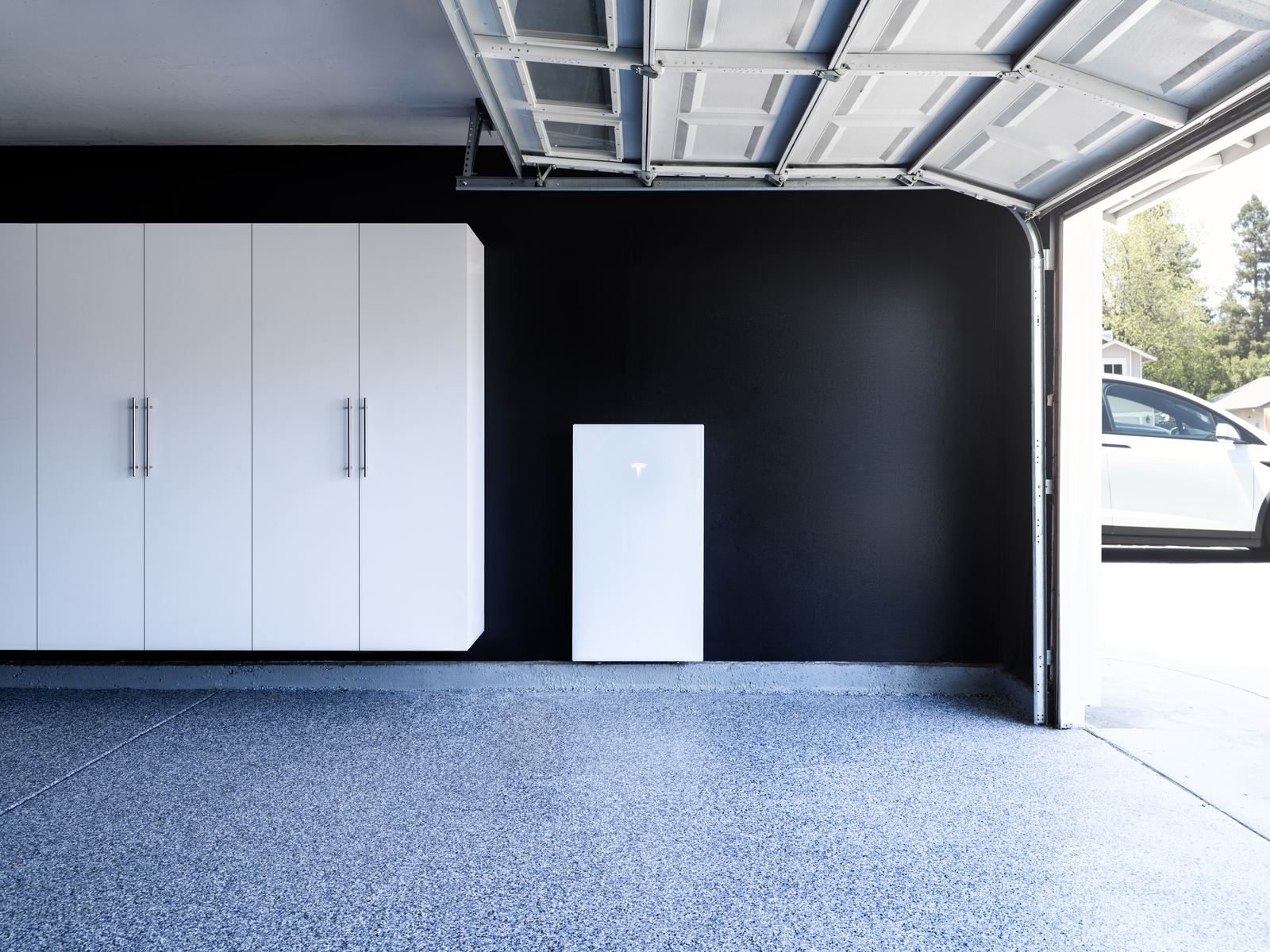
We install the leading home batteries and recommend the one that fits your home, your solar and your budget, not the one with the biggest margin.
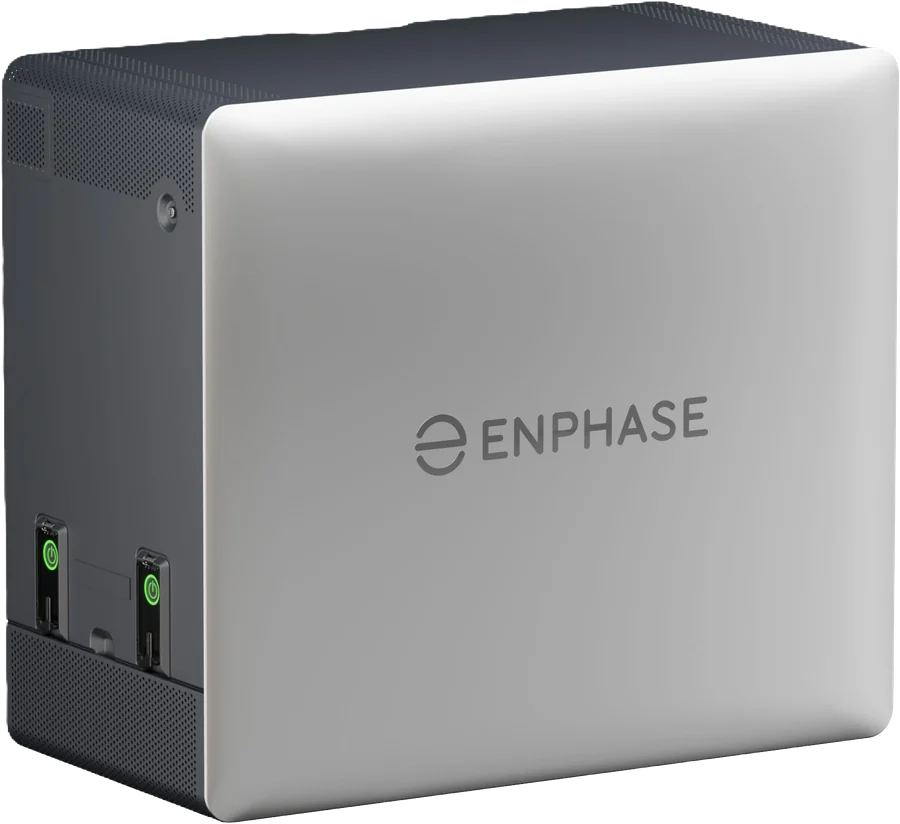
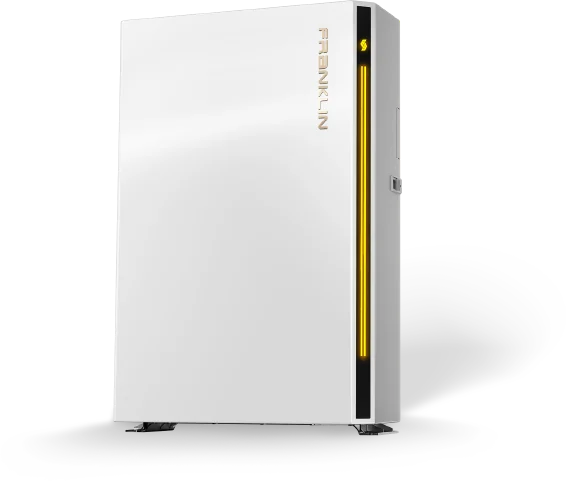
| Battery | Storage | Power | Motor starting | Installed price |
|---|---|---|---|---|
| Tesla Powerwall 3 | 13.5 kWh (expansion units add 13.5 kWh each) | 11.5 kW | 185 LRA | About $12,500 to $20,900; expansion unit about $8,100 to $13,500 |
| Enphase IQ Battery 10C | 10 kWh per battery | 7.08 kW per battery | About 90 LRA per battery | About $11,800 to $19,700 with the transfer switch; added battery about $7,900 to $13,100 |
| FranklinWH aPower S | 15 kWh per unit | 11.5 kW (15 kW for 10 seconds) | 185 LRA | About $15,400 to $22,000 with the aGate |
| EG4 home backup | 16, 32, 48 or 58 kWh | 12 kW | 180 LRA | About $11,800 to $46,900 by size |
| Generac PWRcell 2 | 9 to 36 kWh in 3 kWh modules | Up to 11.5 kW | Up to 130 LRA | Priced at your consultation |
Specs from manufacturer datasheets. Price ranges run from a prepaid lease plus our 10% discount (low end) to buying outright (high end). Panel or service upgrades, if needed, are priced separately. See Powerwall 3 cost and Enphase battery cost. More on Powerwall, Enphase and FranklinWH.
Pick the backup that fits how you live
Batteries switch over silently in a split second, need no fuel and save money every day with solar and time-of-use rates. They are sized for a set number of hours, which solar can stretch.
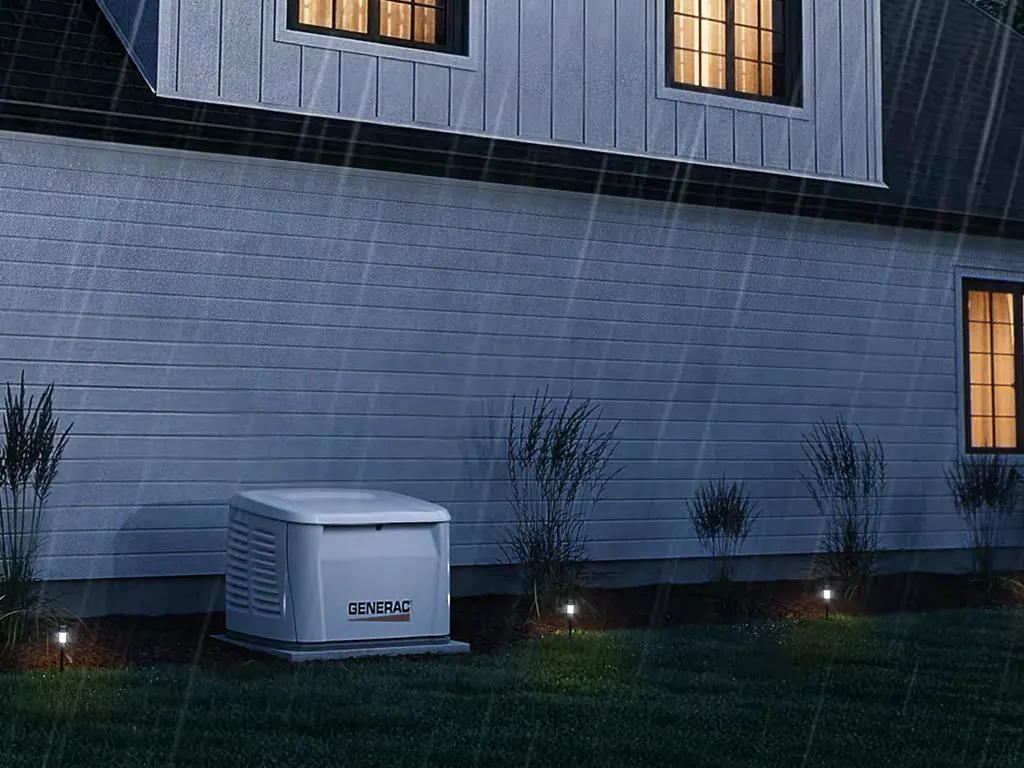
A standby generator runs as long as the gas or propane lasts and handles big winter loads like electric heat. Many Midwest homes use both: the battery covers short outages quietly and the generator takes over in a long winter storm.
- Already have a standby generator? We can connect it to a new battery system for about $2,000, depending on the generator
- Want the generator side? Use our generator size calculator
- Compare both in battery vs generator for the Midwest
Methodology
Energy
Each appliance has a typical outage-day energy use by season, for example about 1.5 kWh a day for a refrigerator, 5.5 kWh for a gas furnace fan in winter and about 7 kWh per ton of air conditioning on a summer day. Lights, outlets and electronics add 3.5 kWh for essentials, or about 4 kWh plus 1.8 kWh per 1,000 square feet for most of the home. We keep a 10% reserve and allow 8% for cold-weather losses in winter.
Power, motors and solar
Running power is the base load plus the larger of your biggest appliance or 60% of all big loads together. Motor starting uses 6.9 times running amps, half for 120-volt motors, and 40% with a soft starter. Solar recharge is about 4.6 kWh per kW of solar per day in summer and 1.2 in winter. With solar, the battery must still cover at least the 60% of a day that falls outside sunlight.
Questions we hear
How many batteries do I need to power my house?
How long will a Tesla Powerwall run my house?
Can a battery run my air conditioner or well pump?
Can a home battery heat my house in a Minnesota winter?
Do I need solar to get a home battery?
How much does a home battery cost?
Get your battery backup designed for free
We check your panel, your solar and the circuits that matter to you, then confirm the battery size and installed price before anything is ordered. Our own licensed electricians handle the permit, utility paperwork, installation and setup.
Estimates only, based on the information entered. Final design and price are confirmed during a free consultation. Product names are trademarks of their owners.