Updated October 2026 by Wolf River Electric, a solar company with an office in Marion.
Ready for the next step? Learn about solar incentives by state from Wolf River Electric, or get a free quote.
How much do solar panels cost in Iowa in 2026?
Solar is priced per watt of panel capacity. EnergySage’s October 2026 data puts the Iowa average at $3.26 per watt, including equipment and installation. Its typical Iowa system is 13.4 kW, at about $43,700, and most quotes for that size fall between about $37,100 and $50,200. Here is what the average works out to by system size:
| System size | Good fit for | Estimated yearly production | Estimated cost before incentives |
|---|---|---|---|
| 6 kW | Smaller homes, low usage | About 7,200 kWh | About $19,600 |
| 8 kW | Average usage, gas heat | About 9,600 kWh | About $26,100 |
| 10 kW | Larger homes or an EV | About 12,000 kWh | About $32,600 |
| 12 kW | High usage | About 14,400 kWh | About $39,100 |
| 15 kW | Electric heat, farms or two EVs | About 18,000 kWh | About $48,900 |
Estimates use the Iowa average of $3.26 per watt for roof-mounted systems, as of October 2026, and about 1,200 kWh per kW per year, in line with the Des Moines figure in our guide to how much power a solar panel produces. The average Iowa home used about 832 kWh a month in 2024, according to EIA, so roughly 8 kW covers a typical home’s yearly use. Ground mounts, trenching, batteries and electrical panel upgrades add to the price. We size every system from 12 months of your electric bills, not from a chart. See how residential solar panel installation works with Wolf River Electric, from the free quote to turning the system on.
Local details, such as permits and which utility serves you, are on our pages for Cedar Rapids, Des Moines and Iowa City.
Iowa incentives that lower your cost
- Retail-rate bill credits: MidAmerican Energy and Alliant Energy credit the power you send to the grid at the retail rate, and Iowa law locks your credit rate for 20 years. Details are in the next section.
- No sales tax: Iowa does not charge sales tax on solar equipment.
- Property tax break: the value solar adds is exempt from property tax for 5 years, if you file with your county assessor.
- City utility rebates: a few city utilities pay rebates. Ames Electric Services pays $500 per kW (DC) installed in 2026, according to the City of Ames.
- No state tax credit: Iowa’s state solar tax credit ended after 2021.
- Co-ops and city utilities: buyback rules vary, so we size the system to the power you use.
See every program in our Iowa solar incentives guide. Comparing states? See the cost of solar panels in Wisconsin. Near the South Dakota line? See the solar panel cost in South Dakota and our page on solar panels in South Dakota.
How do MidAmerican and Alliant credit the solar power you send back?
New solar systems on MidAmerican Energy and Alliant Energy are billed with inflow-outflow billing under Iowa Code 476.49. Your meter tracks power in 15-minute periods. You pay for the power you draw from the grid (inflow) and earn a credit for the power you send out (outflow). Here is how the two utilities compare, as of October 2026:
| Rule | MidAmerican Energy | Alliant Energy |
|---|---|---|
| Billing method | Inflow-outflow | Inflow-outflow |
| Credit for power you send out | Retail volumetric rate, including riders | Retail volumetric rate, including riders |
| How long the credit rate is locked | 20 years, under Iowa law | 20 years, under Iowa law |
| Unused credits | Carry forward, then expire at your annual date (January or April) | Carry forward, then expire at your annual date (January or April) |
| Size limit for full credit | Set by interconnection rules; we size to your yearly use | Up to 110% of your yearly use; the rest earns the lower avoided cost rate |
Credits lower your energy charges but not the fixed monthly customer charge, and unused credits do not cash out. That is why a system sized to your own yearly use usually pays best. Iowa law also allows a value-of-solar review as soon as 2027, which could change the export credit for systems installed after it. Systems installed before then keep their locked rate for 20 years. Rural co-ops and city utilities set their own buyback rules, so we check yours before we size the system.
What changed in 2026: the federal tax credit
The 30% federal tax credit for homeowner-owned solar ended for systems installed after December 31, 2025. If you buy with cash or a loan in 2026, there is no federal credit. A solar lease or prepaid lease lets the leasing company claim the 30% commercial credit and pass savings to you. Farms and businesses can still claim the commercial credit for systems placed in service by the end of 2027. Read what changed with the solar tax credit.
What affects the price of your system
- System size: bigger systems cost more in total but usually less per watt.
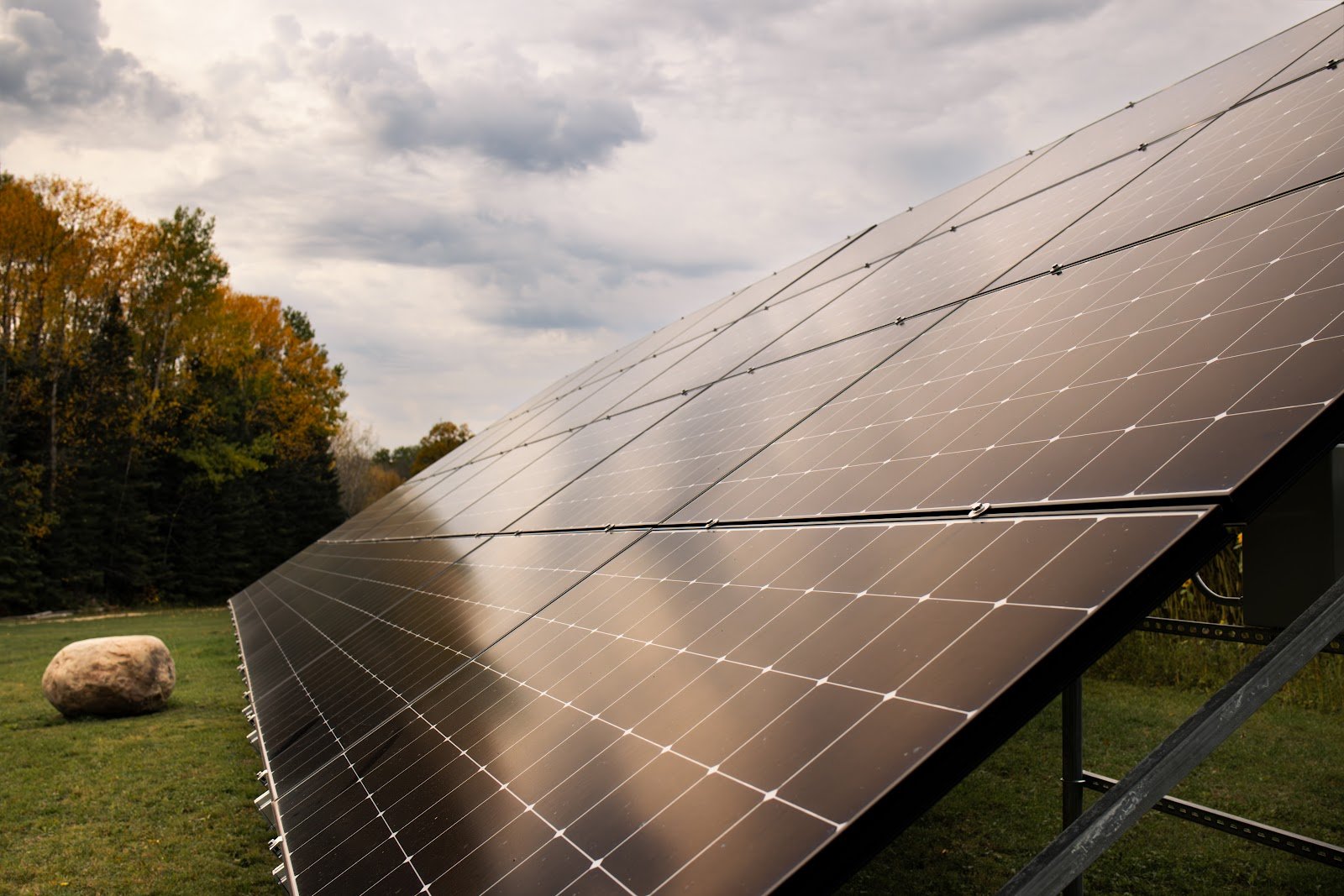
- Roof or ground mount: a sound roof facing south, east or west is the simplest install. Ground mounts cost more and suit farms and acreages.
- Roof age: if your roof needs replacing within a few years, do it first. Taking panels off and putting them back later adds cost (see the FAQ below).
- Equipment: panel brand, microinverters or a string inverter, and warranties.
- Electrical work: some homes need a main panel upgrade first.
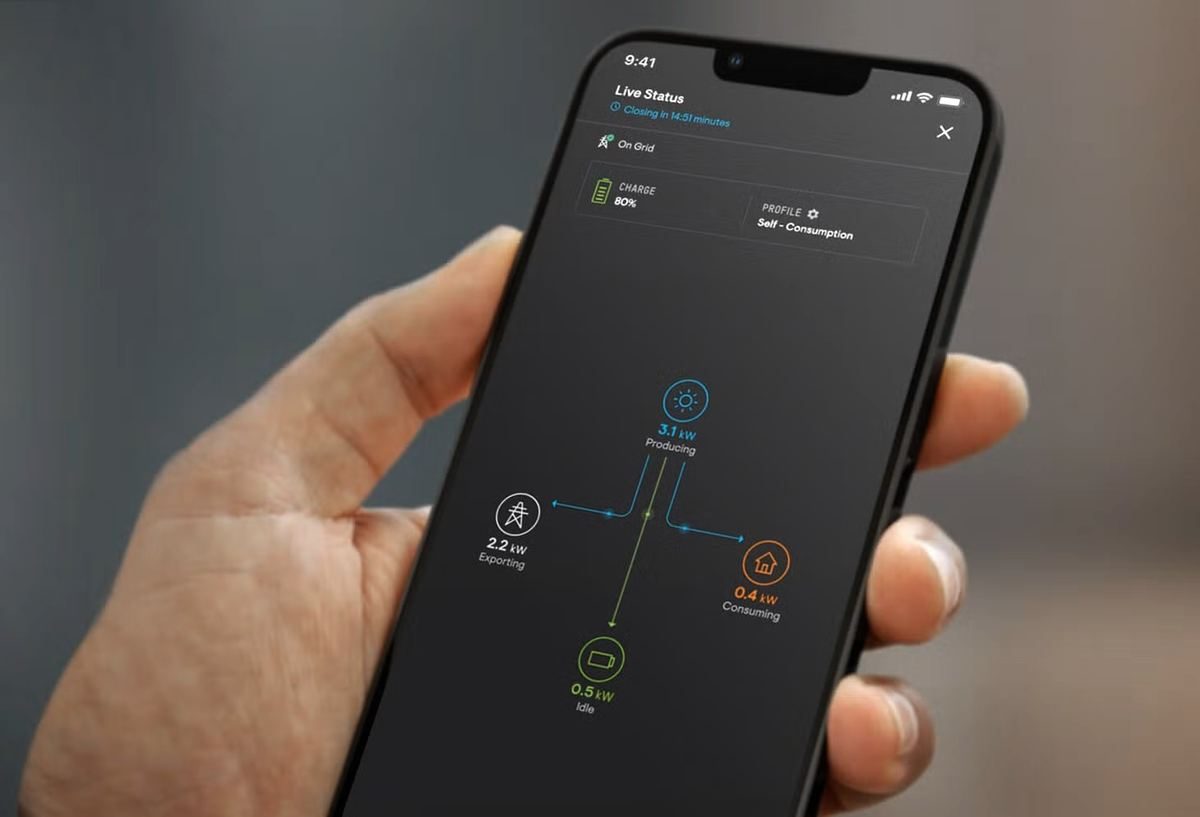
- Battery backup: adds cost, keeps essentials running in an outage and lets you use more of your own solar power. We quote with and without one.
What do battery backup and a standby generator add to the cost?
Ice storms, blizzards and summer derechos can knock out power in Iowa for hours or days. A grid-tied solar system shuts off when the grid goes down, so backup power needs a battery or a generator. These are Wolf River Electric installed prices, as of October 2026:
| Backup option | Installed price | What to know |
|---|---|---|
| Tesla Powerwall 3 | About $12,500 to $20,900 | Stores solar power for nights and outages |
| Enphase IQ Battery 10C | About $11,800 to $19,700 | Includes the automatic transfer switch |
| FranklinWH aPower with aGate (15 kWh) | About $15,400 to $22,000 | Includes the aGate transfer switch |
| Generac home standby generator, 14 to 26 kW | About $13,500 to $17,700 by size | Includes the pad, generator battery, transfer switch, permit and installation. Sales tax and the gas or propane hookup are extra. |
| Electrical panel upgrade, only if needed | About $4,500 to $6,000 | Meter, mast and utility-side work is priced separately |
Battery prices run from the price with a prepaid lease plus our 10% discount (low end) to buying outright (high end). A battery needs no fuel and pairs with solar. A generator runs for days on natural gas or propane. See home battery backup and whole house generator cost for details.
Is solar worth the cost in Iowa?
It depends on how much power you use and how you pay. Here is the math for EnergySage’s typical Iowa system, as of October 2026: about $43,700 for 13.4 kW, about 16,000 kWh a year, and about $2,220 a year in bill savings based on EnergySage’s Iowa averages.
| How you pay | Net cost | Yearly bill savings | Return on net cost | Solar cost per kWh over 25 years |
|---|---|---|---|---|
| Buy with cash | About $43,700 | About $2,220 | About 5.1% | About 10.9 cents |
| Prepaid lease, about 30% off | About $30,600 | About $2,220 | About 7.3% | About 7.6 cents |
Return on net cost is yearly bill savings divided by what you pay. Compare the solar cost per kWh with the 13.4 cents per kWh the average Iowa home paid in 2024, according to EIA. Homes with high usage, full sun and retail-rate credits do better. Shaded roofs, and co-ops that buy extra power at a lower rate, do worse. For the full picture, read are solar panels worth it in Iowa?
Choosing an installer? Use our checklist for choosing the best solar company in Iowa: the license to look up, what to ask, and the red flags to avoid.
Iowa solar cost questions
How much do solar panels cost in Iowa?
About $3.26 per watt before incentives as of October 2026, according to EnergySage. The typical 13.4 kW Iowa system runs about $43,700, and most quotes for that size fall between about $37,100 and $50,200.
How much does a 10 kW solar system cost in Iowa?
At the Iowa average of $3.26 per watt as of October 2026, about $32,600 before incentives.
Is there a solar tax credit in Iowa in 2026?
Iowa’s state solar tax credit ended after 2021, and the federal homeowner credit ended after 2025. Leases and prepaid leases can still pass along savings from the commercial credit, and farms and businesses can claim it directly.
Does Iowa have net metering?
MidAmerican Energy and Alliant Energy customers get inflow-outflow billing, Iowa’s version of net metering under Iowa Code 476.49. Power you send out is credited at the retail rate in 15-minute periods, and the credit rate is locked for 20 years. Co-ops and city utilities set their own rules.
Are there solar rebates in Iowa?
There is no statewide rebate. Some city utilities offer one: Ames Electric Services pays $500 per kW (DC) installed in 2026. For most homes, the savings come from retail-rate credits, no sales tax and the 5-year property tax exemption.
How much does a solar battery cost in Iowa?
As of October 2026, a Tesla Powerwall 3 installed by Wolf River Electric runs about $12,500 to $20,900, an Enphase IQ Battery 10C with its transfer switch about $11,800 to $19,700, and a FranklinWH system with aGate about $15,400 to $22,000. The low end is with a prepaid lease plus our 10% discount, and the high end is buying outright.
What if I need a new roof after solar goes up?
We take the panels off and put them back. As of October 2026, removal runs about $250 per panel and reinstall about $300 to $350 per panel, plus new attachments, racking parts, permits or engineering where needed. See solar panel removal and reinstall. If your roof is near the end of its life, replace it before going solar.
Which utilities do you work with in Iowa?
We handle interconnection with MidAmerican Energy, Alliant Energy, your co-op or your city utility.
Do solar panels work in an Iowa winter?
Yes. Panels make less power on short winter days but run efficiently in cold, clear weather, and snow usually slides off tilted panels within a few sunny days.
Get an Iowa solar quote built from your bills
Wolf River Electric installs solar panels in Iowa, with Iowa crews working from our Marion office. Our own licensed crews install solar, batteries and generators for homes, farms and businesses. Send us 12 months of bills and we will show you the system size, the price and your expected bill savings, with and without a battery. Try the free solar calculator or get my free quote.
Sources: EnergySage solar cost data for Iowa (October 2026); MidAmerican Energy customer interconnection and Alliant Energy inflow-outflow pages (2026); Iowa Code 476.49; City of Ames 2026 Smart Energy rebates; U.S. EIA residential electricity data (2024); Wolf River Electric battery, generator, panel upgrade and removal and reinstall pricing as of October 2026 (prices may change without notice); state revenue departments and utility tariffs.
Free quote
See what solar and backup power can save you
Get a custom design and savings estimate from Wolf River Electric. No cost, no obligation.