Updated November 2026 by Wolf River Electric, a solar company serving Illinois homes, farms and businesses.
Ready for the next step? Learn about solar incentives by state from Wolf River Electric, or get a free quote.
How much do solar panels cost in Illinois in 2026?
Solar is priced per watt of panel capacity. EnergySage’s November 2026 data puts the Illinois average at $2.92 per watt, including equipment and installation. Its typical Illinois system is 11.56 kW, at about $33,700, and most quotes for that size fall between about $28,700 and $38,800. These are public averages, not Wolf River Electric prices. Here is what the average works out to by system size:
| System size | Good fit for | Estimated cost before incentives | After the $300 per kW ComEd or Ameren rebate |
|---|---|---|---|
| 6 kW | Smaller homes, low usage | About $17,500 | About $15,700 |
| 8 kW | Average usage, gas heat | About $23,400 | About $21,000 |
| 10 kW | Larger homes or an EV | About $29,200 | About $26,200 |
| 11.56 kW | The typical Illinois system (EnergySage) | About $33,700 | About $30,300 |
| 15 kW | Electric heat, farms or two EVs | About $43,800 | About $39,300 |
Estimates use the Illinois average of $2.92 per watt for roof-mounted systems, as of November 2026. The rebate column assumes a ComEd or Ameren Illinois home with a smart inverter. Illinois Shines comes on top of that, and how much of it reaches you depends on your contract (see below). Ground mounts, trenching, batteries and electrical panel upgrades add to the price. We size every system from 12 months of your electric bills, not from a chart. See how residential solar panel installation works with Wolf River Electric, from the free quote to turning the system on.
Illinois incentives that lower your cost
- Illinois Shines: the utility buys the renewable energy credits (RECs) your system is expected to make over 15 years. One REC equals 1,000 kWh. For contracts approved since June 1, 2026, half is paid at switch-on and the rest over six years.
- Owner adder: if you own the system (cash or loan), Illinois Shines pays an extra $20 per REC in the 2026-27 program year.
- Distributed generation rebate: ComEd and Ameren Illinois pay a one-time $300 per kW of solar for systems with a smart inverter. An 8 kW system earns about $2,400.
- Battery rebate: $300 per kWh of battery storage when the battery joins the utility’s virtual power plant for five years.
- Illinois Solar for All: no upfront cost for income-eligible households, at or below 80% of area median income.
- Property tax: Illinois law limits how much solar can raise your assessment.
How much does Illinois Shines pay in 2026?
Prices per REC for home-size systems in the 2026-27 program year, as of November 2026 (Illinois Power Agency). Sizes are in kW AC, which is a bit smaller than the DC size on most quotes.
| System size (AC) | Group A (Ameren, MidAmerican) | Group B (ComEd) |
|---|---|---|
| Up to 10 kW | $70.37 per REC | $80.77 per REC |
| Over 10 kW to 25 kW | $60.92 per REC | $79.21 per REC |
| Owner adder (cash or loan) | +$20 per REC | +$20 per REC |
Example in round numbers, not a quote: if the program expects your system to make 9 MWh a year, that is 135 RECs over 15 years. In ComEd territory that is about $10,900, or about $13,600 if you own the system. In Ameren territory it is about $9,500, or about $12,200 if you own it. The utility pays the Approved Vendor, and your contract sets how your share reaches you: a lower price, a lump sum or payments over time. See every program and the questions to ask in our Illinois solar incentives guide.
How does net metering work in Illinois now?
Systems connected before January 1, 2025 keep full net metering for the life of the system. New ComEd and Ameren Illinois systems earn credits for the supply portion of the power they send to the grid, not the delivery charges. That is why the one-time $300 per kW rebate exists. It also means the power you use as it is made saves the most, so a system sized to your use, or paired with a battery, is the better value. Compare the rules by state in net metering vs net billing.
What changed in 2026: the federal tax credit
The 30% federal tax credit for homeowner-owned solar ended for systems installed after December 31, 2025. If you buy with cash or a loan in 2026, there is no federal credit, but Illinois Shines pays the $20 per REC owner adder instead. A solar lease or prepaid lease lets the leasing company claim the 30% commercial credit for a limited time and pass savings to you. Farms and businesses can still claim the commercial credit for systems placed in service by the end of 2027. Read what changed with the solar tax credit.
What affects the price of your system
- System size: bigger systems cost more in total but usually less per watt.
- Roof or ground mount: a sound roof facing south, east or west is the simplest install. Ground mounts cost more and suit farms and acreages.
- Roof age: if your roof needs replacing within a few years, do it first. Taking panels off and putting them back later adds cost (see the FAQ below).
- Equipment: panel brand, microinverters or a string inverter, and warranties. The ComEd and Ameren rebate needs a smart inverter.
- Electrical work: some homes need a main panel upgrade first.
- Battery backup: adds cost, keeps essentials running in an outage and lets you use more of your own solar power, which matters more under supply-only credits. We quote with and without one.
What do battery backup and a standby generator add to the cost?
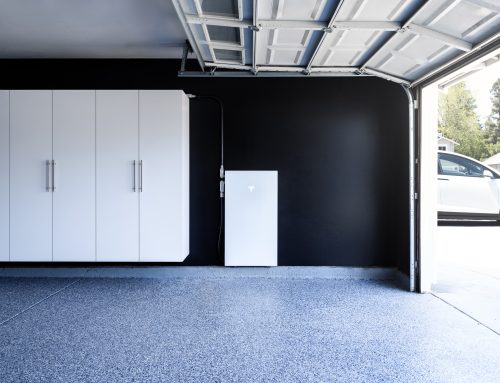
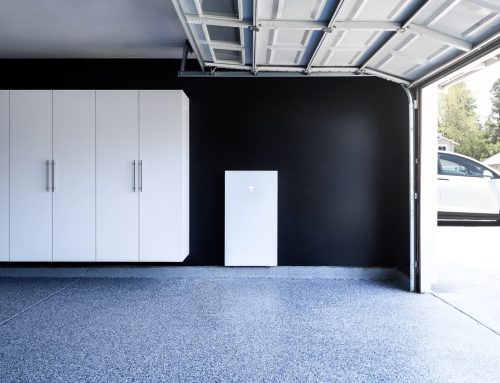
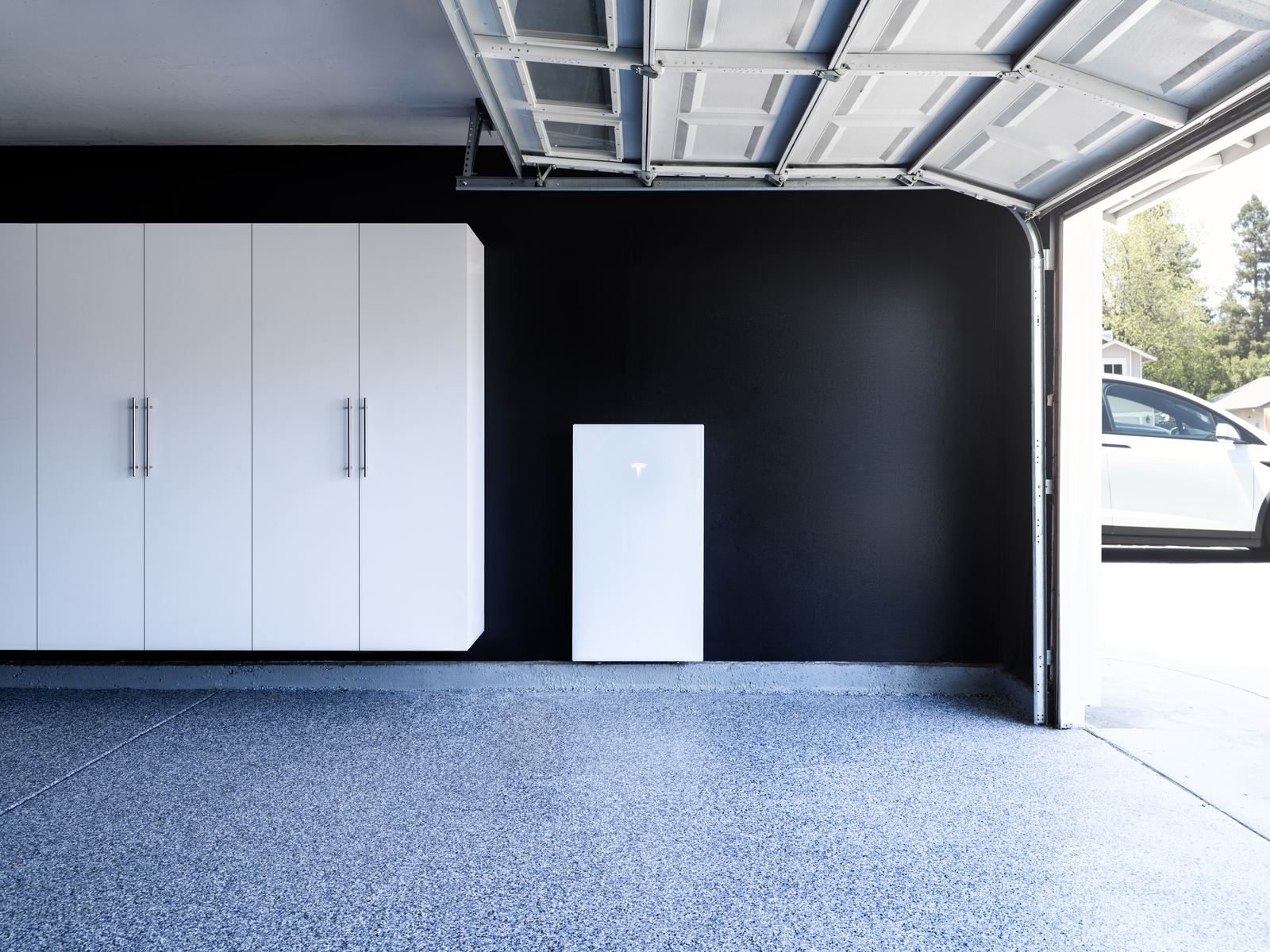
Winter storms and summer thunderstorms knock out power in Illinois every year. A grid-tied solar system shuts off when the grid goes down, so backup power needs a battery or a generator. These are Wolf River Electric installed prices, as of November 2026:
| Backup option | Installed price | What to know |
|---|---|---|
| Tesla Powerwall 3 | About $12,500 to $20,900 | Stores solar power for nights and outages |
| Enphase IQ Battery 10C | About $11,800 to $19,700 | Includes the automatic transfer switch |
| FranklinWH aPower with aGate (15 kWh) | About $15,400 to $22,000 | Includes the aGate transfer switch |
| Generac home standby generator, 14 to 26 kW | About $13,500 to $17,700 by size | Includes the pad, generator battery, transfer switch, permit and installation. Sales tax and the gas or propane hookup are extra. |
| Electrical panel upgrade, only if needed | About $4,500 to $6,000 | Meter, mast and utility-side work is priced separately |
Battery prices run from the price with a prepaid lease plus our 10% discount (low end) to buying outright (high end). In ComEd and Ameren territory, the $300 per kWh battery rebate takes about $4,050 off a 13.5 kWh Powerwall 3 if you enroll it in the utility’s virtual power plant. See solar battery cost, home battery backup and whole house generator cost for details.
Is solar worth the cost in Illinois?
Illinois power is not cheap. Homes paid an average of 19.23 cents per kWh from January to August 2026, up from 17.44 cents in the same months of 2025, according to the U.S. EIA. EnergySage estimates the average Illinois homeowner saves about $32,720 over 25 years by going solar, a public figure as of November 2026.
A simple way to look at payback: solar replaces part of a bill you are already paying. A home that uses 10,000 kWh a year pays its utility about $1,920 a year at that average rate. Here is what that bill adds up to at today’s rate, with no rate increases:
| Years | What the home pays the utility at 19.23 cents per kWh |
|---|---|
| 5 years | About $9,600 |
| 10 years | About $19,200 |
| 15 years | About $28,800 |
| 20 years | About $38,500 |
| 25 years | About $48,100 |
| 30 years | About $57,700 |
Next to that, an 8 kW system costs about $21,000 at the Illinois average after the ComEd or Ameren rebate, before your share of Illinois Shines. Solar covers the power you use as it is made at the full rate and earns supply-only credits for the rest, so it replaces part of this bill, not all of it, and fixed monthly charges stay. Your quote shows how much of your bill solar replaces, your bill savings and your return on net cost, with and without a battery.
Illinois solar cost questions
How much do solar panels cost in Illinois?
About $2.92 per watt before incentives as of November 2026, according to EnergySage. The typical 11.56 kW Illinois system runs about $33,700, and most quotes for that size fall between about $28,700 and $38,800.
How much does a 10 kW solar system cost in Illinois?
At the Illinois average of $2.92 per watt as of November 2026, about $29,200 before incentives, or about $26,200 after the $300 per kW ComEd or Ameren rebate.
How much does solar cost for a 2,000 sq ft house in Illinois?
Square footage matters less than how much power you use and how you heat the home. A gas-heated home may need 6 to 8 kW, about $17,500 to $23,400 at the Illinois average. An all-electric home may need 10 kW or more. We size the system from 12 months of your bills.
Is solar worth it in Illinois in 2026?
For many homes, yes. Illinois has some of the highest power prices in the Midwest, plus Illinois Shines and the $300 per kW utility rebate. The trade-off is supply-only credits for exported power, so the right system size matters more than before.
Is there a solar tax credit in Illinois in 2026?
The federal homeowner credit ended after 2025, and Illinois has no state solar tax credit. Owners get the $20 per REC Illinois Shines adder instead. Leases and prepaid leases can still pass along savings from the 30% commercial credit for a limited time.
Are there solar rebates in Illinois?
Yes. ComEd and Ameren Illinois pay a one-time $300 per kW of solar with a smart inverter, plus $300 per kWh of battery storage enrolled in the utility’s virtual power plant. MidAmerican customers in the Quad Cities follow MidAmerican’s own rules but can still use Illinois Shines.
How much does a solar battery cost in Illinois?
As of November 2026, a Tesla Powerwall 3 installed by Wolf River Electric runs about $12,500 to $20,900, an Enphase IQ Battery 10C with its transfer switch about $11,800 to $19,700, and a FranklinWH system with aGate about $15,400 to $22,000. The low end is with a prepaid lease plus our 10% discount, and the high end is buying outright.
What if I need a new roof after solar goes up?
We take the panels off and put them back. As of November 2026, removal runs about $250 per panel and reinstall about $300 to $350 per panel, plus new attachments, racking parts, permits or engineering where needed. See solar panel removal and reinstall. If your roof is near the end of its life, replace it before going solar.
How do Illinois prices compare with nearby states?
See the cost of solar panels in Wisconsin and the cost of solar panels in Iowa. Each state has different utility credits and incentives, so the net cost can differ more than the sticker price.
Get an Illinois solar quote built from your bills
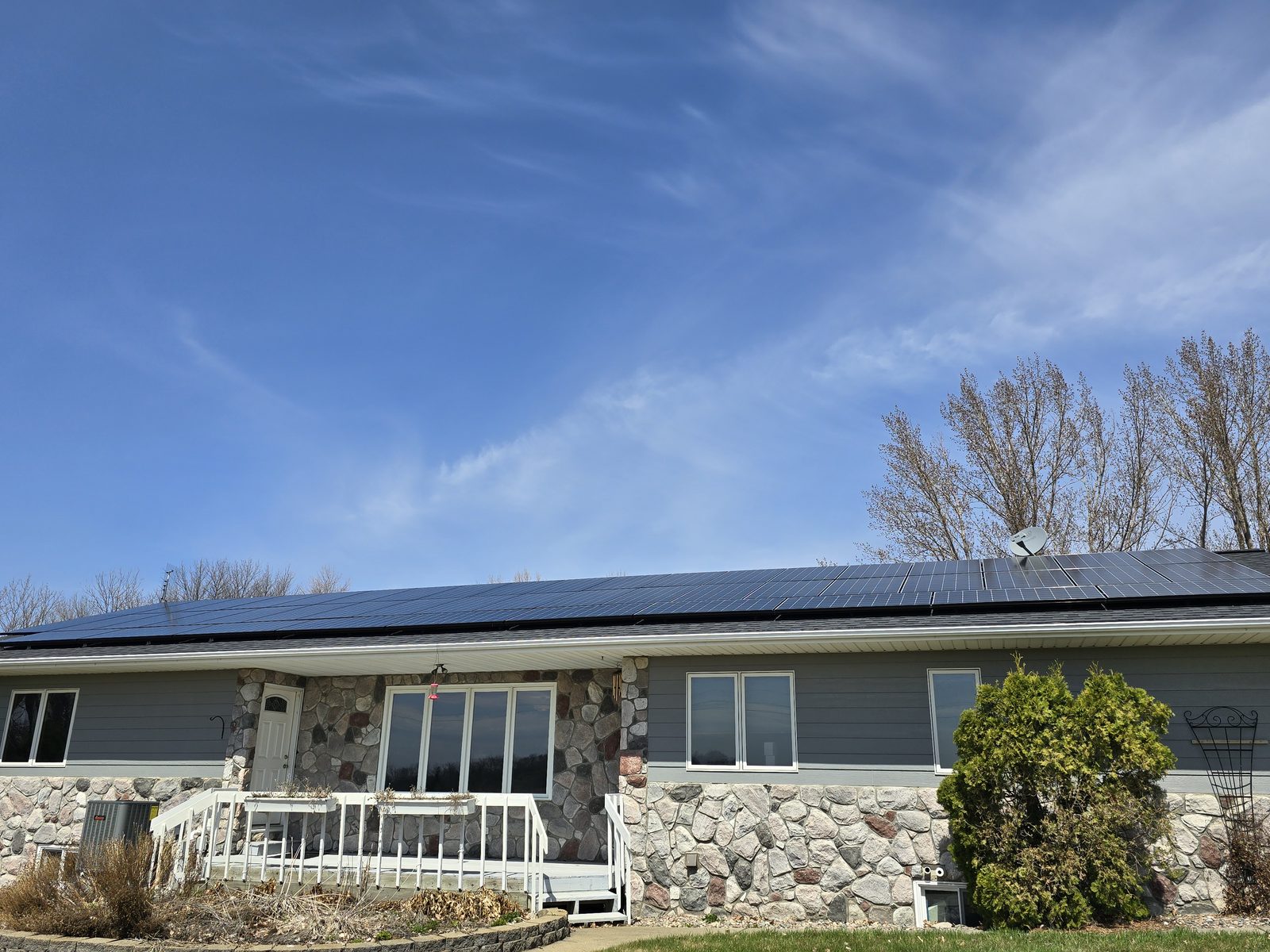
Wolf River Electric installs solar panels in Illinois with our own licensed crews, for homes, farms and businesses. We handle your ComEd or Ameren rebate and interconnection and show you the numbers before you decide. Send us 12 months of bills and we will show you the system size, the price and your expected bill savings, with and without a battery. Try the free solar calculator or get my free quote.
Sources: EnergySage solar cost data for Illinois (updated November 13, 2026); Illinois Power Agency and Illinois Shines 2026-27 REC prices and payment schedule; ComEd and Ameren Illinois rebate and virtual power plant terms; U.S. EIA Electric Power Monthly, Table 5.6.B (January to August 2026); Wolf River Electric battery, generator, panel upgrade and removal and reinstall pricing as of November 2026 (prices may change without notice).
Free quote
See what solar and backup power can save you
Get a custom design and savings estimate from Wolf River Electric. No cost, no obligation.