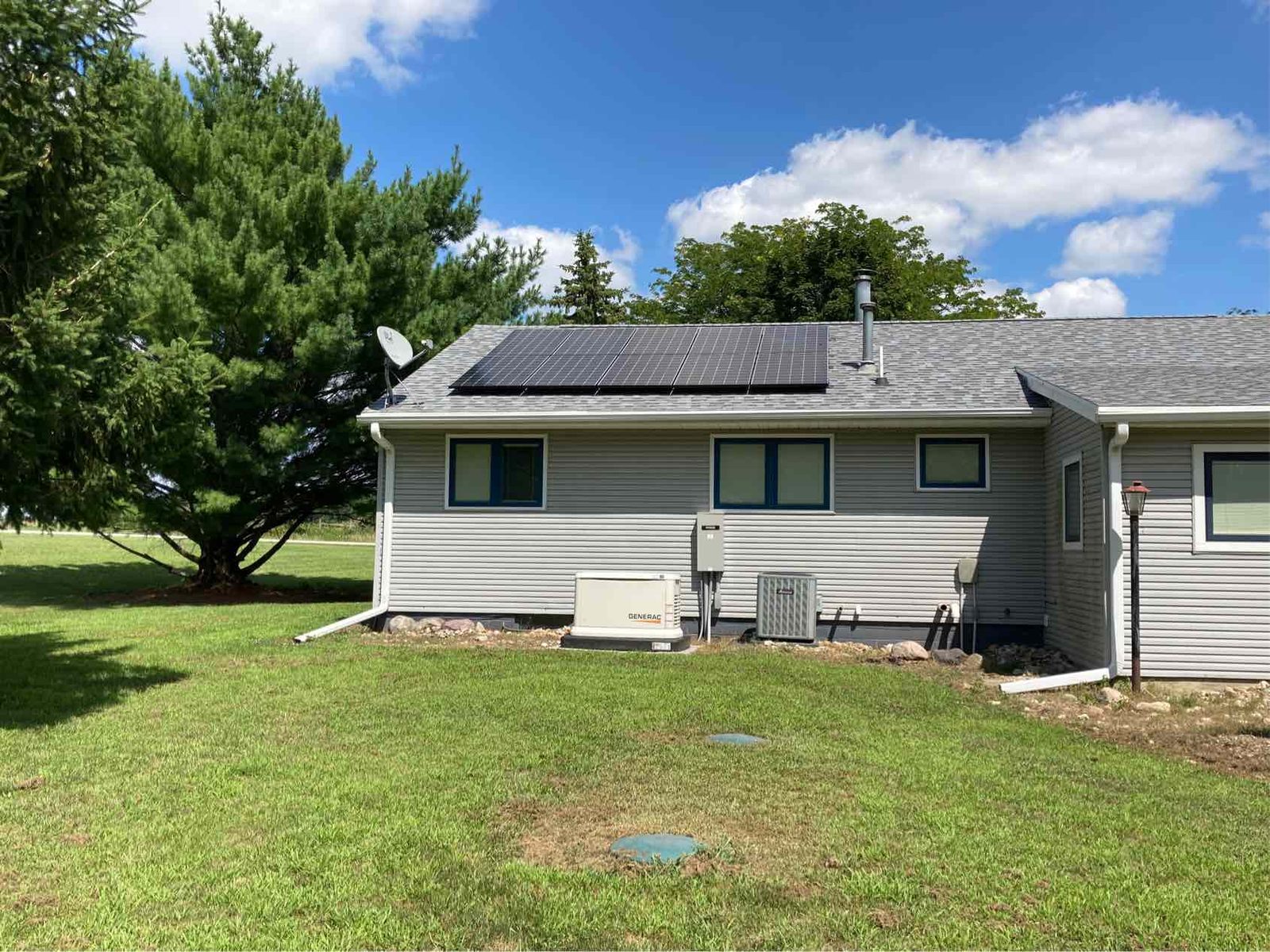
Updated November 2026 by Wolf River Electric. We install both home batteries and Generac standby generators.
Ready for the next step? Learn about home battery backup from Wolf River Electric, or get a free quote.
Short answer: a home battery is silent, switches over almost instantly and recharges from solar, but holds a fixed amount of energy. A standby generator runs for days on natural gas or propane, which suits long winter outages. As of November 2026, a whole-home battery we install runs about $11,800 to $22,000 (see solar battery cost) and a Generac standby generator about $13,500 to $17,700.
The battery low end is with a prepaid lease plus our 10% discount, and the high end is buying outright; a panel upgrade is extra if your panel needs one. The generator price includes the pad, transfer switch and permit; the gas or propane hookup and sales tax are extra. Many homes pair both. Get a free quote.
Battery vs generator at a glance
| Home battery | Standby generator | |
|---|---|---|
| Energy source | Stored electricity, recharged by solar or the grid | Natural gas or propane |
| How long it runs | Hours to a day or more on essentials, longer when solar recharges it | Days, as long as fuel lasts |
| Switchover | Almost instant | Starts on its own within seconds |
| Noise and exhaust | Silent, no exhaust | Engine noise and exhaust, installed outside |
| Everyday use | Can store solar for evening use and earn utility program payments | Backup only |
| Maintenance | Very little | Yearly service, oil and filters |
| Fuel cost | None when solar recharges it | Natural gas or propane every hour it runs |
| Starting surge (well pump, central air) | Limited by the battery power rating; big motors may need a second battery or a soft starter | Handles large motor starts well when sized right |
| Incentives | Minnesota battery incentive up to $5,000 (Xcel) or $7,000 (other utilities); Alliant Smart Hours in Wisconsin and Iowa; Illinois home battery rebate of $300 per kWh (ComEd and Ameren) | None at the state level |
Battery advantages and limits
Where a battery wins:
- Incentives. Batteries qualify for state and utility programs (see the table above). Standby generators do not.
- No yearly maintenance bill. No oil changes, filters, spark plugs or annual service visits.
- No fuel cost when paired with solar. The sun refills it for free on most days.
- Silent and instant. No engine noise or exhaust, and the switchover is fast enough that most electronics never notice.
- Works every day, not just in outages. It can store solar for the evening and, on time-of-use rates, cover expensive peak hours.
Where a battery falls short:
- Limited surge. A battery can only deliver so much power at once. A well pump, central air or other big motor starting at the same time as other loads can exceed it, so large homes may need two batteries or a soft starter on the air conditioner.
- Limited run time without solar. A battery holds a fixed amount of energy. During a long, cloudy winter outage it can run low with little sun to refill it.
- Whole-home coverage costs more. Backing up everything, including electric heat or an electric range, takes several batteries.
Generator advantages and limits
Where a generator wins:
- Long run time. On natural gas it keeps running as long as the gas utility supplies gas; on propane, as long as the tank lasts.
- High surge and whole-home power. A properly sized Generac starts well pumps and central air easily and can run most or all of a home.
- Weather does not matter. Output is the same on a cloudy January week as in July.
Where a generator falls short:
- Yearly maintenance. Oil, filters, spark plugs and a service visit, plus more oil changes during long outages.
- Fuel cost. It burns natural gas or propane every hour it runs, even when the house needs little power.
- Noise and exhaust. It runs outside and must sit a safe distance from windows, doors and vents.
- No incentives and no everyday savings. It only helps during outages.
The best of both: a battery that runs the generator
Many modern systems can integrate both, and this is often the best setup for a Midwest winter. The battery runs the house during an outage. When its charge gets low and solar production is weak, the system starts the generator automatically, the generator recharges the battery and carries the house for a short stretch, often about an hour depending on battery size and generator output, and then shuts back down to standby. The battery takes over again, silently.
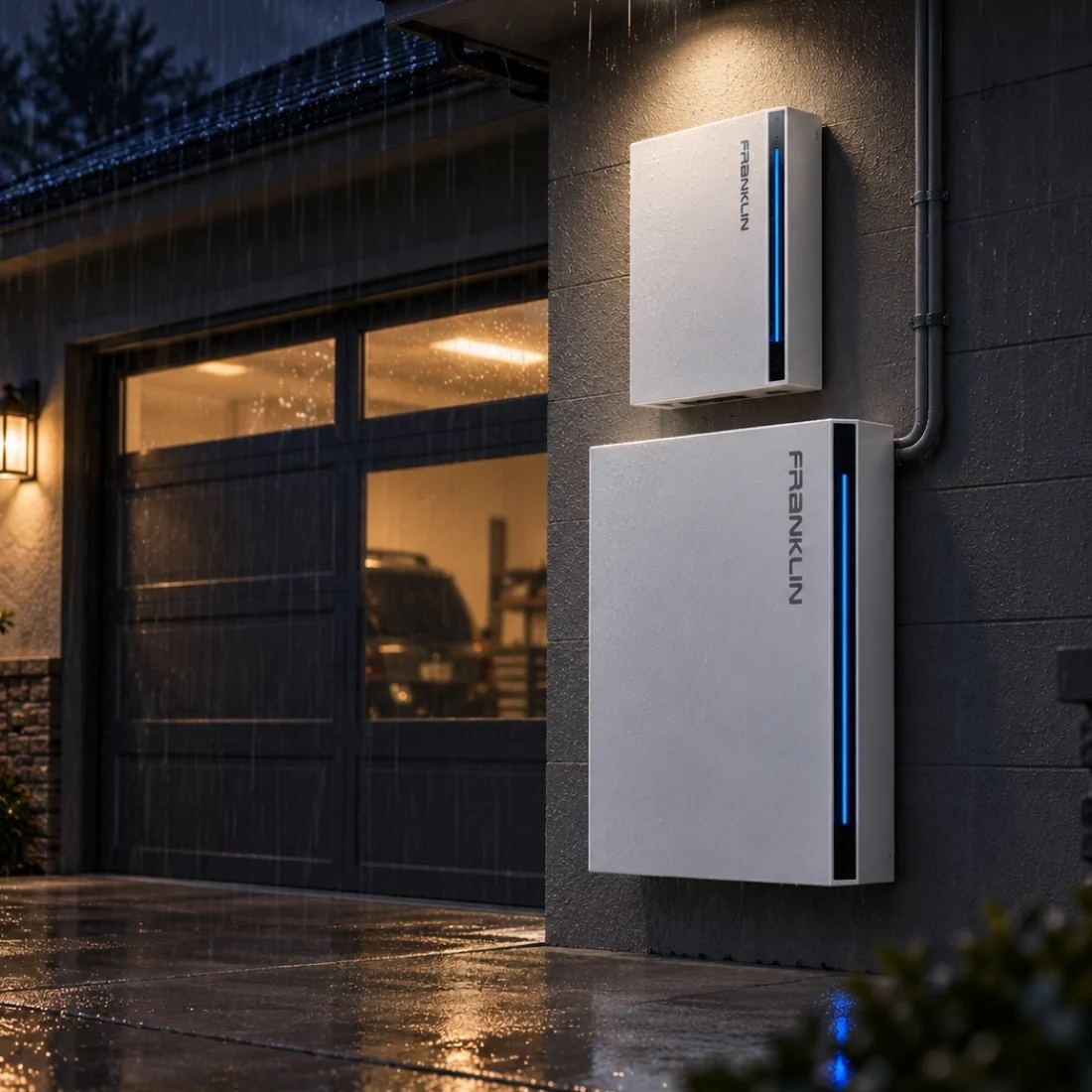
Compared with running a generator nonstop through an outage, this cuts the generator run time, fuel use and wear, and the house stays quiet most of the day. Battery systems such as FranklinWH (with its generator module) and Enphase (through its system controller) support generator integration. Compatibility depends on the battery, the generator and how the system is wired, so we confirm it during design. See what size battery do I need and what size generator do I need.
How a home battery works in an outage
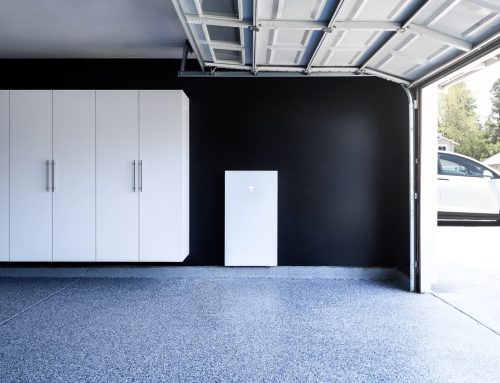
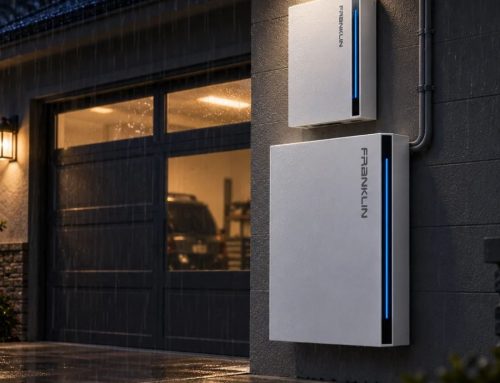
A battery stores power from your solar panels or the grid. When the grid goes down, it disconnects your home from the grid and keeps your backed-up circuits running, usually so fast your lights barely flicker. A 13.5 to 15 kWh battery running essentials like the furnace blower, refrigerator, lights and internet often lasts through the night and into the next day, and solar recharges it when the sun is out. You can add more batteries for longer runtime or bigger loads.
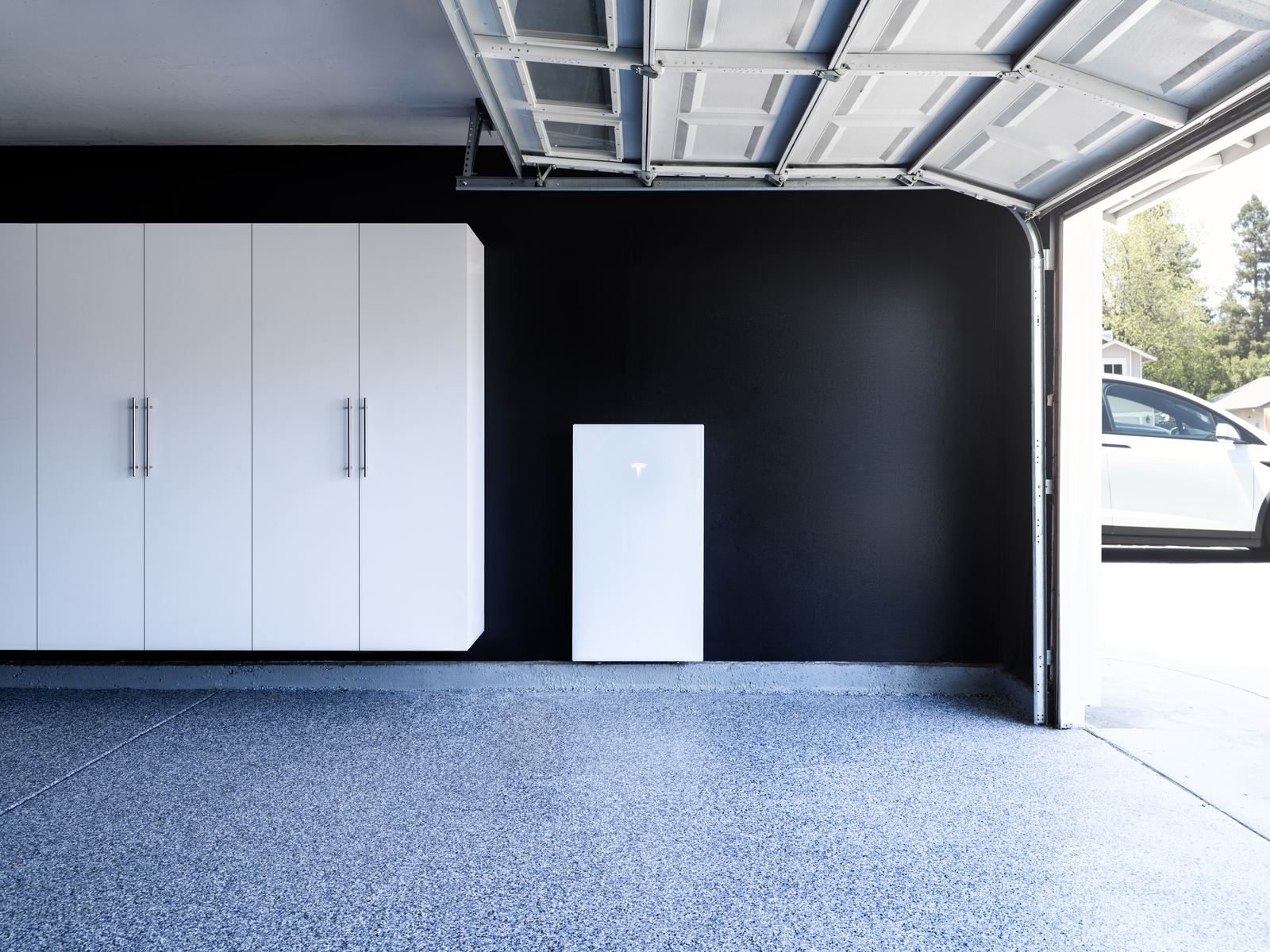
The batteries we install include Enphase IQ Battery 10C (10 kWh building blocks), FranklinWH aPower S (15 kWh per unit, with a built-in heating blanket) and Tesla Powerwall 3 (13.5 kWh). See home battery backup and how long a Tesla Powerwall lasts.
How a standby generator works in an outage
A home standby generator is permanently installed outside and connected to your natural gas line or a propane tank. When the power goes out, an automatic transfer switch starts it within seconds. Generac air-cooled home standby generators come in sizes from 10 kW to 28 kW, enough to run anything from a few essentials to most of a home. To pick one, see what size generator you need for your house. Because it burns fuel, it keeps going through long, multi-day outages. See standby generators and our whole house generator cost guide for installed prices by size.
Winter outages: what matters in the Midwest
- Heat. Even a gas furnace needs electricity for its blower and controls. Both a battery and a generator can keep it running.
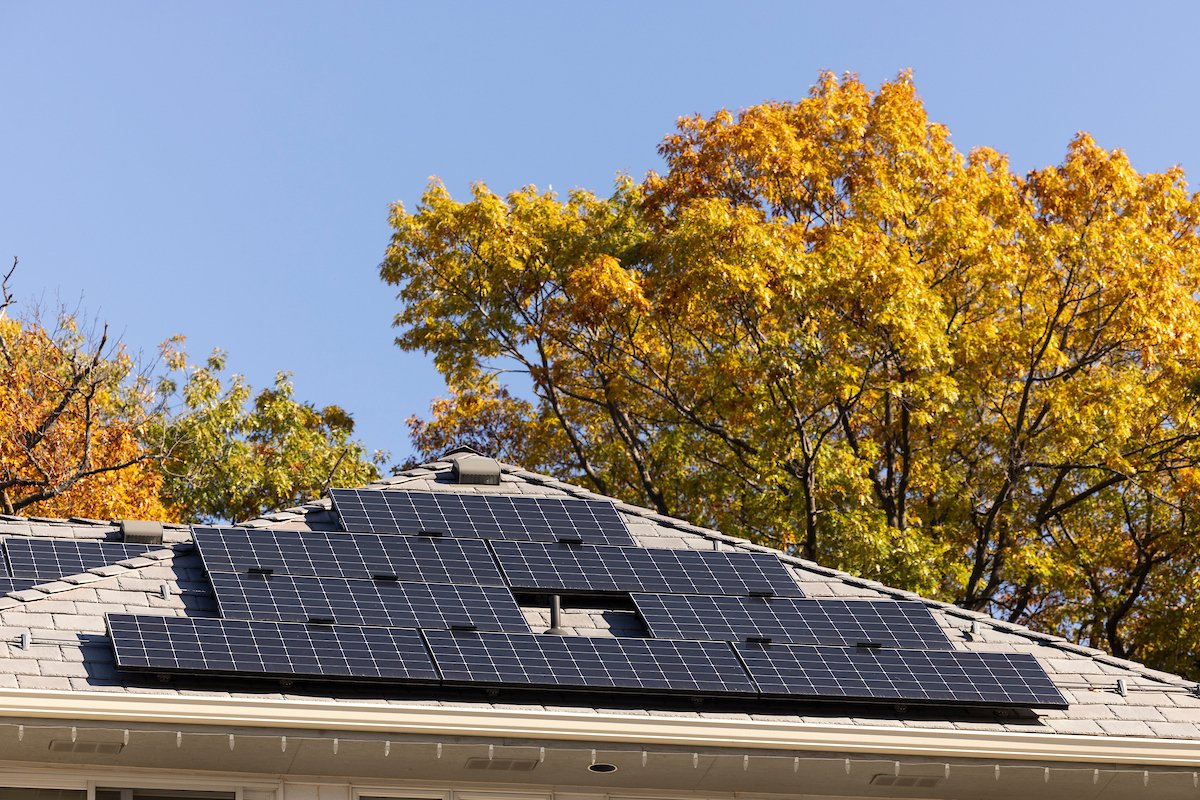
- Short days. In December and January, solar recharges a battery much less, and snow can cover panels. For long winter outages, plan more battery capacity or add a generator.
- Cold equipment. Batteries slow their charging when they get cold, so we install them in a garage or another protected spot, and some models heat themselves. Generators need yearly service to start reliably.
- Well and sump pumps. Pumps draw a big surge when they start. We size either system to handle it.
Read our guide to whole-home backup power for a Minnesota winter.
To size each option, see what size battery do I need and what size generator do I need. Worried about the 90-day blackout talk? Read is a 90-day blackout coming?
Which is right for you?
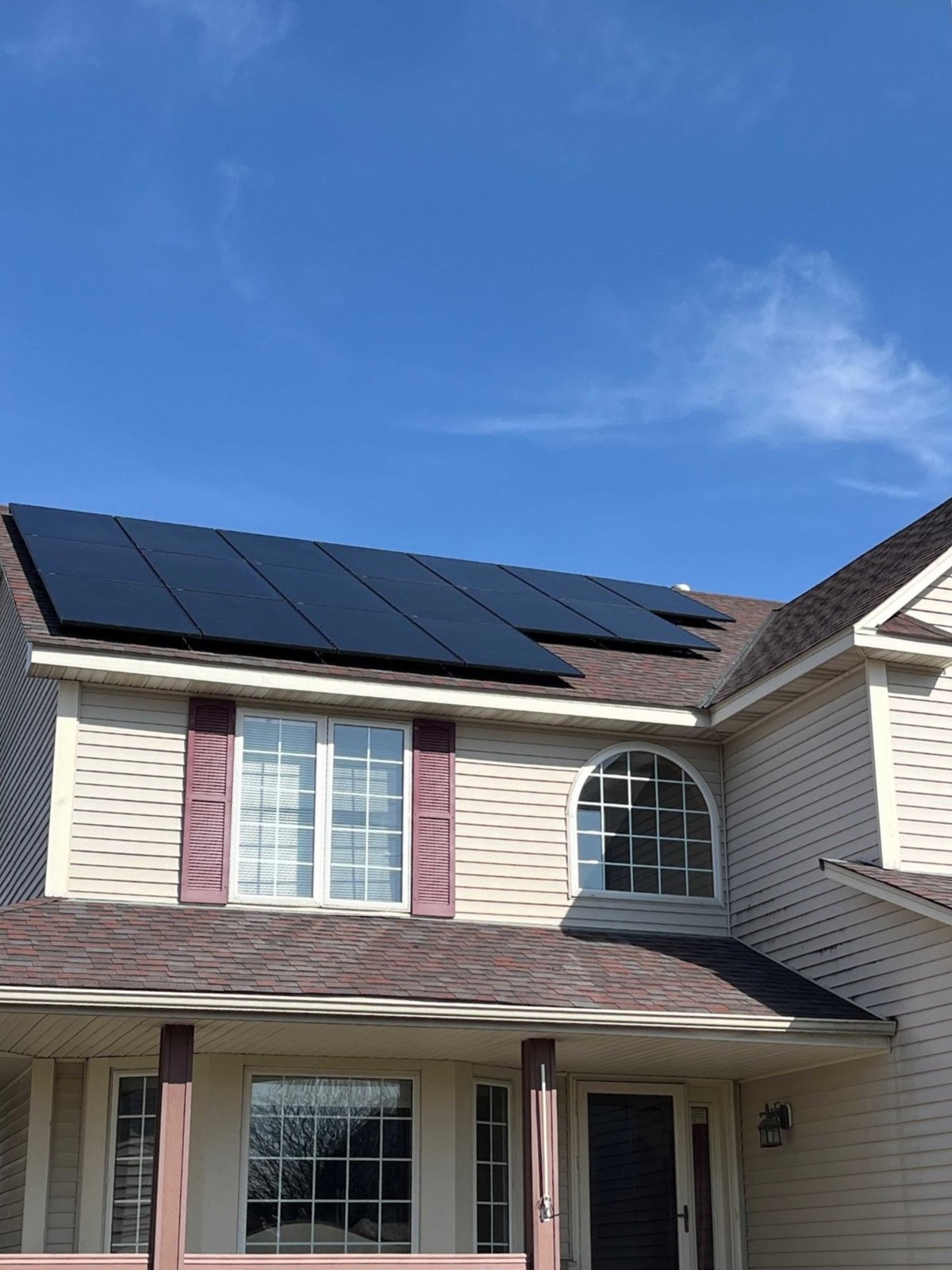
- Choose a battery if you have solar or plan to add it, most of your outages last hours rather than days, and you want silent, automatic backup with no fuel.
- Choose a generator if you have multi-day outages, large loads like electric heat or a big well pump, or no solar.
- Consider both if you want a battery for everyday solar storage and quick outages, with a generator for long winter storms.
Battery vs generator questions
Can a battery run my furnace?
Yes. A gas furnace’s blower and controls draw a modest amount of power that a home battery handles well. All-electric heat draws far more and usually needs a generator or several batteries.
How long will a battery last in a power outage?
It depends on what you back up. On essentials, a 13.5 to 15 kWh battery often lasts through the night and into the next day, and longer if solar recharges it.
Do I need solar to get a battery?
No, but solar lets the battery recharge during a long outage. The Minnesota battery incentive applies to batteries paired with solar.
Can a generator and a battery work together?
Yes, with the right equipment. We design combined systems so the battery handles short outages and the generator covers long ones.
Getting ready for storm season? See how to prepare for a power outage.
Get a backup power quote
We install home batteries and Generac standby generators across Minnesota, Wisconsin, Iowa, Illinois, North Dakota and South Dakota, and we size either one with a load calculation. Get my free quote
Free quote
See what solar and backup power can save you
Get a custom design and savings estimate from Wolf River Electric. No cost, no obligation.