
EV charging
EV charger levels: Level 1, Level 2 and Level 3 explained
Level 1 plugs into a regular outlet, Level 2 runs on a 240-volt circuit and charges most EVs overnight, and Level 3 is DC fast charging for businesses and highway stops. Here is how they compare, and what it takes to install a home charger.
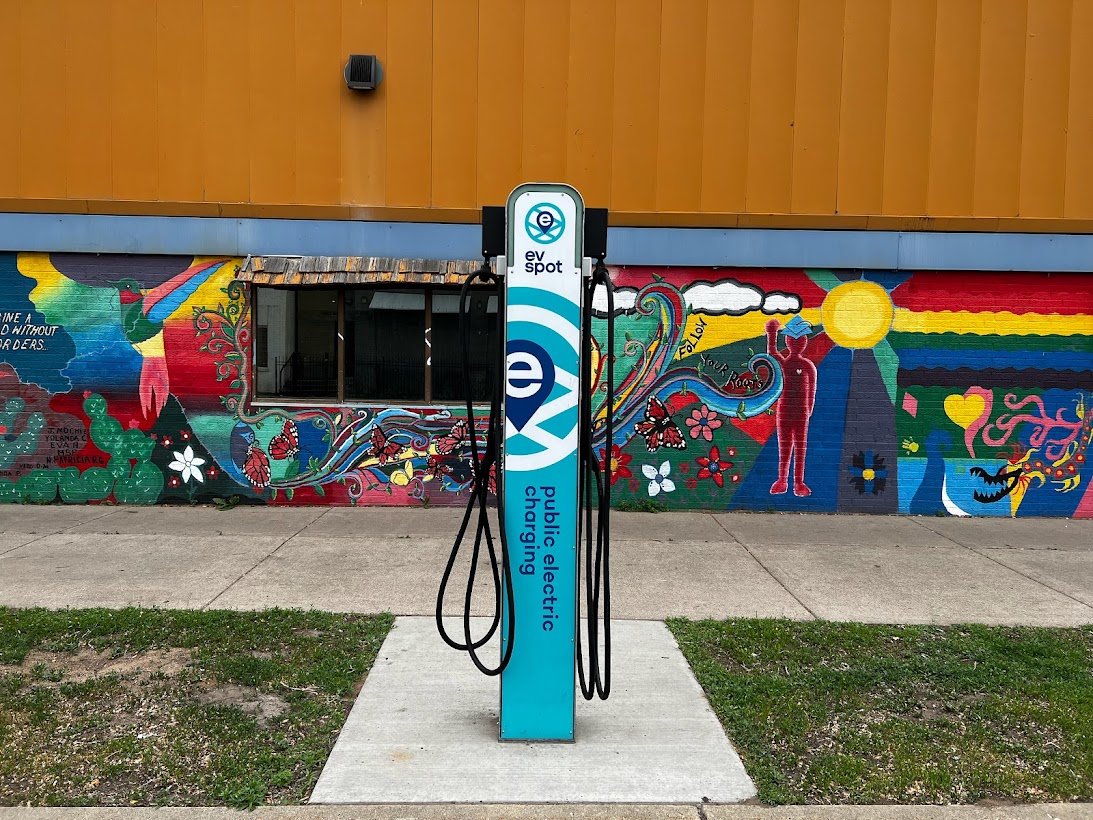
Side by side
Level 1 vs Level 2 vs Level 3 chargers
| Level 1 | Level 2 | Level 3 (DC fast) | |
|---|---|---|---|
| Power | 120-volt household outlet | 240-volt dedicated circuit | DC power from three-phase commercial service |
| Range added | About 3 to 5 miles per hour | About 20 to 40 miles per hour | Up to about 80% charge in 20 to 60 minutes |
| Full charge | A day or more for most EVs | Overnight for most EVs | Fastest, usually stops near 80% |
| Best for | Short daily drives, plug-in hybrids | Most homes and workplaces | Businesses, fleets and highway stops |
| Install needs | None, uses the cord that came with the car | Licensed electrician, permit, sometimes a panel upgrade | Utility coordination, commercial electrical service |
Charging speed depends on the car, the charger and the weather. Cold batteries charge slower.
Level 1
Level 1 charging: the cord that came with your car
Level 1 uses a standard 120-volt outlet. It costs nothing to set up, but it adds only a few miles of range per hour, so a nearly empty battery can take more than a day to refill.
- Works with any standard outlet
- Portable, so you can charge away from home
- No app or scheduling on most cords
- Too slow for long daily commutes or larger batteries
Level 2
Level 2 charging: the home standard
A Level 2 charger runs on a 240-volt circuit, like a dryer or range, and refills most EVs overnight. It is what we install in most garages and carports.
- Several times faster than Level 1
- Apps to schedule charging for off-peak rates
- Plug-in models use a 240-volt outlet, hardwired models connect directly
- Needs a dedicated circuit and breaker sized for the charger
- May need a panel upgrade or smart load management on smaller services
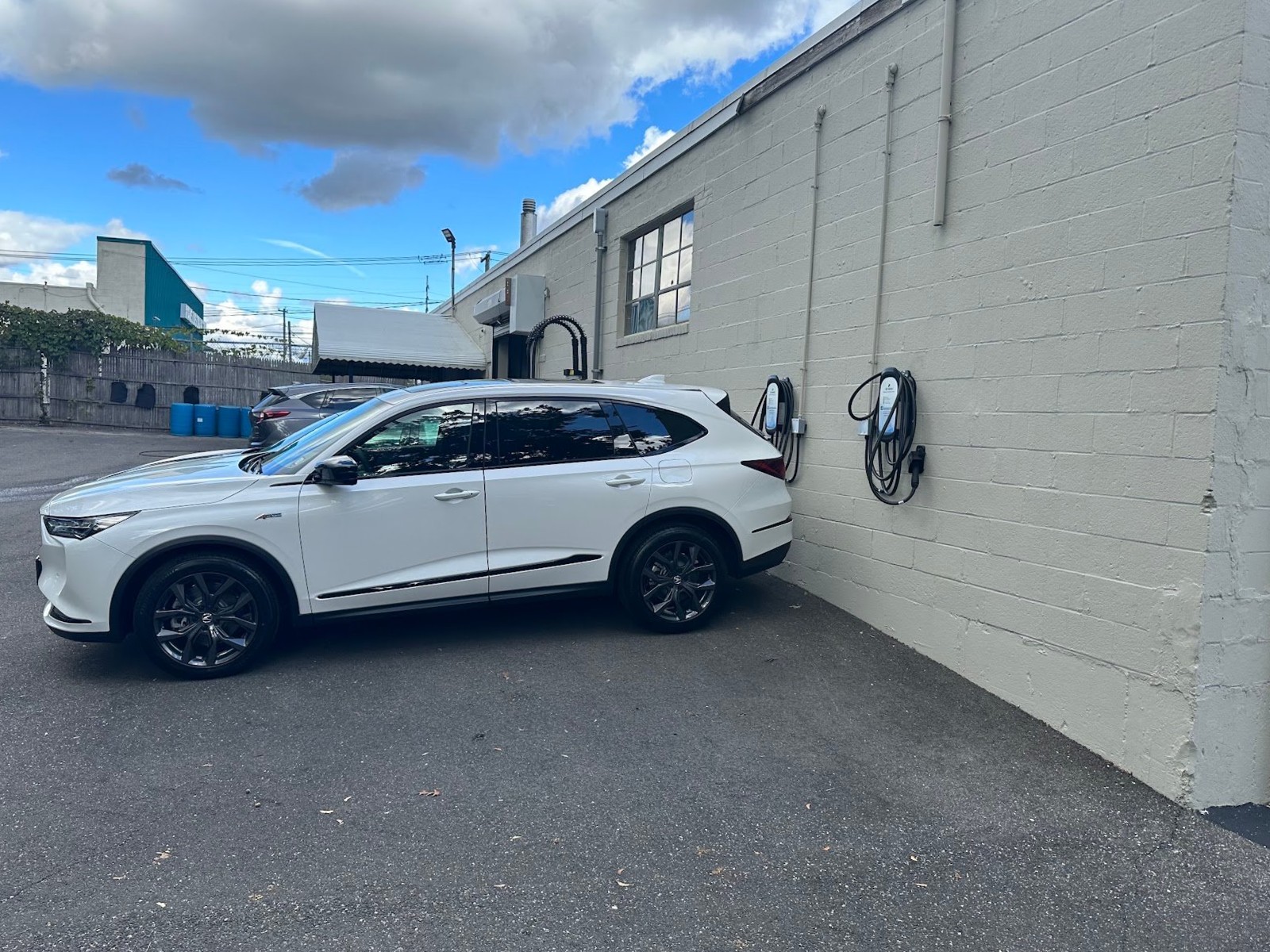
Level 3
Level 3 DC fast charging for businesses
DC fast chargers skip the car's onboard charger and feed the battery directly, which is why they are so fast. They need commercial three-phase power and utility coordination, so they are built for businesses, fleets and travel stops, not homes.
Wolf River Electric installs Level 2 and Level 3 charging for businesses, including ChargePoint and Tesla Supercharger sites. See commercial EV charging installation.
Bidirectional
Bidirectional charging: your EV as backup power
With a compatible car and charger, power can flow both ways: into the battery when you charge, and back to your home during an outage. We install bidirectional charging systems today. Learn about bidirectional EV charging.
Installation
What a Level 2 home charger install involves
Site check
We look at your electrical panel, where you park and the distance to the charger location.
Load calculation
We confirm your service can carry the charger. If it cannot, we size a panel upgrade or a smart panel or breaker that manages the load.
Permit
We pull the electrical permit for your city or county.
Installation
A licensed electrician runs the dedicated 240-volt circuit and mounts the charger, plug-in or hardwired.
Inspection and setup
The work is inspected, then we test the charger and help you set up the app and charging schedule.
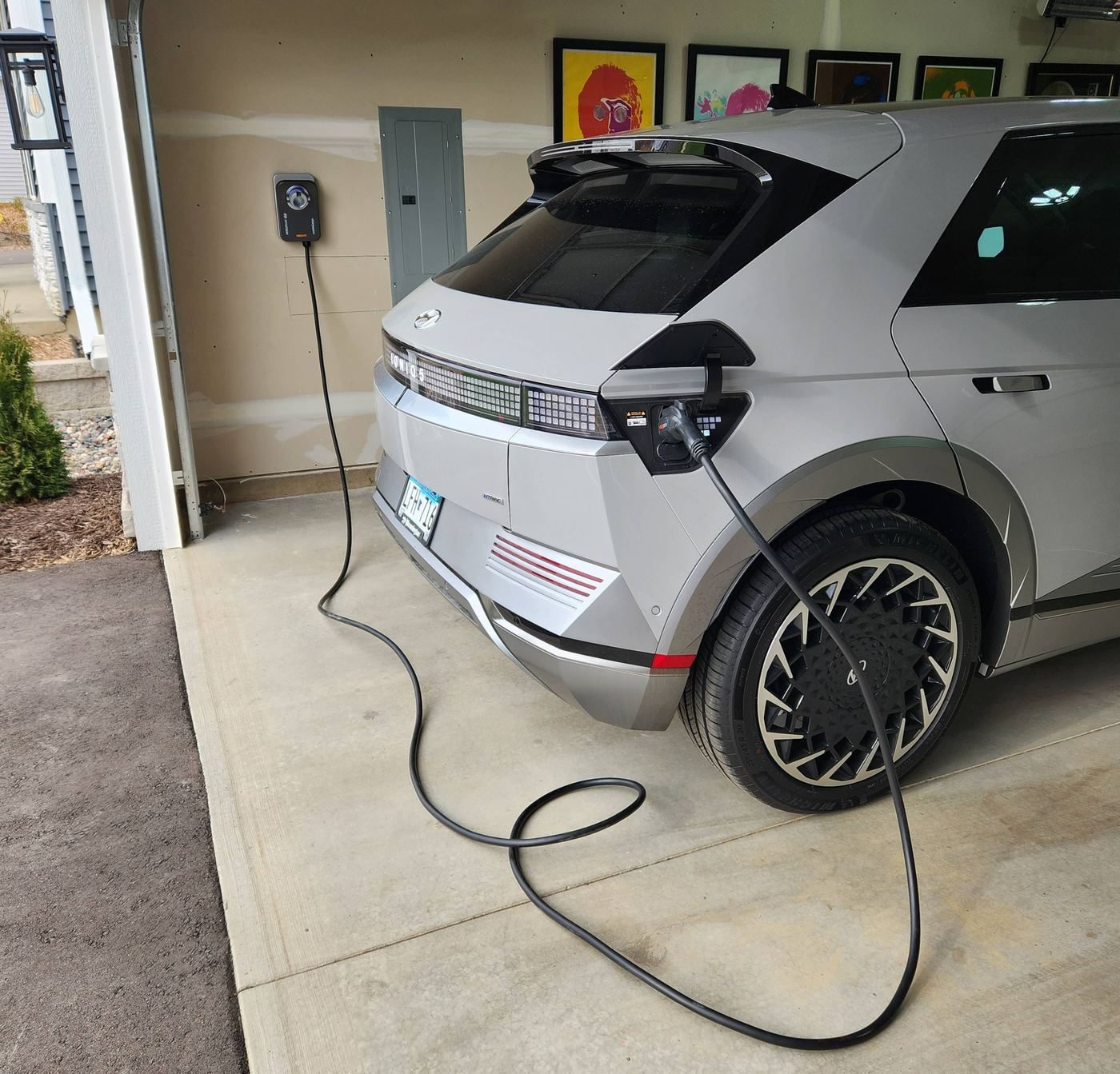
Choosing
Which EV charger do you need?
You drive under 30 miles a day
Level 1 may be enough, especially with a plug-in hybrid. Many owners still add Level 2 for flexibility.
You drive more, or have two EVs
A Level 2 charger at home is the right fit. Ask about load management if your panel is near capacity.
You run a business or fleet
Level 2 for employees and longer parking, Level 3 DC fast charging for quick turnover and fleets.
EV charger questions
What is the difference between Level 1 and Level 2 charging?
Level 1 uses a 120-volt outlet and adds about 3 to 5 miles of range per hour. Level 2 uses a 240-volt circuit and adds about 20 to 40 miles per hour, enough to refill most EVs overnight.
Do I need a 240-volt outlet for a Level 2 charger?
You need a 240-volt circuit. Plug-in chargers use a 240-volt outlet, and hardwired chargers connect straight to the circuit. A licensed electrician installs either one with a permit.
Can I install a Level 3 charger at home?
Not practically. DC fast chargers need commercial three-phase power and cost far more than a home charger. Level 2 is the home standard.
Plug-in or hardwired: which is better?
Hardwired chargers can run at higher power and have no outlet to wear out. Plug-in chargers are easier to move. We help you pick based on your car and panel.
Will I need a panel upgrade?
Sometimes. We run a load calculation first. If your panel is near capacity, a smart panel or load-managing breaker can sometimes avoid a full upgrade.
Are there rebates for home EV chargers?
Federal EV tax credits have ended, but many utilities still offer charger rebates and lower EV charging rates. See EV incentives.
Do you serve my area?
We install EV chargers for homes and businesses in Minnesota, Wisconsin, Iowa, Illinois, North Dakota, South Dakota, Colorado and Michigan.