
EV Charging FAQs
Straight answers on home charging
The questions we hear most from EV drivers in the Midwest, answered by the electricians who do the installs.
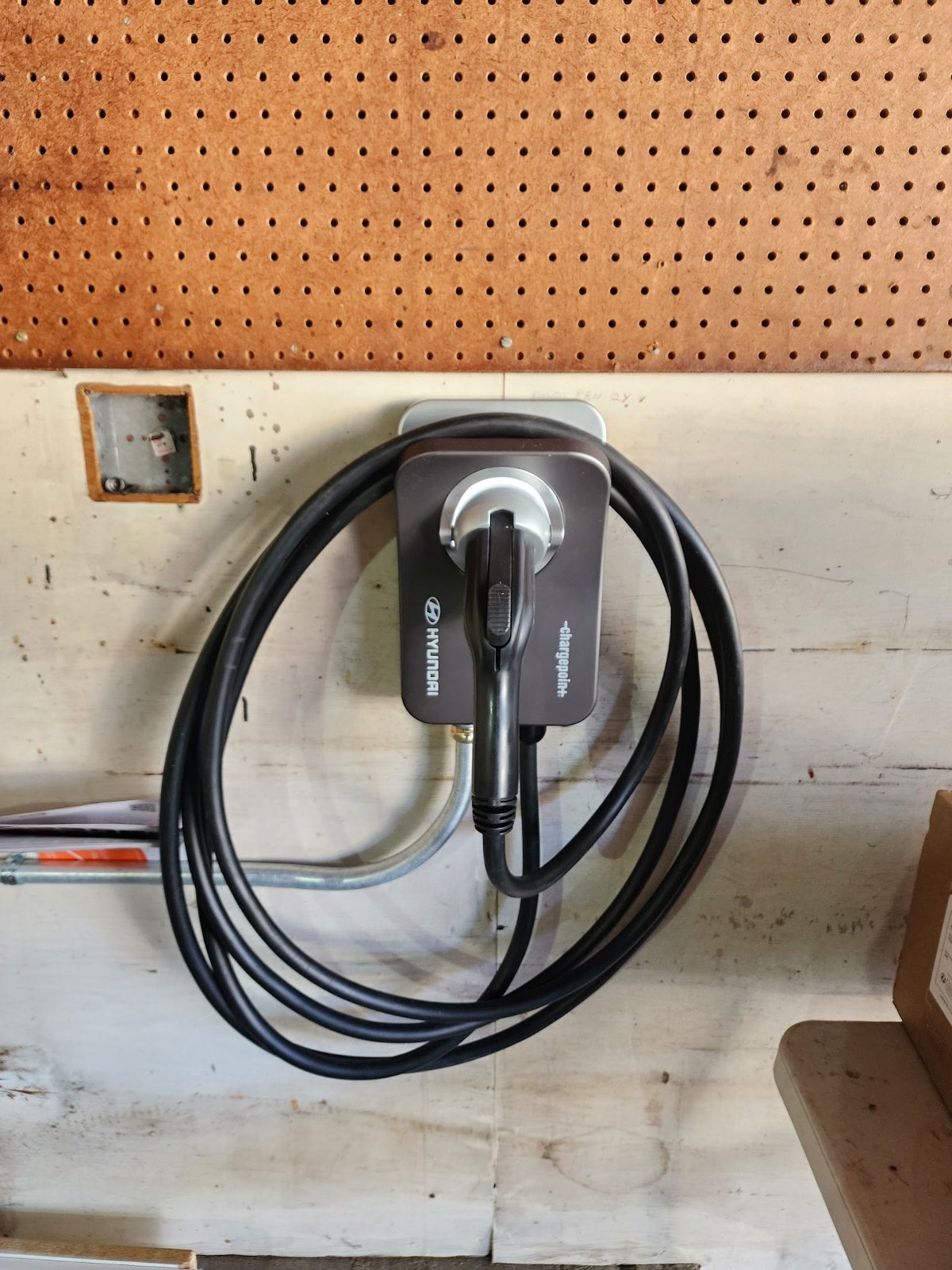
Quick facts
Three things to know first
Level 2 is the sweet spot
Most drivers need a 240-volt Level 2 charger at home, not a DC fast charger.
Winter is fine
EVs and chargers are built for Midwest winters. Charging in a garage and preconditioning while plugged in helps range.
Your panel sets the price
The charger is the easy part. Panel capacity and the wire run decide most of the cost.
Pricing
What affects the cost of an install
Every home is different, so we quote after a quick look at your panel and parking spot. These are the things that move the price most:
- ✓Distance from the panel to where you park
- ✓Panel capacity, and whether load management or an upgrade is needed
- ✓Indoor or outdoor mounting, and trenching for detached garages
- ✓Local permit fees
Certified installerTeslaFranklinWHEnphaseRECSPANChargePoint
Get my free quoteEV charging FAQs
How fast is a Level 2 charger?
A Level 2 charger usually adds about 20 to 40 miles of range per hour, depending on the charger and your vehicle.
What size circuit do I need?
Most home chargers run on a 40 to 60 amp circuit. We size it to your vehicle, your charger and the room in your panel.
Can I install a charger in a detached garage?
Yes. We run a feeder to the garage or add a subpanel. Trenching or boring may be needed.
Will charging in winter hurt my battery?
No. Cold weather lowers range for a while, but charging in a garage and preconditioning while plugged in helps.
Do I need a permit?
Yes. We pull the electrical permit and schedule the inspection.
Can my EV power my house?
Some vehicles support bidirectional charging. Our bidirectional charging page covers what works today.
Do you install Tesla chargers?
Yes. We are a certified Tesla installer and also install ChargePoint and other UL-listed chargers.
Can I add solar later?
Yes. We set up your panel so solar or a battery can be added without redoing the charger circuit.