AI compute hosting · Guide 1 of 17
Power is the bottleneck of the AI boom. We build the solar, storage and hosting infrastructure so your property can host AI servers, and the owner keeps 80% of what they earn.
*Estimates using current program numbers (730 contracted hours a month). Not an offer or a promise of income.
Updated November 20, 2026 by Wolf River Electric.
We build the bottom of the AI stack
NVIDIA's Jensen Huang describes AI as a five-layer cake, with energy as the first layer (NVIDIA, March 2026). Wolf River Electric works the same way on your property: we are the designers, infrastructure builders and enablers of the energy layers that AI runs on. We design, engineer, negotiate, finance, contract, build, integrate and monitor, and our compute partners, including SPAN and its XFRA platform, bring the AI demand. How we build AI energy infrastructure.
What AI compute hosting is
Every AI answer, image and model runs on GPUs in a data center somewhere. Companies racing to build more capable AI, some now openly aiming at superintelligence (SI), need far more compute than today's data centers can supply, and the limit is usually power, not chips. New data centers can wait years for a grid connection. The grid regulator NERC expects about 18 GW of new data center load in the MISO region, which covers most of our states, by 2035 (NERC 2025 Long-Term Reliability Assessment, via POWER Magazine).
Distributed, or decentralized, compute flips the model. Instead of one giant building, AI servers sit at many sites that already have power: a business roof covered in solar, a farm shop, a warehouse. Each site is an AI node on a cloud network. Companies rent GPU time from the network, and the site owner earns a share of the AI revenue.
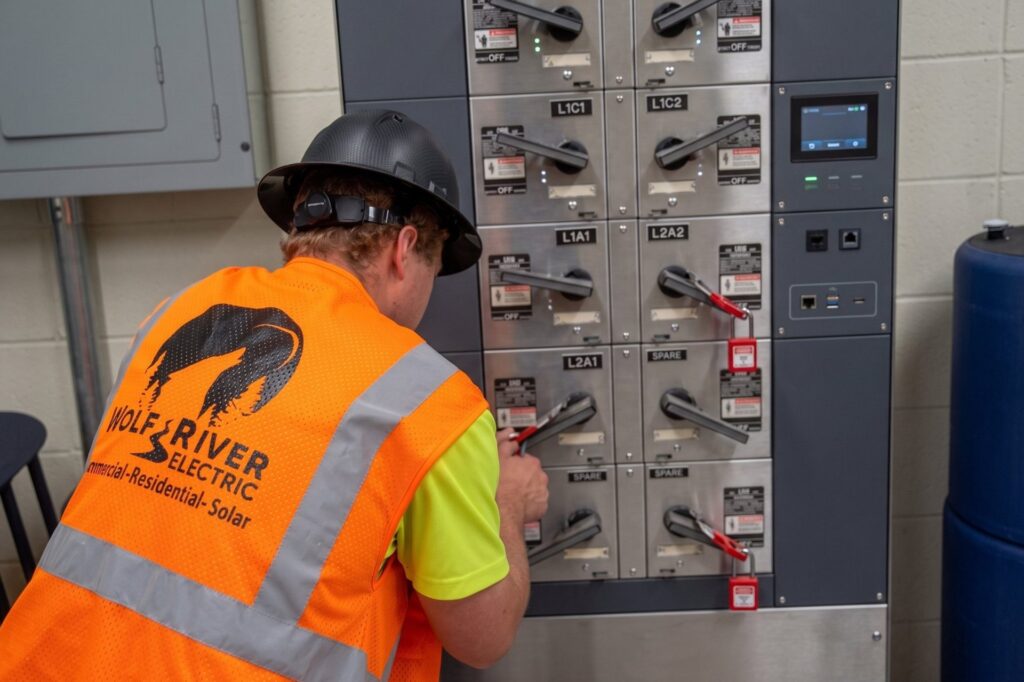
The AI power boom, by the numbers
- $725 billion. What Amazon, Microsoft, Alphabet and Meta were projected to spend on AI infrastructure in 2026, up from an earlier $670 billion estimate (Techstrong.ai, May 2026).
- 195 GW. U.S. large-load capacity already under signed construction or supply agreements, with another 107 GW in advanced talks. Wood Mackenzie calls it a supercycle of infrastructure investment (Wood Mackenzie, October 2026).
- About 1%. Data center vacancy in 2026, with more than 200 GW in planning and utility connections for large loads taking five to ten years (FTI Consulting, September 2026).
- 18 GW. New data center load NERC expects in the MISO region, which covers most of our states, by 2035 (POWER Magazine).
The takeaway: the AI gold rush runs on electricity, and whoever owns the power holds the scarce resource. A solar site that hosts AI nodes is the picks-and-shovels play of the AI economy. You supply the watts, the network turns them into tokens, and you share in the revenue. Forecasts can change, and hosting income is never guaranteed, but the demand signal is hard to miss.
Why a kWh is worth more inside an AI node
Here is the math that makes AI hosting different. Solar on your own roof or land costs about 6 cents per kWh over its life after the federal credit. The utility charges about 14 cents; the U.S. commercial average was about 14.5 cents in August 2026. Extra solar sold back to the grid is credited at the retail rate or about half of it in most of our markets. Inside an AI node, that same kWh becomes computing time that cloud customers pay roughly $4 to $16 for: in October 2026, major clouds listed Nvidia H100s at about $5.40 to $6.88 per GPU-hour and the newest B300s at about $15 to $17.80, against roughly 0.7 to 1.8 kW of power per GPU (Safeguard, October 2026). The host keeps 80% of the network rental revenue, which is priced below major-cloud rates, and in our examples that still works out to about $2.40 to $3.40 per kWh the node uses: 17 to 24 times retail power and 40 to 57 times what solar costs to make. Rates move with the market, so we always test cautious cases.
How it works
| Step | What happens | Who does it |
|---|---|---|
| 1. Site assessment | We review your bills, roof or land, electrical service, internet options and the space for the server | Wolf River Electric |
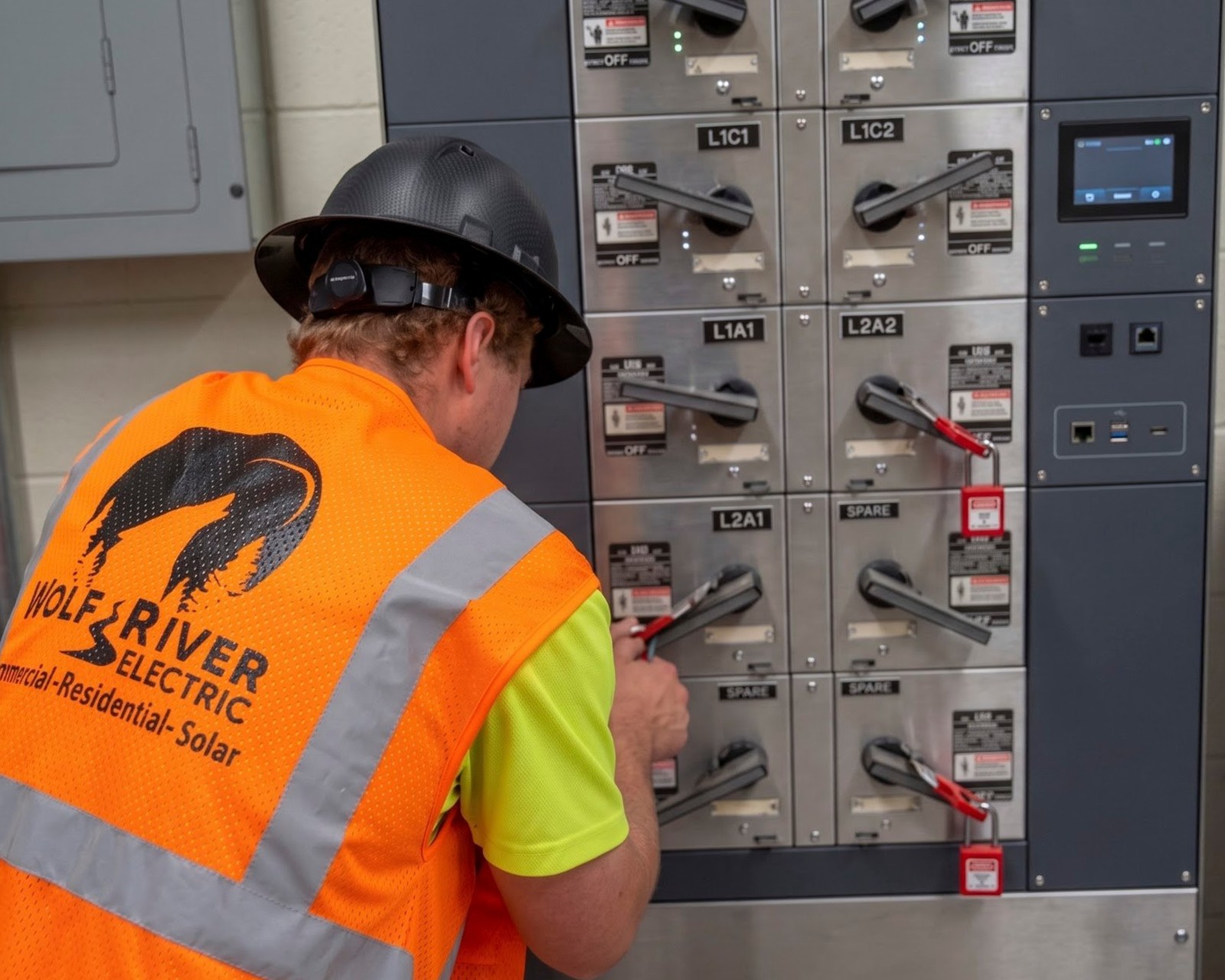
| 2. Infrastructure build | Solar, battery storage, electrical service upgrade, dedicated circuits, UPS power, wiring for cooling, and a secure server space | Wolf River Electric, with the cooling and fiber providers |
| 3. AI demand | The cloud network finds paying AI customers, runs the software, keeps each customer's work isolated and monitors the server 24/7 | The network |
| 4. You get paid | You receive a monthly payout for the hours your server was rented, with a dashboard showing usage and earnings | The network |
What you provide and what is handled for you
| You provide | Handled for you |
|---|---|
| Power and space: dedicated electrical capacity and an indoor, temperature-controlled room | Solar, battery and electrical design and installation by our licensed electricians |
| Fiber internet: a fast, synchronous connection (about 2 Gbps recommended) | Finding enterprise AI customers and routing work to your server |
| The hardware: you buy and own the AI server, which can be financed | Cloud software, scheduling, security isolation and 24/7 remote monitoring |
| Physical security and basic on-site access when hardware needs hands | Monthly billing, payouts and usage reporting |
Full details are on our AI compute site requirements and SOC 2 page.
What an AI node can earn
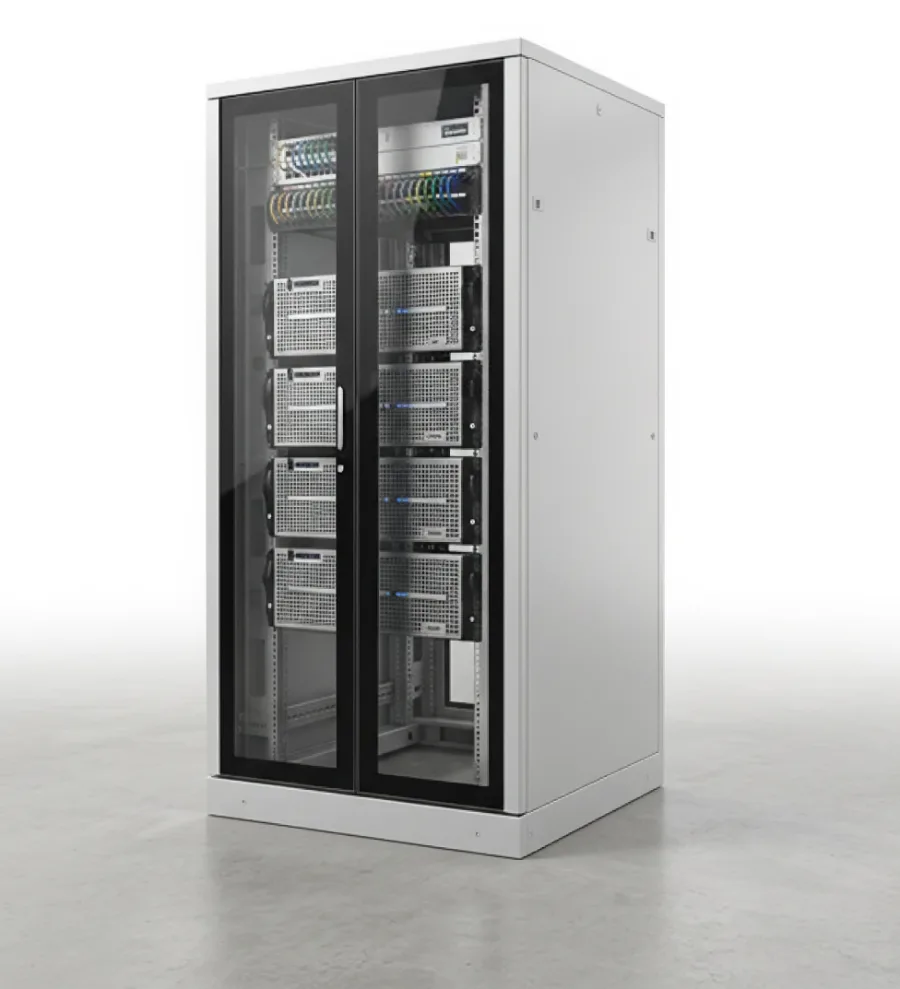
Hosts are paid for the GPU hours their server is rented. The owner of the server is the host. Under current program terms the host keeps 80% of the compute and storage revenue, and the integrator and systems administrator keeps 20% for installing, running and maintaining the servers. The host pays for the power and internet the server uses. Two examples using current program numbers (730 contracted hours a month, power at about 10¢ a kWh):
| Server (8 GPUs) | Package price | Host share a month | Power a month | Notes |
|---|---|---|---|---|
| RTX PRO 6000 | About $309,000 | About $10,300 | About $430 | About 9.4 kW site power |
| B300 | About $839,000 | About $36,200 | About $1,060 | About 18.8 kW site power |
These figures are before loan payments, taxes and fiber, and they assume rental demand holds. Rental rates for older GPUs have fallen sharply as new chips arrive, so plan for lower numbers too. Run your own scenarios in the AI compute hosting calculator and see the worked examples in our ROI analysis.
Solar and batteries: cover the building and the AI load
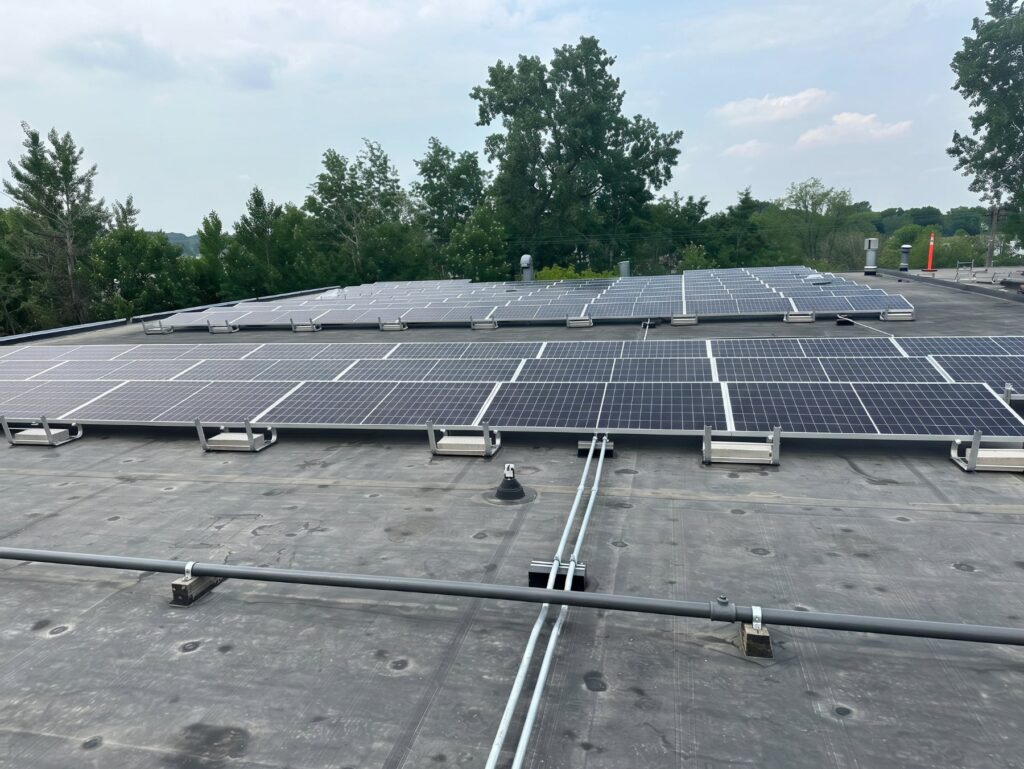
An AI server runs all day and night. One 8-GPU RTX PRO server uses roughly 4,300 kWh a month at full use under the program energy estimate, about five times what a typical home uses. Solar sized for your building plus the server lets you replace both power bills with a fixed solar payment, and the hosting revenue comes on top. In our calculator's Minnesota example, a business with a $1,500 monthly electric bill moves to netting about $3,400 a month after all loan payments, power and internet, at the program's full contracted hours.
A battery protects rental hours when the grid goes down and stores midday solar for night-time compute where net metering does not credit it at full value. Read how solar pairs with AI compute and how batteries fit in.
Who it fits
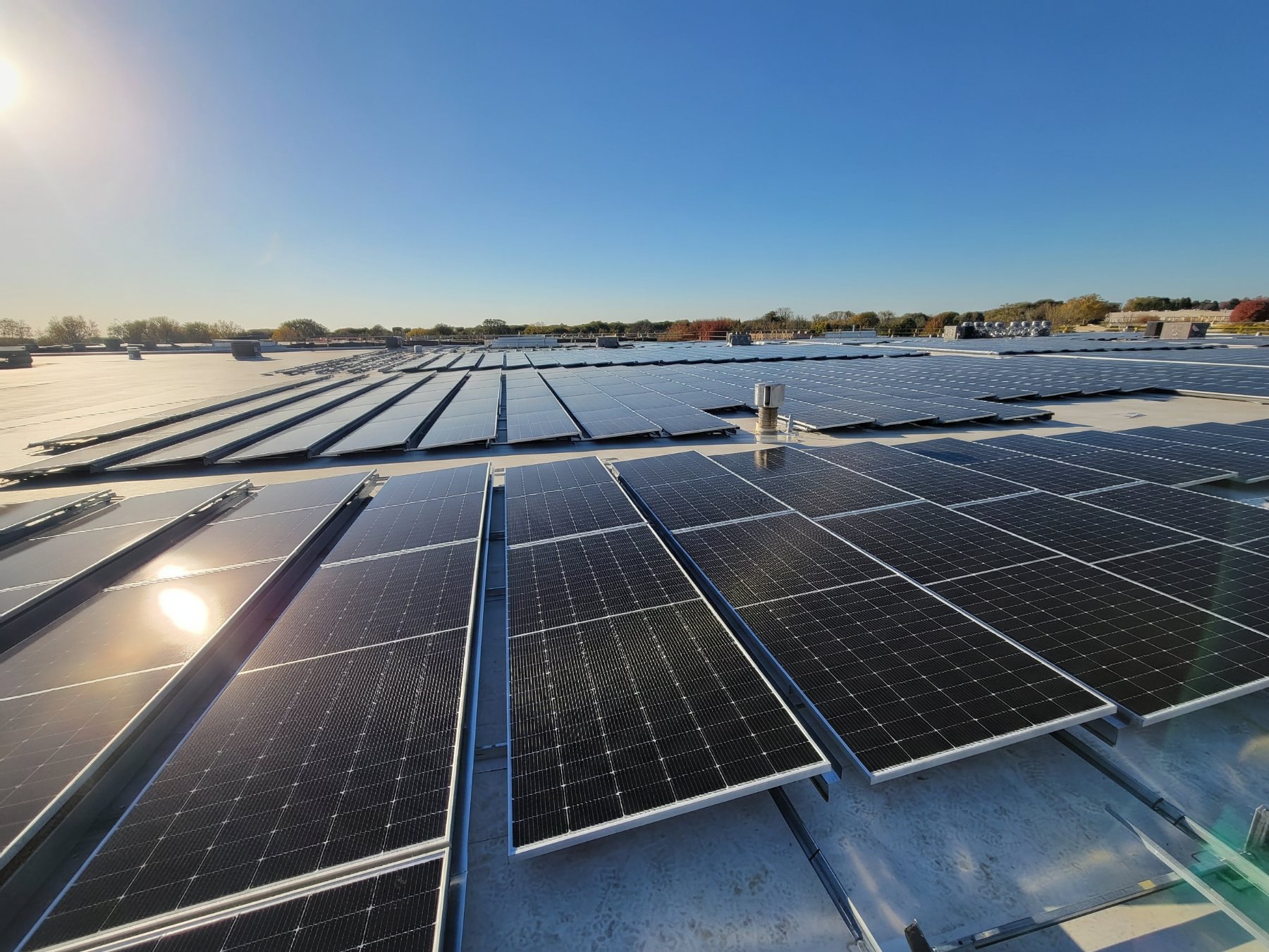
- Businesses with roof space, a solid electrical service and fiber nearby
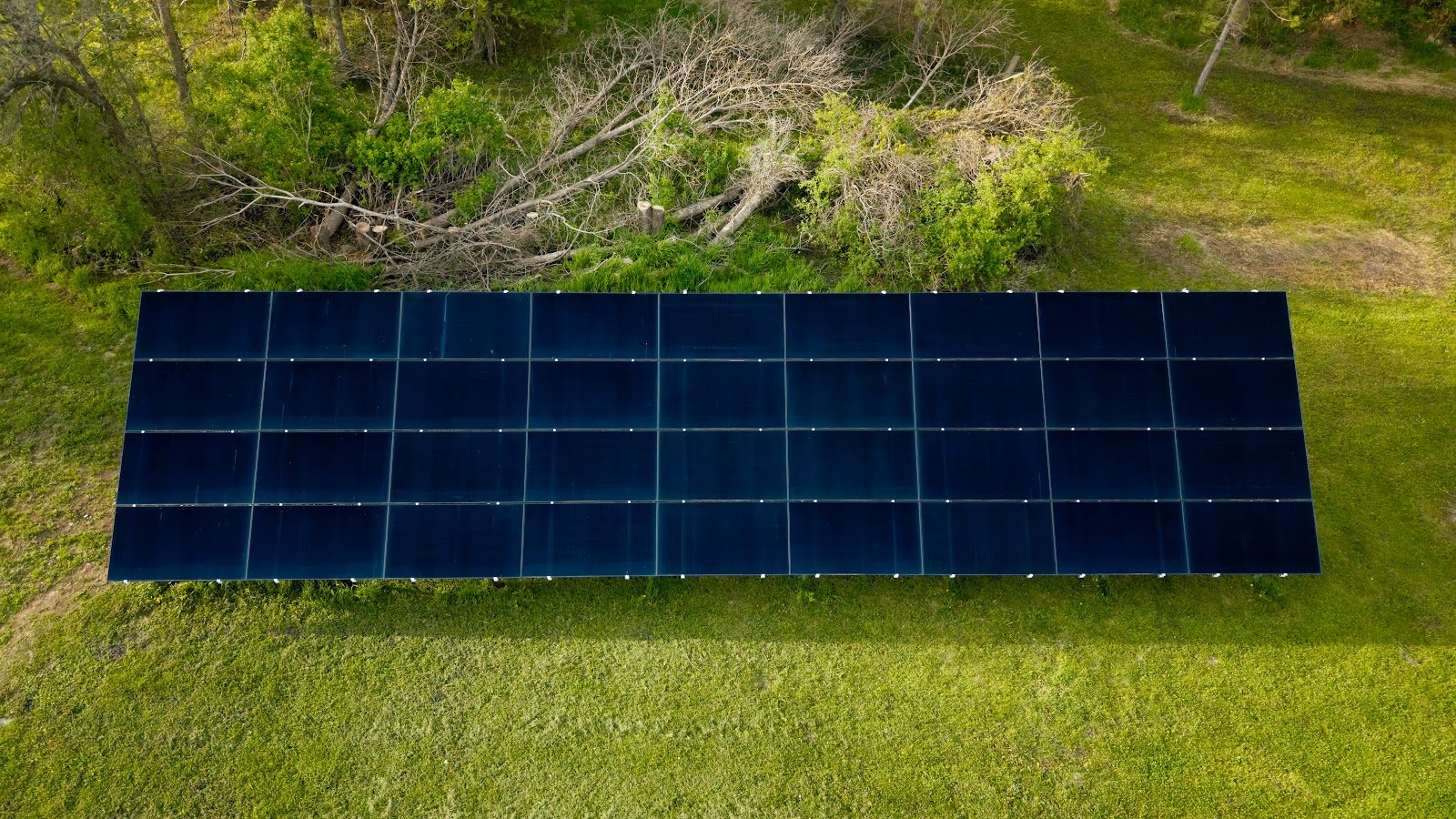
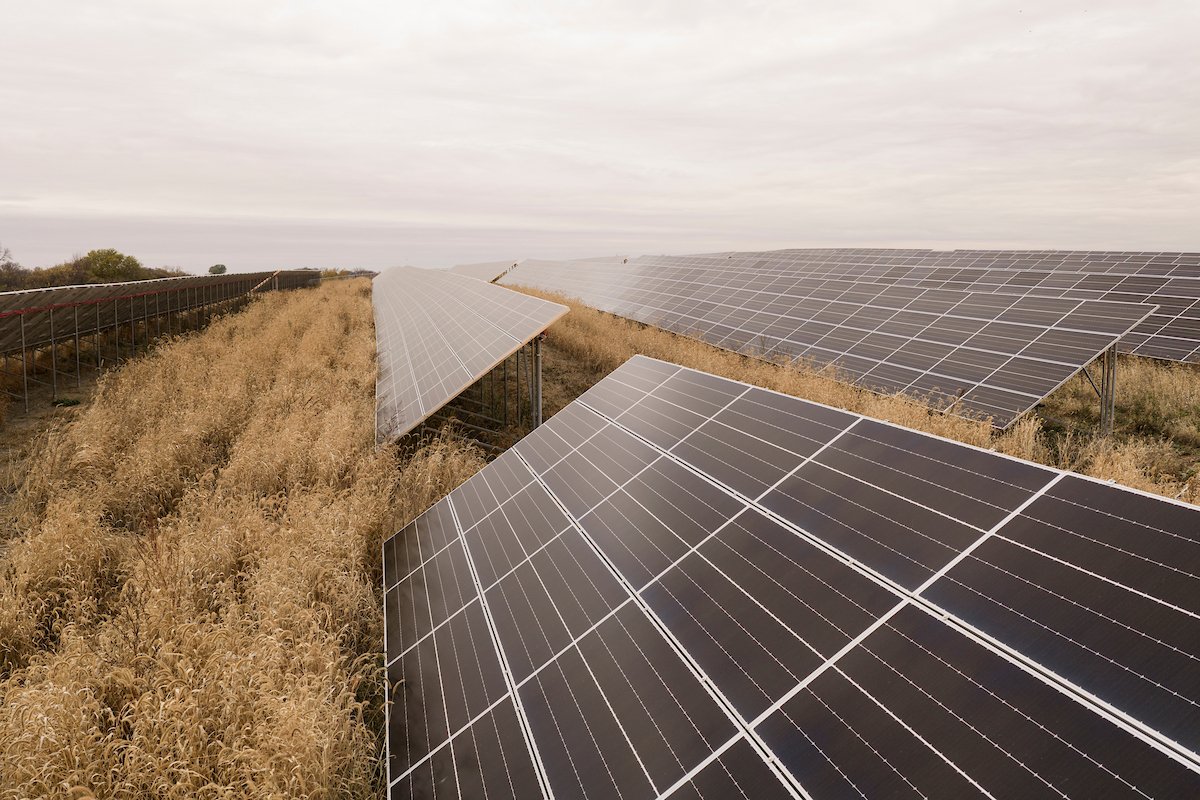
- Farms and ag operations with shop space and land for a ground-mount array (farm solar)
- Warehouses, light industrial buildings and multi-tenant properties
- Owners who already have solar and want to use their power on site instead of exporting it
Homes are a different fit, because an 8-GPU server needs far more power and cooling than a house. Smaller home-scale AI nodes are coming; join the list on our home AI node page.
Why the Upper Midwest works
North Dakota has the cheapest average commercial electricity in the country, about 8.0 cents per kWh, and South Dakota and Iowa are below the national middle, based on June 2026 U.S. Energy Information Administration data. Cold winters also help with cooling. Compare power costs by state.
Build generation now, add AI nodes later
You do not have to buy servers on day one. Many owners build solar now, while the 30% federal credit is available for systems placed in service by the end of 2027 under current rules, design it AI-ready, and add AI nodes when the numbers fit. Until then, the power cuts your bills or earns offtake credits. When the nodes arrive, they become a behind-the-meter buyer for your own power and a source of hosting income that takes little day-to-day work, though it is never guaranteed. Read the phased plan, energy offtake explained and what AI passive income really pays.
Risks to understand first
- Utilization. You earn for hours rented. Idle hours earn little.
- Rental prices fall as chips age. Rates for Nvidia H100 GPUs fell from about $7 to $10 an hour in 2024 to around $2 in late 2025 (Silicon Data).
- Hardware life. GPUs earn for years, not decades. We match long loans to solar and site work, and shorter terms to the servers. How we structure financing.
- Taxes and contracts. Depreciation and credits depend on your situation. Review the program contract with your attorney and tax advisor.
AI compute hosting guides
- AI compute packages: estimated cost and monthly revenue
- AI energy infrastructure: what we design, build and enable
- AI compute and solar planner (calculator)
- Build solar now, host AI nodes later
- AI-ready solar farms and powered land
- Energy offtake explained
- Solar and AI passive income
- ROI analysis with worked examples
- Ways to earn from AI compute and energy
- Solar for AI compute
- Battery storage for AI compute
- Site requirements and SOC 2
- Financing AI compute and solar
- Power costs by state
- Home AI node interest list
- AI and energy glossary
- Data center electrical construction
AI compute hosting questions
Do I need solar to host an AI node?
No, but power is the biggest ongoing cost you control. Solar replaces it with a fixed payment and, after the loan, very low cost power.
Who are the AI customers?
Companies that rent GPU time for AI work such as running models for their apps. The network finds them and keeps each customer's work isolated from the site.
Can I see my earnings?
Yes. The server reports usage, uptime and completed jobs, and you track earnings and payouts in a dashboard.
What happens if the power goes out?
The server stops earning unless backup power carries it. That is why we pair AI nodes with UPS power and, often, a battery.
Can I add more servers later?
Yes, if the site has the power, cooling and space. Adding servers where the infrastructure is already built usually costs much less than starting a new site.
See if your site fits
We check your bills, building, electrical service and internet and show you the numbers with solar, battery and AI servers together. Request an AI compute site assessment or call (763) 229-6662.
AI compute packages
One 8-GPU server each. Estimated using current program numbers.
Before loan payments and taxes, at 730 contracted hours a month and 10¢ power. Rental demand and rates can change; revenue is not guaranteed. Compare packages
Free quote
See what your site could earn hosting AI compute
Get a free AI compute site assessment from Wolf River Electric: power, solar, hosting space and fiber. No cost, no obligation.