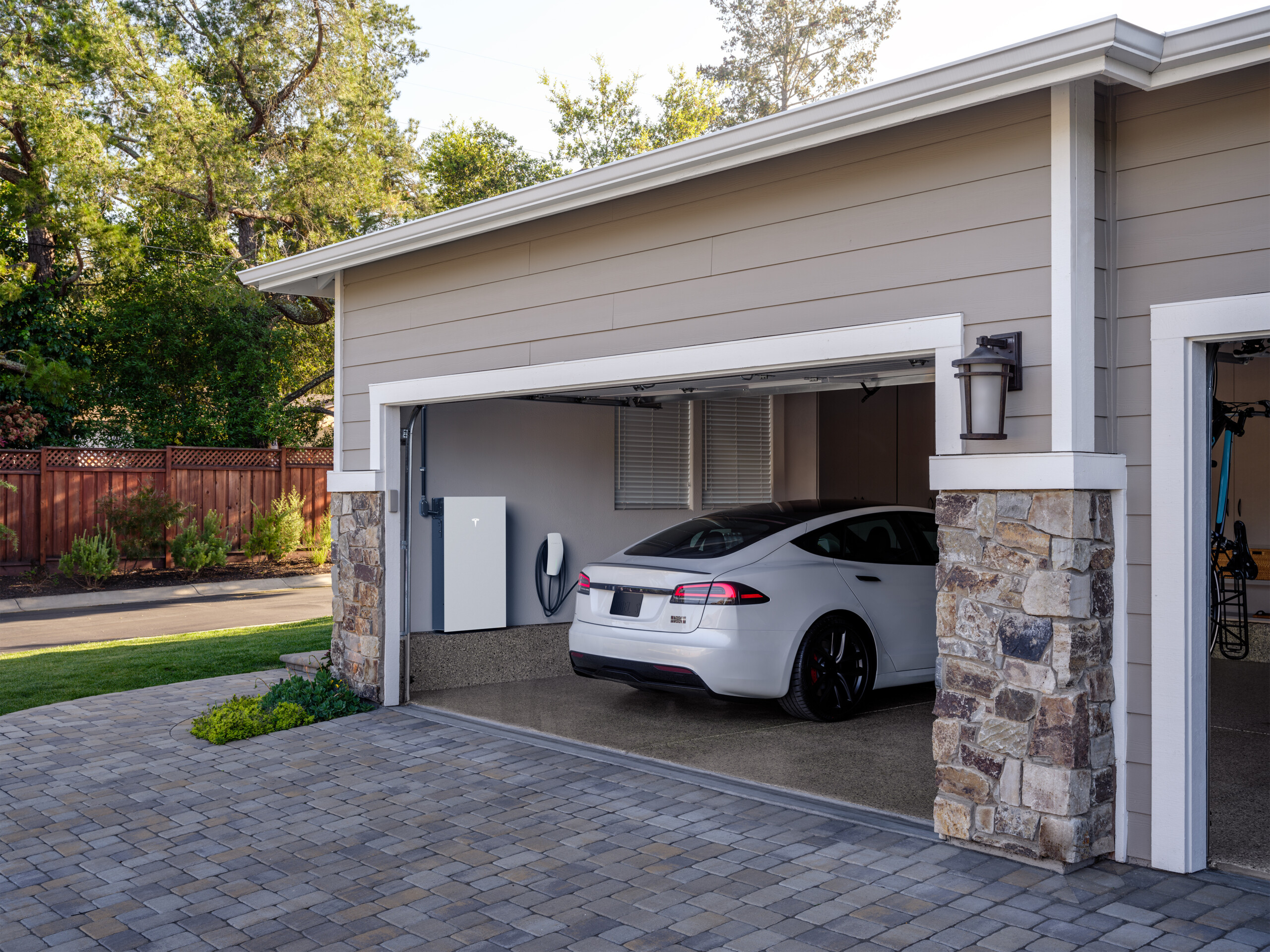
The demand for commercial solar EV charging is rising across Minnesota, Wisconsin, and the Midwest as businesses investigate how to reduce energy costs, attract more customers, and future-proof their operations. Whether you manage a retail center, office building, hotel, school, or industrial facility, installing solar plus EV charging can dramatically increase both sustainability and profitability.
Ready for the next step? Learn about home EV charger installation from Wolf River Electric, or get a free quote.
This guide outlines the top benefits of commercial solar EV charging and why now is the ideal time to invest.
1. What Is Commercial Solar EV Charging?
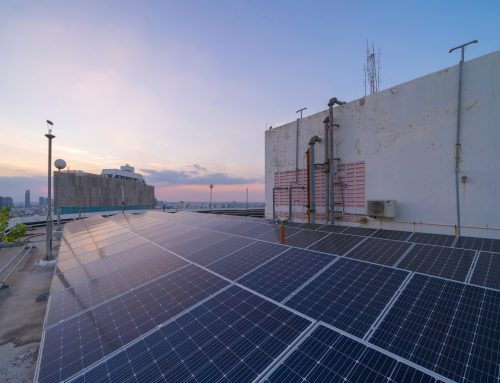
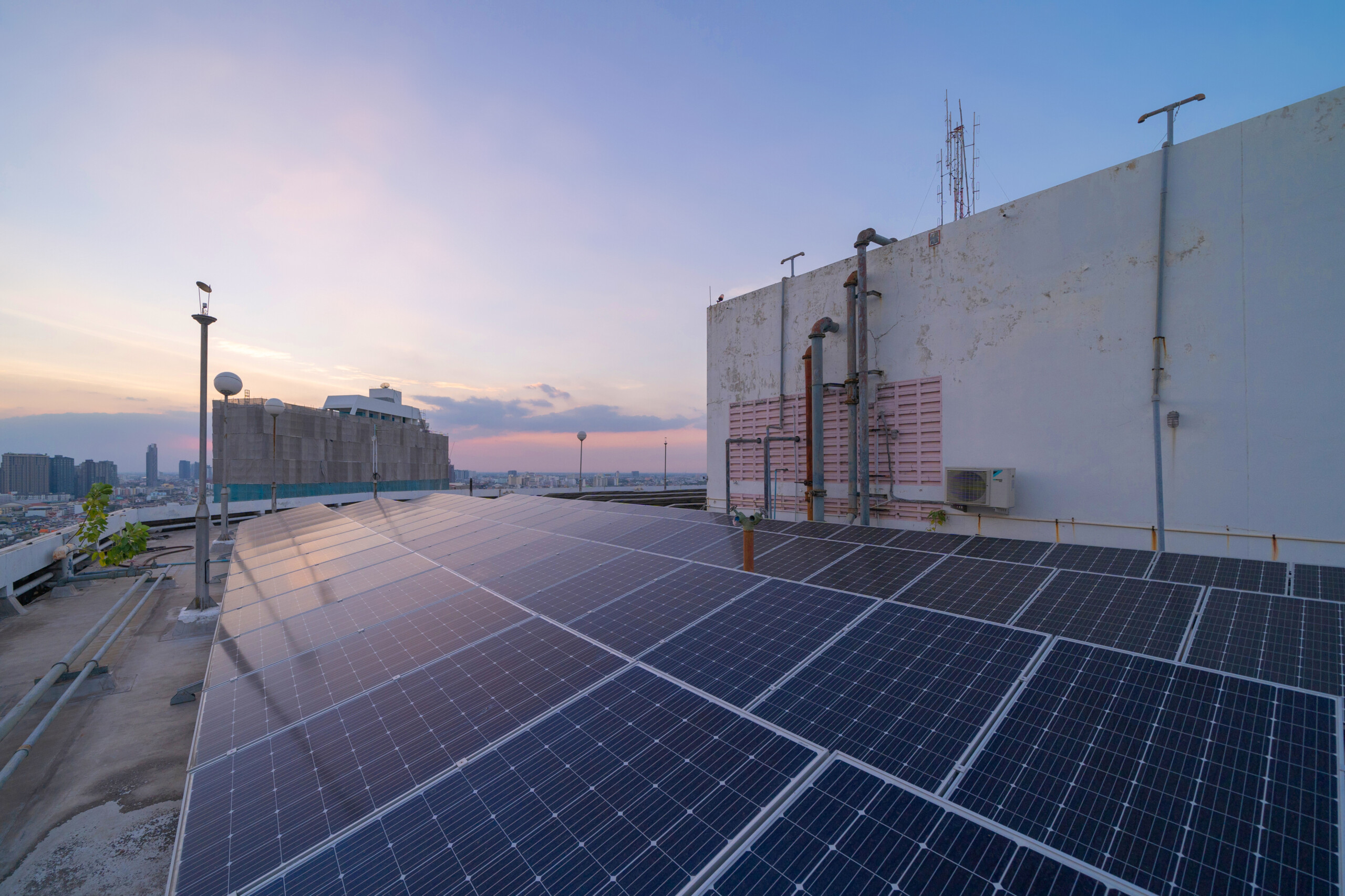
Commercial solar EV charging combines on-site solar power generation with electric vehicle charging stations. This allows businesses to:
-
Offset charging costs
-
Reduce grid demand
-
Offer clean, affordable charging
-
Stabilize energy use during peak hours
According to the U.S. Department of Energy, EV charging demand in commercial locations continues to rise rapidly.
2. Benefit #1: Reduce Electricity Costs
Solar reduces daytime charging costs significantly. Businesses that use commercial solar EV charging can:
-
Eliminate most charging electricity costs
-
Avoid peak demand charges
-
Use solar to offset other building loads
Solar energy is one of the lowest-cost electricity sources available, providing long-term financial stability.
3. Benefit #2: Attract More Customers & Tenants
EV drivers prefer businesses offering convenient, reliable charging.
Commercial buildings with EV chargers, see:
-
Increased foot traffic
-
Longer customer dwell times
-
Higher loyalty and return rates
-
Improved tenant satisfaction
Retail centers, restaurants, hotels, and medical offices especially benefit from installing commercial solar EV charging stations.
4. Benefit #3: Meet Corporate Sustainability Goals
Sustainability matters more than ever. Solar and EV charging help businesses:
-
Reduce carbon emissions
-
Earn LEED or green building certifications
-
Strengthen ESG reporting
-
Demonstrate environmental leadership
Educational institutions and government facilities also adopt solar EV charging to meet state and local mandates.
Public Sector Adoption Is Accelerating
Schools, universities, municipal buildings, and federal facilities are rapidly implementing commercial solar EV charging to meet state decarbonization goals and federal clean-energy mandates.
The U.S. Department of Energy highlights renewable energy and EV infrastructure as key pillars in national clean energy strategies.
By adding solar-powered EV charging, businesses reduce their environmental impact and position themselves as leaders in the region’s clean energy transition.
5. Benefit #4: Improve Employee Benefits & Retention
Employees increasingly prefer workplaces that support EV charging.
Offering charging can:
-
Improve recruitment
-
Boost retention rates
-
Reduce commute anxiety
-
Provide a modern, tech-forward work culture
It’s one of the most affordable workplace perks.
According to the U.S. Department of Energy, workplace charging plays a critical role in EV adoption and is considered one of the most effective ways to support a clean-energy workforce.
Offering commercial solar EV charging is one of the most affordable, high-impact benefits a business can provide, and it instantly enhances your employee experience.
6. Benefit #5: Protect Your Business from Grid Instability
Midwest storms, heatwaves, and cold snaps can strain the grid.
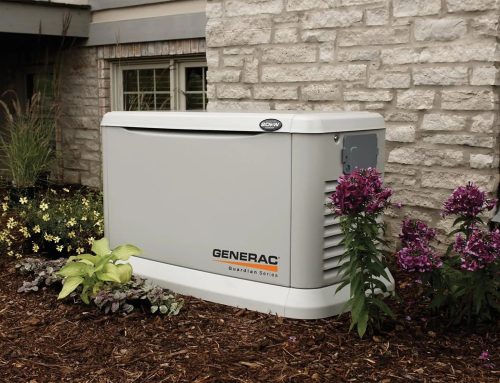
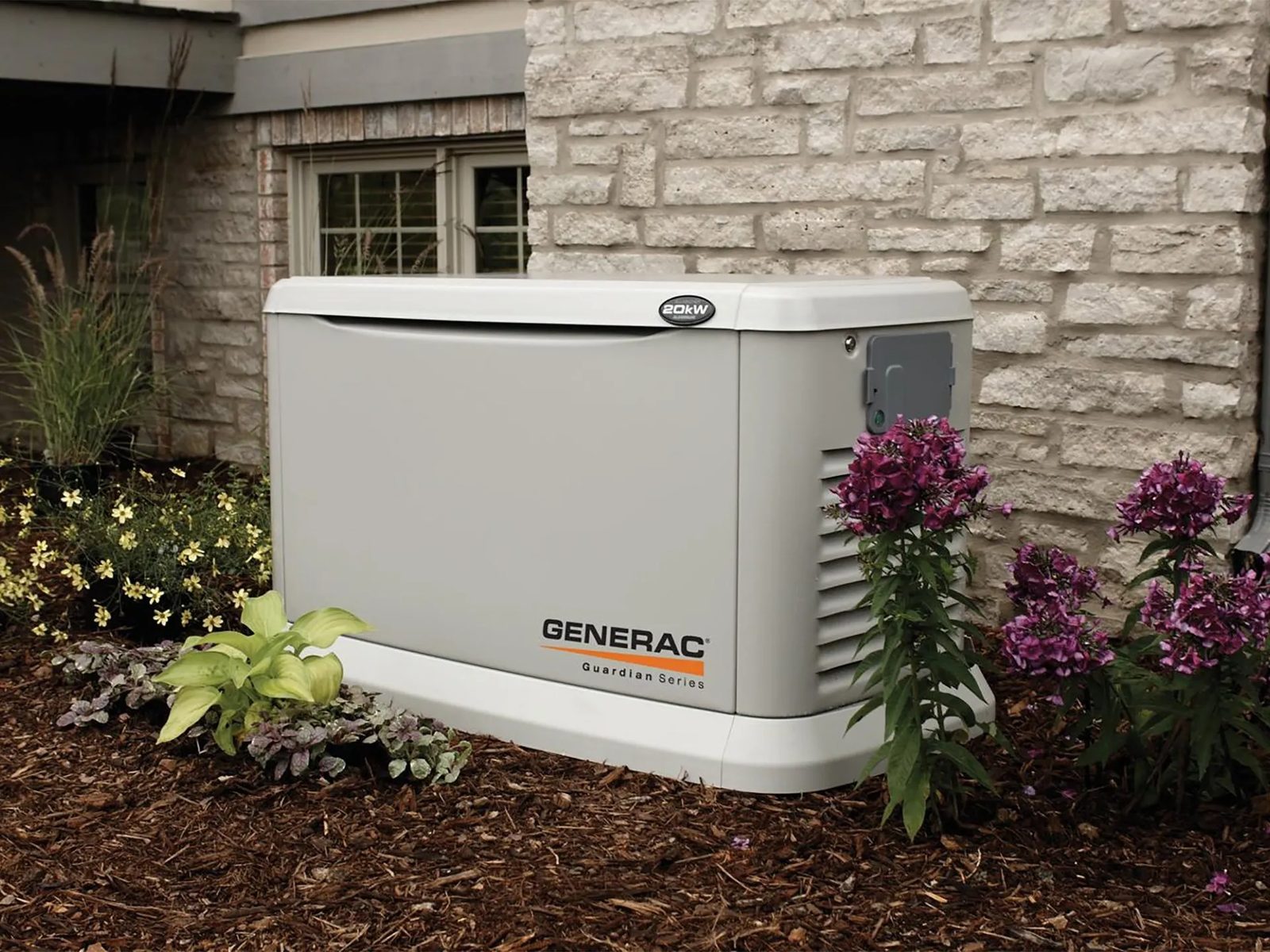
Pairing commercial solar EV charging with battery storage helps businesses:
-
Maintain operations during outages
-
Reduce reliance on the grid
-
Power essential equipment
Why This Matters in the Midwest
According to the U.S. Department of Energy, extreme weather events are increasing and continue to place higher demand on aging grid infrastructure. Having on-site renewable energy and storage adds a layer of protection against regional instability and long-term grid challenges.
By integrating battery storage with commercial solar EV charging, your business strengthens operational continuity, protects revenue, and ensures predictable energy availability year-round, no matter the weather.
7. Benefit #6: Maximize Available Incentives
2026 and beyond offer strong incentives for commercial solar EV charging, including:
-
30% federal credit for solar placed in service by the end of 2027
-
Accelerated depreciation (MACRS)
-
Utility rebates for EV charging equipment
-
State-level clean energy programs
-
Grants for rural and commercial properties
Commercial projects often qualify for additional credits based on:
-
Domestic manufacturing
-
Low-income communities
-
Energy communities
Wolf River Electric helps businesses navigate all incentives.
8. Benefit #7: Increase Property Value
Properties with commercial solar EV charging gain:
-
Higher market value
-
Stronger leasing demand
-
Better long-term NOI
-
Increased asset competitiveness
Hotels, mixed-use developments, retail centers, and multi-family buildings especially benefit.
9. Why Midwest Businesses Choose Wolf River Electric
Wolf River Electric provides complete commercial solar and EV solutions, including:
-
Solar design and engineering
-
EV charging installation
-
Site planning & trenching
-
Demand charge analysis
-
Battery integration
-
Financing and incentive guidance
-
Ongoing maintenance
Our commercial projects improve bottom-line performance while creating sustainable, future-ready facilities.
Conclusion
Investing in commercial solar EV charging gives Midwest businesses a clear competitive advantage. With lower energy costs, stronger sustainability performance, better customer engagement, and powerful 2026 tax incentives, now is the ideal time to begin.
👉 Ready to build a commercial solar EV charging plan? Contact Wolf River Electric today.
Free quote
See what solar and backup power can save you
Get a custom design and savings estimate from Wolf River Electric. No cost, no obligation.