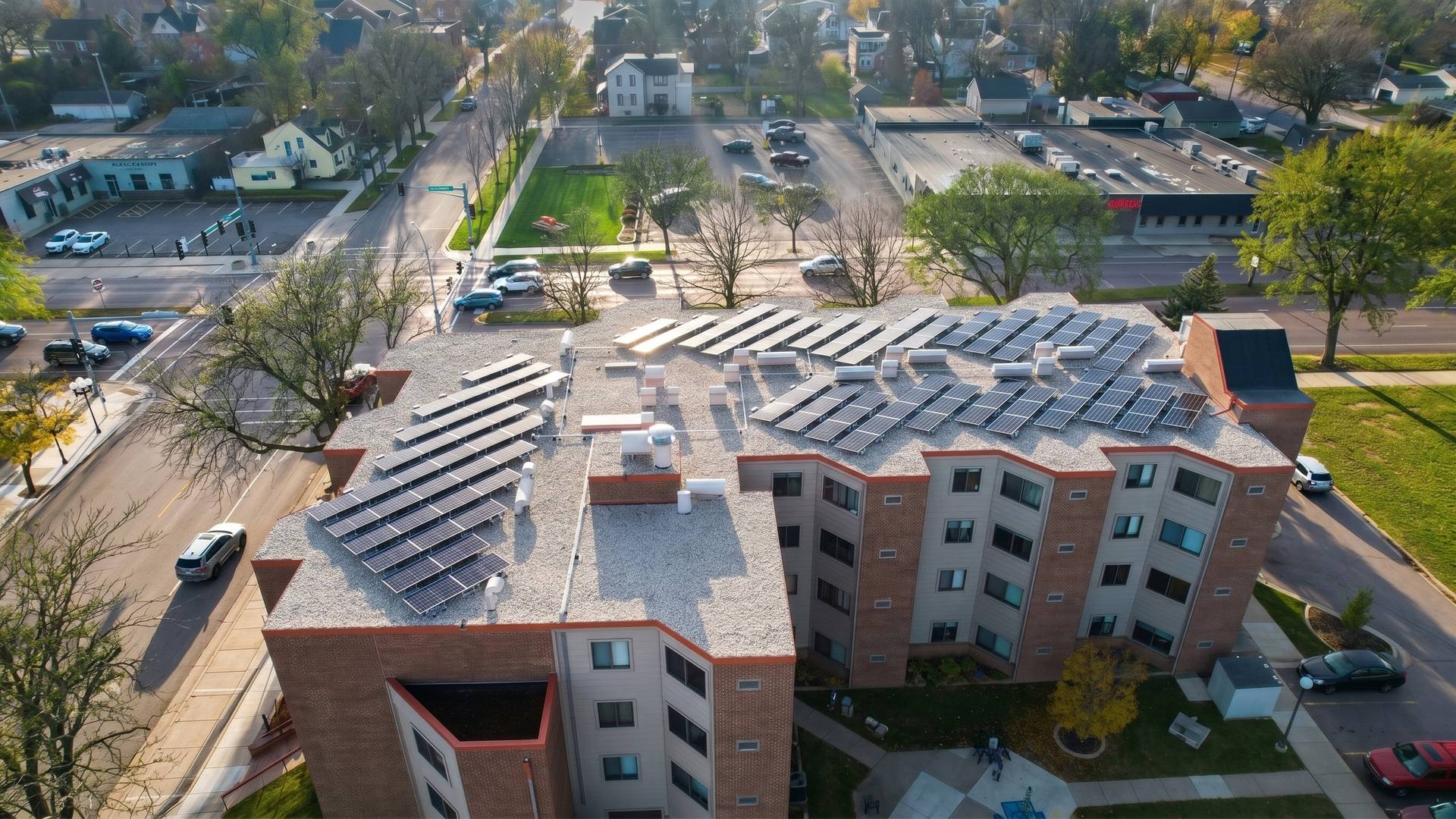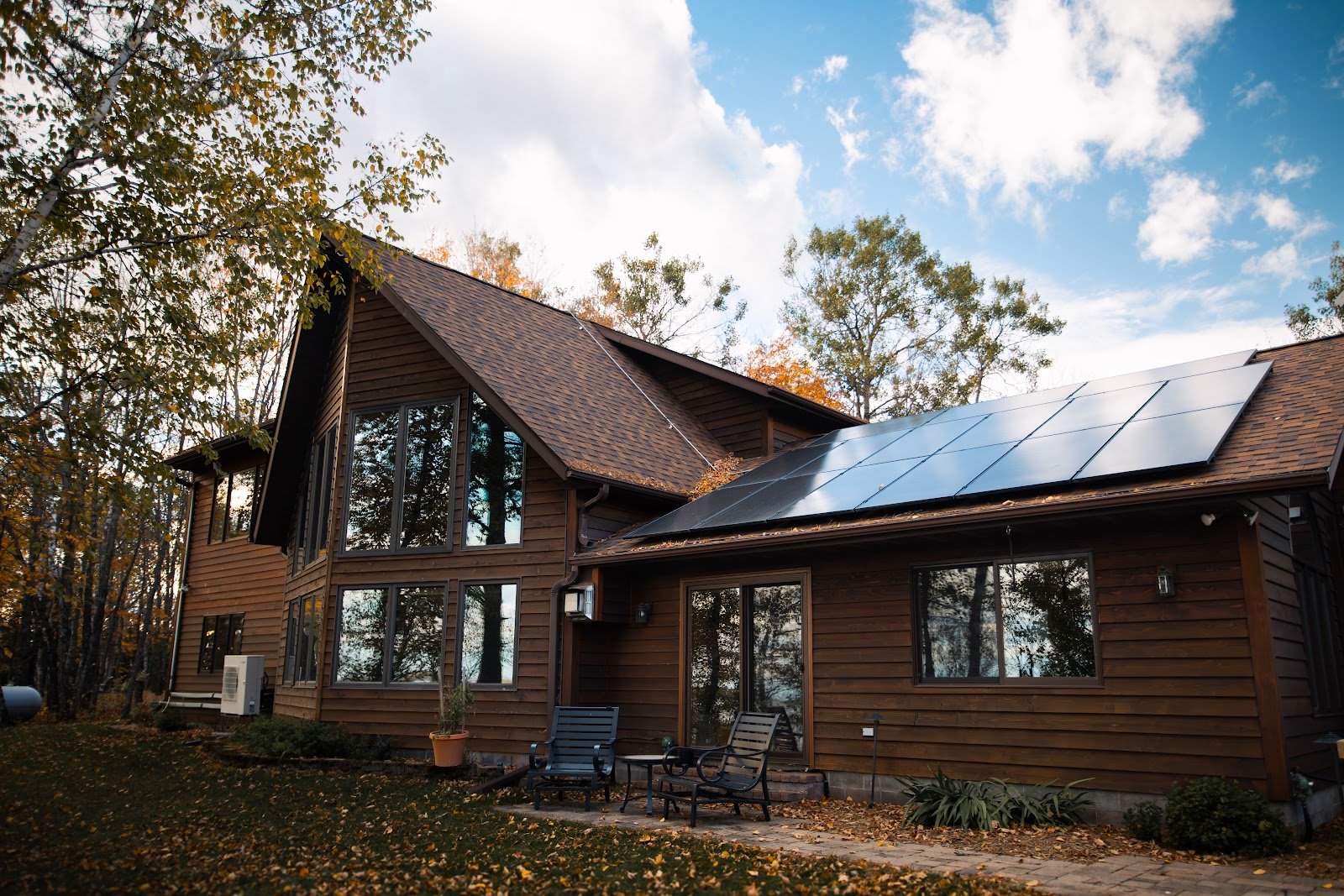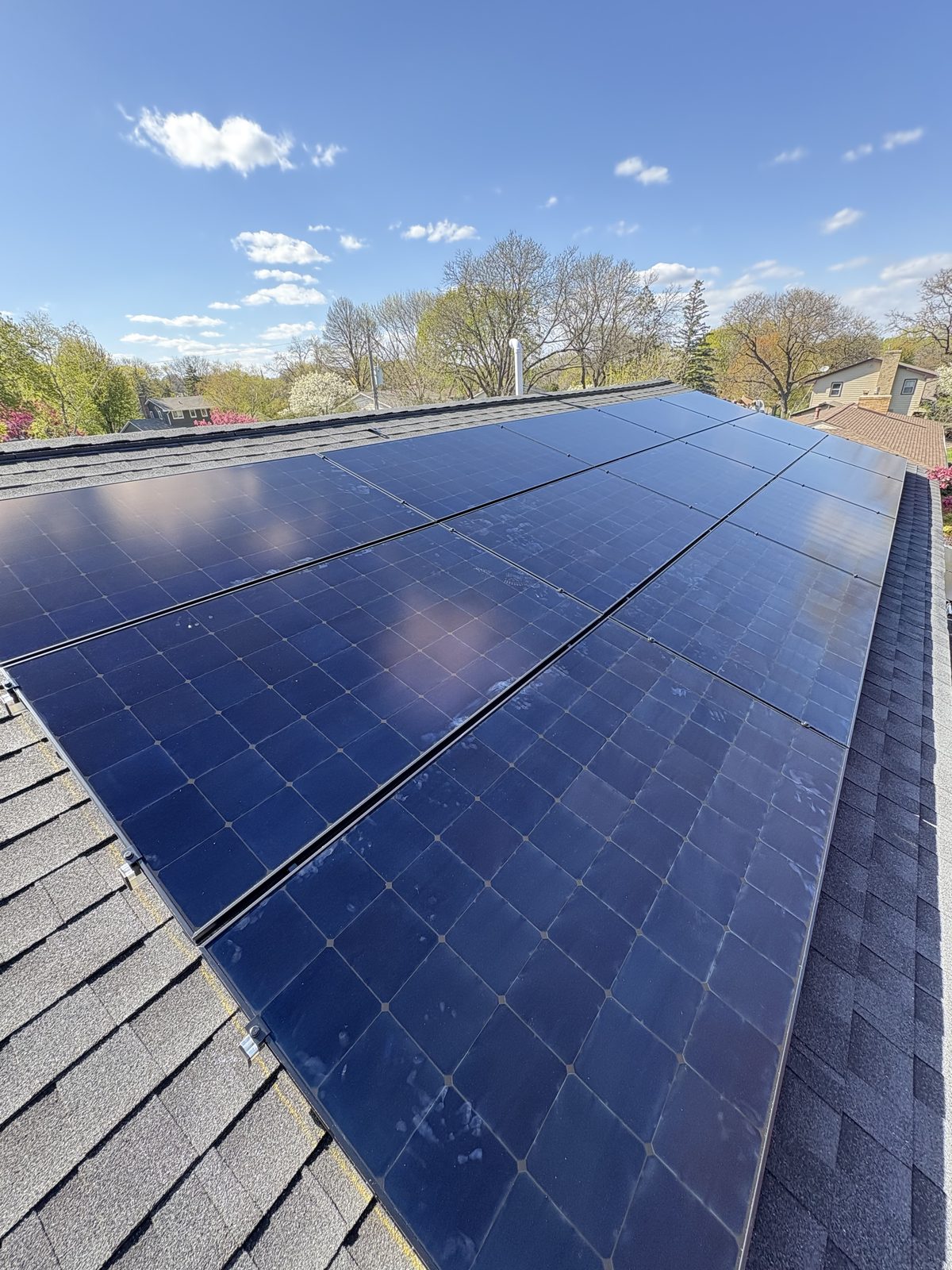
Updated October 2026 by Wolf River Electric, a solar installer with a crew base in Oshkosh, Wisconsin.
Ready for the next step? Learn about solar incentives by state from Wolf River Electric, or get a free quote.
What Solar Costs in Wisconsin in 2026
We looked at 22 home solar contracts Wolf River Electric signed in Wisconsin from June through October 2026. All were roof-mounted systems without a battery, ground mount, trenching or panel upgrade.
- The middle half paid $3.00 to $3.30 per watt. The median was about $3.09.
- Most systems were 6.5 to 10.5 kW.
- The median price was about $24,300. An 8 kW system runs about $24,700.
For comparison, EnergySage’s October 2026 Wisconsin average is $3.04 per watt, or about $40,900 for its typical 13.5 kW system. Batteries, ground mounts and panel upgrades add to the price. Prices by system size are in our Wisconsin solar panel cost guide.
Wisconsin Incentives That Still Apply
Focus on Energy Rebate
Focus on Energy pays $600 per kW, up to $2,400, to homeowners who buy their system. Leased systems do not qualify. You must apply within 60 days of the system starting to run, and no later than January 31, 2027. Any system of 4 kW or more reaches the $2,400 cap.
Sales and Property Tax Exemptions
Solar equipment is exempt from Wisconsin sales tax. The value solar adds to your home is exempt from property tax under Wis. Stat. 70.111(18), so your tax bill does not rise because of the panels.
Is There a Federal Solar Tax Credit in 2026?
Not for homeowners who buy. The 30% Residential Clean Energy Credit ended for systems whose installation was completed after December 31, 2025. Paying in 2025 for a system finished in 2026 does not count. A lease or prepaid lease works differently: the leasing company can claim the 30% commercial credit and pass the savings to you. Our customers on a prepaid lease typically see about 30% off the list price. Details are in our solar tax credit guide, and every state program is in our Wisconsin solar incentives guide.
How Your Utility Credits Extra Power
Most Wisconsin homes are served by We Energies, WPS, Alliant Energy, MGE or Xcel Energy. Each one sets its own rules for the power your panels send to the grid when you are not using it, and those rules can change. We check your utility’s current terms before we size a system.
The safest plan is to size the system to the power you use over a year. The more of your solar you use at home, the less the buyback rate matters.
How Solar Performs in Wisconsin
Panels make power from light, not heat, and cold does not hurt them. Production peaks from late spring through summer and drops in December and January, when days are short and snow can cover the panels. Snow on a tilted roof often slides off once the sun comes out. What matters is the yearly total, and depending on your utility’s rules, summer production can offset part of your winter use.
Payback Example: An 8 kW System
Here is the math for an 8 kW system at our median Wisconsin price. These are the assumptions:
- Price: about $24,700, the typical price for an 8 kW system in our 2026 Wisconsin contracts.
- Production: 1,150 kWh per kW per year, or about 9,200 kWh. Minnesota Power estimates about 1,200 kWh per kW in neighboring Minnesota. We use a slightly lower figure to stay conservative. Your design will show your roof’s real number.
- Electric rate: 18.7 cents per kWh. EIA data put the average for Wisconsin homes at about 18 to 19 cents per kWh over the 12 months through July 2026.
- Usage: the home uses at least 9,200 kWh a year, so each kWh the panels make replaces one you would have bought.
That works out to about $1,720 a year in bill savings.
| How you pay | Net cost | Yearly savings | Return on net cost | Simple payback | Cost per kWh over 25 years |
|---|---|---|---|---|---|
| Cash, no rebate | $24,700 | $1,720 | 7.0% | About 14.4 years | 10.7 cents |
| Cash plus Focus on Energy | $22,300 | $1,720 | 7.7% | About 13 years | 9.7 cents |
| Prepaid lease, about 30% off | About $17,300 | $1,720 | 9.9% | About 10 years | 7.5 cents |
Return on net cost is yearly savings divided by what you pay. Cost per kWh spreads your net cost over 25 years of production, before any allowance for panels slowly losing output. Compare it with the 18.7 cents you pay the utility now. The prepaid lease row has no Focus on Energy rebate, because leased systems do not qualify.
What moves the result: fixed monthly charges stay on your bill, so real savings can run a little lower than the table shows. A utility that credits extra power below retail also lowers savings. Higher electric rates raise them, since the table holds today’s rate flat. For a cross-check, EnergySage’s October 2026 data puts the average Wisconsin payback at about 13 years.
Downsides to Weigh
- No federal credit when you buy. Buyers now pay the full price less any rebate, which adds years to payback compared with 2025.
- Buyback rules vary. If your utility credits extra power below what you pay, an oversized system earns less. Size to your use.
- Fixed charges remain. Solar cuts the energy part of your bill. Monthly customer charges stay.
- No power in an outage without a battery. Grid-tied systems shut off when the grid goes down, so line workers stay safe. Backup takes a battery or a generator. See home battery storage.
- Your roof comes first. If the roof needs replacing in the next few years, do it before solar. Taking panels off and putting them back later adds cost. See solar panel removal and reinstall.
- Shade cuts output. Tall trees on the south side can make solar a poor fit.
- Moving soon. Payback runs about a decade or more. If you plan to sell in a few years, you may not earn back the cost.
- Rebate deadlines. Focus on Energy needs your application within 60 days of the system running and by January 31, 2027.
Who Solar Fits in Wisconsin
Solar works best on homes with a sound roof facing south, east or west, little shade and steady yearly use. It suits owners who plan to stay 10 years or more and want to lock in part of their power cost. If you have the cash, buying and claiming Focus on Energy gives you full ownership. If you want the lowest net cost, a prepaid lease passes along savings from the commercial tax credit. Compare ways to pay for solar.
Wisconsin vs Minnesota and Iowa
| Measure | Wisconsin | Minnesota | Iowa |
|---|---|---|---|
| EnergySage average price, October 2026 | $3.04 per watt | $3.24 per watt | $3.26 per watt |
| EnergySage average payback | About 13 years | About 14.5 years | About 19.7 years |
| EIA average home electric rate, 2024 | 17.2 cents per kWh | 15.5 cents per kWh | 13.4 cents per kWh |
| Main incentive | Focus on Energy, up to $2,400 | Xcel Solar*Rewards, $0.05 per kWh for 10 years | Sales and property tax exemptions |
Wisconsin’s higher electric rates help solar pay back faster here than in Minnesota or Iowa. Minnesota has larger utility incentives, and Iowa’s lower rates stretch payback. Read are solar panels worth it in Minnesota and are solar panels worth it in Iowa.
Wisconsin Solar FAQ
Are solar panels worth it in Wisconsin in 2026?
For homes with good sun and owners who plan to stay, usually yes. Our 8 kW example returns about 7% a year on a cash purchase, 7.7% with Focus on Energy and close to 10% with a prepaid lease.
How long does solar take to pay off in Wisconsin?
EnergySage’s October 2026 average is about 13 years. Our 8 kW example ranges from about 10 years with a prepaid lease to about 14 years for a cash purchase with no rebate.
How much is the Focus on Energy rebate?
$600 per kW, up to $2,400, for homeowners who buy. Apply within 60 days of the system running and by January 31, 2027.
Is there a solar tax credit in 2026?
Not for homeowners who buy. It ended for systems installed after December 31, 2025. A lease or prepaid lease can pass along savings from the 30% commercial credit.
Does solar raise property taxes in Wisconsin?
No. The value solar adds is exempt under Wis. Stat. 70.111(18).
Do solar panels work in Wisconsin winters?
Yes, but they make far less in December and January. Spring and summer production carry most of the year.
See Your Own Numbers
Wolf River Electric is a NABCEP-certified company, licensed in every state we serve, with more than 1,000 five-star reviews on Google and BBB. Residential installs come with our 25-year workmanship warranty, which covers our installation work, including roof leaks. Manufacturer warranties cover the equipment itself, and programs such as REC ProTrust also cover labor for warranty repairs. Our Wisconsin solar crews work from our base in Oshkosh. We size every system from 12 months of your bills and check your utility’s buyback rules first. Try the free solar calculator or get a free quote.
Sources: Wolf River Electric Wisconsin contract data (22 roof-mount home systems, June to October 2026); EnergySage solar cost data (October 2026); Focus on Energy; Wis. Stat. 70.111(18); IRS; U.S. Energy Information Administration (Electric Power Monthly, 12 months through July 2026, and 2024 state electricity data); Minnesota Power.
Going solar in your Wisconsin city
Each city page covers the local utility’s credit rules, permits and 2026 costs: Milwaukee, Madison, Green Bay, Appleton, Oshkosh, Kenosha, Eau Claire, La Crosse, Wausau. Or see all Wisconsin service areas.
Free quote
See what solar and backup power can save you
Get a custom design and savings estimate from Wolf River Electric. No cost, no obligation.