Updated November 2026 by Wolf River Electric.
Ready for the next step? Learn about home battery backup from Wolf River Electric, or get a free quote.
The two numbers that size a home battery
Every home battery has two ratings, and you need both to pick the right size:
- Energy (kWh) is how much electricity the battery stores. It decides how long your home can run.
- Power (kW) is how much the battery can deliver at once. It decides how many things can run at the same time, and whether the battery can start a well pump or air conditioner, which draw a short surge when they start.
A battery with plenty of kWh but too little kW can run out of muscle when the furnace blower, well pump and refrigerator all start together. A battery with plenty of kW but too few kWh runs everything for a short time, then goes empty.
Step 1: List what has to stay on
Start with the loads you cannot go without. These are typical running loads in Midwest homes; pumps and motors draw two to three times their running power for a moment when they start.
| Load | Typical running power | Notes |
|---|---|---|
| Gas furnace blower and controls | About 400 to 800 W | No blower means no heat, even with gas |
| Well pump (1/2 to 1 hp) | About 1,000 to 2,000 W | Runs in short bursts; needs surge power to start |
| Sump pump | About 800 to 1,000 W | Runs more during thaws and spring rain |
| Refrigerator and freezer | About 100 to 300 W each while running | Cycles on and off through the day |
| Internet, phones and LED lights | About 100 to 200 W | Small, but you will want them |
| Central air conditioner | About 2,000 to 4,000 W | Usually means a larger battery or two |
| Electric heat, heat pump or electric range | Several thousand watts or more | Often needs several batteries or a generator |
Step 2: Decide how many hours you want to cover
Battery size in kWh is roughly your average backup load times the hours you want to cover. Most homes do not run every load at once, so the average is far below the total of the table above.
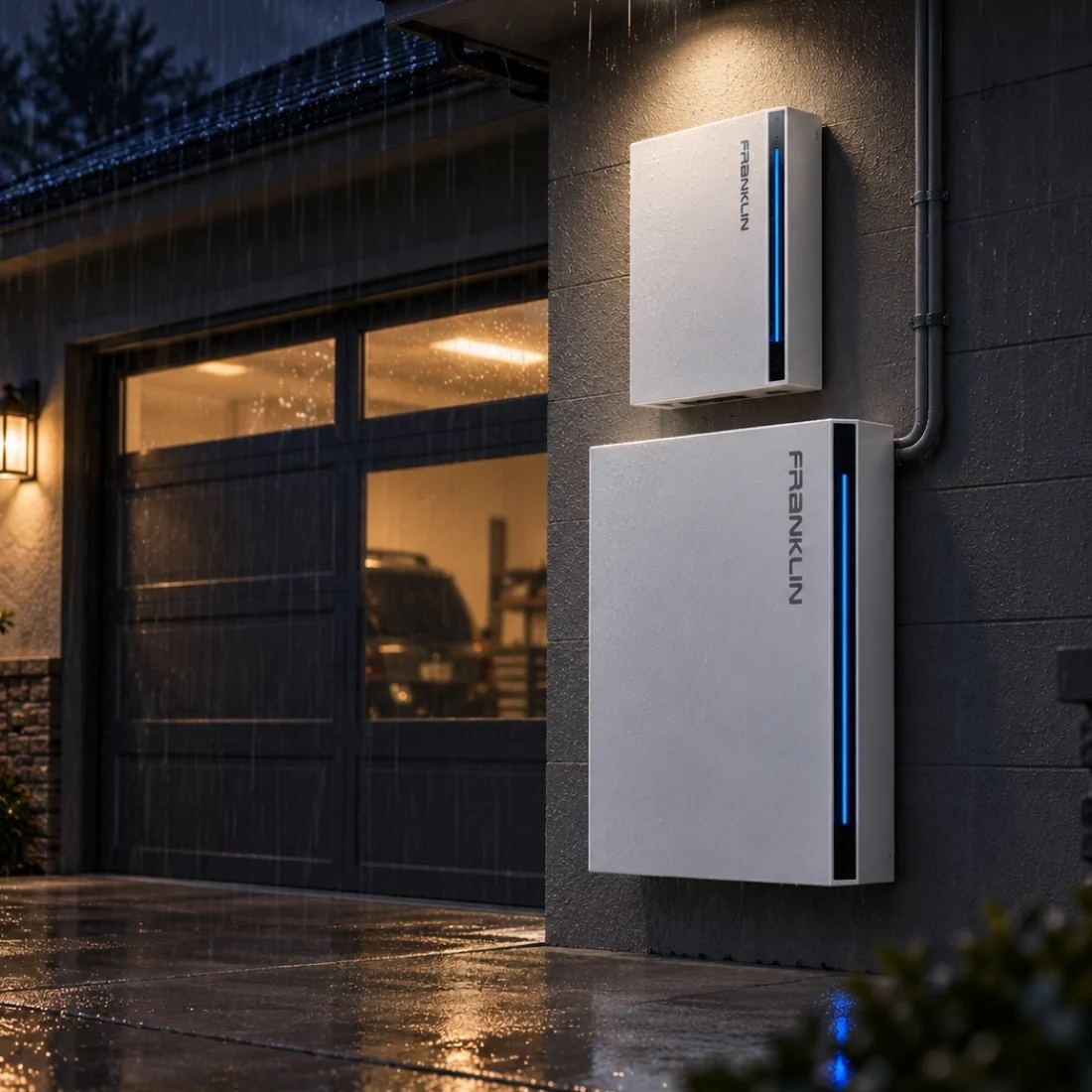
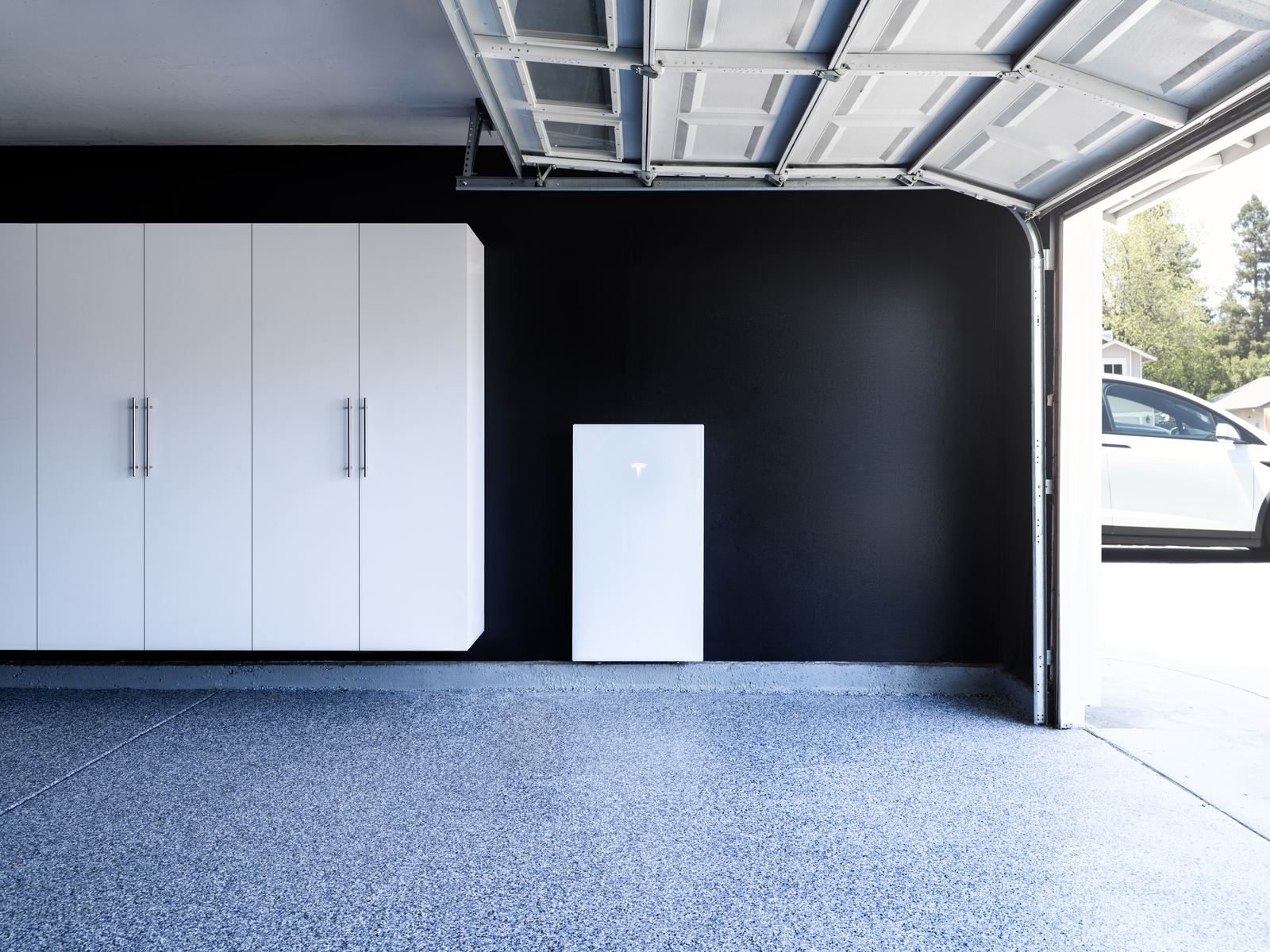
Example: a home backing up the furnace blower, refrigerator, sump pump, lights and internet might average about 1 kW over a winter night. Twelve hours of backup is about 12 kWh, which fits one Tesla Powerwall 3 (13.5 kWh) or one FranklinWH aPower 2 (15 kWh). Add a well pump and a second refrigerator and the same night can reach 15 to 20 kWh.
For whole-home backup, look at your bill. U.S. Energy Information Administration data for 2024 shows the average home uses about 712 kWh a month in Minnesota (about 23 kWh a day), 645 in Wisconsin (about 21 a day), 832 in Iowa (about 27 a day), 1,029 in North Dakota and 994 in South Dakota (about 33 to 34 a day). Covering a full day of normal use takes two batteries or more for most homes, which is why most homeowners back up the essentials and skip the big loads during an outage.
Step 3: Check the power rating
Add up the loads that could run at the same moment, then add the starting surge of your largest motor (usually the well pump or air conditioner). The battery or batteries need to cover that number. Here is how the batteries we install compare:
| Battery | Storage per unit | Continuous power per unit | How it scales |
|---|---|---|---|
| Tesla Powerwall 3 | 13.5 kWh | 11.5 kW | Up to 4 units on one system |
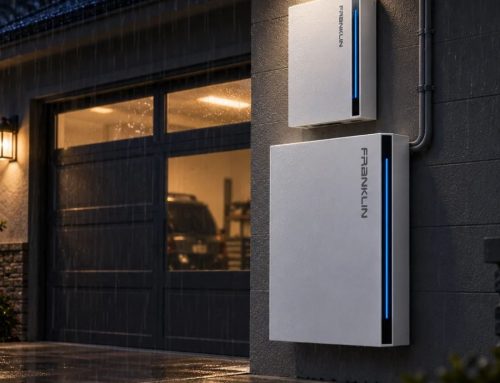
| FranklinWH aPower 2 | 15 kWh | 10 kW | Add more units for more storage |
| Enphase IQ Battery 10C | 10 kWh | 7.1 kW | Add units in 10 kWh steps |
Specifications are from each manufacturer as of November 2026. We size the system from a load calculation on your panel, not from a brochure.
How many Powerwalls do I need?
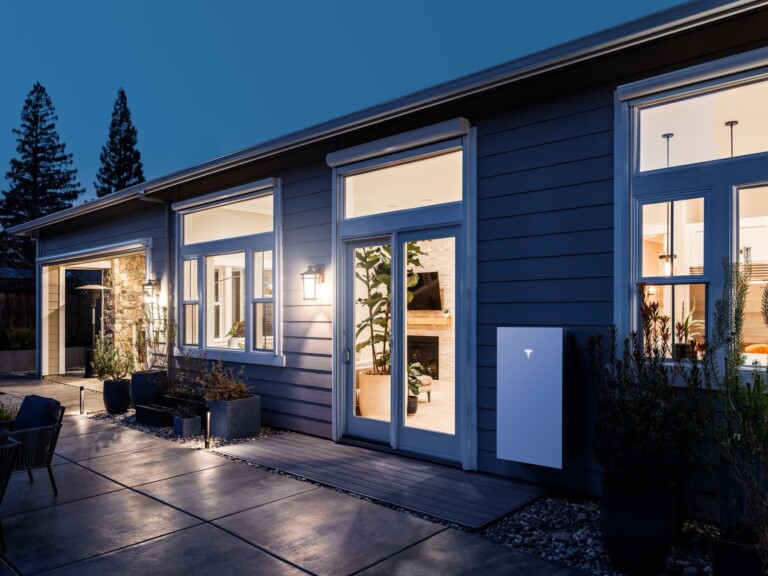
One Powerwall 3 covers the essentials for most Midwest homes through an overnight outage. Two are common when the home has a well pump plus central air, or when the owner wants to keep most circuits on. Three or four are for large homes, electric heat, or owners who want to run close to normal for a day or more. The same logic applies to FranklinWH (15 kWh per unit) and the Enphase IQ Battery 10C (10 kWh per unit).
Does solar recharge the battery in winter?
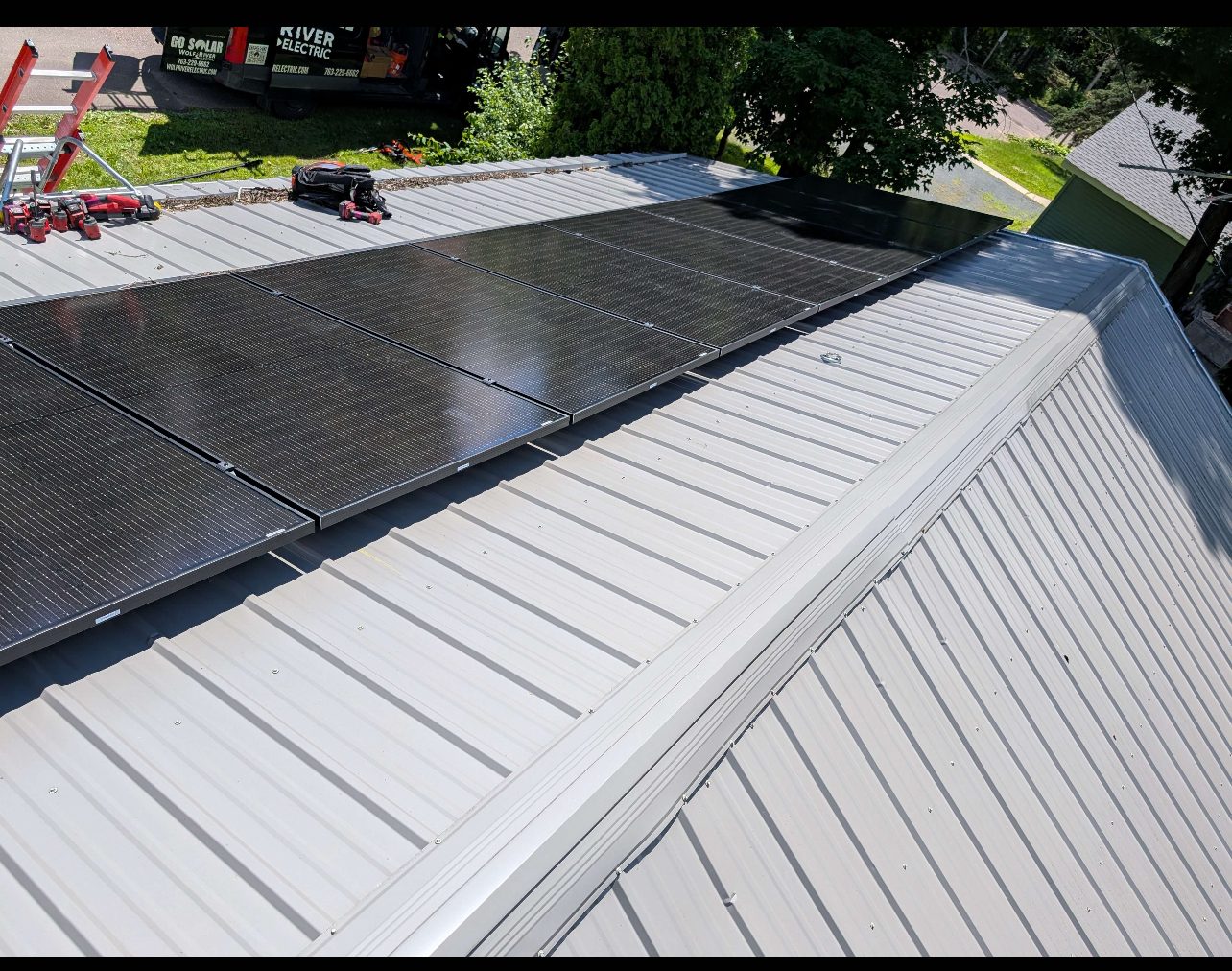
It helps, but less than in summer. Wolf River Electric systems in Minnesota made about 5.4 kWh per panel in all of December last year, from our Enphase monitoring. A 25-panel system makes roughly 135 kWh that month, or about 4 to 5 kWh a day, which is not enough to refill a battery after a cold night. In spring and summer the same system can refill a battery most days. That is why many homeowners who worry about long winter outages pair a battery with a Generac standby generator: the battery covers short outages quietly, and the generator takes over if an outage drags on.
Compare the two in battery backup vs generator, or see the Minnesota winter backup power guide.
What a battery costs
Most single whole-home batteries run about $11,800 to $22,000 installed with Wolf River Electric, as of October 2026. The low end is with a prepaid lease and our discount; the high end is buying outright. Additional batteries cost less than the first, because the gateway and much of the wiring are shared. You can add a battery to an existing solar system or install one without solar. See home battery backup for the brands we install.
Battery size questions
Can one battery run my whole house?
One battery can run most of a typical home for a few hours, and the essentials overnight. Running central air, an electric range or electric heat for long takes more storage or a generator.
Will a battery run my gas furnace?
Yes. A gas furnace needs only a few hundred watts for the blower and controls, which any of the batteries above can supply. Electric heat and heat pumps need far more.
How long will a 13.5 kWh battery last?
At an average backup load of 1 kW, about 13 hours. At 500 W (furnace, refrigerator, lights), about a day. With central air running, a few hours.
Do I need solar to get a battery?
No. A battery can charge from the grid and sit ready for an outage. With solar it can also recharge during the day and store power for the evening.
On a time-of-use rate? See peak electricity hours by utility.
Get a battery sized for your home
We start with your electric bills and a look at your panel, then size the battery for the loads you care about. Get a free battery quote.
Sources: U.S. Energy Information Administration, 2024 average monthly residential electricity use by state; Tesla, FranklinWH and Enphase product specifications (November 2026); Wolf River Electric Enphase monitoring data and installed pricing (October 2026).
Free quote
See what solar and backup power can save you
Get a custom design and savings estimate from Wolf River Electric. No cost, no obligation.