
Commercial
Solar for Small Business in the Midwest
Solar lowers the electric bill for shops, offices, restaurants, farms and other small businesses, and the 30% federal tax credit still applies to commercial systems placed in service by the end of 2027. Wolf River Electric designs, installs and services small business solar and battery storage with our own licensed crews.
Updated
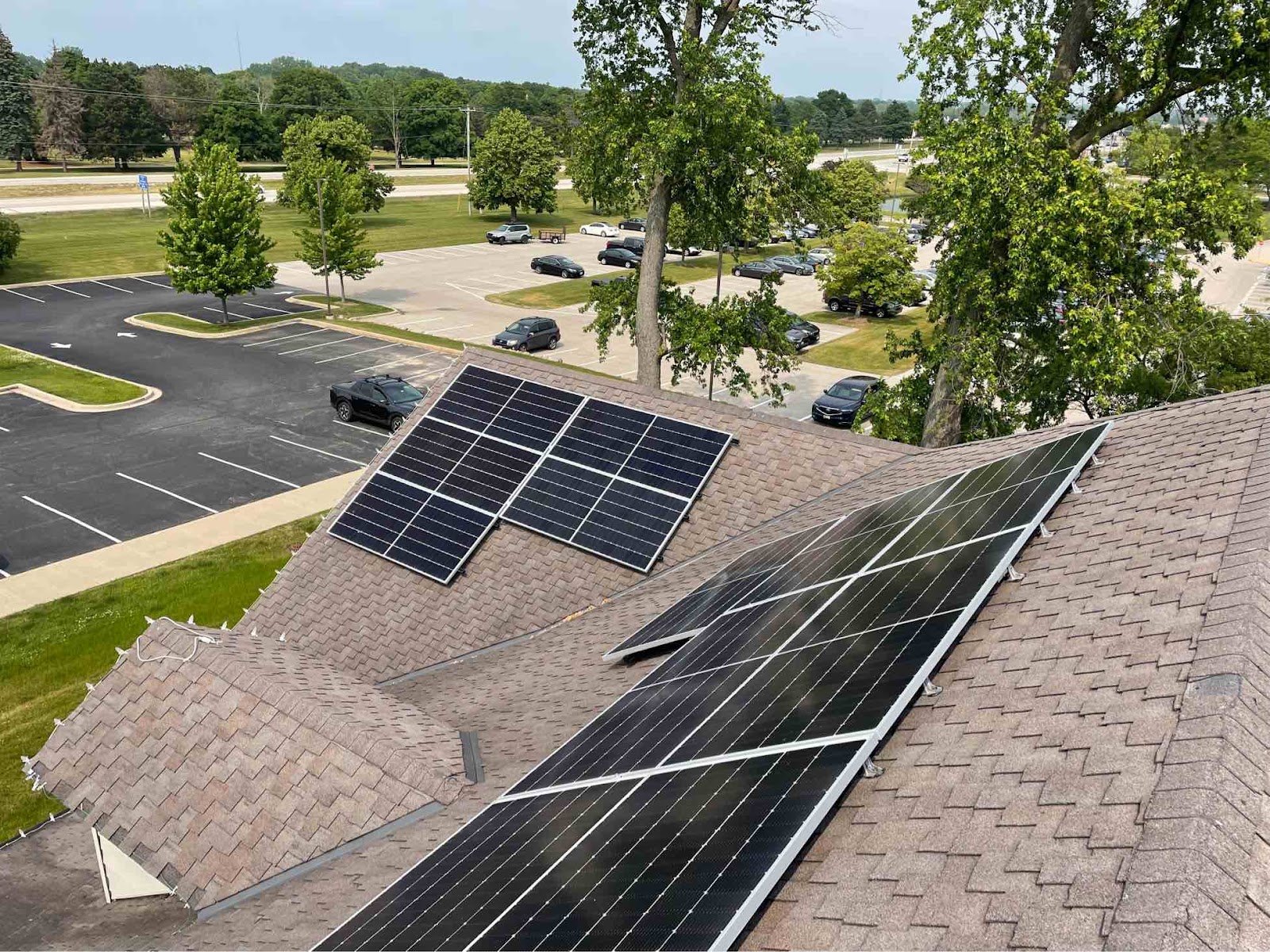
Small business solar at a glance
| Question | Answer |
|---|---|
| What it costs | Most commercial systems cost about $2.00 to $3.50 per watt before incentives. Small systems usually land toward the upper part of that range. You get a firm price after a free consultation. |
| Typical size | About 25 to 100 kW for shops, offices, churches and farm buildings |
| Federal tax credit | 30% for commercial solar placed in service by December 31, 2027 (longer for projects that began construction by July 4, 2026) |
| Depreciation | Solar is 5-year property under MACRS |
| Timeline | Usually a few months from contract to turn-on; construction takes days to a few weeks |
| Workmanship warranty | 10 years on commercial systems, plus equipment warranties |
Who small business solar fits
- Retail stores and restaurants with steady daytime use from lighting, refrigeration and cooking.
- Offices, clinics and salons that run during daylight hours.
- Auto shops, contractors and small manufacturers with compressors, lifts and tools.
- Farms and rural businesses with shops, grain handling and livestock barns; see ground-mounted solar.
- Churches, nonprofits and property owners with large roofs or open land.
The best fit is a business that owns its building (or has a long lease and a supportive landlord), pays a meaningful electric bill and has a sound roof or open ground.
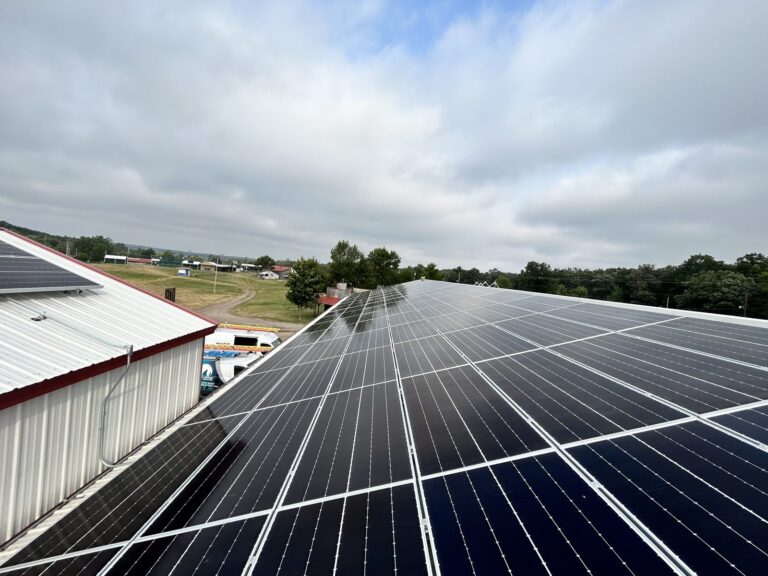
How solar lowers a small business electric bill
Every kWh your panels make during business hours is a kWh you do not buy from the utility. Many small commercial rates also include demand charges, based on your highest use in a short window each month. Solar alone does not always cut demand charges, because a cloudy afternoon can still set a peak. Adding battery storage can shave those peaks. See peak shaving and demand charges and how to read a commercial utility bill.
How exported power is credited depends on your utility and state. Compare the rules in net metering vs net billing.
Incentives for small businesses in 2026
- 30% federal tax credit: commercial solar placed in service by December 31, 2027 qualifies. Projects that began construction by July 4, 2026 have longer. Bonus credits can apply for domestic content or energy communities.
- Battery storage: not tied to the 2027 solar deadline.
- Depreciation: solar is 5-year property under MACRS.
- Minnesota: solar equipment is exempt from sales tax, and solar is excluded from property tax.
- Utility and farm programs: vary by utility and state; we check what applies to your site.
Your tax advisor confirms how the credit and depreciation apply to your business. More in our commercial solar tax credit guide.
Ways to pay
Small businesses can pay cash, finance the system, or use other options depending on the project. We model each option side by side with your real bills. See commercial solar financing.
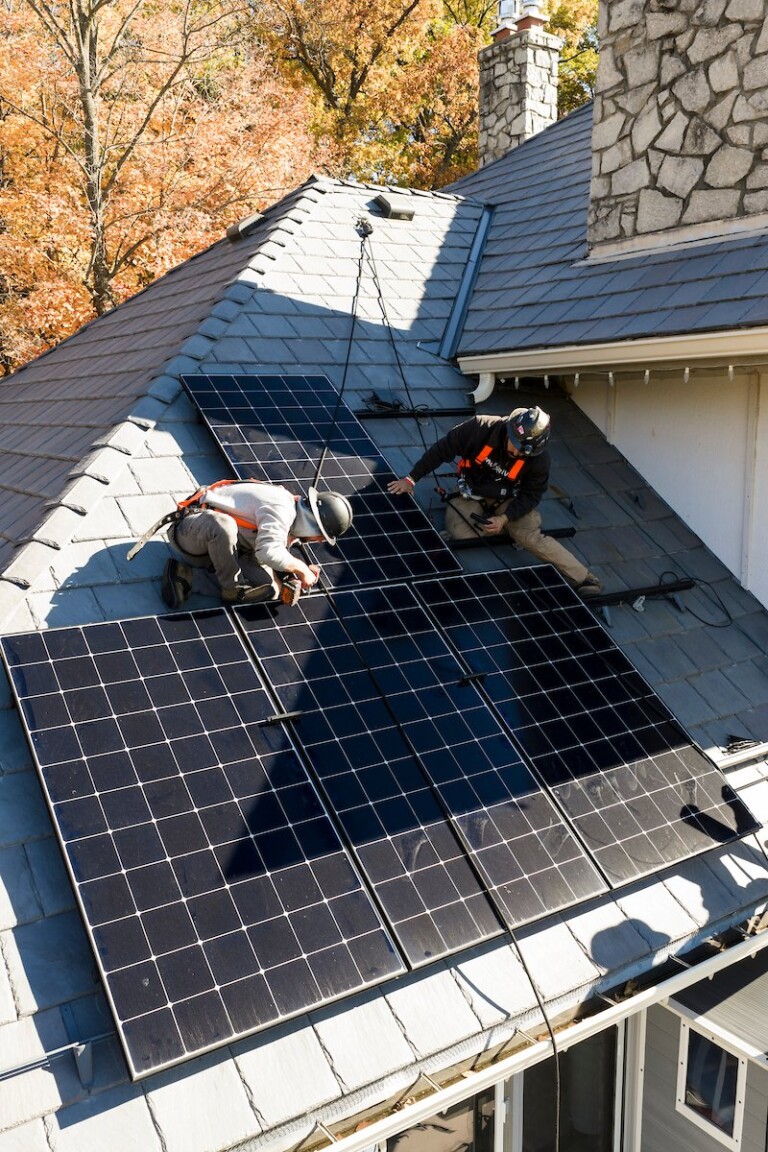
What the process looks like
- Send 12 months of electric bills and your property details.
- We review the bills, the roof or open ground and your electrical service.
- You get a design, a production estimate and a firm proposal.
- We handle engineering, permits and the utility interconnection.
- Our crews install, the inspector and utility sign off, and we turn it on.
- We monitor the system and service it for the long haul.
Most of the work happens while you stay open; the short tie-in shutdown is scheduled with you. See the full commercial solar installation process.
Add storage, EV charging or both
A battery can keep critical loads such as refrigeration, point-of-sale and network gear running in an outage and cut demand charges. See commercial battery storage and commercial EV charging.
Common questions
What does solar cost for a small business?
Most commercial systems cost about $2.00 to $3.50 per watt before incentives, and small systems usually land toward the upper part of that range. A 50 kW system, for example, is often $100,000 to $175,000 before the 30% federal tax credit and depreciation. We give a firm price after a free consultation.
Can my small business still get the 30% tax credit?
Yes, if the system is placed in service by December 31, 2027. Projects that began construction by July 4, 2026 have more time, and battery storage is not tied to that deadline. Your tax advisor confirms how it applies to your business.
I lease my building. Can I still go solar?
Often, yes, with your landlord’s approval and a lease long enough to make it worthwhile. Property owners can also add solar for tenants. We can walk both of you through it.
How long does installation take, and will it disrupt my business?
Most projects take a few months from contract to turn-on, mostly for engineering, permits and utility approval. Construction takes days to a few weeks, usually while you stay open.
Do you serve my area?
We install commercial solar in Minnesota, Wisconsin, Iowa, Illinois, North Dakota, South Dakota, Michigan and Colorado.