Updated November 2026 by Wolf River Electric.
Ready for the next step? Learn about commercial solar installation from Wolf River Electric, or get a free quote.
The commercial solar installation process, step by step
Step 1: Intro call and goals
We learn what you want from the project: lower energy costs, cutting demand charges, backup for critical loads, sustainability goals, or all of these. We also ask how long you plan to own the building, since that shapes the best way to pay.
Step 2: Bill and site review
Send us 12 months of electric bills, including demand charges, and basic property details. We review roof age and structure, open ground or parking areas, the electrical service and where equipment can go. If the roof will need replacing in the next several years, we flag it now. See how to read a commercial utility bill.
Step 3: Design and financial model
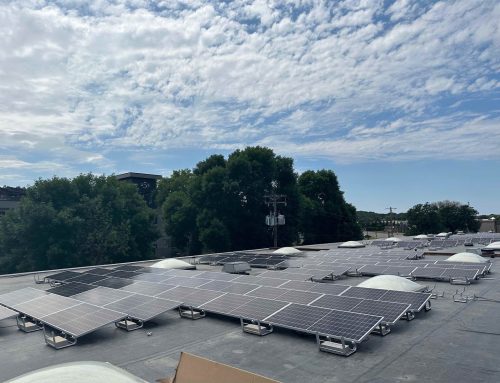
We lay out a rooftop, ground-mount or carport system, model its production, and show the numbers for each way to pay, from cash to financing. If peak demand drives your bill, we model battery storage for peak shaving too.
Step 4: Proposal and contract
You get a firm proposal after a site visit, with system size, equipment, price, schedule and what is included. Once you sign, we lock in the equipment and start engineering.
Step 5: Engineering
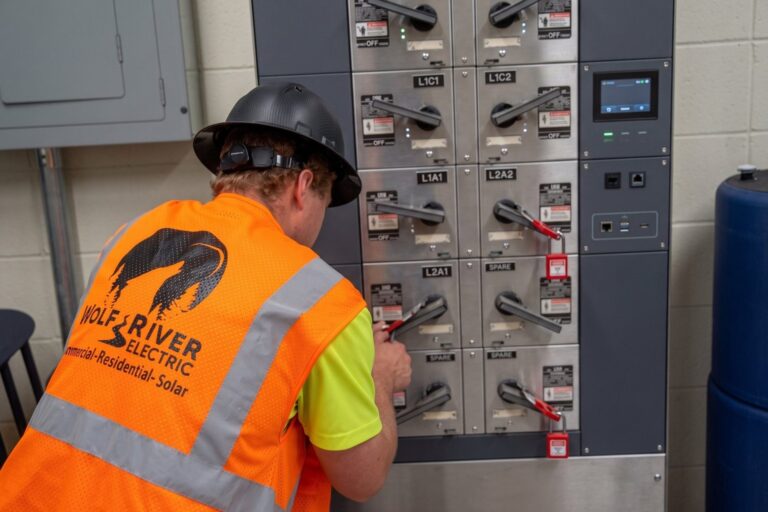
Our team prepares the electrical and structural drawings, checks roof loads for Midwest snow and wind, and plans the tie-in to your service. Stamped drawings go with the permit and utility applications.
Step 6: Permits and utility interconnection
We file building and electrical permits and the interconnection application with your utility. Larger systems may need utility studies, and this step is often the longest part of the schedule. We handle the paperwork and follow-up so you are not chasing approvals.
Step 7: Equipment procurement
We order panels, inverters, racking and electrical gear. Some items, such as switchgear and transformers on larger projects, have long lead times, so we order early and plan the schedule around delivery.
Step 8: Construction
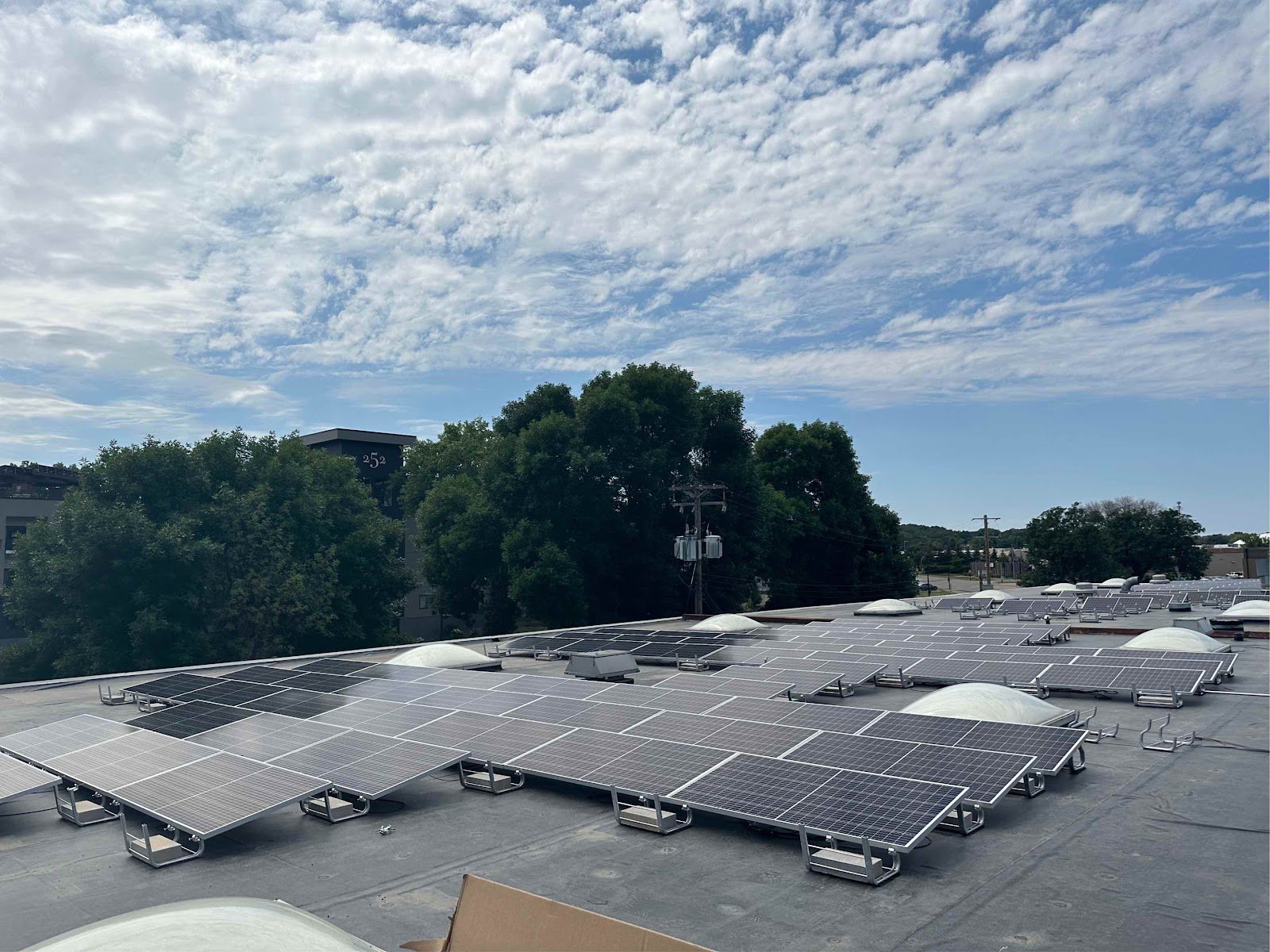
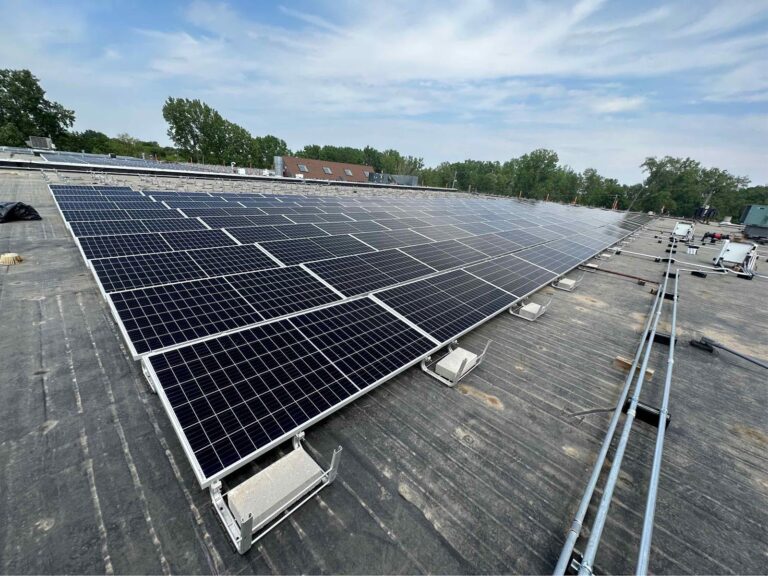
Our own licensed crews build the system, with a dedicated field safety manager. Most of the work happens on the roof or the ground-mount site while your business stays open. The final tie-in to your electrical service needs a short planned shutdown, which we schedule with you, often outside business hours.
Step 9: Inspection and commissioning
The local inspector signs off, the utility approves the interconnection and gives permission to operate, and we test and document the system before turning it on. You get the as-built drawings, equipment warranties and monitoring access.
Step 10: Incentive paperwork, monitoring and service
We provide the documents your tax advisor needs for the federal credit and depreciation, and file any utility or state rebate paperwork. After turn-on, we monitor production and handle maintenance and repairs. Commercial systems carry a 10-year Wolf River Electric workmanship warranty, plus the manufacturers’ equipment warranties. See solar repair and maintenance.
What sets the timeline
| Factor | Why it matters |
|---|---|
| Utility interconnection | Applications, studies and upgrades are set by the utility’s queue |
| Permits | Local permit review times vary by city and county |
| Equipment lead times | Switchgear, transformers and some inverters can take months |
| System size and type | Large ground mounts and carports need more engineering and site work |
| Roof condition | A roof that needs work should be fixed before solar goes on |
| Season | We build year round, but snow and frozen ground can slow ground-mount work |
What you need to get started
- 12 months of electric bills
- Property address, building age and roof age
- Your goals: savings, demand charges, backup, sustainability
- Ownership plans for the building
That is enough for us to start a bill and site review. Start here.
Incentives and deadlines in 2026
- 30% federal tax credit: commercial solar placed in service by December 31, 2027 qualifies. Projects that began construction by July 4, 2026 have longer. Bonus credits can apply for domestic content or energy communities.
- Battery storage: not tied to the 2027 solar deadline.
- Depreciation: solar is 5-year property under MACRS.
- State and utility programs: vary by state and utility; we check what applies to your site.
Your tax advisor confirms how the credit and depreciation apply to your business. More in our commercial solar tax credit guide.
Commercial process questions
How long does a commercial solar installation take?
Most projects take 3 to 12 months from contract to turn-on. Construction is usually days to a few weeks.
Will installation disrupt my business?
Very little. Crews work on the roof or site while you stay open, and the short tie-in shutdown is scheduled with you.
Who handles permits and the utility?
We do: permits, interconnection applications, inspections and the utility’s permission to operate.
What does commercial solar cost?
Most systems run about $2.00 to $3.50 per watt before incentives. You get a firm price after a site visit. See commercial solar installation.
Is this different for a small business?
The steps are the same, just simpler and faster for small systems. See solar for small business.
Talk to our commercial team
We design, build and service commercial solar and storage across Minnesota, Wisconsin, Iowa, Illinois, North Dakota, South Dakota, Michigan and Colorado. Tell us about your building and we will start with a bill and site review.
Free quote
See what solar and backup power can save you
Get a custom design and savings estimate from Wolf River Electric. No cost, no obligation.