Updated November 2026 by Wolf River Electric
Ready for the next step? Learn about commercial solar installation from Wolf River Electric, or get a free quote.
Residential solar is sized to one home and replaces the household electric bill. Commercial solar is sized to a business or farm and cuts operating costs. Residential systems usually run 5 to 15 kW. Commercial systems start around 20 kW. The tax rules, utility credits and design work differ, so the right choice depends on who uses the power.
Wolf River Electric installs both. This guide shows how they compare and how to pick. For homes, see our residential solar page. For businesses and farms, see commercial solar in the Midwest.
What is the difference between residential and commercial solar?
What counts as residential solar?
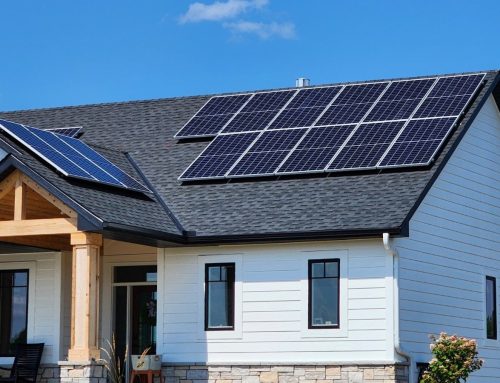
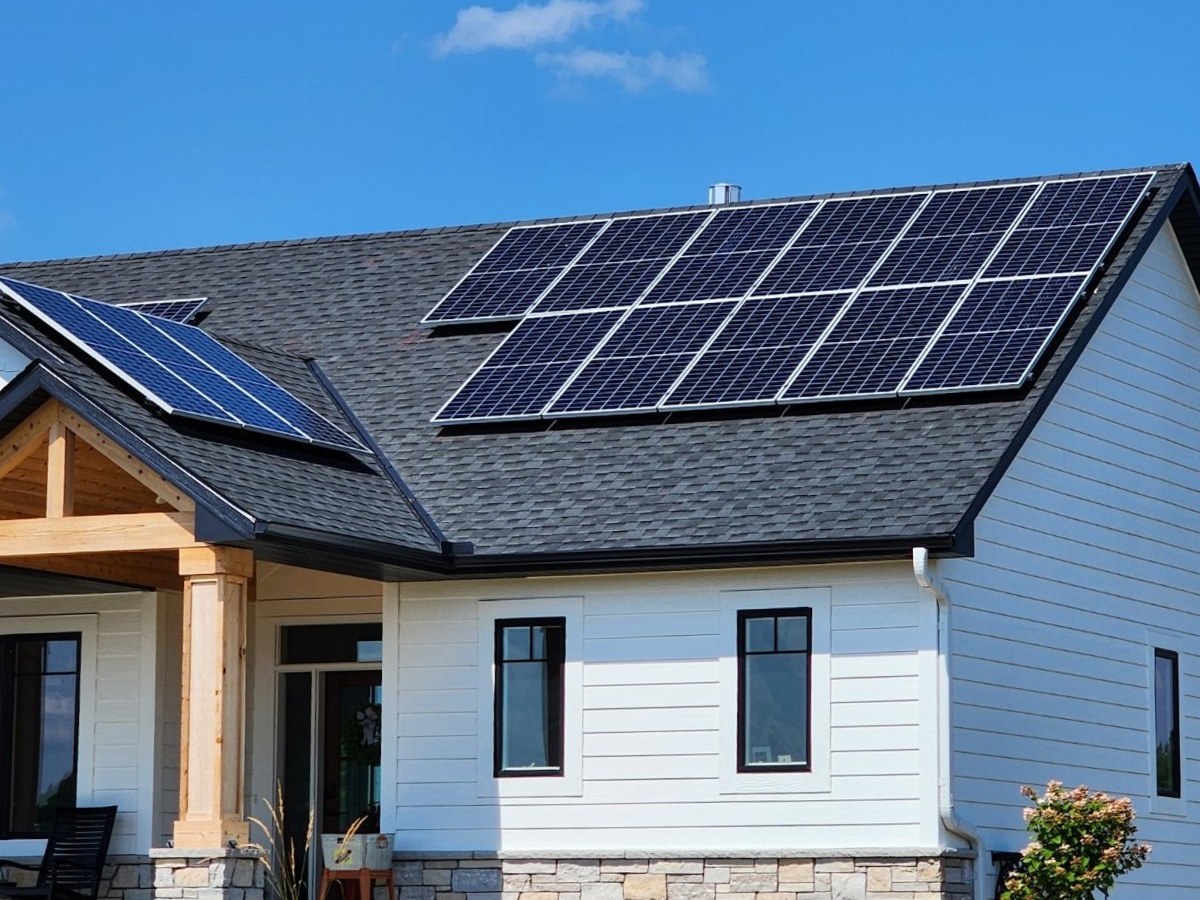
Residential solar powers a single-family home or a small multi-unit property where the electricity is used on site. It runs household appliances, heating and cooling, lights and EV charging. Most homes can use net metering, which credits extra power you send to the grid. In Minnesota, net metering applies to systems under 40 kW.
A home system pays for itself out of money you already spend on electricity. You still pay for power from the grid at night and in winter, and the system covers a large share of your use. Use our free solar calculator to see your numbers.
What counts as commercial solar?
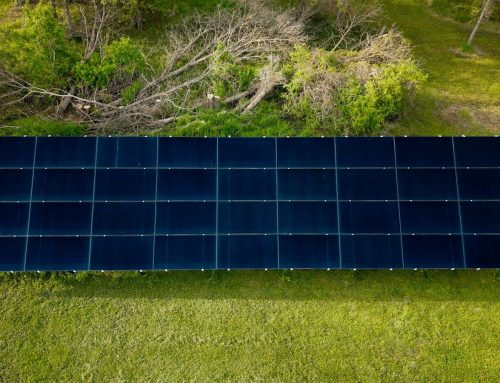
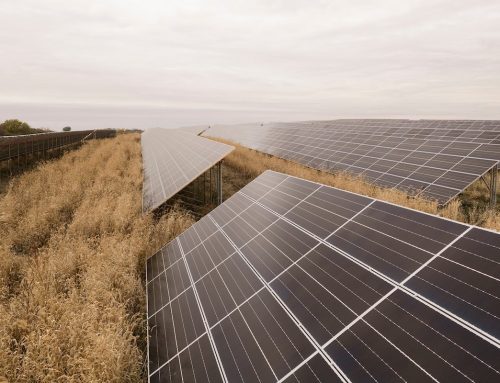
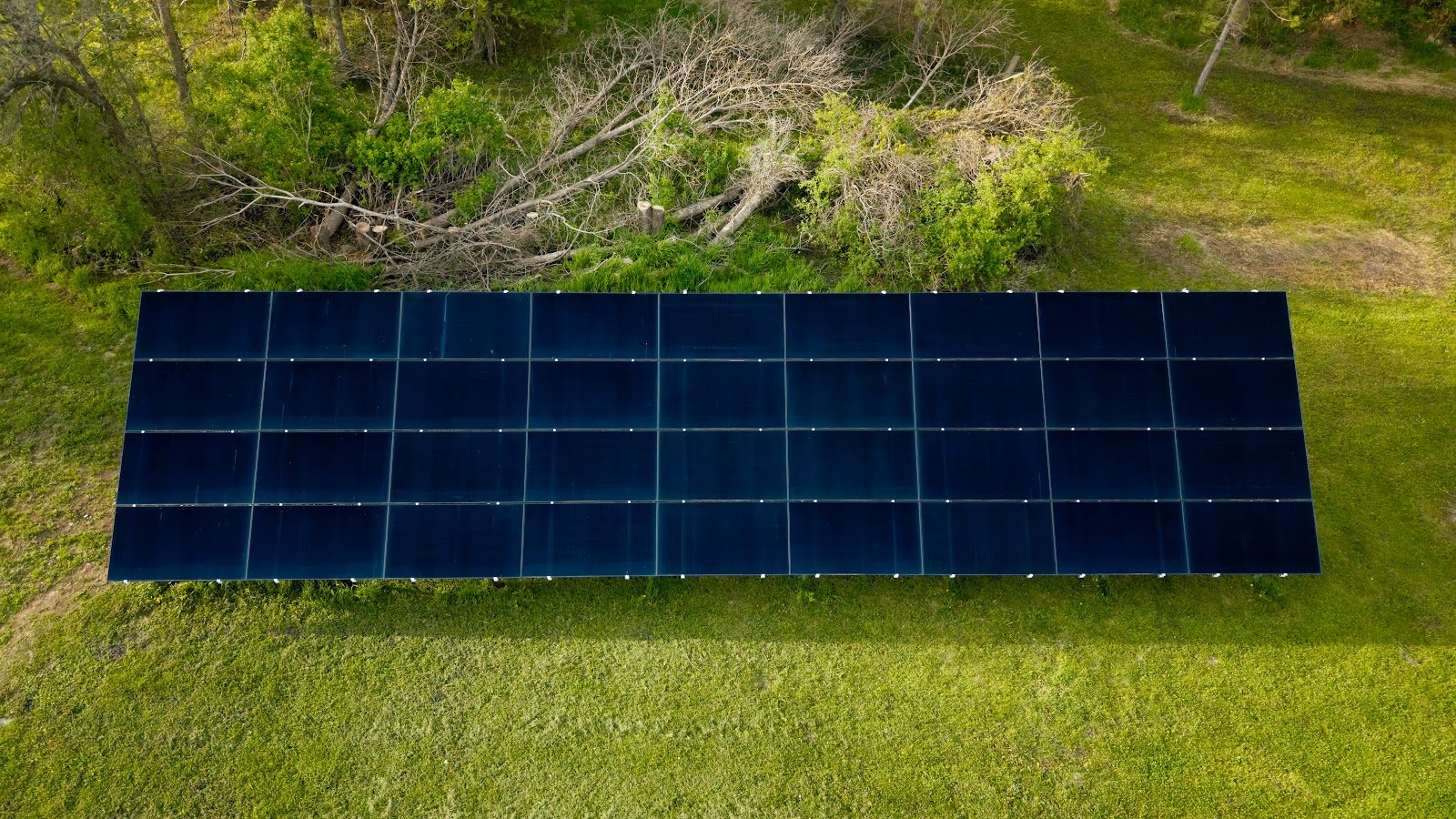
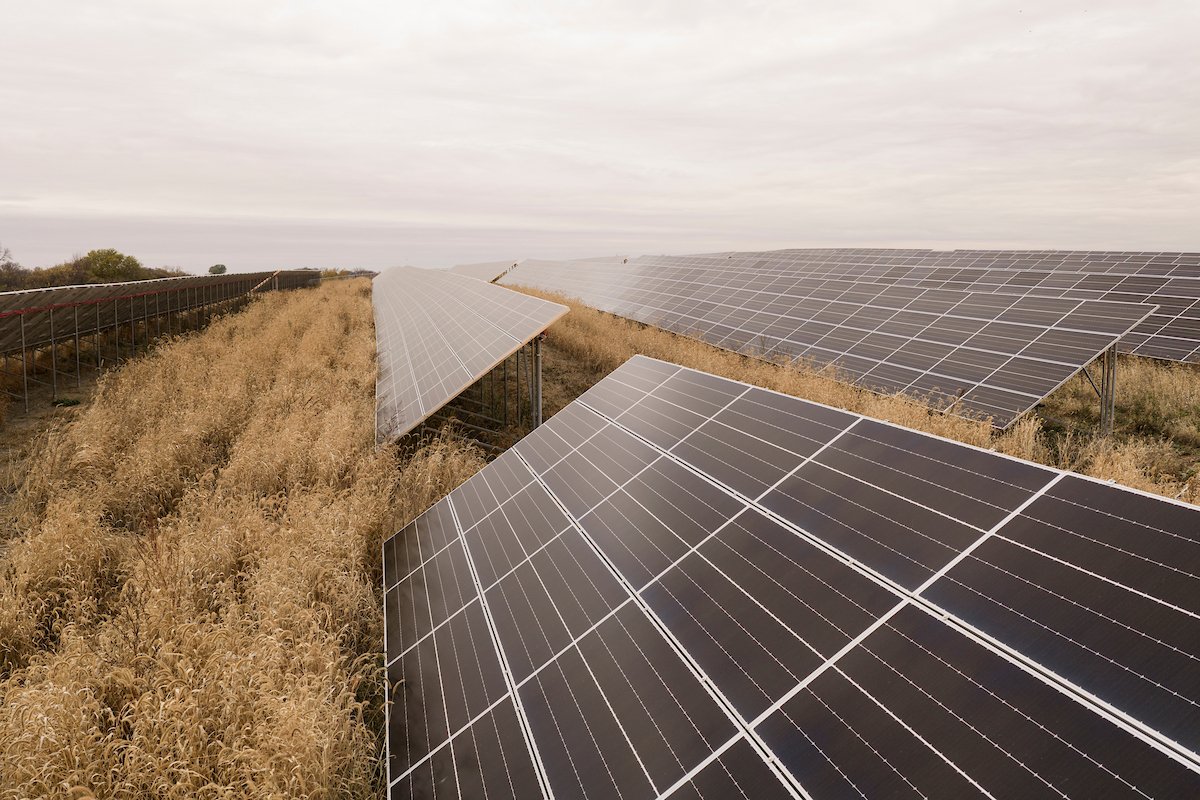
Commercial solar is installed on businesses, schools, farms, nonprofits, large multifamily housing, and warehouses or manufacturing buildings. These systems are larger and often go on flat roofs, carports or open land. Businesses usually pay for demand charges and daytime energy, so solar that runs during working hours can cut both.
Business owners can claim the commercial federal tax credit and depreciation benefits when they own the system. New business, farm and leased systems must be placed in service by the end of 2027 to qualify. Ask your tax advisor how this applies to your business.
Does the federal solar tax credit still apply?
For homeowners who buy their own system, no. The 30% federal credit for homeowner-owned solar ended for systems installed after December 31, 2025. With a lease or prepaid lease, the leasing company can still claim the 30% commercial credit for a limited time and pass the savings to you. A prepaid lease can also offer a path to owning the system later. Read what changed with the tax credit.
What state and utility incentives are there?
In Minnesota, Xcel Energy’s Solar*Rewards pays $0.05 per kWh for 2026 residential projects. In Wisconsin, Focus on Energy pays $600 per kW, up to $2,400, for homeowners who buy their system, as of November 2026. Programs and funding change, so we confirm what applies to your address when we quote.
Which should you choose?
- Choose residential if the power is for your home. Start with your last 12 months of bills.
- Choose commercial if the meter belongs to a business, farm, school or nonprofit.
- Mixed use? A farm with a house and shops may need both. We can review each meter.
Why Wolf River Electric for both?
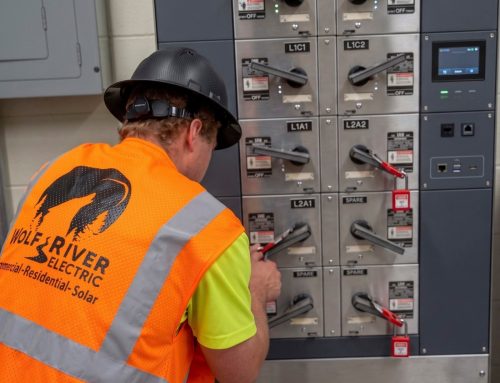
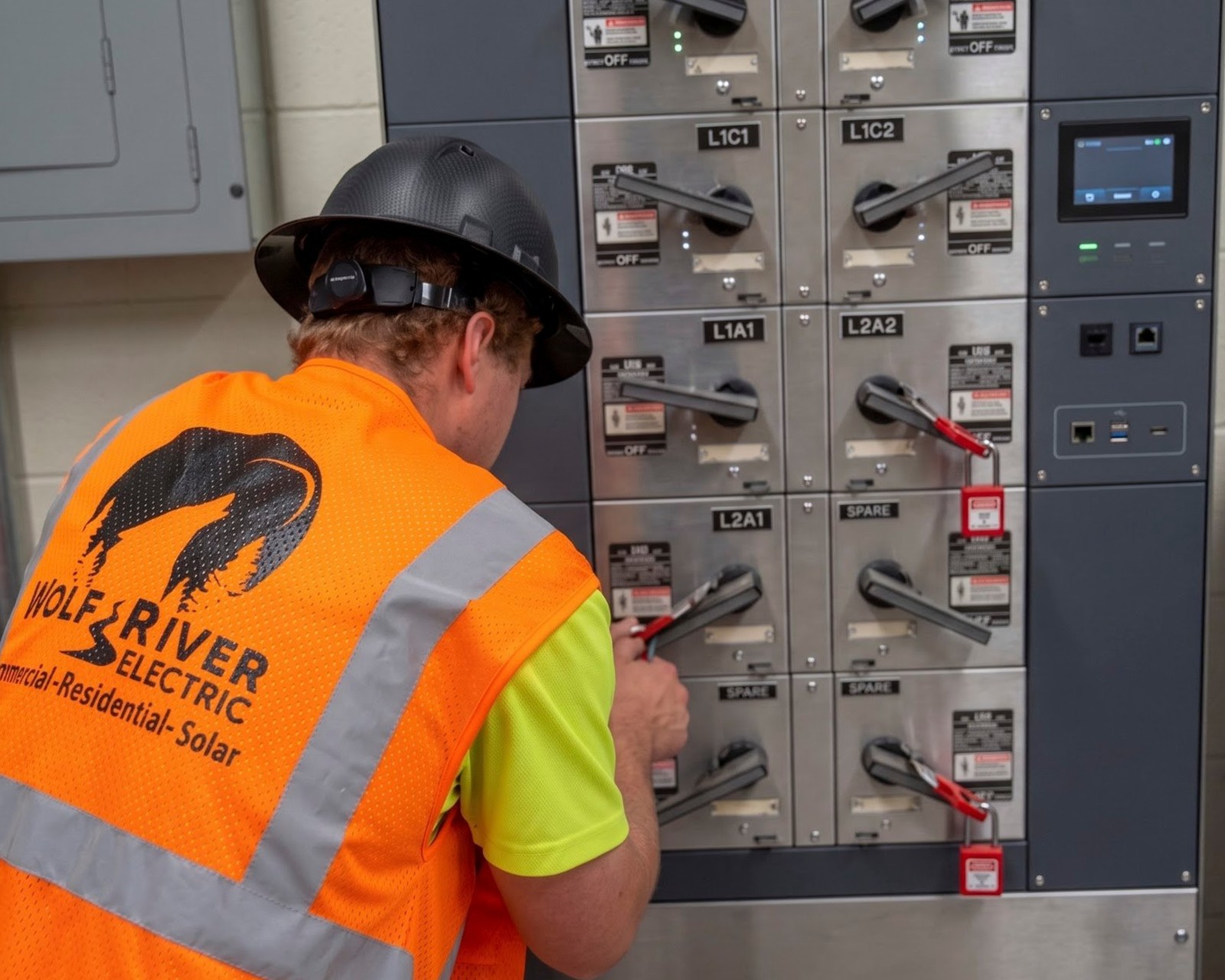
We design the system, pull the permits and handle the utility application for homes and businesses. We also install battery backup and can pair a system with a standby generator. We are licensed in all operating states. We install homes in Minnesota, Wisconsin, Iowa, Illinois, North Dakota and South Dakota. Colorado and Michigan are commercial only.
Not sure where you fit?
Call (763) 229-6662 or request a free quote. We will look at your property and tell you which option fits.
Free quote
See what solar and backup power can save you
Get a custom design and savings estimate from Wolf River Electric. No cost, no obligation.