
2026 utility programs
Solar rebates and utility rewards
The federal homeowner tax credit ended with 2025, but solar still pays. Net metering, utility rewards, tax exemptions and the 30% credit through a prepaid lease all still apply. Pick what you want to know.
At a glance
| Program | Where | For | What it pays |
|---|---|---|---|
| Xcel Solar*Rewards | Minnesota, Xcel customers | Solar | $0.05 per kWh your system makes, paid yearly for 10 years (2026 rate) |
| Focus on Energy | Wisconsin, participating utilities | Solar you own | $600 per kW, up to $2,400 |
| Alliant Smart Hours | Wisconsin and Iowa, Alliant customers | Home batteries | $100 per kWh to enroll, plus $100 per kW each year |
| Net metering | MN, WI, IA, IL, ND (rules vary) | Solar | Bill credit for the power you send to the grid |
| Federal credit via prepaid lease | All states we serve | Solar | 30% credit, passed to you as a lower price |
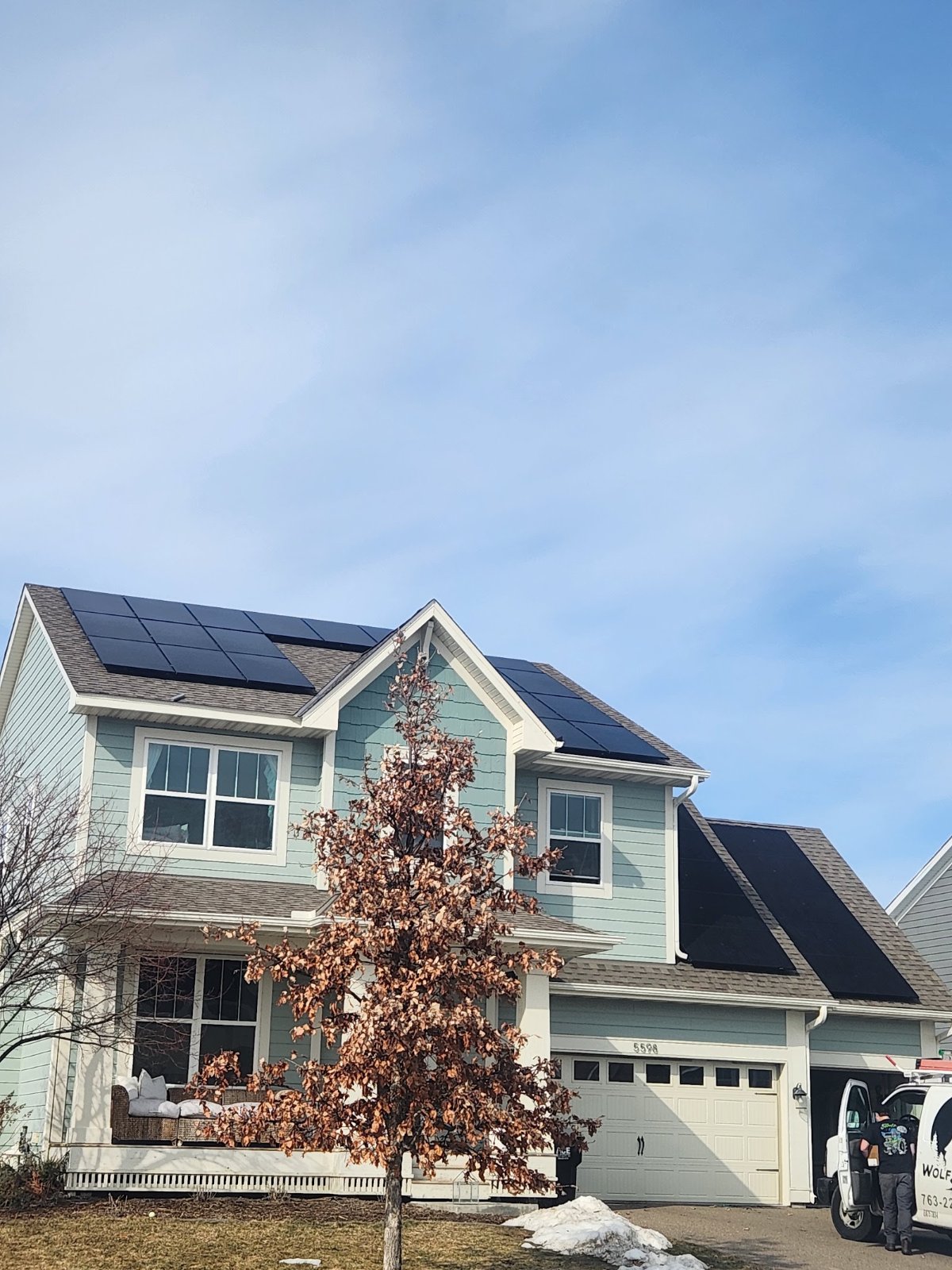
Minnesota · Xcel Energy
Solar*Rewards
Xcel Energy pays Minnesota customers for the solar energy their system produces. For 2026 enrollments, the residential rate is $0.05 per kWh, paid once a year for 10 years.
- Xcel Energy electric customers in Minnesota
- Paid yearly for 10 years, based on metered production
- We file the application for you
Wisconsin
Focus on Energy
Wisconsin's Focus on Energy program pays $600 per kW of solar, up to $2,400, to homeowners who buy their system.
- Offered through 107 Wisconsin utilities, including We Energies, WPS, Alliant Energy, MGE and Xcel Energy. See the full list
- Systems you own. Leased equipment does not qualify.
- Wisconsin sets 2027 rebate amounts this fall, so they may change
- We check your utility and handle the paperwork
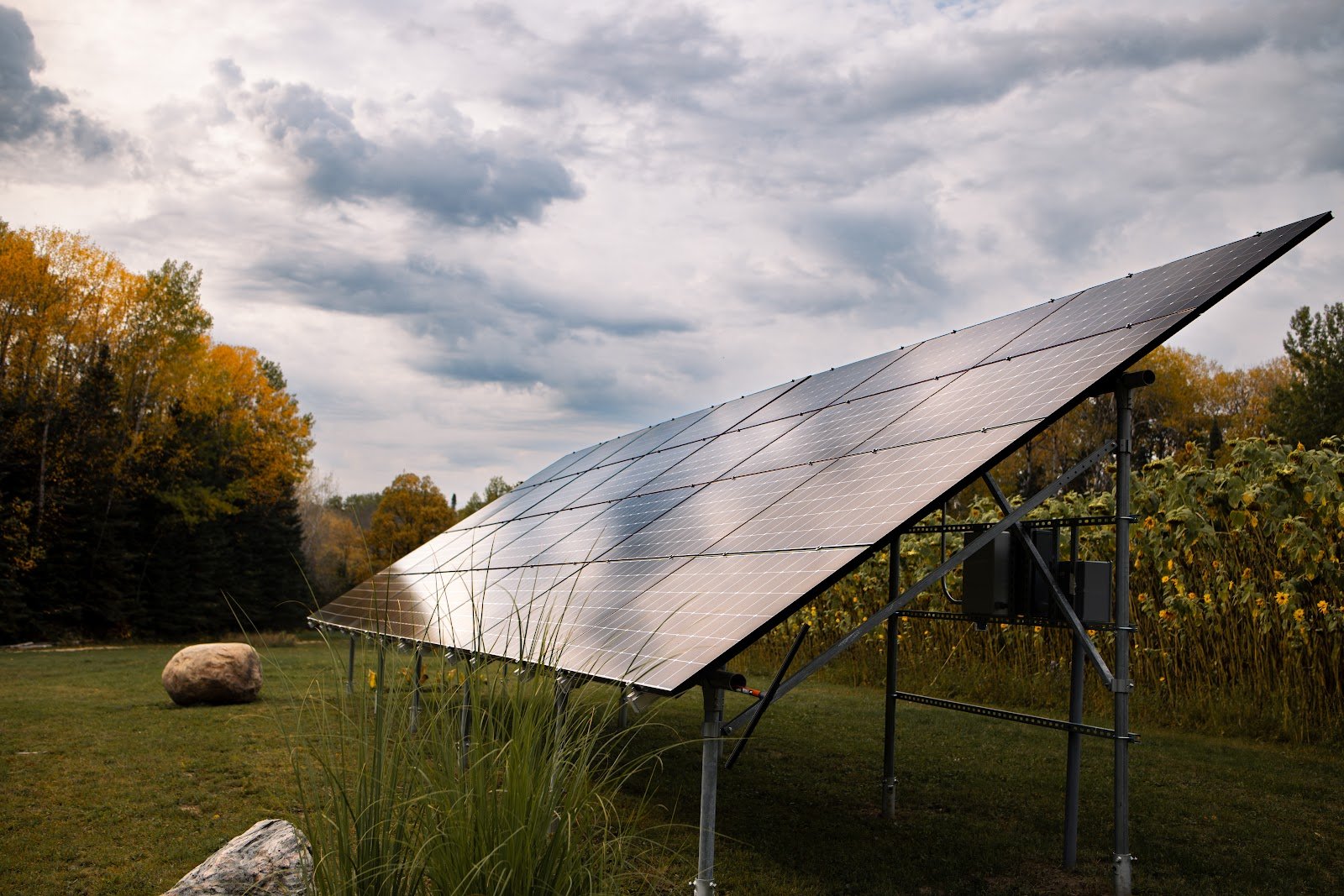
Wisconsin and Iowa · Alliant Energy
Smart Hours: get paid for your home battery
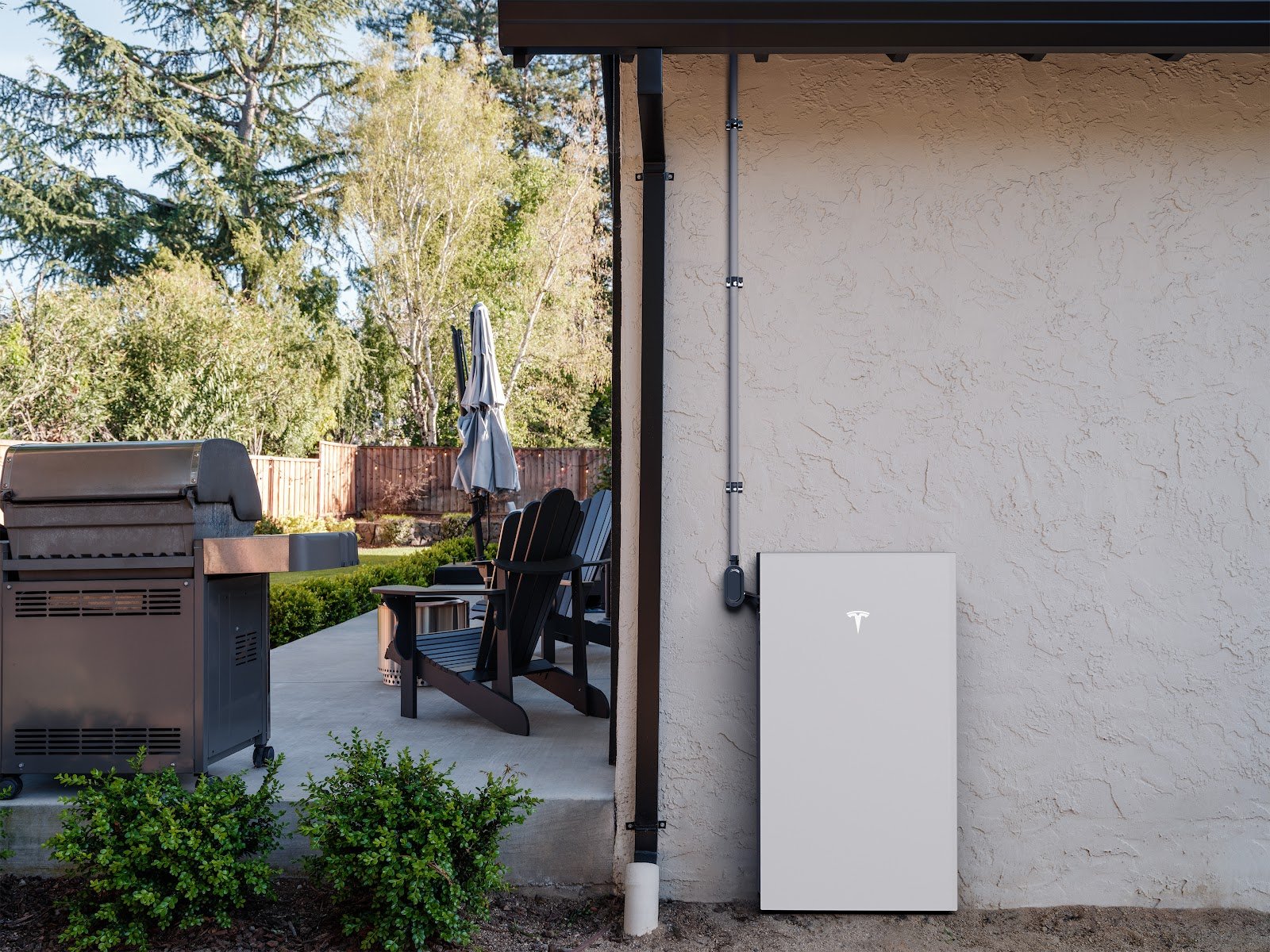
Alliant Energy pays homeowners to let their battery help the grid on its busiest days. Two batteries qualify, and we are a certified installer for both: FranklinWH and Tesla Powerwall 3.
$100 / kWh
Enrollment bonus, paid once by check
$100 / kW
Every year, based on your battery's average output during events
80 hrs
Most event hours in a year. Events last up to 4 hours.
Opt out
Skip any event from your app when you need the power
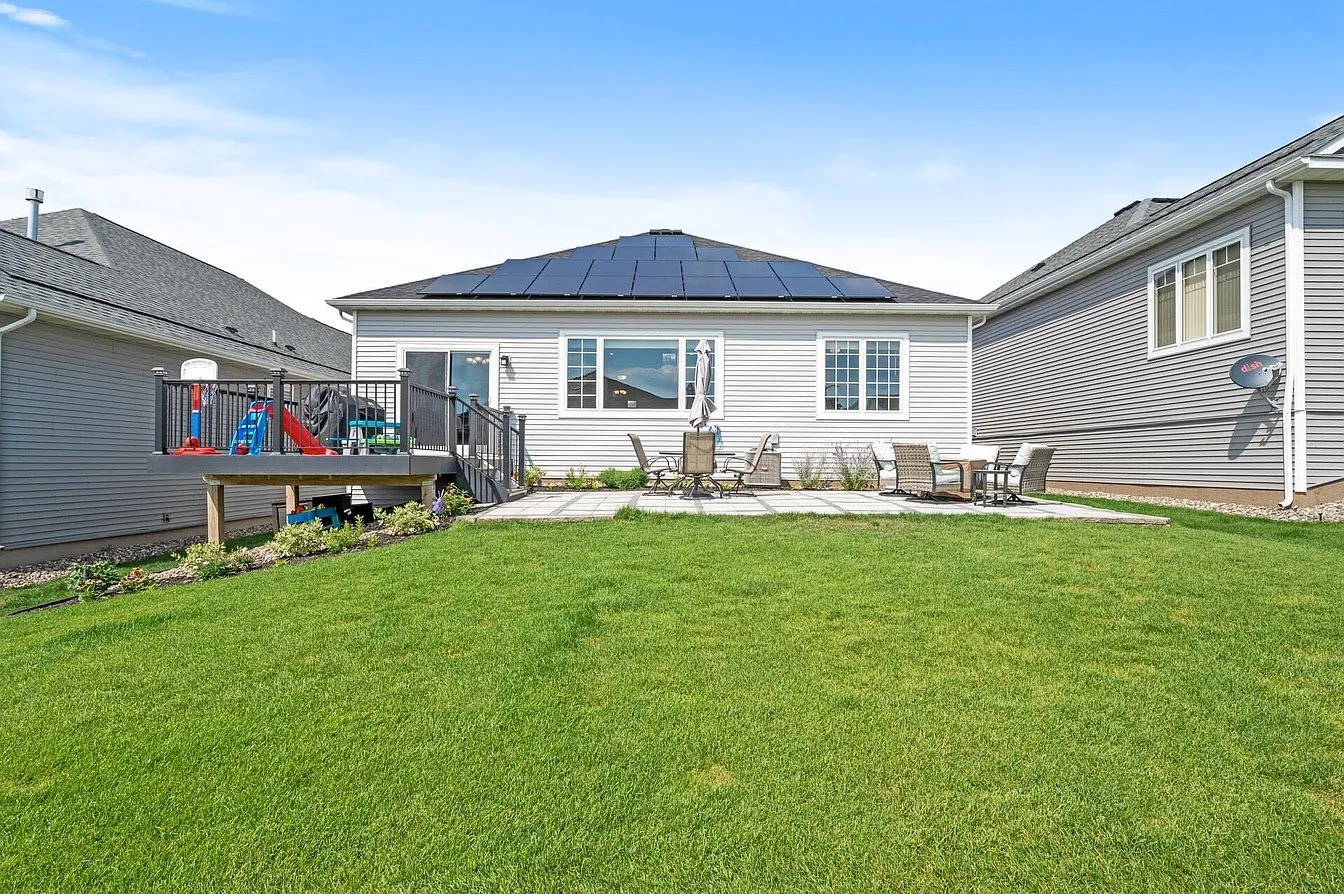
When events happen. Weekdays, not holidays. Usually 1 to 7 PM in summer (June to September) and 6 to 10 AM in winter (December to March). No more than one a day.
Your backup stays safe. The battery keeps a backup reserve, and storm modes block events when severe weather is coming.
First-year example at 2 kW. FranklinWH aPower 2: $1,500 + $200 = $1,700. Powerwall 3: $1,350 + $200 = $1,550. Payments are taxable income.
The incentive that makes solar work
Net metering
Net metering gives you credit for the extra power your panels send to the grid on sunny days. You use those credits at night and in winter. In Minnesota, each kWh you export offsets a kWh you buy, one for one. Rules differ by state, and by utility in Wisconsin.
| State | How your exported power is credited |
|---|---|
| Minnesota | Every utility, including co-ops and municipal utilities, must net meter home systems under 40 kW. Exports offset what you buy, and yearly excess can be paid at the average retail rate. Co-ops and municipal utilities may add a monthly fee. |
| Wisconsin | Set by each utility. MGE credits exports at retail rates. We Energies, WPS and Alliant Energy pay a lower buyback rate for monthly excess. |
| Iowa | Alliant Energy and MidAmerican use inflow-outflow billing. Exports earn bill credits at the retail rate, and leftover credits reset each year. Your terms are locked in for 20 years. |
| Illinois | Systems connected since 2025 earn credit for the supply part of the bill, plus a utility rebate of $300 per kW. |
| North Dakota | Xcel Energy, Otter Tail and MDU offer net billing for systems up to 100 kW. Co-ops set their own rules. |
| South Dakota | No statewide net metering. Utilities buy excess power at their avoided cost, so we size systems to what you use. |
From state law and utility tariffs, checked October 2026. We confirm your utility's current rules before we design.
Prepaid lease
The 30% federal credit is still here
The homeowner tax credit ended after 2025, but the 30% federal credit still applies when a leasing company owns the system. With a prepaid lease you pay once up front, the system owner claims the credit, and you get a price about 30% lower than buying outright.
- One payment, no monthly lease bill
- Installed by the same Wolf River Electric crews
- Systems must be in service by December 31, 2027
- We show you lease and purchase side by side
Solar is tax exempt in most of our states
Many states skip sales tax on solar equipment, and most keep the system off your property tax bill even though it adds value to your home.
| State | Sales tax exempt | Property tax |
|---|---|---|
| Minnesota | Yes | Yes, the system is exempt |
| Wisconsin | Yes | Yes, the system is exempt |
| Iowa | Yes | Added value exempt for 5 years |
| Illinois | No | Assessed as if it had a conventional system (file a claim) |
| North Dakota | No | Exempt for 5 years (apply each year) |
| South Dakota | No | First $50,000 or 70% of value exempt, whichever is more |
From state statutes and revenue departments, checked October 2026. Not tax advice.
Solar can raise your home's value
Buyers pay more for homes with owned solar. Midwest systems run larger than those in California or Texas, so the dollar premium can be larger too.
4.1%
Higher sale price for homes with solar. Zillow, 2019.
$2.66 / watt
Average premium for owned systems, from 550,000 home sales. Berkeley Lab and Fannie Mae, 2021.
$21,000 to $32,000
What that premium works out to for a typical 8 to 12 kW Midwest home system. Our estimate from the 2021 study.
Premiums vary by market and have come down since 2011. The 2021 study found the premium for owned systems; leased systems showed no clear premium.
Find out what you qualify for
Tell us your address and utility. We check every program that applies and include it in your free quote.
Program rules and amounts are set by each utility and can change. Last checked October 2026. We confirm current terms before you sign.