Updated November 2026 by Wolf River Electric
Ready for the next step? Learn about home battery backup from Wolf River Electric, or get a free quote.
A home battery needs very little maintenance. Most owners keep the unit clear of debris, watch the app for alerts and let the maker’s warranty cover the rest. This guide explains what to expect from a home battery in a Minnesota or Wisconsin winter, what the manufacturers say about care, and how often to look in on your system.
How much maintenance does a home battery need?
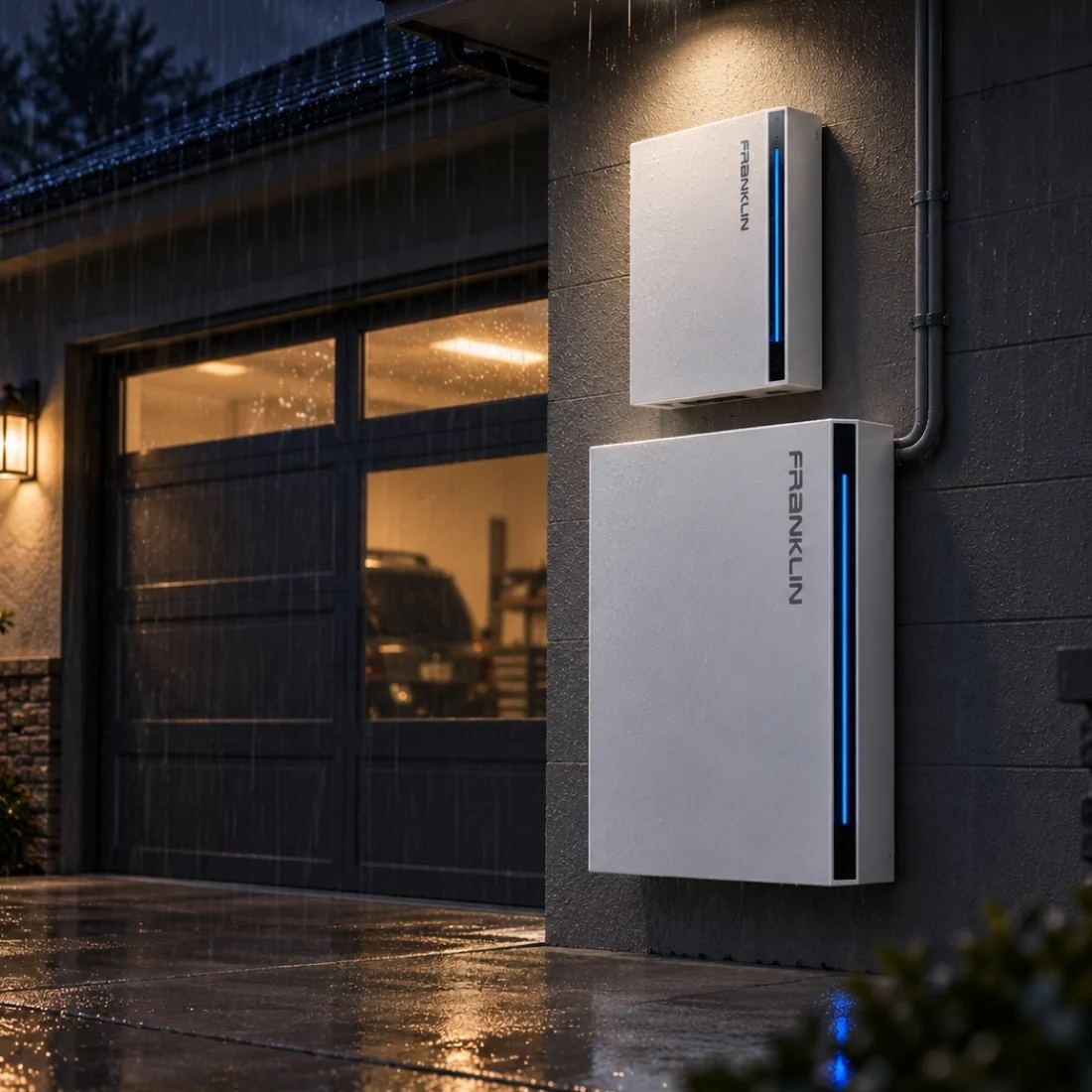
Very little. Today’s home batteries use lithium iron phosphate cells, and the main brands we install, Tesla Powerwall 3, Enphase IQ Battery and FranklinWH aPower 2, are sealed units with built-in monitoring. There are no fluids to top off and no filters to change on a schedule. The work is small compared with a car or a business fleet: keep the area clear, clean the outside when it is dusty and respond when the app sends an alert.
Warranty terms differ by model, so read the sheet for the battery you buy. Modern packs from the major makers carry 10 to 15 year warranties.
What does Tesla say about caring for Powerwall 3?
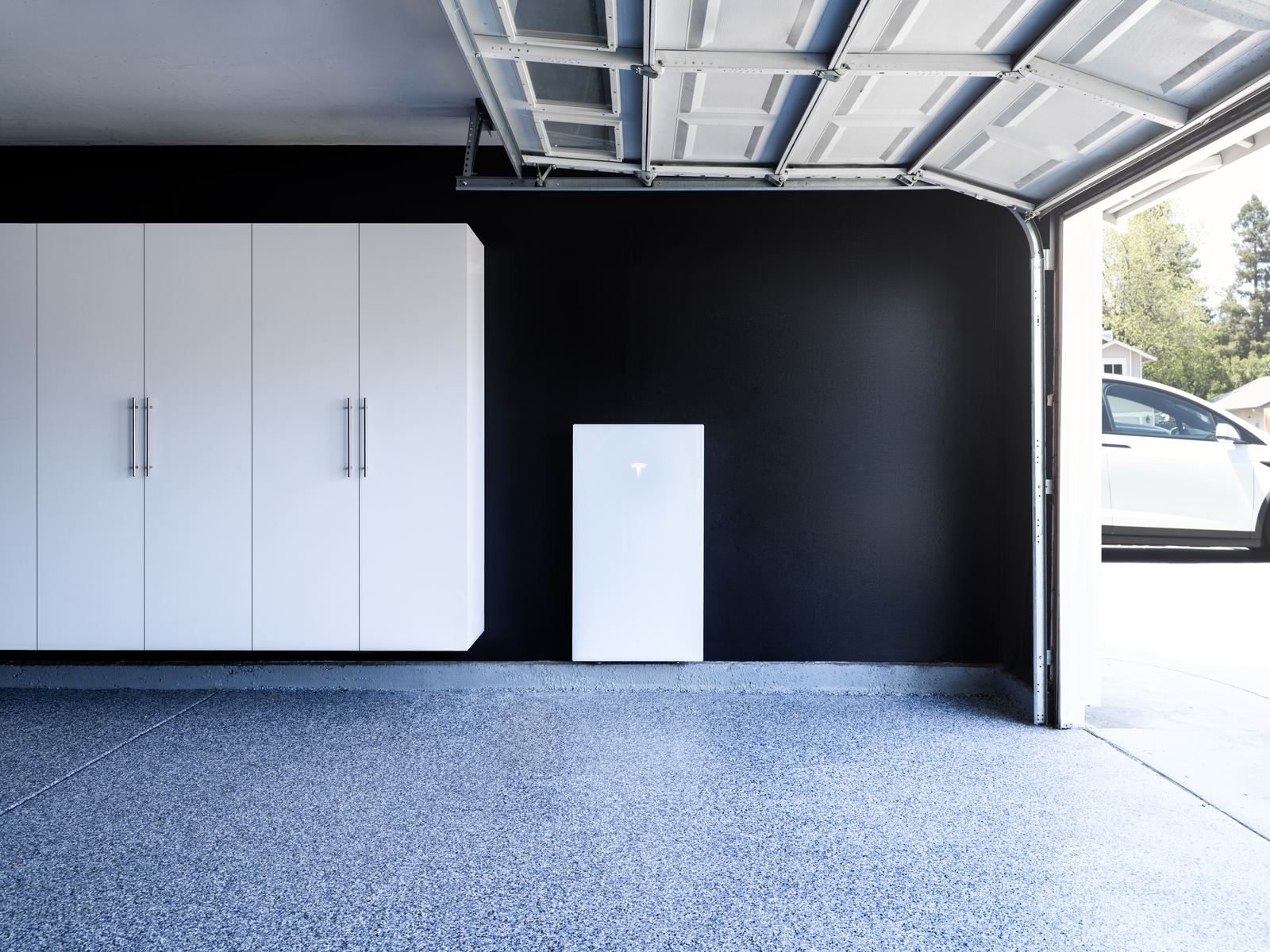
Tesla’s Powerwall 3 owner manual says the unit does not need pre-scheduled preventative maintenance. The only owner task is to keep the unit free of debris, especially around the air intake and exhaust. To clean it, use a soft, lint-free cloth, dampened with mild soap and water only. Do not use solvents or harsh chemicals, and do not lean on it or stack anything on it.
The manual lists an operating range of -4°F to 122°F. At the extremes of that range, the battery may limit charge or discharge power to protect its life, and performance can drop above 104°F. Wolf River Electric installs Tesla Powerwall 3 only.
How do FranklinWH and Enphase batteries compare on care?
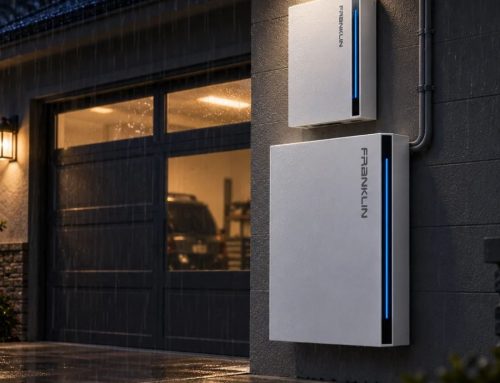
The routine is the same. Each maker publishes an owner manual with its own clearances, cleaning rules and temperature limits, and we follow those at install. Both the FranklinWH app and the Enphase app show state of charge, backup status and fault alerts on your phone. If an alert appears, the app points you to the next step, and we can help with warranty service.
Where should a battery go in a cold climate?
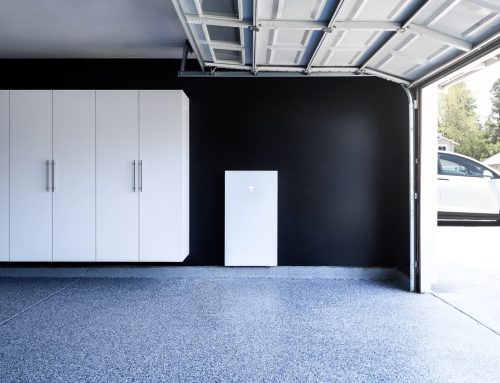
Install it in an attached garage or another space that stays out of snow and wind, even though modern units are rated to run in cold weather. A sheltered spot also keeps dust and moisture off the unit. Keep the wall area clear, so airflow is not blocked. Do not put a battery in a kitchen or bathroom, where grease and moisture build up.
What should you check, and how often?
What about batteries at a business?
Commercial systems are larger, so ask for the maker’s care schedule and monitoring access in your quote. A business that uses a battery for backup should also decide who watches the alerts, and who to call when one comes in. See our residential and commercial pages for the systems we install.
Battery maintenance questions
Does a home battery need regular service?
Usually not. Tesla states that Powerwall 3 needs no scheduled preventative maintenance. Other makers publish their own guidance, and monitoring apps flag problems when they occur.
Does cold weather hurt a home battery?
Powerwall 3 is rated to operate down to -4°F. At the extremes of its range, the unit may limit power to protect the cells. An attached garage keeps a battery out of the worst of a Minnesota or Wisconsin winter.
Can a battery run a whole home through a winter outage?
It depends on the battery size and what you back up. For long outages, many homes pair a battery with a standby generator. We size the system around your loads.
Want a battery sized for your home? Get a free quote from Wolf River Electric or call (763) 229-6662.
Free quote
See what solar and backup power can save you
Get a custom design and savings estimate from Wolf River Electric. No cost, no obligation.