Updated November 2026 by Wolf River Electric.
Ready for the next step? Learn about solar incentives by state from Wolf River Electric, or get a free quote.
Net metering vs net billing in plain terms
| Net metering | Net billing | |
|---|---|---|
| What you get for exports | About the retail rate, kWh for kWh | A lower export rate, often avoided cost or supply-only |
| What you pay for grid power | Retail rate | Retail rate |
| Best way to use solar | Exports and self-use are worth about the same | Use as much solar at home as you can |
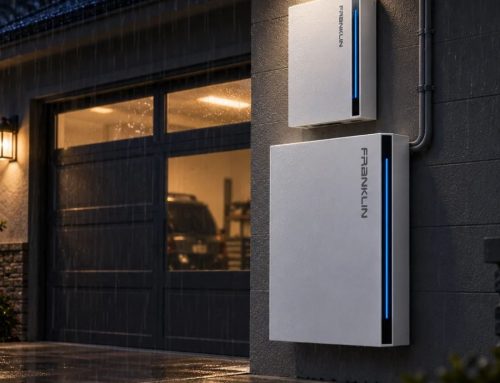
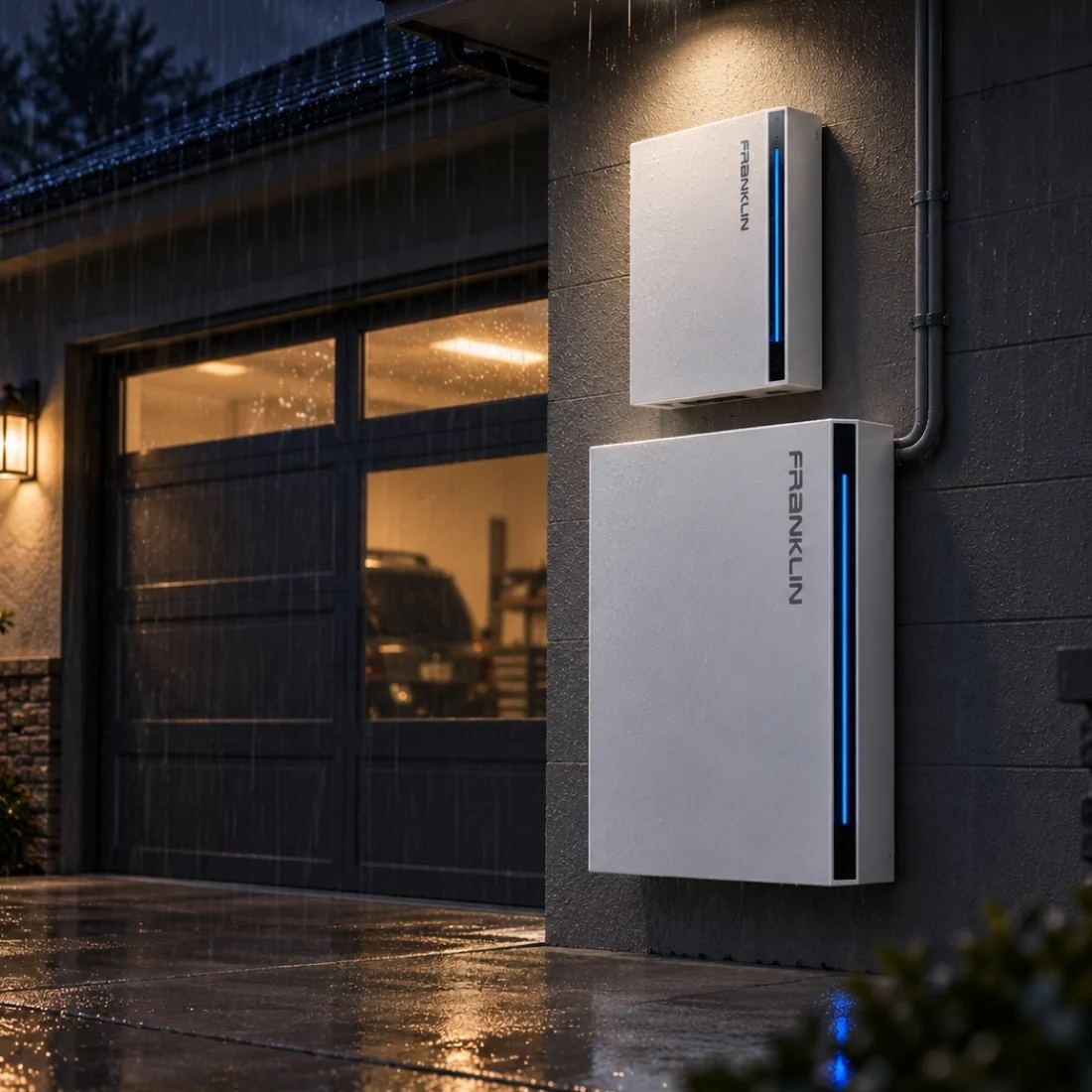
| Role of a battery | Backup and time-of-use savings | Backup, plus storing midday solar for the evening |
| Right system size | Sized to cover your yearly use | Often sized a bit smaller, closer to what you use as it is made |
Rules by state and utility
Here is how the utilities in our service area credit the power your panels send to the grid, as of November 2026. Tariffs change, so we confirm your utility’s current rules during design.
| State and utility | Program | How exports are credited |
|---|---|---|
| Minnesota: Xcel Energy, co-ops and municipal utilities | Net metering (systems under 40 kW) | Excess is credited at the utility’s average retail rate, as a bill credit or a check. Co-ops and municipal utilities follow the same under-40 kW rule. |
| Wisconsin: We Energies | Net metering (CGS NM, under 300 kW) | Use and production net within each billing period; excess is credited at We Energies’ published 2026 rate, about 3.2 cents per kWh (slightly higher on peak). A small daily generation charge applies. |
| Wisconsin: Alliant Energy (WPL) | Buyback at avoided cost | Exports are credited at an avoided-cost rate, about 4 cents per kWh on average in 2026. |
| Wisconsin: Madison Gas and Electric | Net metering up to 100 kW, with a net-seller test | Homes that use more than they produce over 12 months get retail credit for exports; net sellers get MGE’s buyback rate of roughly 3 to 4 cents. |
| Wisconsin: Xcel Energy | Net energy billing up to 100 kW | Kilowatt-hours net at retail through the year; any surplus at year end is paid at avoided cost. |
| Wisconsin: WPS and co-ops | Set by each utility’s tariff | Varies; we check the current tariff for your address. |
| Iowa: MidAmerican and Alliant (IPL) | Inflow-outflow billing | Exports earn dollar credits at the retail rate, locked for 20 years for each system. Credits net over a year with a January or April anniversary; leftovers are forfeited. Systems are capped at 110% of your yearly use. |
| Illinois: ComEd and Ameren | Supply-only net metering (since January 1, 2025) | Exports earn the supply and transmission part of the rate, not delivery charges. Systems connected before 2025 keep full net metering. |
| North Dakota | Net billing | Excess is credited below the retail rate. Using solar at home is worth more than exporting it. |
| South Dakota | No statewide net metering | Each utility sets its own terms. |
What it means for your system design
- Under retail net metering (Minnesota, Iowa’s big utilities): size the system to cover your yearly use. In Iowa, stay under the 110% cap and remember leftover credits do not carry past the annual anniversary.
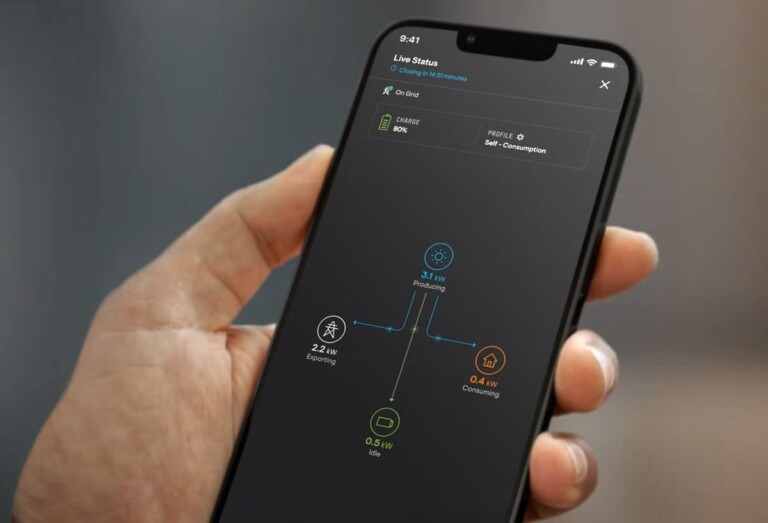
- Under avoided-cost or supply-only credits (much of Wisconsin, Illinois since 2025, North Dakota): every kWh you use at home is worth more than one you export. We often face panels to match when you use power, and a battery can store midday solar for evening use.
- On time-of-use rates: a battery can cover the expensive evening peak. See Xcel Energy time of use in Minnesota.
Is solar still worth it under net billing?
Often yes, because the bigger share of the value comes from the power you use yourself, which saves you the full retail rate. Export credits matter less when the system is sized well. State incentives also help; see Wisconsin, Iowa, Illinois and Minnesota incentives. For more on how the Minnesota program works, read net metering in Minnesota.
Net metering questions
Is net billing the same as net metering?
No. Both credit the power you export, but net metering credits it at or near retail and net billing credits it at a lower rate.
Do I get paid for extra power?
Depends on the utility. Minnesota utilities credit excess at the average retail rate. Some Wisconsin utilities pay avoided cost for surplus. Iowa’s inflow-outflow credits expire at the annual anniversary.
Can my utility change the rules after I install?
Tariffs can change, though many programs protect existing systems. Iowa locks each system’s outflow rate for 20 years, and Illinois kept full net metering for systems connected before 2025.
Does a battery make sense under net metering?
For backup, yes. For savings, it matters most under net billing or time-of-use rates.
Find out how your utility credits solar
Tell us your address and utility and we will design around its current rules. Get a free solar quote.
Sources: Iowa Code 476.49 and Iowa Utilities Commission distributed generation tariffs; Minnesota net metering rules summarized by SolarReviews; We Energies, Alliant, MGE and Xcel Wisconsin tariff summaries (WattBuild, NetMeteringByState.com, checked November 2026); Illinois supply-only net metering summaries (EnergySage, Palmetto).
Free quote
See what solar and backup power can save you
Get a custom design and savings estimate from Wolf River Electric. No cost, no obligation.