Winter EV Range & Home Level 2 Charging: Navigating Cold Climates in the Midwest
Wolf River Electric is a local solar company in Minnesota. Learn about our home EV charger installation or get a free quote.
Cold weather EV charging in Minnesota starts with a plan for freezing temperatures and reduced driving range. Wolf River Electric explains how Level 2 home charging and preconditioning can help you prepare for winter driving.
Lithium-ion batteries rely on chemical reactions to store and release electrical energy. When ambient temperatures drop into the 20s and 30s, those reactions slow, temporarily reducing usable battery capacity. Combined with the energy required to heat your vehicle’s cabin, winter driving can diminish your total driving range by 20% to 30%.
Fortunately, adjusting your charging routine and upgrading your home infrastructure with a specialized cold-weather EV charging setup in Minnesota allows you to overcome winter range anxiety and keep your vehicle operating smoothly all season long.
Why Sub-Zero Temperatures Impact EV Performance
Understanding why cold weather affects your electric vehicle helps you take control of your battery’s health and daily driving range during northern winters:
- Reduced Chemical Efficiency: Cold electrolyte fluids inside lithium-ion cells increase internal resistance, making it harder for the battery to accept and discharge power efficiently.
- High Cabin Heating Demand: Unlike gas vehicles that use waste engine heat to warm the interior, electric vehicles rely on electric resistance heaters or heat pumps. Running cabin heaters continuously pulls energy directly from your main traction battery.
- Regenerative Braking Restrictions: When an EV battery is freezing cold, its onboard management system automatically limits regenerative braking to protect the battery cells from damage, temporarily reducing energy recovery during city driving.
Standard 120-volt “Level 1” trickle chargers—the basic wall plugs included with most vehicles—can’t deliver enough power in sub-freezing weather to heat the battery pack while charging the vehicle.
The Level 2 Solution: Pre-Conditioning on Grid Power
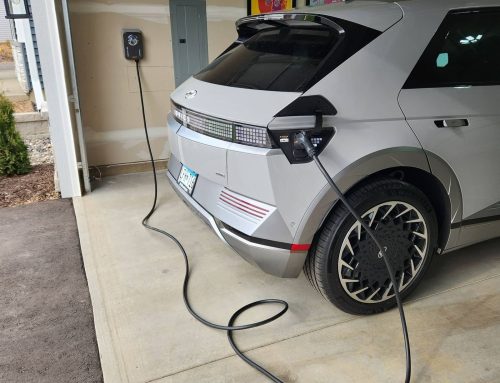
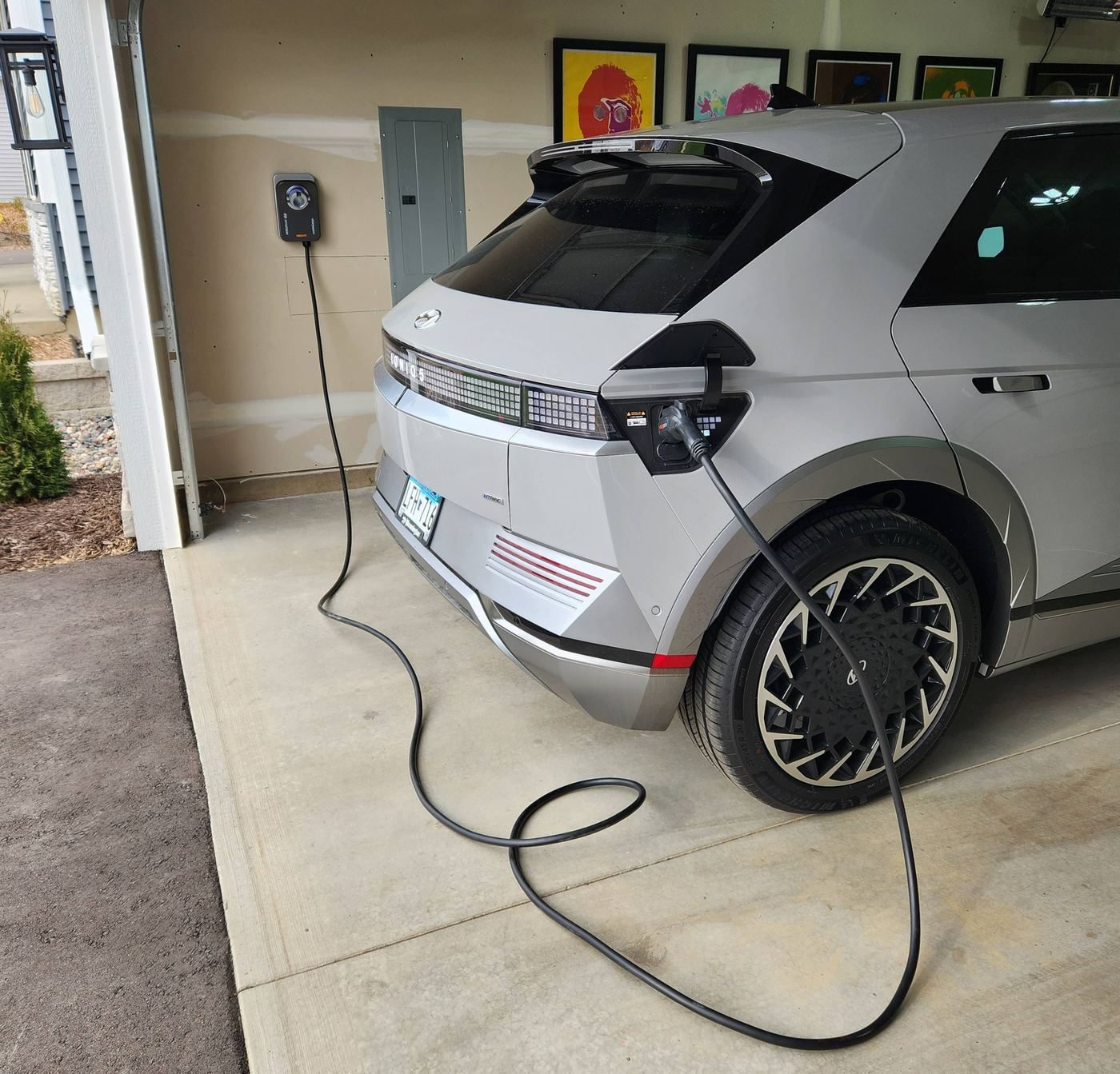
The key to mastering cold weather EV charging in Minnesota routines lies in installing a dedicated 240-volt Level 2 home charging station.
A Level 2 home charger delivers 30 to 50 amps of dedicated electrical power—charging your battery up to 8 times faster than a standard wall outlet. More importantly, it unlocks a critical winter feature available on almost every modern EV: battery pre-conditioning.
Pre-conditioning allows you to schedule your departure time using a smartphone app or your vehicle’s dashboard menu while the car remains plugged into your home charger:
- Warming the Battery Pack: The charger uses grid power (or your rooftop solar array) to warm the battery to its optimal operating temperature before you drive off, restoring full regenerative braking and maximum battery efficiency.
- Pre-Heating the Cabin: Your vehicle warms the seats, steering wheel, and cabin air using wall power while plugged in, so your battery doesn’t waste range warming a cold interior when you pull out of the driveway.
- Preserving Driving Range: By starting your morning commute with a warm battery and a warm cabin, you preserve maximum battery energy exclusively for driving.
Choosing the Right Level 2 Charger for Midwest Homes
When selecting a Level 2 home charging station for northern climate conditions, hardware durability matters.
Key features to look for include:
- Flexible Cold-Weather Cabling: Standard rubber cables stiffen and become unmanageable in sub-zero garage temperatures. High-grade charging stations feature cold-rated cables engineered to remain flexible even at -30°F.
- Smart Scheduling Capabilities: A smart charger lets you schedule charging during off-peak utility hours, taking advantage of lower overnight electricity rates offered by regional utility providers.
- Sufficient Electrical Amperage: A dedicated 40-amp or 50-amp circuit ensures your home panel can supply enough power to handle simultaneous battery pre-conditioning and cabin heating during extreme cold snaps.
Professional Installation by Licensed Electrical Experts
Installing a 240-volt Level 2 charging station requires a dedicated high-voltage circuit breaker, correctly sized conductor wiring, and strict adherence to National Electrical Code (NEC) safety standards. If your home’s main electrical service panel is older or near capacity, you may need an electrical panel upgrade or a smart load-share device before installation.
As a fully licensed electrical contractor headquartered in Isanti, Minnesota, Wolf River Electric specializes in complete EV charger installations and residential electrical upgrades. Our certified electricians evaluate your panel capacity, handle all local permitting, install high-quality charging hardware, and test your system to ensure safe, reliable performance throughout the winter.
Don’t let freezing winter temperatures slow down your electric drive. Contact Wolf River Electric today to get a quote on a Level 2 home charging station installation!
Free quote
See what solar and backup power can save you
Get a custom design and savings estimate from Wolf River Electric. No cost, no obligation.