Updated October 2026 by Wolf River Electric, a solar company serving homes, farms and businesses across South Dakota.
Is Solar Worth It in South Dakota?
It depends mostly on how much of your solar power you use yourself. Every kWh you use at home replaces a kWh you would have bought at the retail rate, about 14 to 15 cents per kWh for South Dakota homes in 2026, according to monthly EIA data. Every kWh you send to the grid earns less. That makes system size the biggest decision.
What Solar Costs in South Dakota
EnergySage’s September 2026 data puts the South Dakota average at $3.46 per watt, including equipment and installation, before incentives. Here is what that works out to by system size:
| System size | Good fit for | Estimated cost before incentives |
|---|---|---|
| 6 kW | Smaller homes, low usage | About $20,800 |
| 8 kW | Average usage, gas heat | About $27,700 |
| 10 kW | Larger homes or an EV | About $34,600 |
| 12 kW | High usage or electric heat | About $41,500 |
These estimates are for roof-mounted systems. Ground mounts, trenching, batteries and electrical panel upgrades add to the price. For more detail, see our page on solar panel cost in South Dakota.
No Net Metering: What Utilities Pay for Extra Power
The South Dakota Public Utilities Commission (PUC) says the state “does not compensate solar generation at a net metered rate.” Instead, utilities pay at least their avoided cost for the power you send back. Avoided cost is what it would have cost the utility to make or buy that power itself. It covers energy, not delivery, so it is usually well below what you pay per kWh.
For systems under 100 kW, utilities must file these rates with the PUC, and the PUC approves them for the investor-owned utilities: Xcel Energy, Black Hills Energy, NorthWestern Energy, Otter Tail Power and Montana-Dakota Utilities. Rural electric co-ops and city utilities set their own buyback rates and rules.
What this means for you:
- Size to your own use. Build the system around the power your home uses, not the most panels your roof can hold. Surplus power earns the lower avoided-cost rate.
- Use more power while the sun is up. Run the dryer, dishwasher, well pump or EV charger during the day when you can.
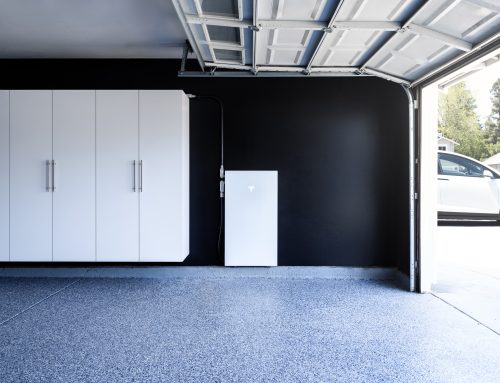
- Consider a battery. A battery stores daytime solar for the evening, so you use more of what you make, and it keeps essentials running in an outage.
We size every system from 12 months of your bills and your utility’s current buyback rate. Then we show you the yearly bill savings, the return on net cost (yearly savings divided by what you paid) and the cost per kWh over the system’s life.
South Dakota Solar Incentives in 2026
South Dakota has no state solar tax credit. Two things still lower the cost.
Property Tax Exemption
For systems under 5 MW, 70% of the assessed value or $50,000, whichever is greater, is exempt from property tax (SDCL 10-4-42 to 10-4-45). There is no application. Your county Director of Equalization handles it.
Federal Tax Credit: Homes vs. Farms and Businesses
The 30% federal credit for homeowners who buy their system (Section 25D) ended for systems installed after December 31, 2025. Installation has to be completed, not just paid for, so a system paid for in 2025 but installed in 2026 gets no credit. Installed in 2025? Claim it on IRS Form 5695 with your 2025 return. Read what changed with the solar tax credit.
Homeowners can still get savings tied to the commercial credit through a lease or prepaid lease. The leasing company claims the credit (Section 48E) and passes savings to you. Wolf River Electric customers on a prepaid lease typically see about 30% off the list price.
Farms and businesses can claim the commercial credit under Section 48E directly. Solar projects that did not begin construction by July 4, 2026 must be placed in service by December 31, 2027. Projects that began construction by July 4, 2026 have up to four years. Battery storage is not tied to the 2027 solar deadline. Foreign-entity sourcing rules apply to projects that begin construction after December 31, 2025, so equipment choice matters. If you farm, see our page on agrivoltaics.
How to Go Solar in South Dakota: 5 Steps
Step 1: Bill Review and Site Visit
Send us 12 months of electric bills. They show how much power you use, which sets the system size. Then we visit to check your roof’s age, direction and shade, your electrical panel and, on acreages and farms, whether a ground mount makes more sense. If your roof needs replacing soon, do that first, since removing and reinstalling panels later adds cost.
Step 2: Design and Quote
We design the system around your use and your utility’s buyback rate. Your quote shows the equipment, the price, the expected production and the yearly bill savings, with and without a battery. You can pay cash, use a loan or choose a prepaid lease. See our financing options.
Compare quotes on the same terms. Any quote that still subtracts the 30% federal credit from a home system you would own is out of date. The PUC also suggests asking every installer for proof of licensure and checking with the Secretary of State that the company is in good standing.
Step 3: Permits and Utility Approval
Sioux Falls and Rapid City require building and electrical permits. Rural counties vary, so we check the rules where you live and pull the permits for you.
Every grid-tied system needs approval from your utility before it can be turned on. The PUC regulates small generator interconnection, and the utilities it regulates must connect small solar systems that accept their terms. We prepare and file the application with your utility or co-op as soon as you sign.
Step 4: Installation
Our licensed crews install the racking, panels, inverters and wiring, plus a battery if you chose one. We install Q CELLS, REC, Silfab, Canadian Solar and Waaree panels with Enphase microinverters, so each panel works on its own.
Step 5: Inspection and Turn-On
Where a permit is required, the local inspector checks the finished work. Once your utility gives permission to operate, we turn the system on and show you how to track production. Residential installs come with our 25-year workmanship warranty, which covers our installation work, including roof leaks. Manufacturer warranties cover the equipment itself, and programs such as REC ProTrust also cover labor for warranty repairs.
Batteries and Off-Grid Systems
Batteries matter more in South Dakota than in states with net metering. A kWh you store and use at night saves you the retail rate, while the same kWh sent to the grid earns avoided cost. A battery also keeps your well pump, furnace fan, fridge and lights running during an outage. We install FranklinWH, Enphase, LG and EG4 batteries. See home battery backup.
Off-grid systems make sense for cabins, hunting land, remote shops, stock wells and homes where a new power line is far away or costly to bring in. They are designed differently from grid-tied systems:
- Size for winter, not summer. Short December days produce the least solar power, so the panels and battery bank need to cover your use in the darkest weeks.
- Plan on a generator. A generator recharges the batteries through long cloudy stretches and heavy snow. We install Generac standby generators.
- Shrink the load first. Propane or wood for heat and cooking, plus efficient appliances, reduce the system you need.
- Tilt panels steeply. Steeper panels shed snow faster and catch more of the low winter sun.
Off-grid systems do not need utility approval, but they still need to meet electrical code and any local permit rules.
South Dakota Solar FAQ
Does South Dakota have net metering?
No. The PUC says South Dakota “does not compensate solar generation at a net metered rate.” Utilities pay their avoided cost for power you send to the grid, and they file those rates with the PUC for systems under 100 kW.
Is there a property tax break for solar in South Dakota?
Yes. For systems under 5 MW, 70% of the assessed value or $50,000, whichever is greater, is exempt. There is no application; your county Director of Equalization handles it.
Is there a South Dakota solar tax credit?
No. South Dakota has no state solar tax credit, and the federal homeowner credit ended for systems installed after December 31, 2025.
Can farms and businesses still get the federal credit?
Yes, under Section 48E, if the system is placed in service by December 31, 2027, or construction began by July 4, 2026.
Do I need a permit for solar in South Dakota?
In Sioux Falls and Rapid City, yes: building and electrical permits. Rural counties vary. Every grid-tied system needs utility approval.
Do solar panels work in a South Dakota winter?
Yes. Panels make less power on short winter days, but they run efficiently in cold, clear weather, and snow usually slides off tilted panels within a few sunny days.
Talk to a South Dakota Solar Installer
Wolf River Electric is a South Dakota solar installer for homes, farms and businesses. We are licensed in every state we serve, a NABCEP-certified company, and we have more than 1,000 five-star reviews on Google and BBB. Send us 12 months of bills and we will show you the system size, the price and the yearly savings, with and without a battery. Call (763) 229-6662, Monday to Friday, 8 am to 8 pm, or get a free quote.
Sources: South Dakota Public Utilities Commission, Solar Energy FAQ; South Dakota Department of Revenue (SDCL 10-4-42 to 10-4-45); EnergySage (September 2026); U.S. EIA, Electric Power Monthly (2026); IRS Residential Clean Energy Credit FAQ and Form 5695 instructions; Public Law 119-21; City of Sioux Falls and City of Rapid City permit rules.
More from Wolf River Electric: solar panel removal and reinstall when you need a new roof.
Free quote
See what solar and backup power can save you
Get a custom design and savings estimate from Wolf River Electric. No cost, no obligation.