Trusted Solar Installers in Washington County
Washington County offers an ideal mix of open land, strong solar exposure, and supportive utility programs—making solar power a smart investment for both rural properties and in-town homes. From Washington and Brighton to Ainsworth and Kalona, property owners are using solar to lower monthly electric bills and gain long-term energy security.
With stable sunlight levels and evolving net metering policies, a professionally designed solar system can offset a significant portion of your electricity usage. Beyond savings, solar installations in Washington County can boost property value and reduce dependence on traditional utilities.
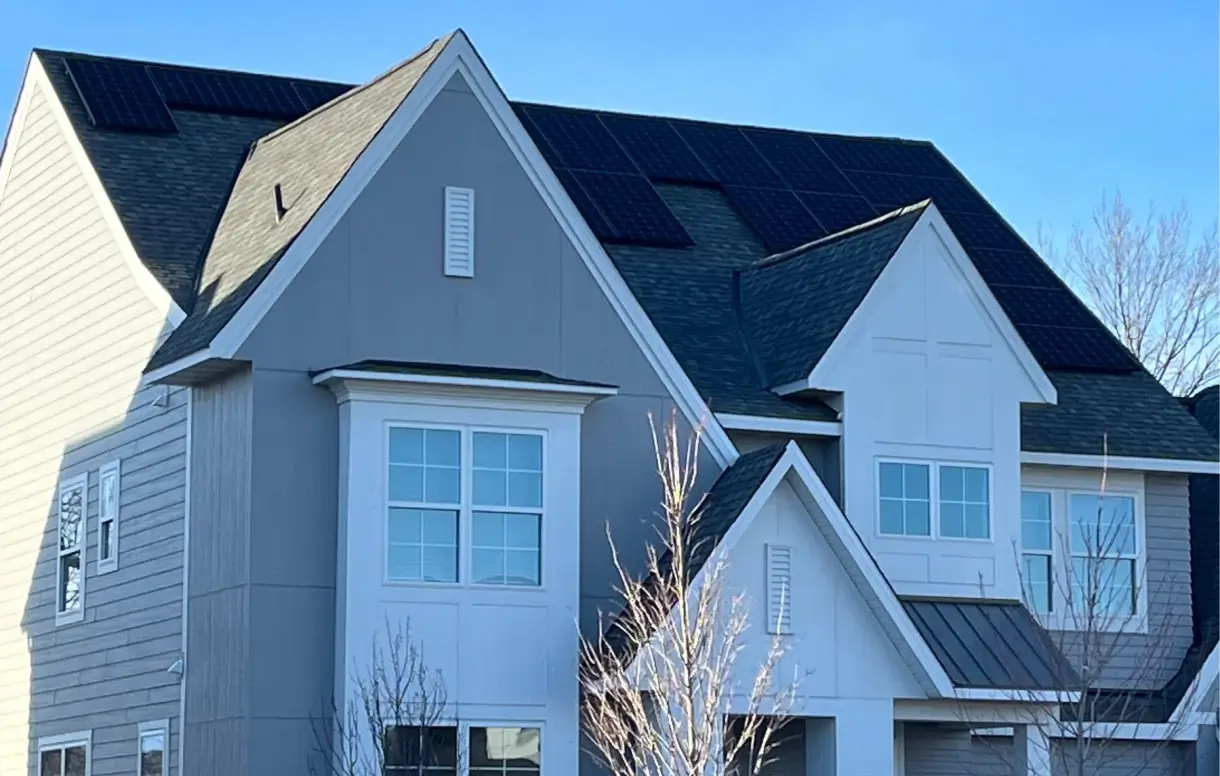
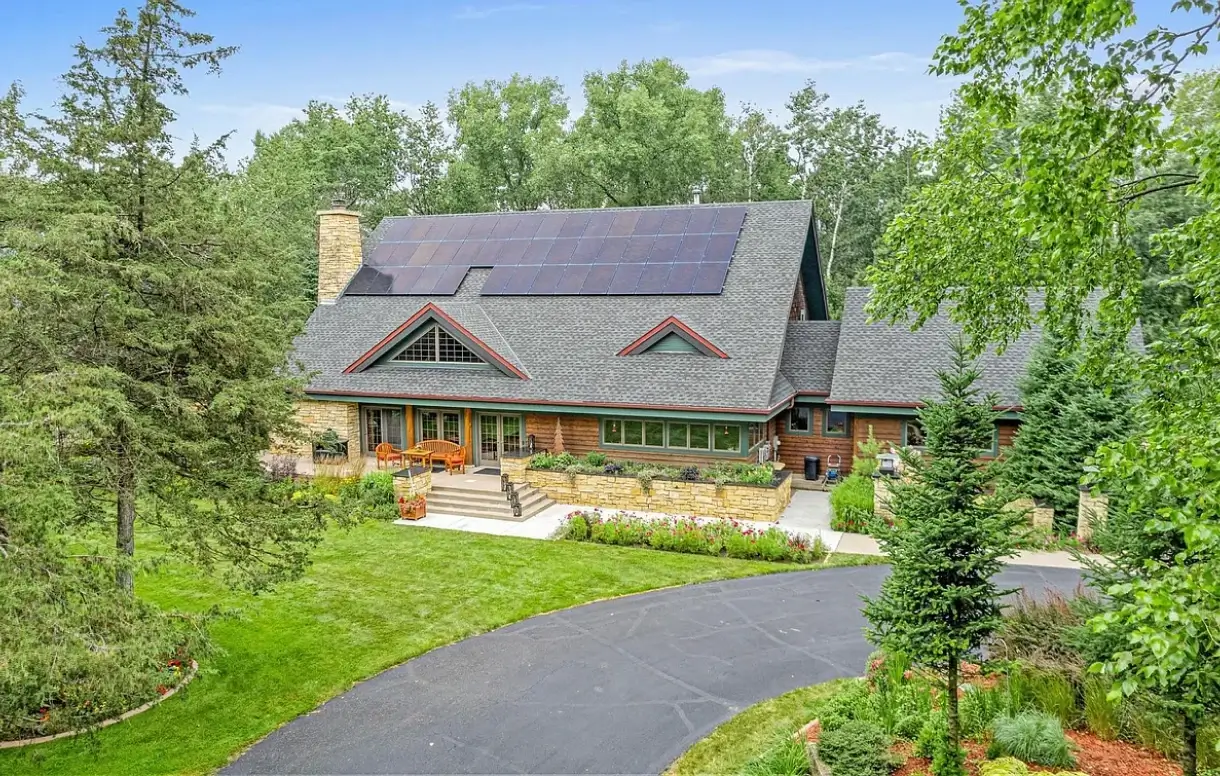
Wolf River Electric delivers end-to-end solar solutions tailored to Washington County properties. Whether you’re installing residential rooftop solar on a farmhouse, a ground-mounted array on acreage, or a commercial system for your business, our team handles everything—from engineering and permitting to installation and system monitoring. We can also integrate your solar system with Smart Home technology for enhanced energy management and convenience.
Take the next step toward energy independence and join your neighbors who are already benefiting from clean, reliable solar power in Washington County.
Our Services
As experienced solar installers serving Washington County, we offer customized solutions for residential, agricultural, and commercial properties:
- Solar Panel & Inverter Installation
- Battery Storage & Energy Management Systems
- Ground-Mounted Solar for Acreage & Farms
- EV Charger Integration
- Solar Carports & Covered Parking
- System Monitoring & Preventative Maintenance
- Custom Engineering & Site-Specific Designs
Cities Within Washington County, MN
County Incentives*
Solar incentives help make solar energy more accessible across Washington County. Available programs may include:
- Solar Sales Tax Exemption
- Property Tax Exemption for Solar Improvements
- Net Metering Through Local Utilities
- Utility Rebates & Local Energy Programs
Our team stays up to date on county and utility-specific programs and will help identify which incentives apply to your property.
Financing Options
Going solar in Washington County doesn’t require paying everything upfront. We offer multiple financing pathways to fit different goals and budgets, including:
- Solar-specific loan programs
- Green energy financing
- Home equity-based funding
- Manufacturer-backed financing options
During your consultation, we’ll help compare monthly payments, long-term savings, and ownership benefits so you can choose the option that makes the most financial sense.
Ask your solar advisor which incentives apply to your Washington County property. Please consult a tax professional regarding eligibility for nonrefundable tax credits.
Frequently Asked Questions
Does solar work well on rural properties in Washington County?
Yes. Rural properties often benefit the most from solar thanks to open land and fewer shading obstacles. Ground-mounted systems are especially popular for farms and acreage, allowing optimal panel placement.
Will solar still produce power during cloudy days or winter months?
Solar panels generate electricity year-round. While production is lower on overcast days, systems are designed to account for seasonal changes, ensuring consistent annual performance in Washington County’s climate.
Can Wolf River Electric handle zoning, permits, and utility coordination?
Yes. We manage all permitting, zoning coordination, utility interconnection, and incentive documentation—streamlining the entire process for Washington County homeowners and businesses.