Best Saint Paul Solar Installers
Solar Systems In Saint Paul, MN
- Highest Quality Materials
- Trustworthy Craftsmanship With Attention-to-Detail
- Comprehensive Warranties Available
- Top Rated Solar Company With Over 750 5-Star Reviews
JOIN THE MOVEMENT TOWARD SOLAR IN SAINT PAUL
Wolf River Electric is Saint Paul’s trusted partner for cutting-edge solar installations and energy-efficient upgrades. As a locally owned company, we take pride in helping homeowners and businesses throughout Minnesota transition to renewable energy with solutions designed for longevity, savings, and sustainability.
Start Your EV Charging Journey Today!
Whether you’re looking to power your electric vehicle or generate clean energy for your home or business, our EV charging installation services make it convenient and cost-effective.
Why Go Solar in Saint Paul, Minnesota?
The capital city of Minnesota, Saint Paul, is a hub of culture, history, and innovation. But with fluctuating energy rates and increasing environmental awareness, more Saint Paul residents are discovering the financial and environmental benefits of making the switch to solar power.
Wolf River Electric operates with a mission to make that transition as seamless and impactful as possible. From custom solar systems to advanced energy technology and exterior upgrades, we’re your all-in-one solution to sustainable living in Saint Paul.
Ready to Join the Solar Community in Saint Paul?
Solar power is more accessible than ever, and Wolf River Electric is here to deliver solutions that match your unique needs. Whether it’s powering your family home, retrofitting a commercial property, or planning a new construction project, we bring efficiency, reliability, and expertise to Saint Paul properties.
Solar, Roofing, Siding & Storm Repairs in One Place
From energy-efficient solar systems to durable roofing and siding solutions, Wolf River Electric takes care of your energy and construction needs under one roof for streamlined service and superior results.
Get started today with a free consultation and make the switch to a stronger, greener future with Wolf River Electric.
Explore Our Solar Services in Saint Paul, MN
We offer tailored solar energy solutions to match your energy goals, budget, and vision:

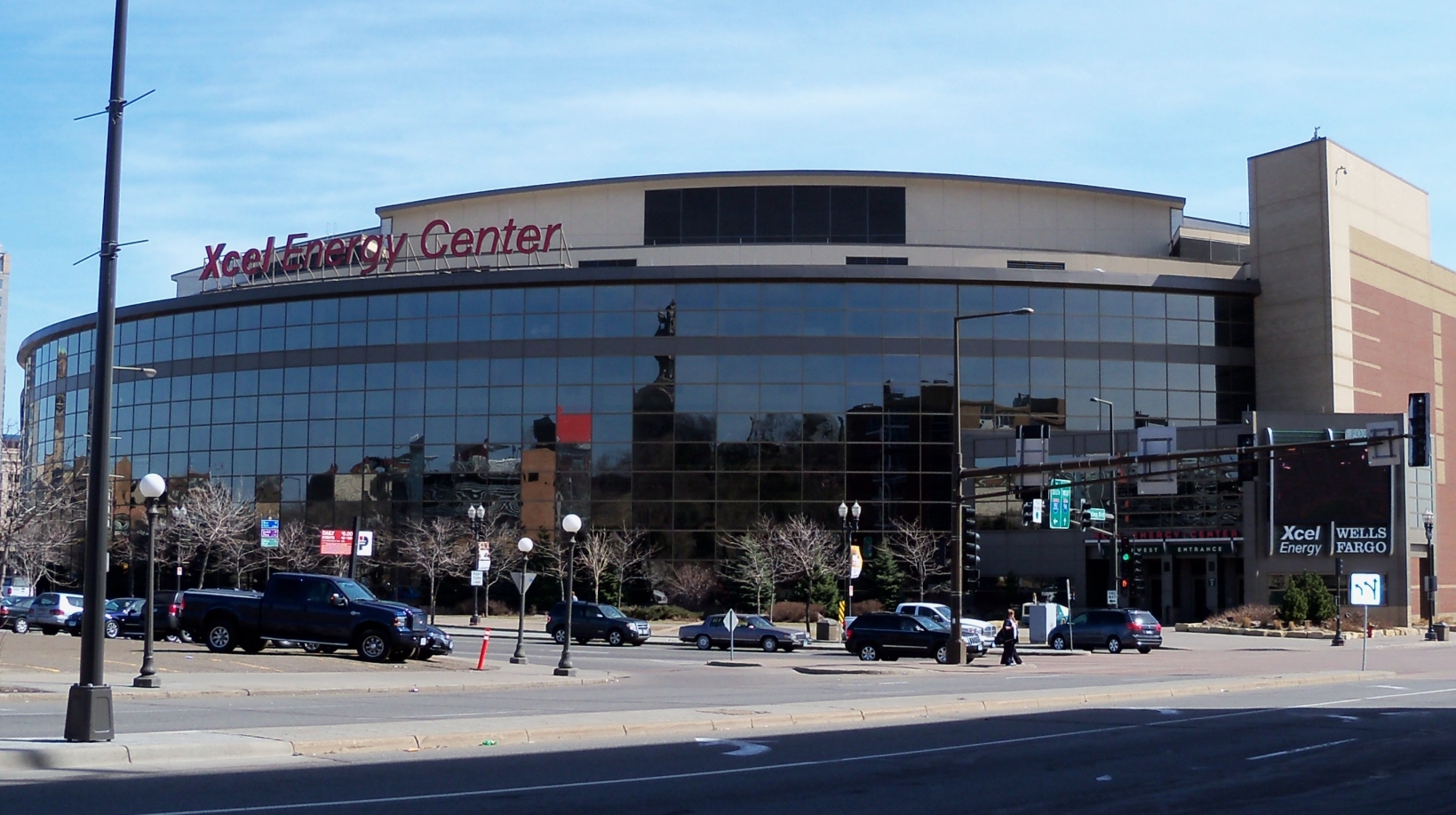
Residential Solar Systems in Saint Paul
Imagine lower utility bills while increasing the value of your home. Wolf River Electric’s residential solar systems provide an affordable approach to energy independence with designs that stand up to Minnesota’s challenging seasons.
- Custom Solar Plans: Personalized solar panel design based on your home’s energy demands.
- Flexible Financing Options: Get started with little to no upfront costs and enjoy savings over time.
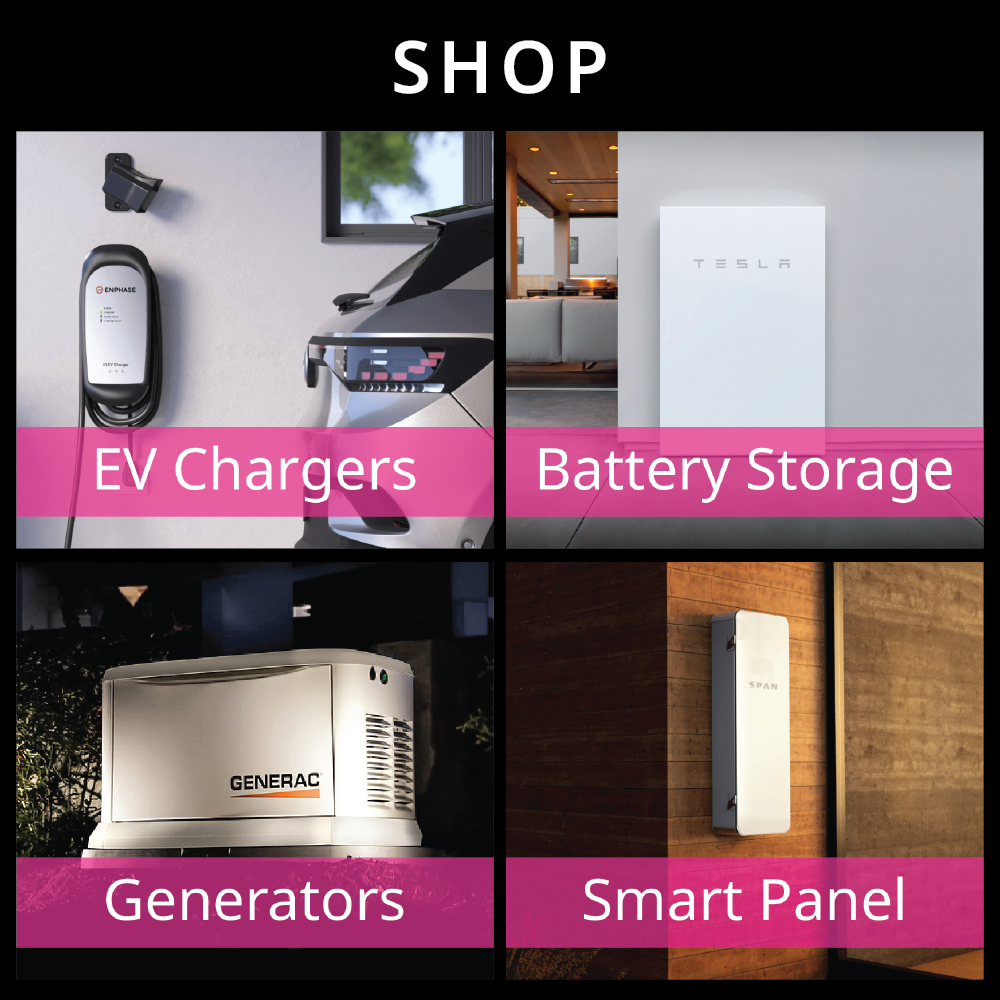
- Pairing EV Chargers and Smart Tech: Add EV charging stations, monitor energy usage, and integrate smart systems for maximum control.
- Reliable Maintenance and Support: Wolf River Electric is here to assist long after installation for a worry-free experience.
Commercial Solar Solutions for Saint Paul Businesses
From downtown offices to Saint Paul’s industrial hubs, our commercial solar systems are designed to reduce energy costs while showcasing your business’s commitment to sustainability.
- Strategic System Designs: Solutions tailored to your building’s energy usage and efficiency goals.
- Rebates and Incentive Assistance: Guidance on Minnesota’s solar incentive programs to save your business money.
- Energy Resilience: Add battery storage or backup power to avoid business disruptions.
- Commercial EV Charging: Attract customers and employees or electrify your fleet with minimal overhead.
- Comprehensive Maintenance: Trust us to keep your system running at peak performance for years to come.
New Construction & Custom Solar Projects in Saint Paul
Building a new property in Saint Paul? This is the perfect time to integrate solar power into your project. Wolf River Electric will partner with you from design to completion to ensure your new build is as energy-efficient and sustainable as possible.
- In-House Expertise: Roofing, siding, and solar panel installation all handled by one reliable team.
- Turnkey Energy Solutions: We manage permits, designs, utility coordination, and every installation detail.
- Enhanced Efficiency: Incorporate solar early to maximize long-term energy savings and compliance with building codes.
- Craftsmanship You Can Count On: Durable, efficient, and visually appealing exterior upgrades to complement your new solar system.
Only The BEST Solutions Matter.



JOIN OUR SOLAR COMMUNITY
Wolf River Electric is a locally owned solar energy company providing high-quality residential and commercial solar panel installations, including solar power systems throughout Minnesota, Wisconsin, Iowa, North Dakota, South Dakota, Michigan, and Illinois. Founded by a team of passionate individuals about clean energy, we specialize in custom solar solutions designed for long-term performance and maximum savings. Committed to sustainability, innovation, and local service, we’re helping homeowners and businesses reduce energy costs and embrace renewable power—one solar panel system at a time.
Why Choose Wolf River Electric in Saint Paul, MN?
Why Choose Wolf River Electric in Saint Paul, MN?
1. Superior Craftsmanship with Premium Materials
Our solar panels, roofing, and siding are built to perform, and our expert installers ensure every project is completed to the highest standards.
2. Unmatched Performance Warranties
Enjoy peace of mind with our industry-leading warranties, including 25-year solar panel performance warranties and long-term workmanship guarantees.
3. Trusted Local Experts
We understand what Saint Paul homeowners and businesses need, from navigating local building regulations to designing systems that withstand Minnesota’s weather extremes.
4. Affordable Financing Options
Solar power is more budget-friendly than ever. Our flexible financing and incentive guidance make it easy for Saint Paul residents to go green without breaking the bank.
5. Everything Under One Roof
Siding, roofing, energy storage, solar panels—we handle it all, so you deal with one trusted team for your entire project.
6. Safety-First Approach
We prioritize safety and cleanliness on every job site, treating your property like we would our own.
7. Dedicated to the Saint Paul Community
As your neighbors, we take pride in providing eco-conscious solutions that strengthen Saint Paul homes and businesses while supporting community-wide sustainability.
Are You Ready to Make the Switch?
Whether it’s a residential upgrade or a commercial solar installation, Wolf River Electric has the expertise to bring renewable energy solutions to your Saint Paul property.
Schedule your free consultation today and take the first step toward energy independence, lower costs, and a greener future for you and your community.
Top Reasons to Choose Wolf River Electric for Your Solar and Construction Needs
Choosing the right partner for your solar or construction project is a big decision. At Wolf River Electric, we bring unmatched expertise, local commitment, and all-in-one service to every job. Here’s why homeowners, businesses, and builders across the Midwest trust us:
Premium Materials & Expert Craftsmanship
We use only the highest-quality solar equipment, roofing materials, and exterior products—backed by skilled teams who take pride in every project. From panel placement to roof lines, our work is built to last and made to perform.
Industry-Leading Warranties
We stand by our work with some of the best warranties in the business—including 25-year solar performance warranties and long-term workmanship guarantees—so you can invest with confidence.
Trusted by Thousands of Customers
With thousands of satisfied homeowners and business owners across the region, our reputation speaks for itself. Verified reviews and referrals drive our growth—and we’re proud to deliver the kind of service that earns them.
Local Knowledge, Regional Strength
We understand the unique weather patterns, utility programs, and building codes across Minnesota, Wisconsin, Iowa, North Dakota, and South Dakota. That means smarter system design, faster approvals, and better long-term performance.
Flexible Financing Options
Whether you’re installing solar, replacing a roof, or building a new home, we offer competitive financing options to make your project affordable—often with little to no upfront cost.
One Team. One Vision. One Company.
With Wolf River, you get solar, roofing, siding, and storm damage restoration—seamlessly managed by one team under one roof. No finger-pointing. Just results.
Safety-First, Always
We don’t cut corners. Our crews follow rigorous safety protocols, maintain clean job sites, and treat your property with the same care we’d give our own.
Rooted in the Community
We’re not just contractors—we’re your neighbors. We live, work, and build in the same communities we serve, and we’re proud to power local homes and businesses with integrity and pride.
Frequently Asked Questions
We recommend choosing a trusted, local installer like Wolf River Electric this ensures code-compliant design, proper permits, and reliable service.
Wolf River Electric manages the entire process including design, permits, and installation, making it hassle-free for homeowners.
Yes, installing solar can increase your home’s value, and in many states, the added value is exempt from property tax.
Solar panels need very little maintenance—occasional cleaning and basic monitoring are usually all that’s required.
If your roof is over 15 years old or in poor condition, replacing it before installing solar is often recommended.
No, a properly installed solar system should not damage your roof and can actually help protect the area it covers. Solar panels are mounted using sealed and flashed attachments, ensuring your roof remains weatherproof and protected.
Most homeowners see a payback period of 6–12 years, depending on electricity rates, system cost, and available incentives.
No, batteries are optional for most homeowners and primarily useful if you want backup power or greater energy independence.
No, grid-tied solar panels shut off during outages unless paired with a battery backup system to provide power during blackouts.
Net metering credits you for excess solar energy sent to the grid, offsetting your power use when the panels aren’t producing.
Solar panels don’t produce noise—they operate silently and have no moving parts.
No, solar systems do not work at night unless paired with battery storage to supply overnight power.
Check your system online or via app; Wolf River Electric provides monitoring tools and can assist with diagnostics if needed.
Wolf River Electric offers some of the best equipment and workmanship warranties, with most panels backed for 25 years.
Solar loans allow you to finance the system over time while enjoying reduced energy bills from day one.
Snow can temporarily reduce solar output, but panels are angled to shed snow, and most systems still perform well year-round.
Installation usually takes 1–3 days, but the full process from quote to activation can take 3 – 6 months due to utility interconnection and permitting requirements that each system must go through.
Wolf River Electric handles the full process, including permits, utility paperwork, and system design tailored to your home.
Off-grid systems require large batteries for backups of generators; most homes stay grid-tied for reliability and financial savings.
Batteries store solar energy for use at night or during outages, adding resilience and independence to your system.
Going solar can reduce your carbon footprint by thousands of pounds of CO₂ per year compared to grid electricity. Solar is no fuel generating source, once installed it simply works from sunlight.
The Federal Solar Tax Credit has been discontinued for homeowners, but it allows businesses to deduct 30% of the system cost from your federal taxes. The timelines to qualify have been limited.
Yes, solar can be financed with loans, leases, or cash purchases, and many programs offer $0-down options.
With grid-tied systems you will still have a utility bill, but solar can greatly reduce or even eliminate the electricity portion of it.
Solar is available to most homeowners, but roof condition, shading, and local regulations may affect eligibility or financial feasibility of the project.
Yes, solar panels work on cloudy days at reduced efficiency, typically generating 10–50% of their rated output.
Most residential solar panels are around 400-500 watts, with systems typically sized between 8 and 20 kW.
Panels continue working in cold weather and often perform better in cooler temperatures than hot ones.
Yes, solar panels work during winter months and generate electricity even in cold, snowy climates.
Residential solar panels are usually about 5 to 7 feet long and 3 to 4 feet wide, weighing around 40–50 pounds each.
Yes, residential solar can significantly reduce electricity bills, lock in energy rates, increase home value, and lower your carbon footprint.
Solar panels convert sunlight into electricity using photovoltaic cells, powering your home through an inverter and syncing with the grid.
Most residential systems cost between $25,000 and $45,000 before incentives, with exact prices depending on your energy needs, system type, and roof design.
Residential solar panels are typically warrantied for 25–40 years, with many continuing to produce energy well beyond the warranty period with minimal degradation.
The process starts with a site analysis and a custom system design. Once approved, permits are obtained and materials are ordered. Installation typically takes a few days to weeks, followed by inspection and utility interconnection. Our team handles everything from start to finish, including paperwork, project management, and post-installation support to ensure your system performs at its best.
Look for a solar company with extensive commercial experience, NABCEP-certified professionals, and a strong track record of successful installations. Make sure they understand local permitting, interconnection, and incentive programs. A good installer should provide clear timelines, strong warranties, and ongoing service and support.
Commercial solar can be financed through several models including cash purchase, solar loans, operating leases, and Power Purchase Agreements (PPAs). A cash purchase provides the highest ROI, while loans allow for low or no upfront cost and tax benefit retention. Leases and PPAs shift system ownership and maintenance to a third party, with fixed energy payments. Our team helps determine the most beneficial option based on your financial goals and tax position.
Yes, installing solar demonstrates a commitment to sustainability and corporate responsibility. It positions your business as a forward-thinking leader and can enhance your brand with environmentally conscious customers and partners. Solar also contributes to ESG (Environmental, Social, and Governance) goals, which are increasingly important to investors and stakeholders. Publicizing your solar adoption can also generate positive PR and marketing opportunities.
Commercial solar systems often increase the value of your property by reducing operating expenses and adding a reliable energy source. Buyers and tenants are attracted to properties with lower utility costs and sustainable features. In some markets, solar-equipped buildings can command higher rents or resale prices. Additionally, some jurisdictions offer property tax exemptions on solar improvements.
Yes, solar panels work in winter and even in snowy conditions. As long as sunlight reaches the panels, they will produce electricity. In fact, cold temperatures can increase panel efficiency slightly. While output may be lower due to shorter days and occasional snow cover, systems in northern climates like Minnesota still perform well year-round.
The average return on investment (ROI) for commercial solar ranges from 8% to 15% annually. Most businesses see payback in 4 to 8 years, after which the energy savings contribute directly to the bottom line. ROI is improved further by federal tax credits, accelerated depreciation (MACRS), and local rebates. A properly sized and maintained system can outperform many traditional investments.
Savings vary depending on energy usage, system size, and available incentives, but most businesses reduce electric bills by 30% to 90%. Over a 25-year lifespan, that can amount to hundreds of thousands of dollars. Additional financial benefits include tax credits, depreciation, and net metering credits. With rising utility rates, solar helps lock in energy costs for decades.
Commercial solar panels capture sunlight using photovoltaic (PV) cells and convert it into direct current (DC) electricity. An inverter then transforms that into alternating current (AC), which powers your facility. If your system produces more electricity than you use, the surplus can be sent back to the grid, often resulting in utility bill credits through net metering. This process reduces reliance on the utility and offers long-term financial savings.
Monocrystalline panels are often the best choice for commercial applications due to their high efficiency and long lifespan. They perform well in both high- and low-light conditions and take up less space per watt. Polycrystalline panels may be more affordable but require more space and have lower efficiency. The best option depends on your space, budget, and energy goals.
Commercial solar provides lower electric bills, protection from energy price increases, and tax savings through federal and state incentives. It also improves your company’s sustainability profile and can increase property value. Many customers and partners prefer doing business with environmentally responsible companies. Over time, solar becomes a reliable and predictable source of savings.
The number of panels required depends on your building’s energy consumption, roof space, and panel wattage. For example, a business using 100,000 kWh annually might need a 75–100 kW system, or approximately 250–300 panels. We conduct a detailed analysis of your energy bills and facility layout to recommend the right system size. Our goal is to design a system that matches your financial and energy goals.
A commercial solar system is a complete energy solution that includes solar panels, inverters, mounting hardware, and often monitoring software and optional battery storage. It’s designed to reduce or eliminate a business’s electricity bill by generating power from sunlight. Systems can be roof-mounted, ground-mounted, or installed on carports or awnings. Battery storage can also be added to provide backup power and maximize savings.
The installation process begins with a site evaluation and engineering design tailored to your facility. After that, we handle permitting, order equipment, and install racking, panels, and inverters. Electricians connect the system to your building’s power and to the utility grid if applicable. After final inspections and approvals, your system goes live and begins producing clean energy.
Most commercial panels have an efficiency range of 18% to 21%, meaning they convert that percentage of sunlight into usable electricity. Higher-efficiency panels are often made from monocrystalline silicon and are ideal for space-limited applications. Lower-efficiency options like polycrystalline panels may be more affordable but require more space. Efficiency impacts both performance and cost over the long term.
In Minnesota, the average cost of a commercial solar system is around $2.90 per watt before incentives. A 100 kW system may cost about $290,000 but could be significantly lower after applying the federal Investment Tax Credit (ITC) and local utility rebates. Programs like Xcel Energy’s Solar*Rewards and commercial net metering improve financial returns. Additionally, Minnesota businesses may qualify for property tax exemptions and other benefits.
Commercial solar refers to solar energy systems installed on business properties or commercial buildings to offset or eliminate electric utility bills. These systems typically include panels, inverters, racking, monitoring, and sometimes battery storage. They are connected to the building’s electrical system and may also export power to the utility grid. Commercial solar helps businesses lower operational costs and improve environmental performance.
On average, a single commercial solar panel can produce between 1.5 to 2.5 kilowatt-hours (kWh) per day depending on local sun exposure, orientation, and weather conditions. Over the course of a year, this adds up to roughly 500 to 900 kWh per panel. The total system output scales with the number of panels installed. Energy production will vary slightly seasonally, with higher output in sunny months.
Most commercial-grade solar panels are approximately 6 feet by 4 feet and weigh between 40–60 pounds. Each panel typically generates 400 to 700 watts of electricity depending on its efficiency, physical size, and type. A 100 kW system may require 250 to 300 panels, depending on layout and panel wattage. The total space required depends on panel spacing, tilt, and the roof or ground area available.
Most commercial solar panels are warrantied for 25 to 30 years, and many continue to produce electricity beyond that with reduced efficiency. Manufacturers typically offer a 25-year performance warranty that guarantees power output above 80% of the original capacity. Inverters and other components may need replacement after 10–15 years, but maintenance costs are generally low. A well-maintained system can provide decades of reliable energy savings.
The full installation process typically takes 3 to 12 months from start to finish. This timeline includes engineering, permitting, utility approval, procurement, and actual installation. The construction phase itself may only take a few days to a couple of weeks depending on system size. Delays often stem from permitting or interconnection approvals, which vary by utility and municipality.
Commercial solar panels typically have efficiency ratings between 17% and 22%, with monocrystalline, N-type PERC, and IBC panels offering the highest performance. Efficiency refers to how well panels convert sunlight into electricity. While more efficient panels often cost slightly more, they can generate more power in limited space and may reduce the total number of panels required. Efficiency is especially important for rooftops with size or shading constraints.
The total cost of a commercial solar installation usually ranges from $200,000 to $350,000 for a 100 kW system, which is about $2 to $3.5 per watt. However, actual costs depend on system size, roof conditions, location, and utility requirements. Businesses in the Midwest may also qualify for local incentives that further reduce the out-of-pocket cost. Federal tax credits (currently 30% with limited timelines) and accelerated depreciation (MACRS) can significantly lower the total investment.
Yes, commercial solar panels are a smart long-term investment for most businesses. They significantly reduce electricity costs, protect against rising utility rates, and may qualify for tax credits and depreciation benefits. Over the system’s 25–50 year lifespan, many businesses see a strong return on investment. In addition, solar can help you meet sustainability goals and boost your brand image.
One of the most common mistakes people make when using LEDs is not using them properly. LEDs are very efficient and will last a long time, but they need to be used correctly in order to get the most out of them. Make sure you follow the manufacturer’s instructions.
When choosing LEDs, look for lights that are labeled “dimmable” if you want to be able to adjust the light level. You should also look for lights that have a high color rendering index (CRI) to ensure that colors will look natural under the light. And be sure to choose an LED with a color temperature that’s appropriate for the room you’ll be using it in. For example, cool white LEDs are a good choice for kitchens and bathrooms, while warm white LEDs are better for living rooms and bedrooms.
LEDs are commonly used in task lighting, like under-cabinet kitchen lights, and accent lighting, like recessed and track lights. They’re also an excellent choice for outdoor lighting because they’re very durable and can withstand extreme temperatures.
LEDs can be more expensive than traditional light bulbs, but they last much longer and use less energy, so they will save you money in the long run. LEDs also produce a very bright light, so they may not be suitable for all applications.
LEDs, or light-emitting diodes, are a type of energy-efficient lighting. LEDs are the most energy-efficient type of lighting on the market today. They use about 75% less energy than traditional incandescent bulbs and last up to 25 times longer.
Wolf River Electric is here to help! Our team can typically install a Level 2 charger in as little as a few weeks (if not faster!).
Yes, most residential EV chargers are water and dust resistant and designed to be installed and work outdoors.
Depends on type of installation, where the charger will be installed, if an MSP upgrade is needed. Our team of dedicated solar consultants are here to help you with a custom quote.
Level 1 (regular plug) 2-5 MPH and Level 2 approximately 20 – 60 MPH. To learn more visit our How It Works section.
Up to you – hardwiring typically allows for most amperage therefore fastest charging.
Your team at Wolf River Electric will take care of everything for you. From upgrades to permitting. To get started on your custom charger quote please contact us here.
During the virtual consultation, our engineers will need to see a picture of your main service panel, a picture of where you would like the charger, and what’s between them to get started.
Wolf River Electric handles everything from installation to permitting so you have nothing to worry about. Our team are experts in all things solar + EV.
OUR CUSTOMERS ARE HOWLING
At Wolf River Electric, we are a full-service solar company that prioritizes quality and customer satisfaction. Our strong sense of brotherhood fosters a collaborative approach to every project, ensuring timely and budget-friendly completion. Our commitment to excellence is reflected in our 25-year workmanship warranty.
We invite you to explore our customer reviews to learn more about our expertise and dedication. For a solar company that partners with you to achieve your unique energy goals, contact Wolf River Electric today. We’re here to provide all the information you need to help you make the best decision for your energy future.
Meet Trent, Pack Member Since 2023
Meet Jen, Pack Member Since 2024
Some images on this page are sourced from Wikipedia and are used under their respective licenses. For details, please see Wikipedia’s licensing information.