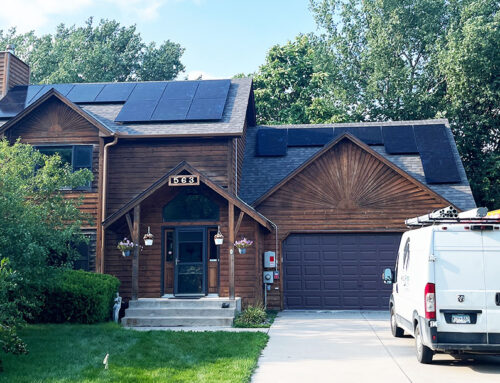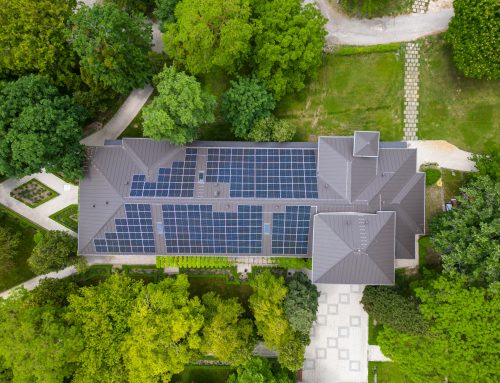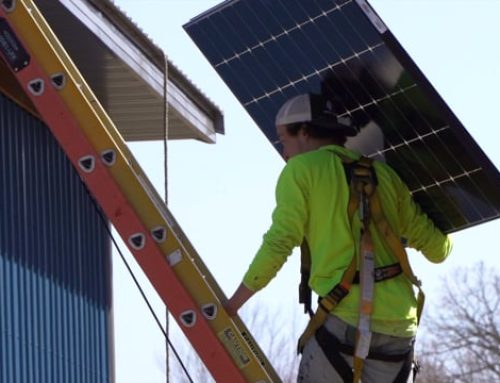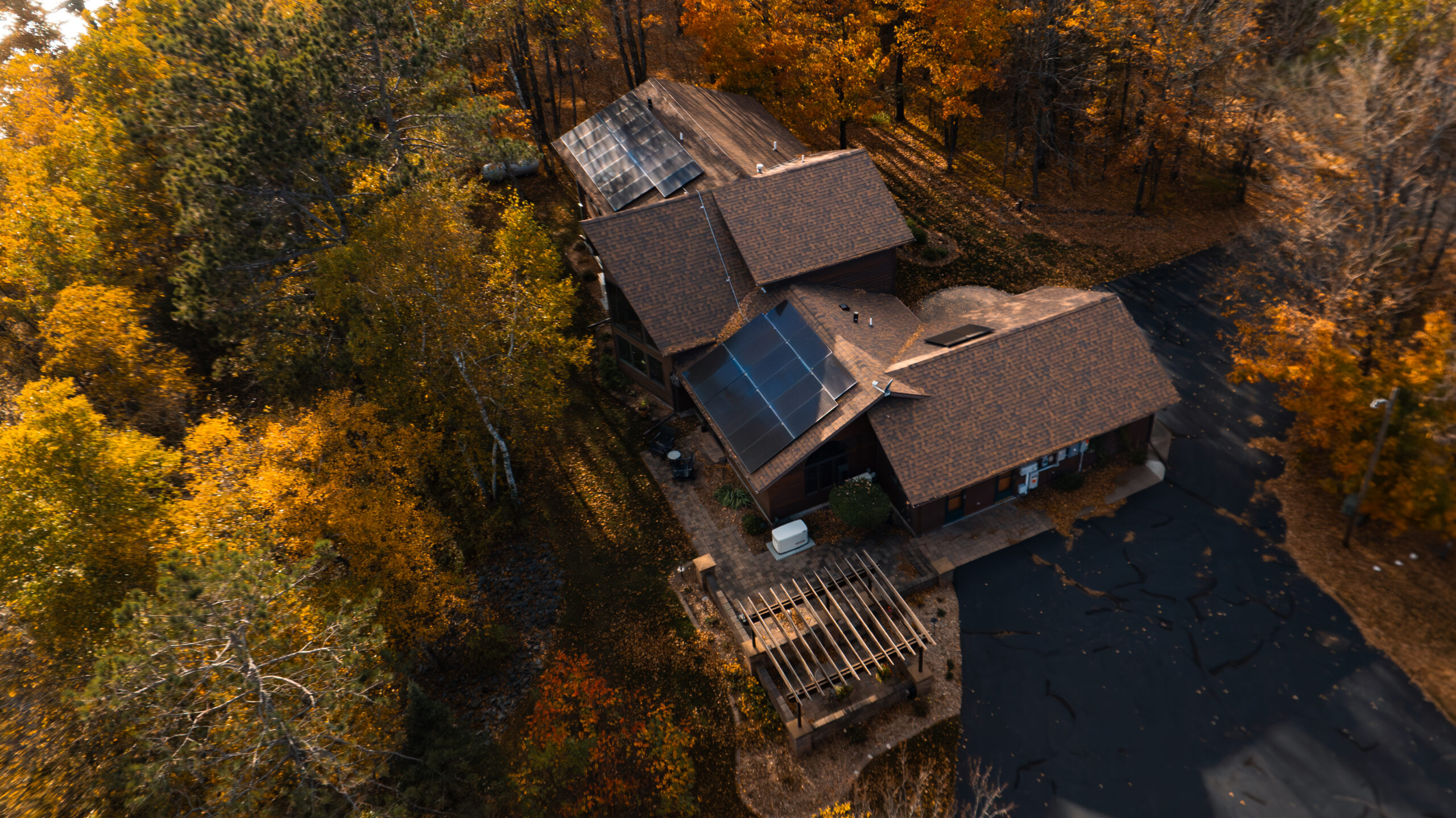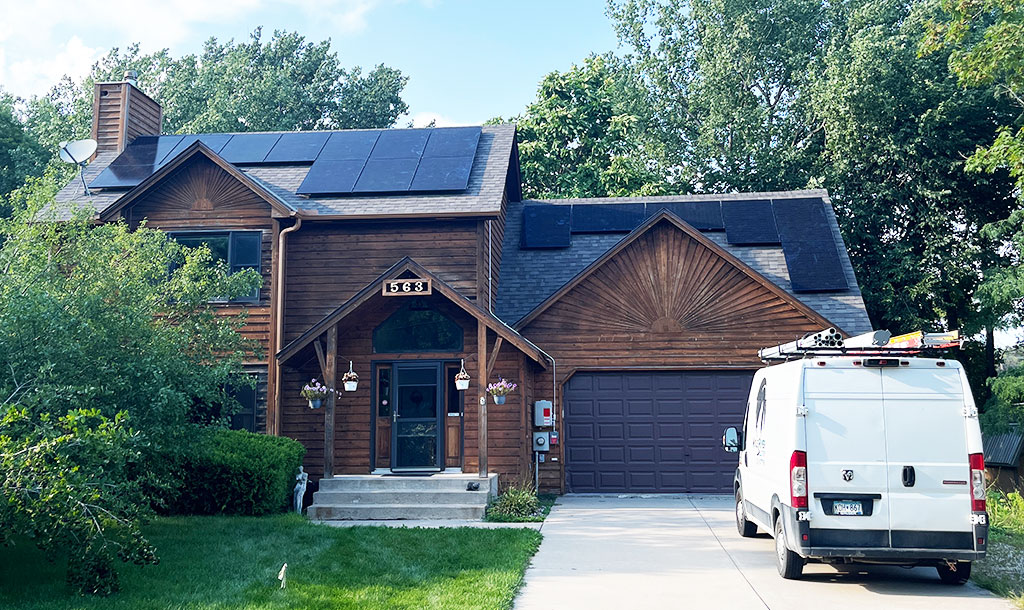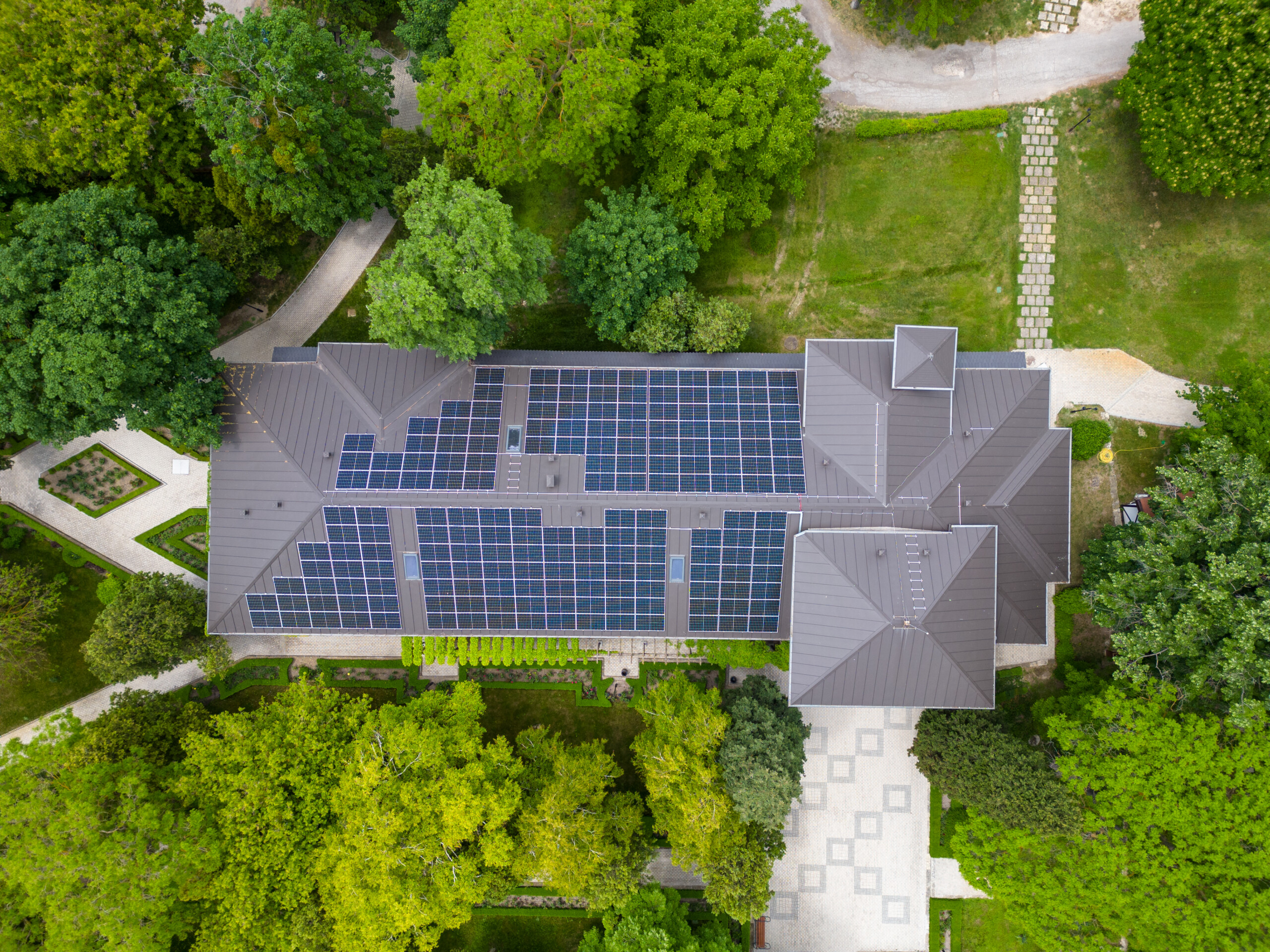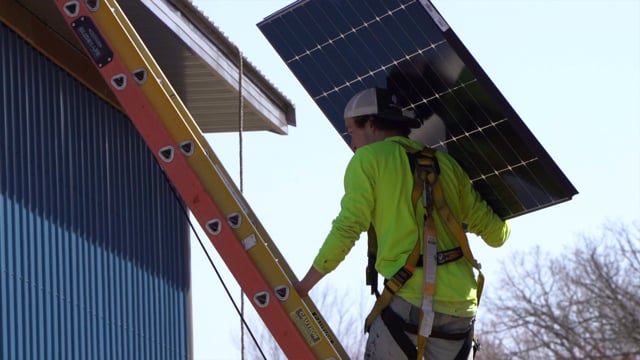
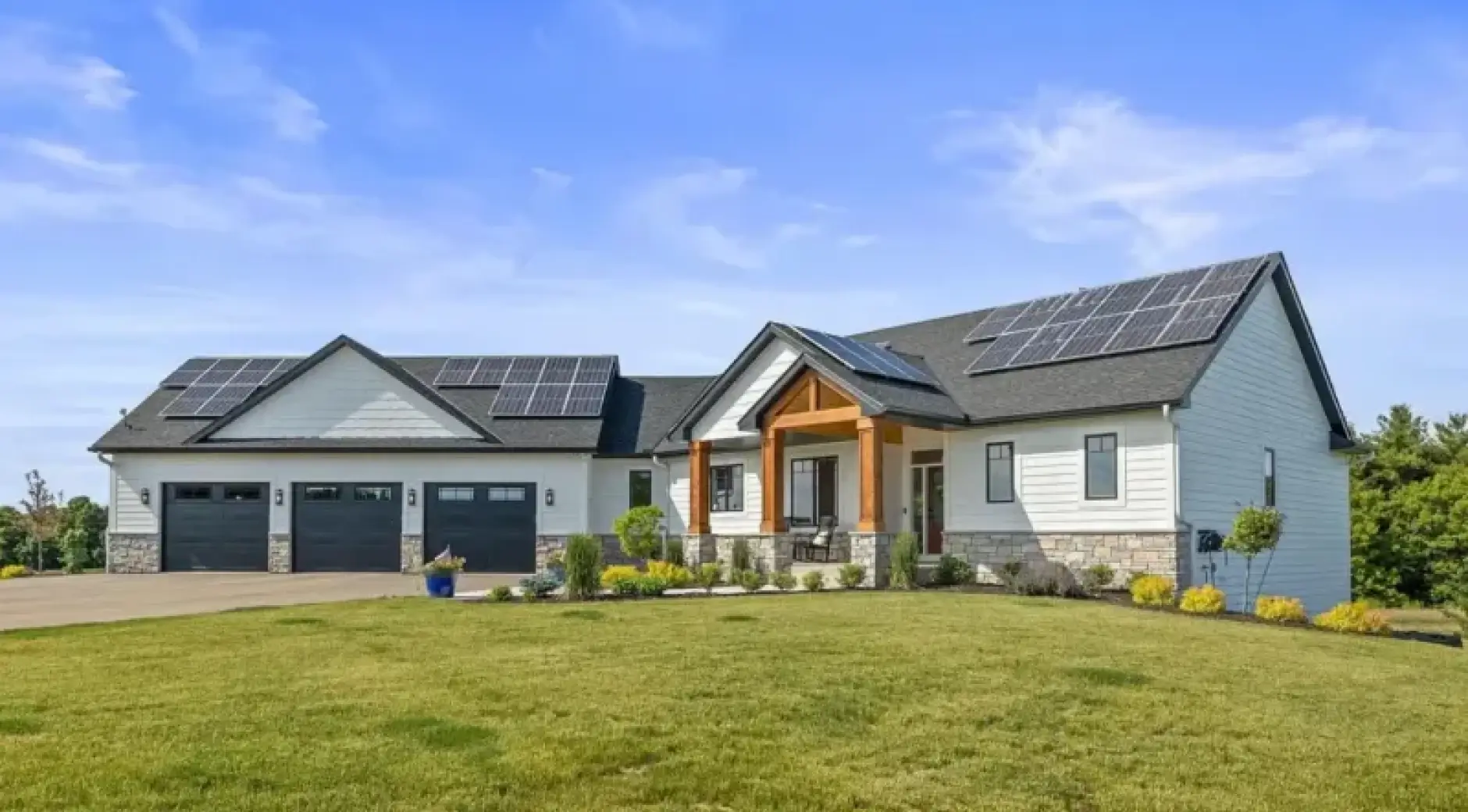
If your roof is aging and you have been considering solar, combining both projects is one of the smartest moves you can make as a property owner. A coordinated re-roofing and solar installation saves money, eliminates future disruption, and sets your system up for long-term performance on a fresh, warranted surface.
For homeowners and businesses in Minnesota and Wisconsin, federal incentives, state energy programs, and falling equipment costs make right now an ideal time to act.
Why Combining Both Projects Makes Financial Sense
The most common and costly mistake homeowners make is installing solar on a roof that only has a few years of life left. When that roof eventually needs replacement, contractors must remove the panels, replace the roof, and reinstall the entire array. That process adds thousands in labor and temporarily halts your energy production.
Scheduling both projects together eliminates that problem entirely. You pay for the tear-off once. Panels mount on a fresh surface. Your roof warranty and panel warranty align. And you have a single point of accountability throughout.
How Roof Condition Affects Solar Performance
The condition of the roof underneath your panels directly affects system reliability. Cracked or aging shingles create openings for moisture to work under mounting hardware, leading to leaks and deck rot. Compromised decking may also struggle to carry the added weight of a panel array. In Minnesota and Wisconsin, freeze-thaw cycles and heavy snow loads accelerate wear on materials already stressed by age. A new roof eliminates all of these risks before the solar system is ever installed.
What to Expect During a Combined Installation
Assessment — A site evaluation covers roof condition, structural integrity, pitch, orientation, and shading to confirm both roofing and solar viability.
Permitting — Both projects require permits. Your contractor handles applications, though timelines vary by county and municipality.
Roof Replacement — Old materials are removed, the decking is inspected and repaired where needed, and new underlayment and shingles are installed.
Solar Mounting — Racking hardware is anchored into the fresh decking and rafters. Flashing is installed around all penetrations to protect the new roof seal.
Panel Installation and Wiring—Panels are mounted, wiring runs to the inverter and electrical panel, and battery storage is integrated if included.
Utility Interconnection — Both Minnesota and Wisconsin require utility approval before the system goes live. Net metering enrollment happens at this stage.
Activation — Once interconnection is approved, your system is live, and monitoring begins.
A typical combined residential project runs one to five days of on-site work. From contract to activation, plan for four to twelve weeks, depending on permit volume and utility queue times.
Minnesota Solar Roof Replacement: What to Know
Minnesota winters are long, but cold temperatures actually improve solar panel efficiency. Most properly pitched roofs shed snow naturally within a day or two of a storm.
Minnesota utilities are required to offer net metering, allowing you to earn credits for excess energy sent back to the grid. While Minnesota does not have a direct state solar tax credit, utility programs such as Xcel Energy’s Solar Rewards have historically provided additional per-kilowatt-hour payments.
Minnesota also exempts solar systems from state sales tax and from any added property tax value, meaning your home’s assessed value increases without raising your tax bill.
Learn more about Wolf River Electric’s Minnesota solar and electrical services.
Wisconsin Re-Roof with Solar Panels: What to Know
Wisconsin has a growing solar market backed by favorable net metering requirements across investor-owned, co-op, and municipal utilities. We Energies, Wisconsin Public Service, and Alliant Energy each serve different regions of the state with their own interconnection processes.
The Focus on Energy program offers rebates for residential solar installations through participating Wisconsin utilities. Wisconsin also offers a sales tax exemption on solar equipment and a property tax exemption on the added value a solar system creates.
For roof material selection, ice and water shield installation is critical throughout Wisconsin, given ice damming and freeze-thaw conditions. Coordinate with your roofing contractor early so that underlayment and flashing are installed with solar mounting locations in mind.
Learn more about Wolf River Electric’s Wisconsin solar and electrical services.
Choosing the Right Roofing Material for Solar
Architectural asphalt shingles (Class 3 or Class 4) are the most common choice. Class 4 impact-resistant shingles offer strong protection against hail and work seamlessly with standard solar mounting hardware.
Standing seam metal roofing is the premium option. Panels clamp directly to the raised seams with no penetrations through the metal surface. Metal roofs carry 40 to 70-year warranties, well beyond the life of a solar system, making them a natural pairing.
Flat or low-slope roofing (commercial) uses ballasted or penetrating racking systems. A commercial flat roof replacement combined with a solar array is one of the highest-ROI combinations available to business owners in either state.
Key Incentives Available in 2026
Focus on Energy (Wisconsin) — Rebates for residential solar through participating utilities. Amounts vary by year and funding availability.
USDA REAP Grants — Agricultural producers and rural small businesses in both states can receive grants and loan guarantees covering up to 50% of a solar project.
Sales Tax Exemption — Both Minnesota and Wisconsin exempt solar equipment from state sales tax.
Property Tax Exemption — Both states protect homeowners from increased property taxes on the added value a solar system creates.
Common Questions
Will my homeowner’s insurance cover solar panels?
Most policies cover panels as part of the dwelling. Notify your insurer after installation so coverage reflects the updated replacement value.
Should I add battery storage at the same time?
Yes, if you are considering storage. Adding a battery during the original installation is more cost-effective than retrofitting it later, since the supporting electrical work can be built into the original scope.
Work with Wolf River Electric
Wolf River Electric specializes in solar installation and electrical services for residential and commercial customers across Minnesota and Wisconsin. Their team understands local permitting, utility interconnection processes, and the climate demands that make upper Midwest solar projects unique.
Whether you are planning a roof replacement this season or exploring a full commercial re-roof and solar combination, Wolf River Electric coordinates both scopes with full documentation for your incentive applications.
Learn more about residential solar installation with Wolf River Electric and contact their team to schedule your site assessment.