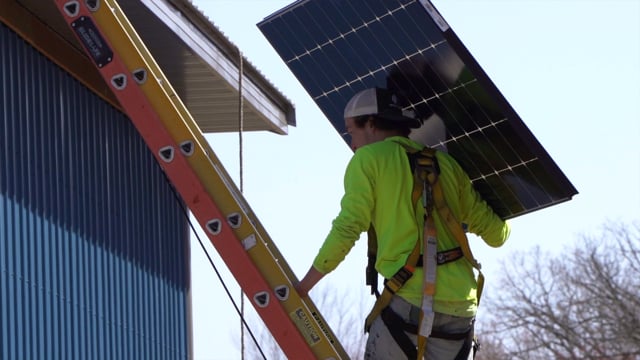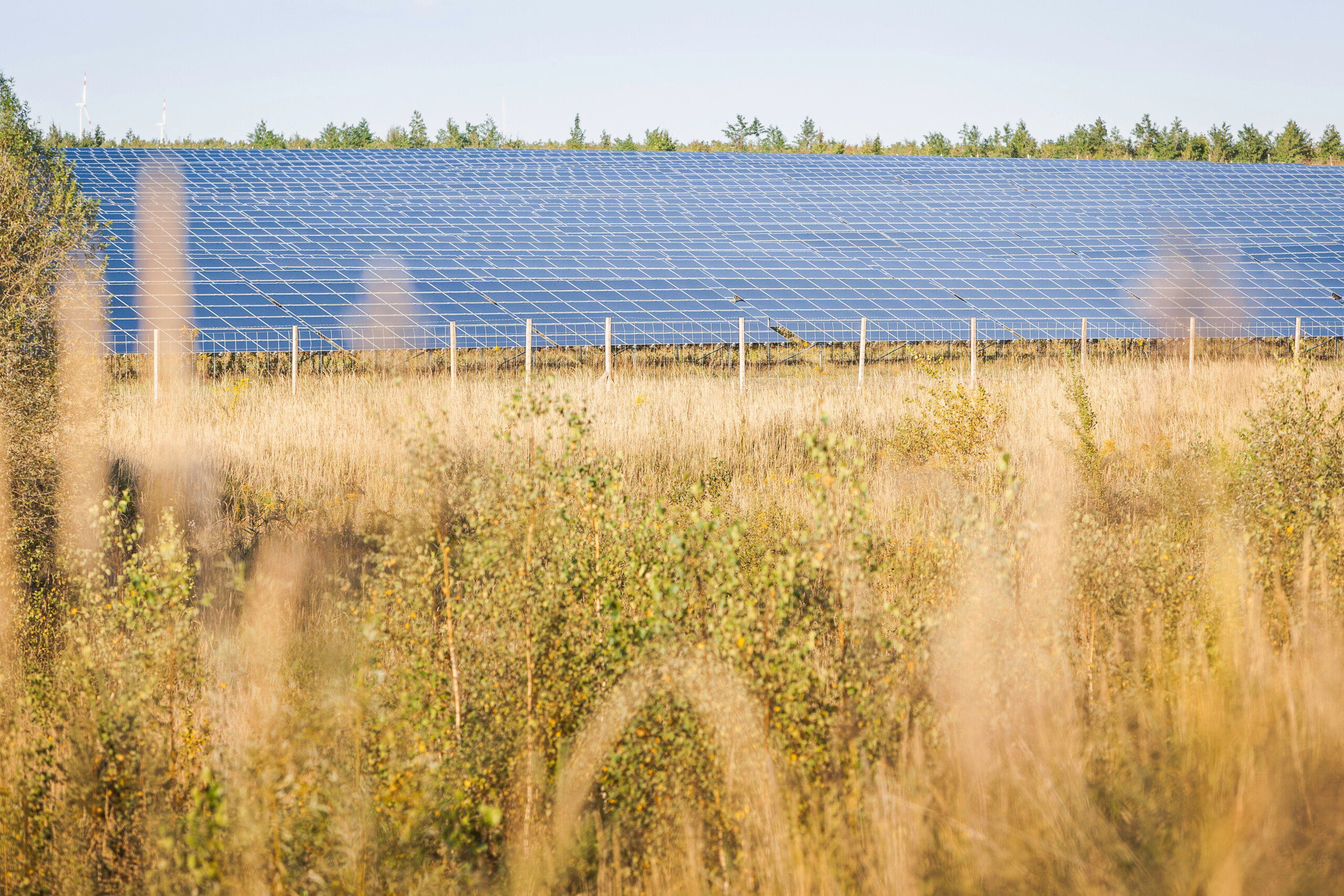
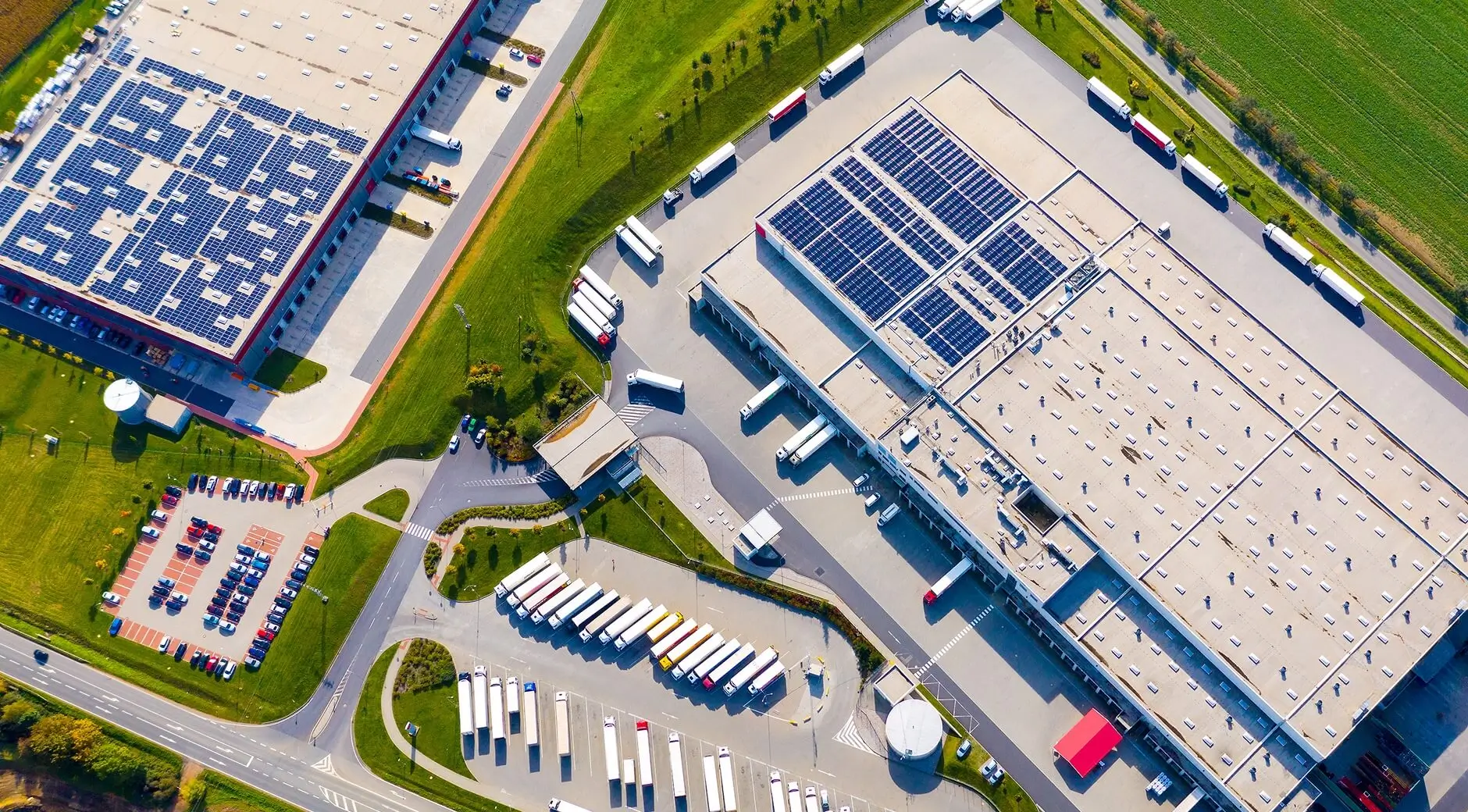
Running a small business means watching every dollar. Energy costs are one of the largest and most consistent operating expenses for retail shops, restaurants, light manufacturing facilities, and service businesses across the Midwest. The good news: commercial solar energy is no longer a resource reserved for large corporations with deep pockets. Small business solar solutions in Wisconsin and Minnesota have become increasingly accessible, thanks to a strong combination of federal incentives, state-level programs, and flexible financing. If you are looking for a way to cut overhead, strengthen your brand, and build long-term financial resilience, commercial solar for your Wisconsin or Minnesota small business may be the smartest investment you make this year.
Why Small Businesses in Wisconsin and Minnesota Are Making the Switch
Across the Midwest, small business owners are discovering that solar is not just an environmental choice—it is a business strategy. Commercial energy rates continue to climb, and businesses with predictable, reduced electricity costs gain a meaningful competitive advantage. Wisconsin and Minnesota both offer favorable regulatory environments for solar adoption, and both states have committed to clean energy expansion at the policy level.
Minnesota ranks among the top Midwest states for solar growth, driven by utility incentive programs and a strong net metering framework. Wisconsin is following closely, supported by the Focus on Energy program and progressive property and sales tax exemptions. For small businesses operating across Wisconsin or Minnesota, the incentive landscape has rarely been more favorable.
Beyond the numbers, commercial solar signals something to your customers: that your business is invested in the community and the future. For retail businesses in particular, sustainability has become a meaningful differentiator in consumer purchase decisions.
Key Benefits of Commercial Solar for Small Businesses in Wisconsin and Minnesota
The financial case for small business solar is built on a combination of federal programs, state-specific incentives, and long-term energy cost reduction. Here is a breakdown of the most impactful benefits available to small business owners in the region.
1. Federal Solar Investment Tax Credit (ITC)
The federal Investment Tax Credit remains the single largest financial driver behind commercial solar adoption. Small businesses that install a qualifying solar energy system can deduct 30% of the total installation cost directly from their federal income tax liability. For a commercial project totaling $80,000, that represents a $24,000 reduction in what you owe at tax time. The 30% rate is locked in for commercial projects through 2032 under the Inflation Reduction Act, giving business owners a clear and stable window to plan their investment. Solar water heating systems and battery storage installed alongside solar panels may also qualify.
2. Wisconsin Commercial Solar Incentives
Wisconsin’s Focus on Energy program provides commercial rebates of up to $25,000 for qualifying solar installations. These rebates are accessible through a network of Trade AllAllies—certifiedntractors who work directly with Focus on Energy to streamline the application process. Wisconsin also exempts solar energy equipment from the state’s 5% sales tax, reducing your upfront costs automatically at the point of purchase. Additionally, a 100% property tax exemption applies to the value that solar adds to your commercial property, meaning your building’s increased market value will not result in a higher property tax bill.
3. Minnesota Commercial Solar Incentives
Minnesota small businesses benefit from several strong programs. Xcel Energy’s Solar*Rewards program offers production incentives to commercial customers who generate solar power within the Xcel service territory, providing ongoing per-kilowatt-hour payments over a 10-year term. Minnesota also exempts solar energy systems from the state sales tax, and commercial solar installations qualify for a property tax exemption on the added value. For rural small businesses, the USDA Rural Energy for America Program (REAP) offers grants covering up to 25% of eligible project costs, with loan guarantees available for the remainder—a powerful combination for businesses outside metro areas.
4. Bonus Depreciation and Section 179 Deductions
Beyond the ITC, commercial solar installations may qualify for accelerated depreciation under the Modified Accelerated Cost Recovery System (MACRS), allowing businesses to depreciate solar assets over five years rather than the standard 39-year commercial property schedule. In combination with Section 179 expensing rules, this can generate significant additional tax savings in the first year of ownership, effectively reducing your net cost even further before energy savings begin.
5. Financing Built for Small Businesses
Upfront cost should not be a barrier to going solar. Several financing pathways are well-suited to small business budgets in Wisconsin and Minnesota:
Greenpenny offers low-interest commercial financing for renewable energy projects specifically designed for businesses in the upper Midwest, including Wisconsin, Minnesota, Iowa, and Illinois.
SBA 7(a) and SBA 504 loan programs can be structured to fund commercial solar installations as a capital improvement, spreading costs over terms of up to 25 years with competitive rates.
Power Purchase Agreements (PPAs) allow a third-party developer to install and own a solar system on your commercial property while you purchase the electricity generated at a fixed, below-market rate—no capital outlay required.
Net Metering and Energy Independence for Small Business Owners
Both Wisconsin and Minnesota support net metering for commercial customers. When your solar system produces more electricity than your business consumes during peak sunlight hours, the excess is fed back into the utility grid. Your meter runs backward, and those credits offset the electricity you draw from the grid during evenings or overcast periods. Over the course of a billing cycle, this can dramatically reduce or even eliminate your monthly utility payment.
For retail businesses in Wisconsin—where weekend foot traffic and seasonal lighting demands create variable consumption patterns—net metering provides a particularly valuable cushion. A well-sized solar installation can produce surplus power during low-demand weekday mornings, then offset the higher draw during busy evenings or peak shopping seasons.
Community solar is an additional option available in Minnesota for businesses that cannot install panels directly on their property. Subscribing to a community solar garden allows you to benefit from solar generation without a rooftop installation, with credits applied directly to your utility account.
What Should a Small Business Expect to Save?
A typical small commercial solar installation in Wisconsin or Minnesota ranges from 20 kW to 100 kW, depending on the size of the facility and energy usage. A 30 kW system installed at approximately $75,000 before incentives could cost as little as $48,000 after the federal ITC and applicable state rebates. At average commercial electricity rates in the region, that system could generate $6,000 to $10,000 in annual energy savings. Payback periods for commercial solar in Wisconsin and Minnesota typically fall between 5 and 9 years, with system lifespans of 25 to 30 years—meaning two or more decades of near-zero energy costs after payback is complete.
Online solar calculators can help you estimate your system size based on your utility bills, square footage, and roof orientation. A professional site assessment from a qualified installer will produce the most accurate projection for your specific location and usage profile.
How to Get Started with Commercial Solar for Your Business
Getting a commercial solar project underway involves a few clear steps:
- Assess Your Energy Use: Pull 12 months of utility bills to understand your average monthly consumption in kilowatt-hours. This forms the basis of your system sizing.
- Request a Site Assessment: Work with a certified commercial solar installer to evaluate your roof or ground-mount options, shading conditions, structural considerations, and grid interconnection requirements.
- Identify and Reserve Incentives: Some programs, including Wisconsin’s Focus on Energy rebates, require pre-approval or reservation before installation begins. Confirm eligibility and secure your rebate commitment early.
- Select Your Financing Structure: Determine whether outright purchase, a loan, or a PPA best fits your cash flow and tax situation. A financial advisor familiar with commercial solar can help you model the options.
- Installation and Interconnection: Your installer will handle permitting, installation, and utility interconnection. Most commercial systems are operational within a few months of contract signing.
The Window Is Open—But It Will Not Stay That Way Forever
Federal incentive rates are scheduled to step down after 2032, and utility rebate programs like Focus on Energy and Xcel’s Solar*Rewards operate with finite funding pools that are periodically depleted. The businesses that act during the current incentive cycle will capture the most favorable economics and begin building equity in their energy infrastructure years ahead of competitors who wait.
Whether your business is a small retail shop, a restaurant, a light manufacturing operation, or a service provider with significant square footage, commercial solar in the Midwest is a proven path to lower operating costs and stronger long-term margins. Wolf River Electric serves businesses across both states and is ready to walk you through what a commercial solar installation would look like for your specific operation.
Explore solar opportunities in Wisconsin and Minnesota, or learn about residential solar options if you are also considering installation at your home.
Your business has already survived the hard part of building something from the ground up. Let solar energy help protect what you have built.