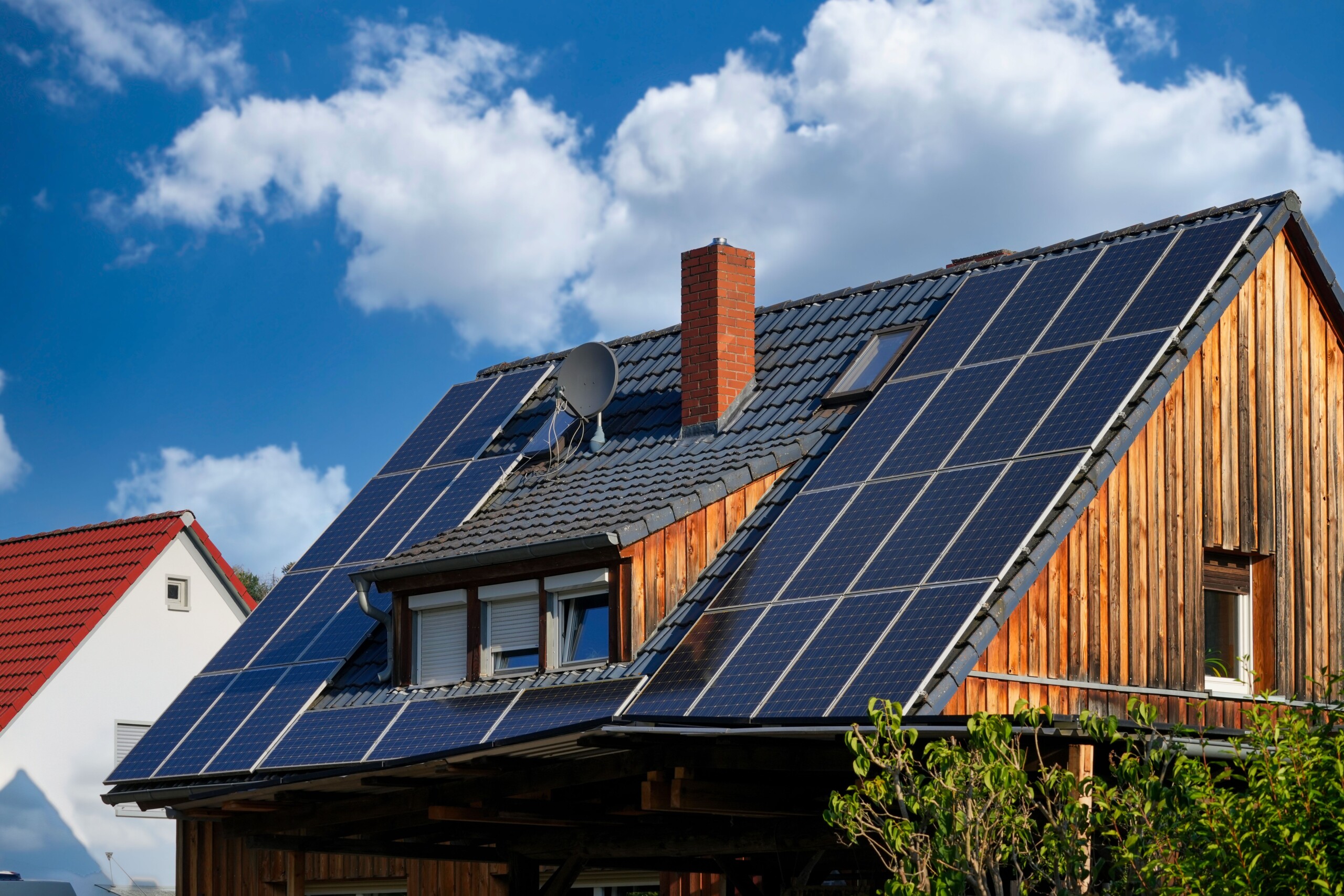
The Midwest is experiencing a wave of new residential development, and with energy costs fluctuating, more homeowners are prioritizing energy independence from day one. If you are building your dream home—or considering adding solar to the one you already live in—the process, costs, and design strategies look very different.
While solar is a fantastic investment either way, integrating solar for new construction homes offers unique advantages that a traditional retrofit cannot match. Here is what Midwest homeowners and builders need to know about the differences in design, cost, and electrical planning.
1. Design Flexibility: The Blank Slate vs. The Fixed Asset
New Construction: When you plan for solar during the architectural phase, you have a blank slate. You can design the home with a south-facing roof plane at the optimal pitch for capturing Midwest sunlight. Furthermore, integrating solar early allows builders to run all the necessary electrical conduit inside the walls before the drywall goes up, resulting in a perfectly clean, seamless exterior aesthetic.
Retrofit (Existing Homes): With a retrofit, solar designers must work with your existing roof layout. While modern solar technology is efficient enough to generate substantial power on east- or west-facing roofs, you don’t have the luxury of altering the home’s orientation. Additionally, because the walls are already finished, retrofits often require some visible exterior conduit to connect the panels to the electrical meter, though professional installers will always route this as discreetly as possible.
2. Cost Differences and Financing
New Construction: Adding solar for new construction homes is often more cost-effective overall. Why? Because the labor and equipment are already on-site. Roofers and solar installers can coordinate seamlessly, and there is no need to set up and tear down scaffolding twice. Financially, the biggest advantage is that the cost of the solar system can be rolled directly into your primary mortgage. This means you are paying for your energy system over 15 to 30 years at a historically lower interest rate, resulting in immediate monthly cash-flow savings.
Retrofit (Existing Homes): Retrofitting requires a standalone installation project. While the equipment costs are similar, you are paying for a dedicated crew dispatch. Financing a retrofit usually involves a separate solar loan, home equity line of credit (HELOC), or a cash purchase. While the return on investment (ROI) is still incredibly strong—often paying for itself in 7 to 10 years—the initial financing structure is separate from your mortgage.
3. Code Advantages and Electrical Readiness
New Construction: Building a home today means you can build it for tomorrow. New builds can be equipped with “solar-ready” electrical systems right out of the gate. This means installing a heavy-duty smart electrical panel (capable of handling solar, battery backup, and multiple EV chargers) without having to rip out old infrastructure. Meeting modern electrical and fire codes is seamless when it is part of the original blueprint.
Retrofit (Existing Homes): Older homes in the Midwest often have 100-amp or aging 200-amp electrical panels. Adding a robust solar and battery system to a home built in the 1980s or 90s frequently triggers a necessary (and sometimes costly) main service panel upgrade to meet current electrical codes and handle the new energy loads.
4. The Builder vs. Homeowner Dynamic
For a retrofit, the homeowner simply hires a solar company, and the company handles the permitting, design, and installation.
For new construction, the solar company must collaborate closely with the general contractor, roofers, and local utility companies on a strict construction timeline. This requires a solar partner experienced in commercial-level project management who speaks the builder’s language.
The Bottom Line
Whether you are laying a new foundation or upgrading your forever home, solar is the smartest way to lock in your energy costs. If you are building new, the key is to involve a solar expert during the blueprint phase, not after the roof is already framed.
Building a home in Minnesota, Wisconsin, Iowa, or the Dakotas? Wolf River Electric specializes in partnering with both homeowners and general contractors to seamlessly integrate solar, battery storage, and EV charging into your build. Contact us today to review your blueprints and get a free quote!