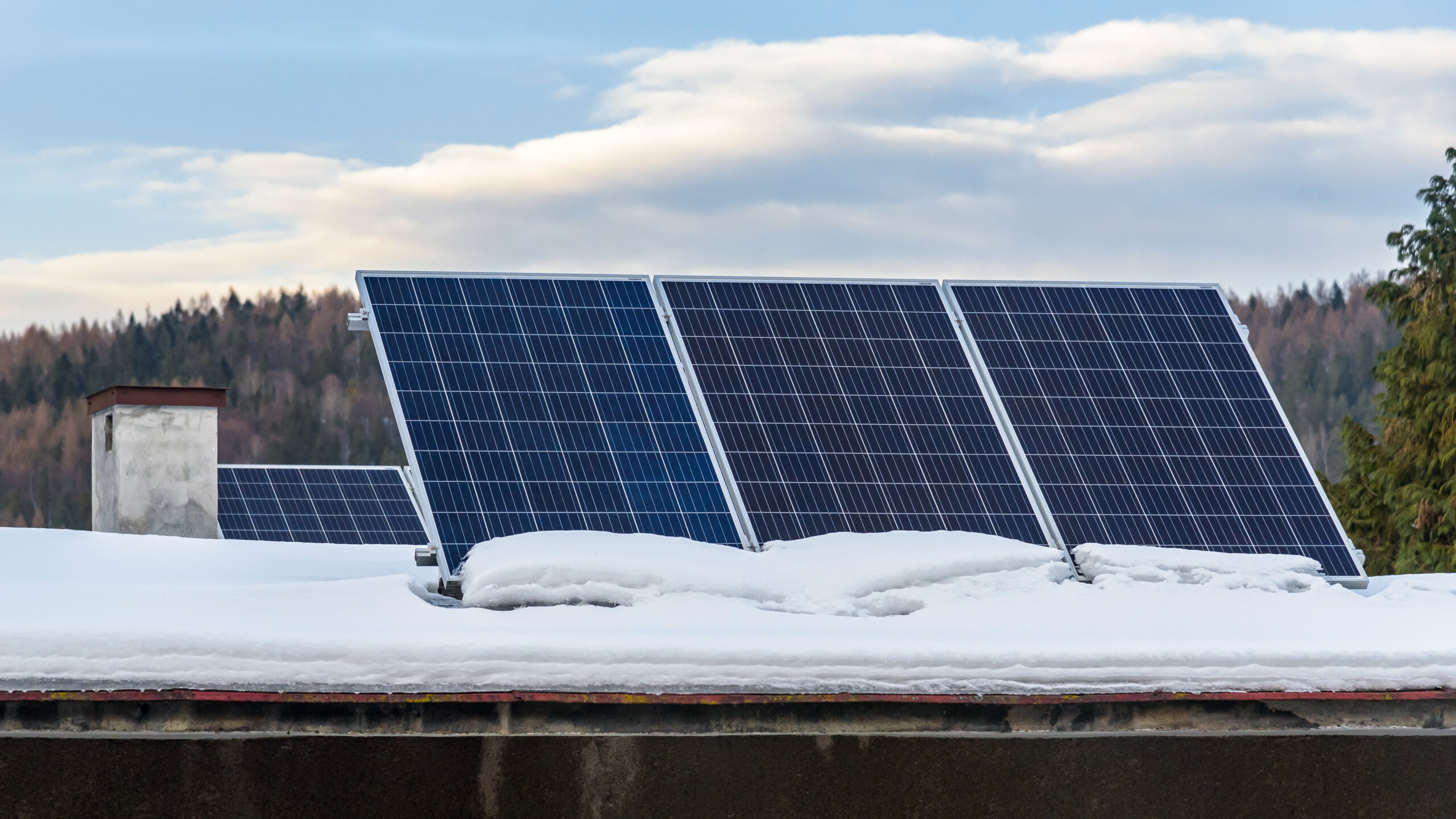
Solar Panels in Winter: What Homeowners Need to Know
One of the most common questions homeowners ask before going solar is whether solar panels work in winter. It’s a fair concern—especially in the Midwest, where cold temperatures, snow, and shorter days are part of everyday life.
The short answer? Yes, solar panels absolutely work in winter.
The long answer is even better—and may surprise you.
9 Proven Facts About Solar Panels in Winter
1. Cold Weather Improves Solar Efficiency
Solar panels don’t rely on heat—they rely on sunlight. In fact, solar panels often operate more efficiently in colder temperatures than in extreme heat.
2. Snow Rarely Sticks for Long
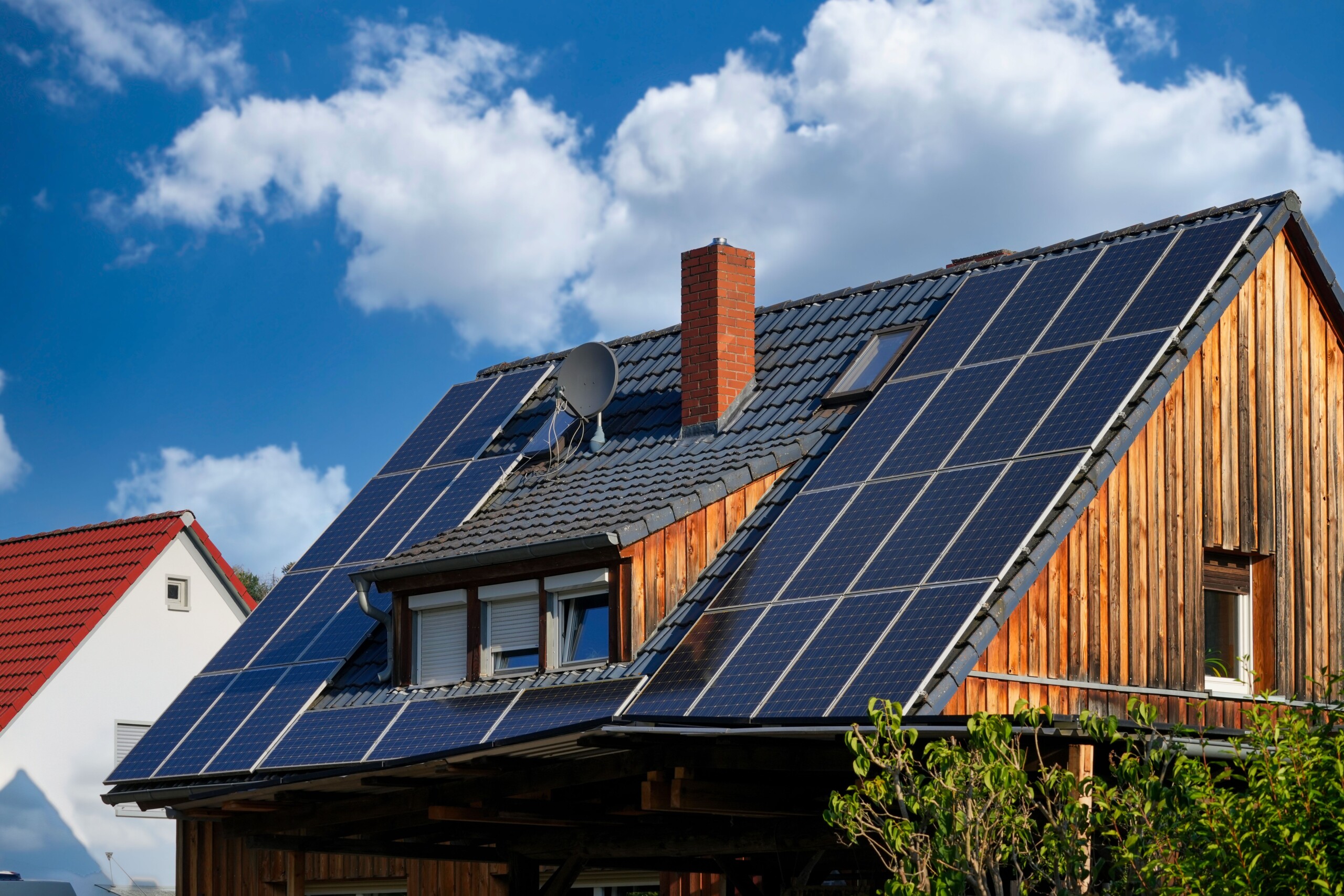
Modern solar panels are smooth and installed at an angle. Snow typically slides off quickly, especially once sunlight hits the panels and warms the surface.
3. Shorter Days ≠ No Production
While winter days are shorter, solar panels still generate power whenever sunlight is present—even on cloudy days.
4. Panels Are Tested for Harsh Conditions
Solar equipment is designed to withstand heavy snow loads, freezing temperatures, and wind. Midwest winters are well within design tolerances.
5. Net Metering Helps Balance Seasonal Output
Extra solar production in summer can help offset lower winter production through net metering, keeping annual savings strong.
6. Panels Can Produce Through Light Snow
Light snow cover doesn’t always stop production entirely. Panels can still generate power through partial coverage.
7. Winter Sun Can Be Stronger Than You Think
Clear winter skies can provide excellent solar conditions, especially when snow reflects sunlight back onto panels.
8. Monitoring Shows Real Performance
Homeowners can track production year-round using monitoring systems, offering full transparency—even in winter.
9. Annual Production Matters Most
Solar systems are designed around annual energy output, not month-to-month perfection. Winter is just one piece of the yearly equation.
How Solar Panels in Winter Work in the Midwest
Midwest solar design accounts for:
-
Roof pitch and orientation
-
Seasonal sun angles
-
Historical snowfall data
-
Utility net metering rules
Wolf River Electric designs systems that perform reliably year-round—not just in ideal conditions. We expect, plan for, and balance winter dips through proper system sizing.
According to the U.S. Department of Energy, cold climates are not a barrier to effective solar generation, and many northern states continue to see strong solar adoption and performance.
Sustainability Doesn’t Take the Winter Off
Solar energy continues to reduce carbon emissions even in winter months. Every kilowatt-hour produced—no matter the season—helps:
-
Reduce fossil fuel reliance
-
Lower air pollution
-
Support a cleaner energy grid
Winter solar production still contributes to long-term environmental impact, making solar a year-round sustainability solution.
Is Solar Still Worth It If Winters Are Long?
For Midwest homeowners, the answer is yes—as long as the system is designed correctly.
Solar success isn’t about perfect winter production. It’s about:
-
Smart design
-
Accurate expectations
-
Long-term savings
-
Reliable performance
When those elements are in place, winter becomes just another season—not a dealbreaker.
The Bottom Line on Solar Panels in Winter
Solar panels are built to handle winter conditions, and cold weather does not stop solar production. With proper design, net metering, and realistic planning, winter solar performance fits seamlessly into a successful year-round energy strategy.
👉 Learn how Wolf River Electric designs solar systems for Midwest homes at wolfriverelectric.com.