
Maximizing solar panel winter performance is essential for homeowners in Minnesota, Wisconsin, and the greater Upper Midwest. Even though winter brings shorter days and snow-covered rooftops, solar panels still perform well in cold temperatures—and with the right strategies, you can maintain strong production all season long.
This guide breaks down seven proven ways to boost solar panel winter performance and keep your system running efficiently through the harshest Midwest months.
1. Why Cold Weather Can Improve Solar Efficiency
Most homeowners are surprised to learn that solar panel winter performance can actually benefit from cold temperatures. While winter brings shorter days, solar panels operate more efficiently when the air is cold and crisp. Heat reduces a panel’s voltage output, but cold weather has the opposite effect—helping panels convert sunlight more effectively.
Another winter advantage: snow. Once panels warm and begin to shed snow, the surrounding snow can reflect additional sunlight back onto the panels, increasing light exposure and improving production under the right conditions.
The National Renewable Energy Laboratory (NREL) confirms that lower temperatures improve PV efficiency and that reflective winter conditions can enhance overall system performance.
2. Tip #1: Keep Panels at an Optimal Winter Tilt
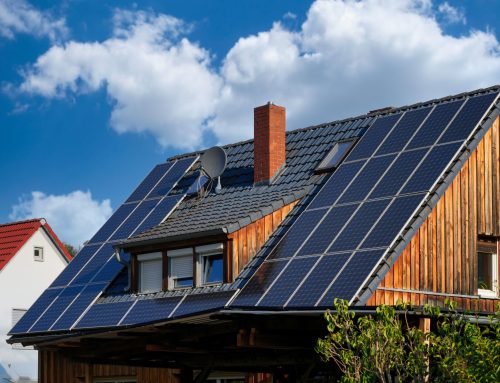
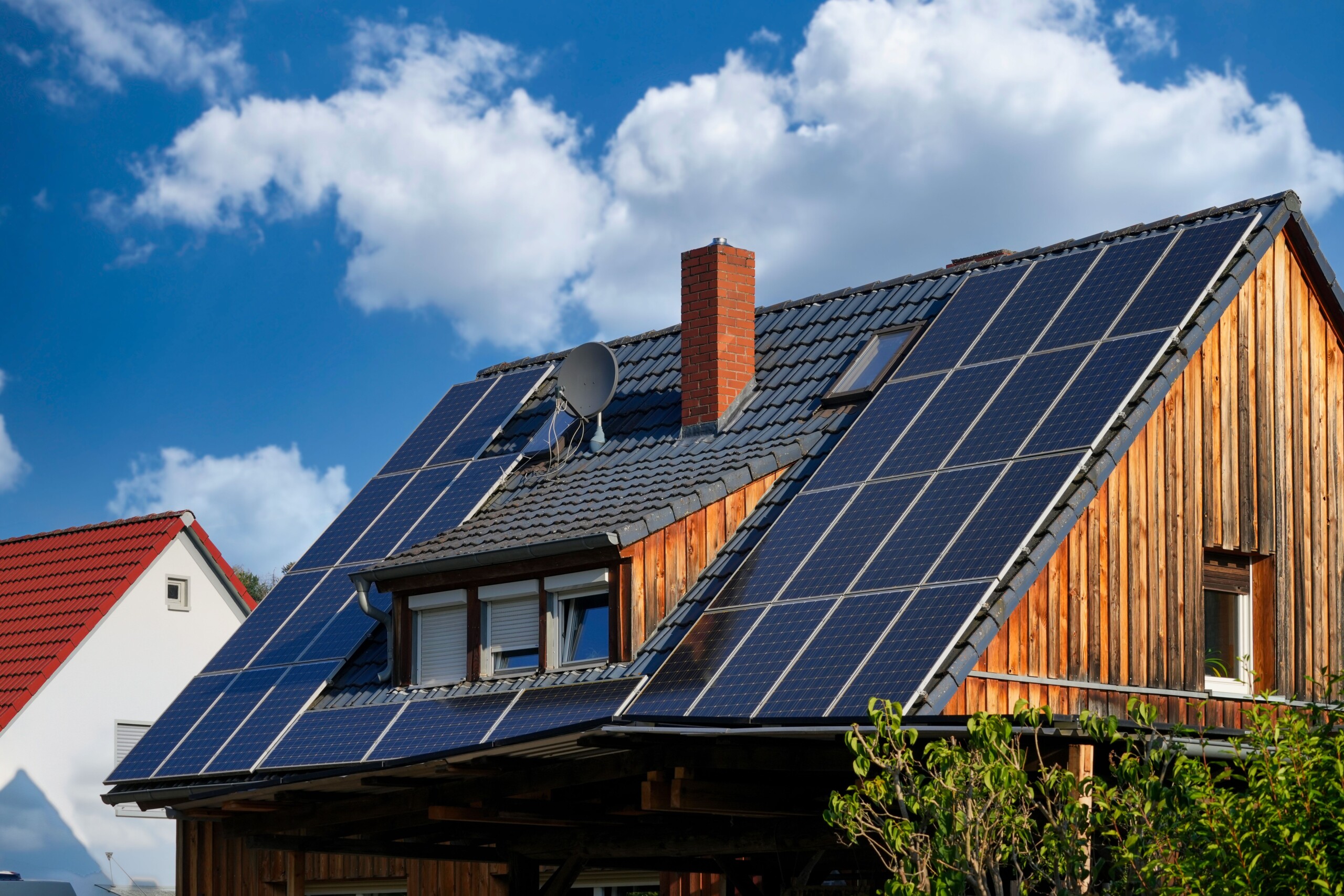
Tilt angle plays a major role in your system’s winter output. In the Midwest, the sun sits lower on the horizon during winter, so steeper angles help your panels capture more of that lower-angle sunlight.
Benefits include:
-
Faster snow shedding
-
Better exposure during short daylight windows
-
Reduced shading from nearby structures
Wolf River Electric can adjust your array’s tilt during installation to improve annual performance.
3. Tip #2: Prioritize Safe Snow Removal
Snow can temporarily reduce solar panel winter performance, but only until it melts—often faster than most people expect due to panel heat and tilt.
Safe snow-clearing guidelines:
-
Use a soft roof rake
-
Avoid shovels or scrapers
-
Never apply salt or de-icing chemicals
-
Do not climb onto the roof
The U.S. Department of Energy recommends gentle maintenance techniques to preserve solar panel lifespan.
4. Tip #3: Choose the Right Inverter for Winter Performance
Your inverter significantly impacts solar panel winter performance, especially in snowy or shaded conditions.
Micro-inverters perform better in winter because:
-
Each panel operates independently
-
Snow on one panel doesn’t impact the whole system
-
Panels begin producing as soon as any section clears
Snow has a greater impact on string inverters.
-
One snow-covered panel weakens the entire string
-
Slow to recover during partial melting
-
More sensitive to shading at low winter sun angles
This is why many Upper Midwest homeowners choose micro-inverters for consistent winter performance.
5. Tip #4: Trim Trees to Reduce Low-Angle Shade
Winter sun angles are much lower, causing longer shadows. Even small branches can cast oversized shadows in December and January.
By trimming trees in fall, you:
-
Increase winter sunlight exposure
-
Reduce midday shading on panels
-
Improve total annual production
-
Prevent snow from accumulating under overhanging branches
This is one of the simplest and most cost-effective improvements you can make.
6. Tip #5: Use Battery Storage to Capture More Winter Energy
Battery storage improves solar panel winter performance by:
-
Storing excess midday solar energy
-
Reducing reliance on peak-rate evening grid power
-
Providing backup power during winter storms
-
Smoothing out variable winter production levels
A battery ensures no surplus winter energy goes to waste.
7. Tip #6: Monitor Your System Daily
Monitoring apps let you track:
-
Panel output
-
Snow coverage
-
Inverter performance
-
Shading patterns
-
Fault reports
This data helps catch issues early and keeps your system running at peak performance.
Most homeowners check their apps for 10–15 seconds per day—a small habit with big long-term benefits.
8. Tip #7: Schedule a Winter Solar Tune-Up
Wolf River Electric offers winter tune-ups to validate:
-
Inverter health
-
Panel wiring
-
Structural loading
-
Mounting hardware
-
Shading changes
-
Snow behavior patterns
This preventive check ensures your system stays healthy and productive through the toughest months of the year.
Conclusion
With the right strategies, solar panel winter performance can remain strong even in harsh Minnesota winters. By managing snow, optimizing tilt, choosing the right inverter, and integrating batteries, your solar system can deliver reliable, year-round energy savings.
👉 Want help optimizing your winter solar performance? Contact Wolf River Electric today.