One of the most common concerns homeowners have is whether solar panels actually work during harsh winters. Understanding Midwest solar performance is essential for anyone considering solar in regions like Minnesota, Wisconsin, Iowa, or the Dakotas.
The short answer? Solar panels are built for winter—and often perform better in cold weather than people expect.
Below, we break down how solar panels handle snow, freezing temperatures, and shorter winter days, and why Midwest homeowners continue to see strong year-round production.
How Cold Weather Affects Midwest Solar Performance
Cold temperatures do not reduce solar panel efficiency. In fact, solar panels often operate more efficiently in cold weather than in extreme heat.
Solar cells generate electricity when exposed to sunlight—not warmth. Cooler temperatures reduce electrical resistance, allowing panels to convert sunlight into power more efficiently during winter months.
This makes Midwest solar performance surprisingly strong on clear, cold days.
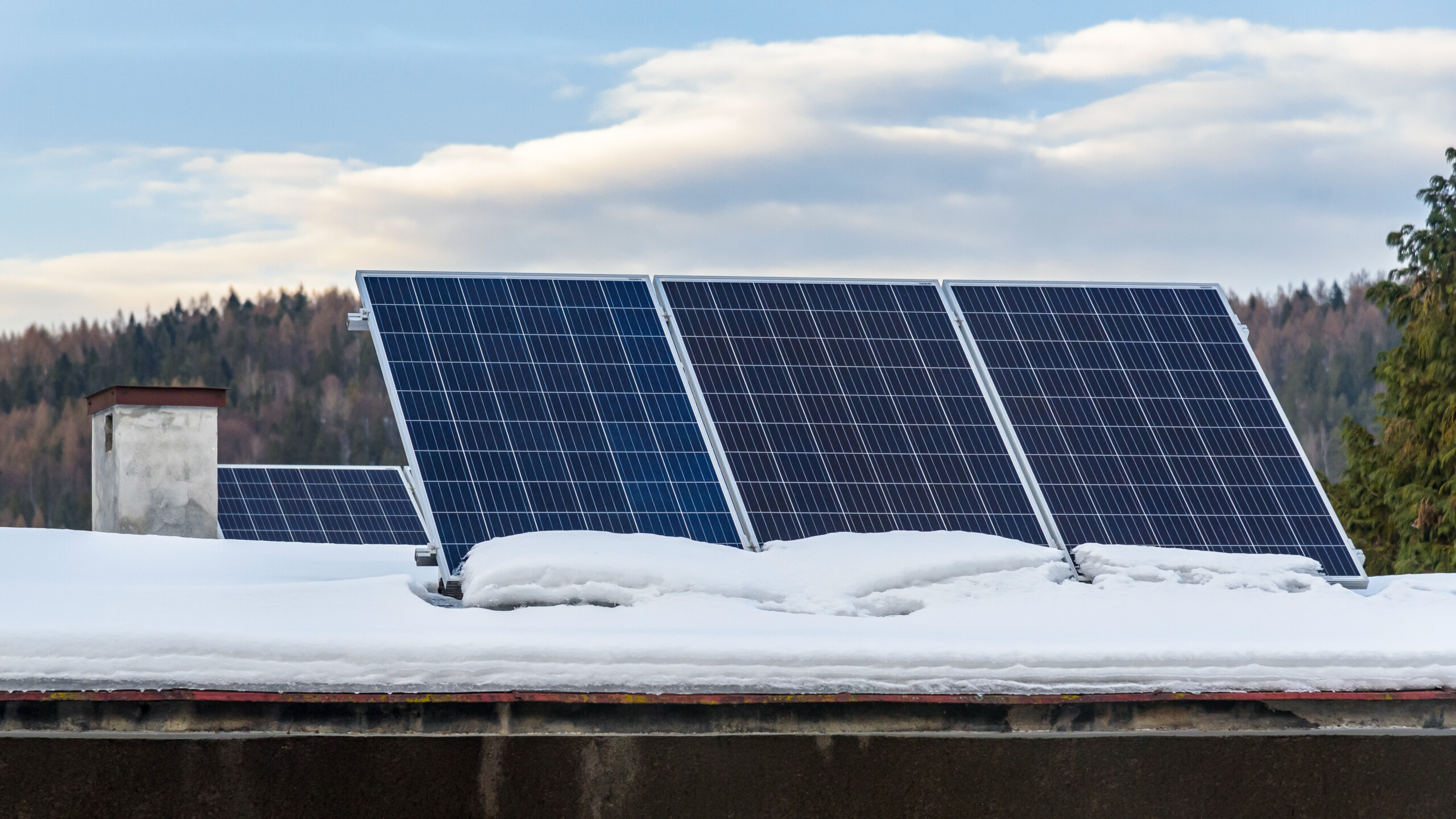
Do Solar Panels Work When Covered in Snow?
Yes—but with a few important details.
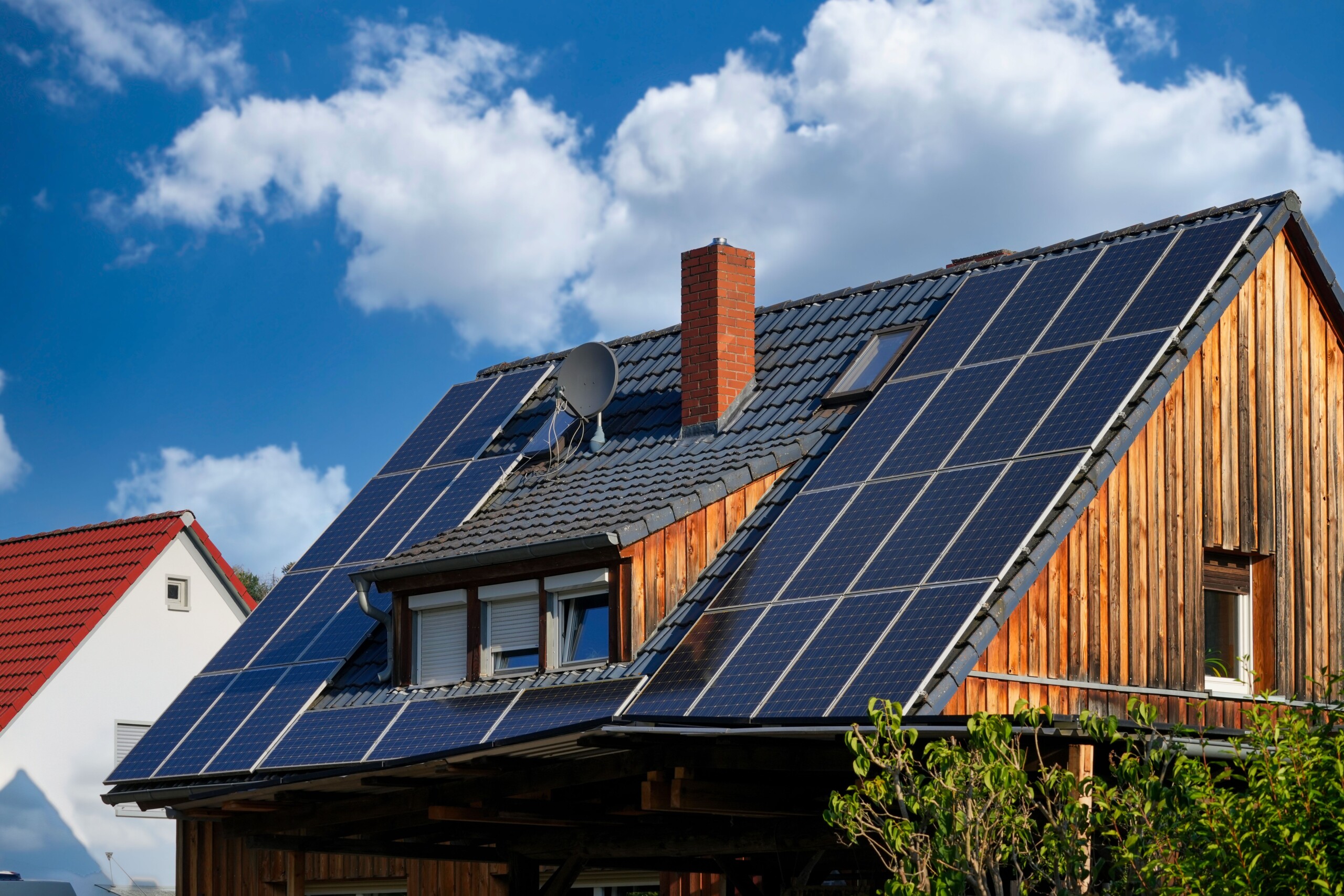
Snow can temporarily block sunlight if it fully covers the panels. However, modern solar systems are designed with smooth glass surfaces and angled installations that allow snow to slide off naturally.
In many cases:
-
Snow melts quickly due to sunlight absorption
-
Panels shed snow faster than shingles
-
Partial snow coverage still allows energy production
Additionally, net metering allows homeowners to bank excess energy produced in sunnier months, offsetting lower winter production.
Shorter Days vs. Solar Output in the Midwest
Winter days are shorter, which does reduce daily production. However, Midwest solar performance is evaluated annually, not month by month.
Long summer days, strong spring and fall sun, and cold-weather efficiency help balance winter dips. Proper system sizing ensures homeowners meet their yearly energy goals—even with seasonal variation.
Learn more about solar panel performance in the Midwest winter weather here.
Are Solar Panels Built for Midwest Winters?
Absolutely. Solar panels installed in the Midwest are engineered to withstand:
-
Heavy snow loads
-
High winds
-
Ice accumulation
-
Sub-zero temperatures
Most panels are tested for snow loads exceeding 50 pounds per square foot, making them suitable for Midwest roofs and weather conditions.
Winter Maintenance for Midwest Solar Systems
Solar systems require minimal winter maintenance. In most cases:
-
No manual snow removal is needed
-
Panels continue operating safely under snow
-
Monitoring systems alert homeowners to performance issues
Professional installers design systems to function safely and reliably without homeowner intervention—even during severe weather.
Why Midwest Solar Performance Still Delivers Long-Term Savings
While winter production is lower, solar systems are designed to deliver consistent annual savings. Rising utility rates across the Midwest make solar a strong hedge against unpredictable energy costs.
With proper design and installation, Midwest solar performance delivers:
-
Lower long-term electricity costs
-
Increased property value
-
Energy independence year-round
Final Thoughts: Is Solar Worth It in the Midwest?
Understanding Midwest solar performance helps clear up one of the biggest misconceptions about solar energy. Snow, cold, and winter weather do not prevent solar panels from working—they’re part of what these systems are designed to handle.
Modern solar technology is engineered for durability, efficiency, and year-round reliability, even in harsh climates. With the right system design and a local installer who understands Midwest conditions, solar remains a smart, dependable investment for homeowners and businesses alike—delivering long-term savings and energy stability.
👉 Curious how solar performs on your home?
Contact Wolf River Electric for a free consultation, or explore our Solar FAQs to learn more.