Choosing between micro inverter vs string inverter technology is one of the most important decisions a Midwest homeowner will make when going solar. Your inverter affects energy production, safety, winter performance, monitoring, and long-term reliability. This guide breaks down the essential differences so you can make the best choice for your home.
Whether you live in Minnesota, Wisconsin, Iowa, or the Upper Midwest, understanding the micro inverter vs string inverter debate ensures you choose a system built for long-term performance — especially in snowy climates.
1. What Does “Micro Inverter vs String Inverter” Really Mean?
The phrase micro inverter vs string inverter refers to how your solar panels convert DC electricity into AC electricity.
-
String inverters convert power for groups of panels.
-
Micro-inverters are attached to each individual panel.
How your system handles sunlight, shade, snow, and temperature swings depends heavily on which option you choose.
2. Seven Essential Differences in the Micro Inverter vs String Inverter Comparison
1. Panel-Level Optimization
In a micro inverter vs string inverter comparison, micro-inverters offer individual optimization.
If one panel is shaded or covered in snow, the others continue performing normally.
String inverters use “series” wiring — one weak panel reduces the entire system’s output.
2. Shade Resistance
Micro-inverters excel in:
-
Partially shaded homes
-
Chimney shadows
-
Tree shading
-
Winter shading during low sun angles
String inverters underperform in these conditions because shading impacts an entire string of panels.
3. Safety & Rapid Shutdown Compliance
Micro-inverters meet rapid shutdown requirements at the panel level, increasing safety during emergencies.
String inverters require additional hardware to do the same.
4. Monitoring Features
With micro-inverters, you get:
-
Panel-level monitoring
-
Real-time performance visibility
-
Faster troubleshooting
String inverters show only system-wide output.
5. Snow Performance in the Midwest
The micro inverter vs string inverter debate becomes clear in winter:
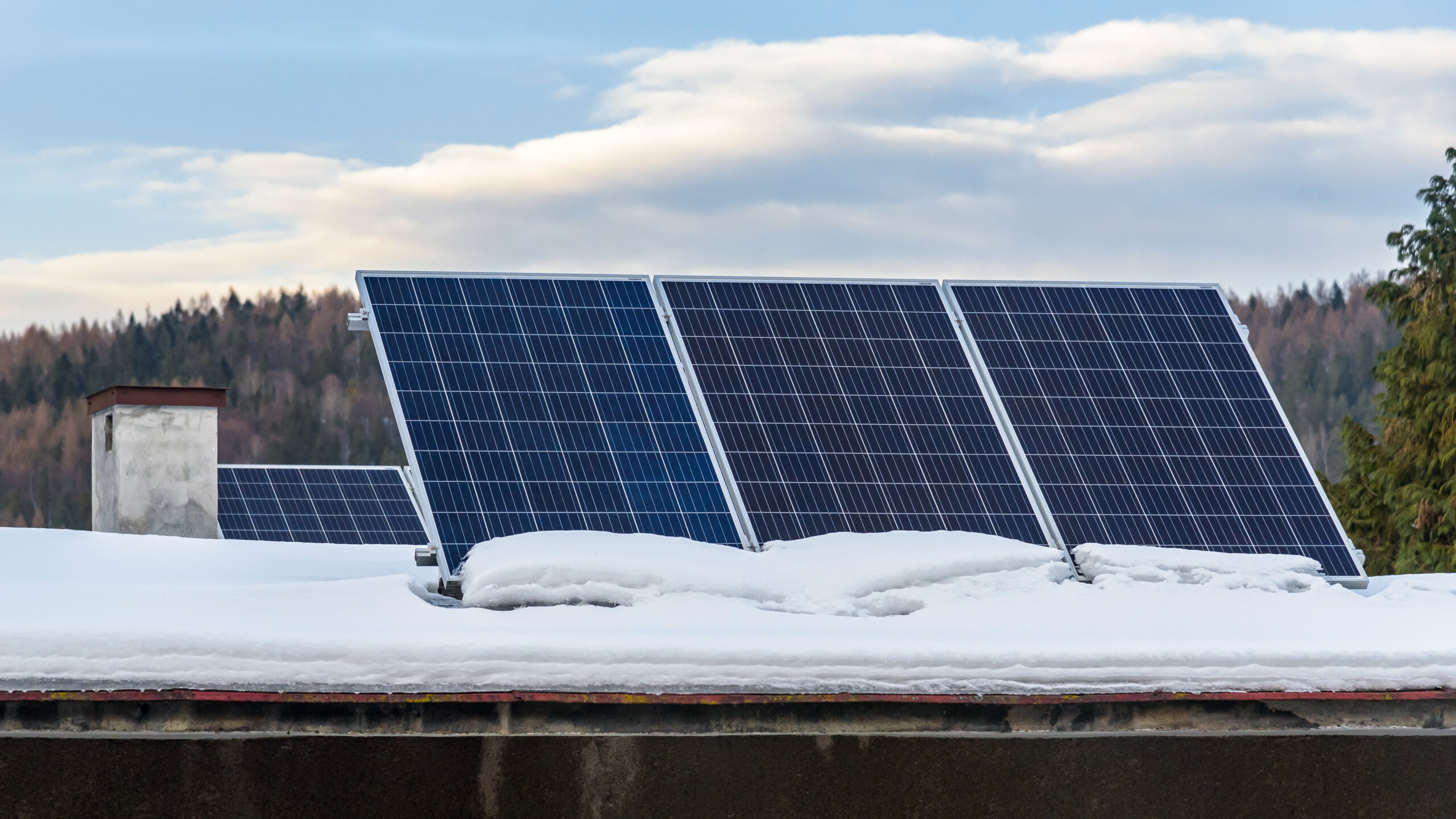
Micro-inverters outperform string systems when snow partially covers a roof because only the affected panel loses production.
6. Lifespan & Warranty
-
Micro-inverters: 20–25 years
-
String inverters: 10–15 years on average
Micro-inverters typically match the lifespan of your solar panels.
7. System Cost Differences
Micro-inverters are slightly more expensive but often generate more annual energy in climates with:
-
Shade
-
Snow
-
Roof obstructions
-
Partial roof coverage
This results in higher long-term ROI.
3. Micro Inverter vs String Inverter Performance in Midwest Winters
Winter performance is one of the biggest factors in choosing between micro inverter vs string inverter systems in Minnesota and Wisconsin. Snow and shade affect each technology differently.
With micro-inverters, each panel operates independently, meaning snow on one panel only affects that single panel. The rest of the system continues producing normally. This is ideal for Midwest winters where roofs melt unevenly. The U.S. Department of Energy notes that module-level power electronics like micro-inverters help reduce mismatch losses from shading and debris.
In contrast, string inverters connect panels in a series, so snow on just one panel can significantly reduce the entire string’s output. Homes with complex roofs or partial shading typically see better cold-weather performance from micro-inverters, which is why many homeowners in the Upper Midwest choose them for stronger, more consistent winter production.
4. Cost & ROI Differences
One of the most important financial comparisons in the micro inverter vs string inverter decision is understanding how each system performs over time. Even though micro-inverters generally cost slightly more upfront, they often deliver a better long-term return on investment — especially for homes in Minnesota, Wisconsin, and Iowa where shade and snow vary throughout the year.
Higher Energy Production = Higher ROI
Micro-inverters frequently generate 3–12% more annual energy in real-world Midwest installations due to their ability to handle partial shading, panel mismatch, and uneven snow melt. Because each micro-inverter operates independently, a single shaded or snow-covered panel does not reduce the performance of the entire system.
This is supported by the U.S. Department of Energy, which notes that module-level power electronics (including micro-inverters) can improve system energy output and reduce mismatch losses.
5. Best Choice for Batteries & EV Charging
If you plan to add:
-
A Tesla Powerwall
-
Whole-home backup
-
A Level 2 EV charger
-
Smart home energy management
…micro-inverters create a more flexible system.
6. Wolf River Electric Recommendations
At Wolf River Electric, we evaluate each home’s:
-
Roof layout
-
Shade profile
-
Snow load
-
Electrical panel
-
Budget
-
Monitoring preferences
We recommend the optimal solution tailored to your home — not a one-size-fits-all approach.
Conclusion
Understanding the key differences in micro inverter vs string inverter systems ensures your home gets the strongest performance, especially in the challenging winter climate of the Upper Midwest. Wolf River Electric helps homeowners choose the inverter technology that delivers long-lasting reliability, high efficiency, and the best return on investment.
👉 Ready to design your perfect solar system? Contact Wolf River Electric today.