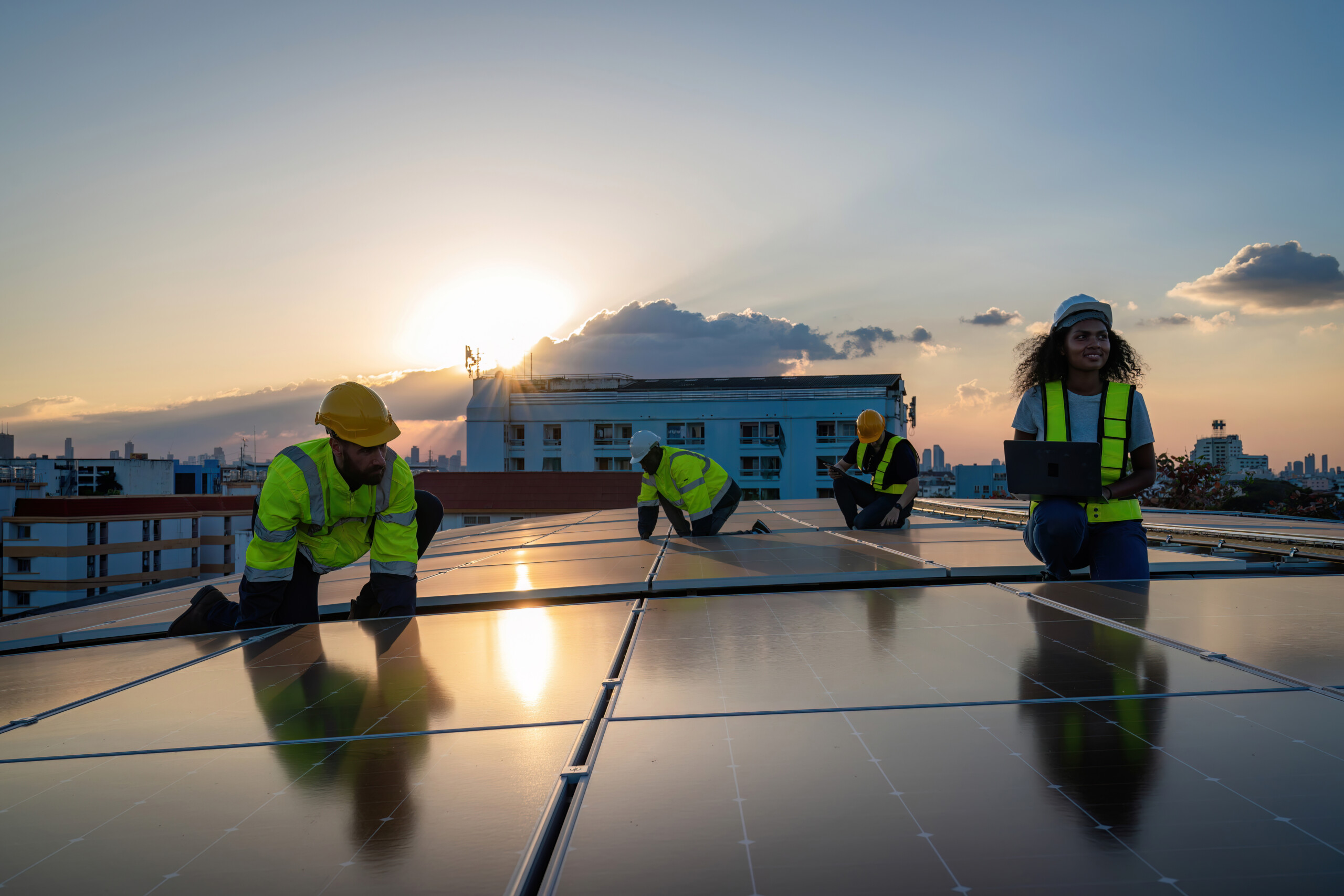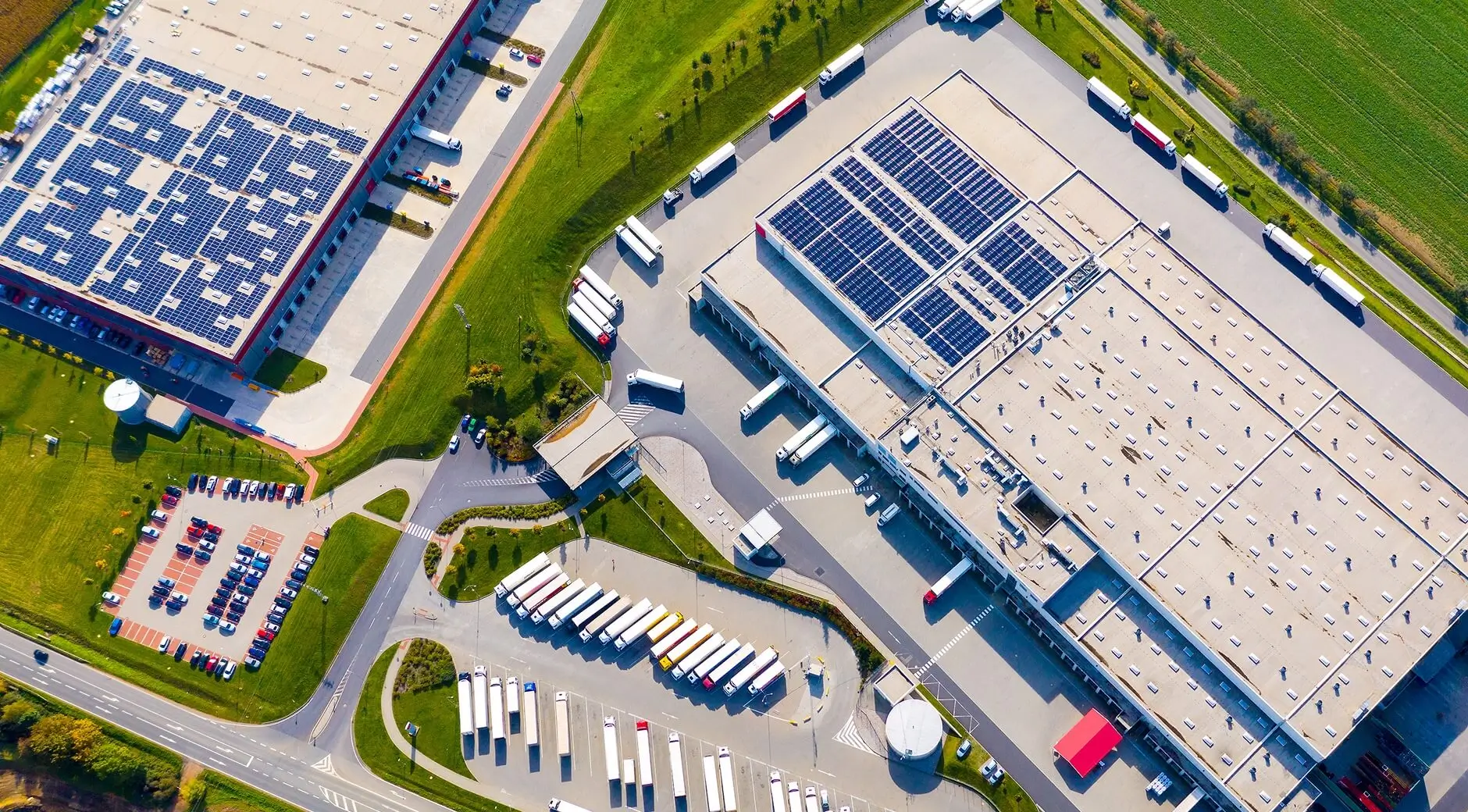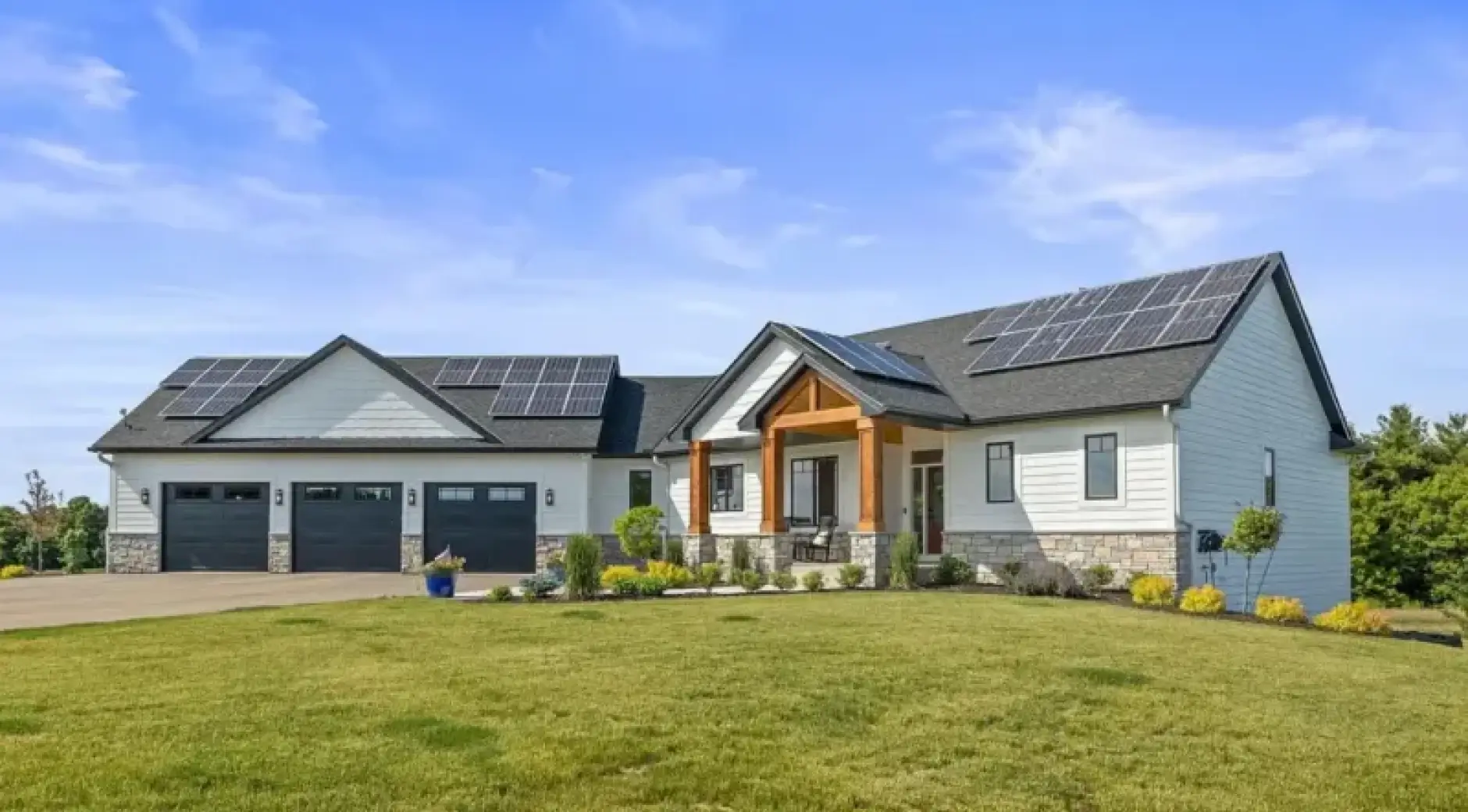

School districts across the Upper Midwest are under pressure to do more with less, while energy costs keep climbing. Installing solar panels for schools is one of the few facility upgrades that can reduce operating expenses, improve long-term budget stability, and create real learning value for students.
This guide explains solar for schools programs, the most important solar panels for school benefits, where to find solar panel grants for schools, and practical solar financing for schools—with a focus on Minnesota, Wisconsin, Iowa, North Dakota, and South Dakota.
How Schools Pay for Solar: Financing Options That Preserve Budgets
Upfront cost is the main reason schools hesitate—yet most projects don’t require draining capital reserves. The best approach depends on ownership goals, procurement rules, and the incentive stack available.
Common solar financing schools use:
- Direct ownership (CapEx): Best long-term savings if budgets allow.
- Lease or financing: Fixed payments can be structured to be close to (or below) current utility spend.
- Power Purchase Agreement (PPA) (where allowed): A third party owns the system; the school buys the energy at a set rate. This can reduce upfront cost but may reduce long-term savings.
- Bonding/capital improvement financing: Often paired with roof/HVAC upgrades to maximize facility ROI.
Wolf River Electric helps districts compare options so the project fits procurement requirements and avoids budget surprises.
Federal Incentives for Solar Panels for Midwest Schools (Including “Direct Pay”)

Public schools, charter schools, and other tax-exempt education entities can still capture major federal solar savings—even without tax liability. The Inflation Reduction Act (IRA) expanded federal support so solar panels for schools can pencil out with less upfront cost and faster payback, especially when combined with solar financing schools already use (bonding, leases, or qualified third-party structures).
Investment Tax Credit (ITC) + Direct Pay for K–12 and Public Entities
Under the IRA, eligible tax-exempt entities—including many K–12 schools and public school districts—may use Direct Pay (also called “Elective Pay”) to receive the value of the federal Investment Tax Credit (ITC) as a payment from the IRS, instead of needing taxable income.
- Base ITC: up to 30% of eligible solar project costs (commonly dependent on meeting prevailing wage and apprenticeship (PWA) requirements for many projects).
- Potential bonus credits: Some projects may qualify for additional credit value based on:
- Energy Community location
- Domestic Content (U.S.-made steel/iron and manufactured products thresholds)
- Low-Income eligibility (certain adders require application/award and are not automatic)
Plan Early to Protect Eligibility
Direct Pay and bonus credits require correct project structuring and documentation. Schools should address incentive strategy before final design and procurement, including:
- Confirming which entity will “own” the system for incentive purposes
- Reviewing PWA requirements and contractor compliance plan
- Mapping potential bonus-credit eligibility and required substantiation
- Coordinating federal incentives with any state grants, utility rebates, or financing timelines
State-by-State Solar Panel Grants for Schools and Local Benefits
Installing solar can look like a major capital expense at first—but most Midwest districts reduce net cost by stacking Direct Pay with solar panel grants for schools, state incentives, and utility rebates. Below is a state-by-state snapshot of the most common solar panels for school benefits and funding pathways available in Minnesota, Wisconsin, Iowa, North Dakota, and South Dakota, plus how these programs can pair with solar financing for schools to minimize upfront outlay and speed up payback.
Minnesota — Solar for Schools Grants and Strong Utility Programs
Minnesota is often the most straightforward state in this region for solar panel grants for schools, thanks to dedicated programs and mature utility offerings.
- Solar for Schools-style grant opportunities: Minnesota has had strong support for school solar and education integration through grant funding (availability and structure can vary by year).
- Utility incentives (where available): Some utilities offer performance-based incentives or rebates that can materially improve payback.
- High value for education integration: Many MN programs prioritize student-facing monitoring and curriculum tie-ins.
Learn more about our work in Minnesota.
Wisconsin — Rebates and Performance Incentives That Can Move the Needle
Wisconsin schools often succeed with a mix of utility support, regional programs, and smart procurement.
- Focus on Energy: Wisconsin’s flagship program may provide incentives for qualifying renewable projects (program rules and funding levels vary).
- Municipal and cooperative utility support: Some utilities offer custom rebates, engineering support, or special renewable programs.
Learn more about our work in Wisconsin.
Iowa — Utility Programs and Rural Grant Pathways
Iowa schools can often pursue solar using utility-backed incentives plus rural funding options in qualifying areas.
- Utility incentives: Some IOU and municipal utilities offer rebates, grants, or special renewable programs depending on the territory.
- USDA REAP (in qualifying rural cases): While often associated with farms/small businesses, some school-related entities in rural contexts may have pathways worth exploring with guidance.
Learn more about our work in Iowa.
North Dakota — Practical Savings + Targeted Programs
North Dakota solar economics often come down to right-sizing, rate structure, and capturing every available incentive.
- Utility or local incentives: These can be limited depending on service territory, but occasionally meaningful.
- Best-fit project design: Load analysis (summer usage, HVAC, gymnasiums, EV buses) can strongly impact ROI.
Learn more about our work in North Dakota.
South Dakota — Straightforward Projects, Strong Long-Term ROI When Sized Correctly
South Dakota districts typically benefit most from careful engineering and aligning the system with building loads and facility plans.
- Local/utility opportunities: May be available depending on provider and location.
- Facilities planning alignment: Solar is often most cost-effective when combined with roof replacement, HVAC modernization, or major remodels.
Learn more about our work in South Dakota.
What to Expect: Timeline and Process for Solar Panels for Schools
Most districts want clarity and predictability. A typical school solar process includes:
- Site and bill analysis (usage, demand charges, rate structure)
- Concept design + preliminary production model
- Incentive and grant planning (federal + state + utility)
- Engineering + permitting
- Procurement coordination (district requirements, bids, board approvals)
- Installation (often planned around school calendars)
- Commissioning + monitoring setup
- Optional curriculum integration support
Educational Benefits: Turning Solar into a STEM Learning Asset
Solar isn’t just a facilities upgrade. Many schools use solar monitoring dashboards and classroom tie-ins to support:
- Science: energy systems, climate, weather, electricity
- Math: statistics, forecasting, performance analysis
- Technology/Engineering: inverters, monitoring, controls, system design constraints
- Career exploration: skilled trades and clean energy career pathways
These “visible” benefits also help build community support for the project.
Example Outcomes Schools Aim For (Savings + Stability)
While every district is different, a well-designed project often targets:
- Meaningful annual utility savings (sometimes tens of thousands per year)
- Predictable payback windows when incentives are captured correctly
- Long-life assets (solar modules commonly warrantied for 25 years)
- Positive PR and community engagement
The best results come from pairing the right system size with the strongest available incentives and the most appropriate financing structure.
Ready to Explore Solar Financing for Schools? Get a Free Quote
If your district is considering solar panels for schools in Minnesota, Wisconsin, Iowa, North Dakota, or South Dakota, Wolf River Electric can provide a free quote for a no-pressure evaluation, production estimate, and incentive/financing pathway.