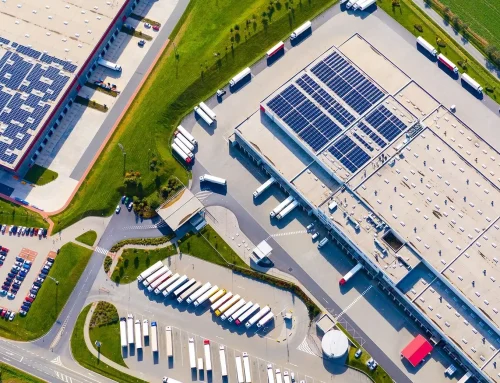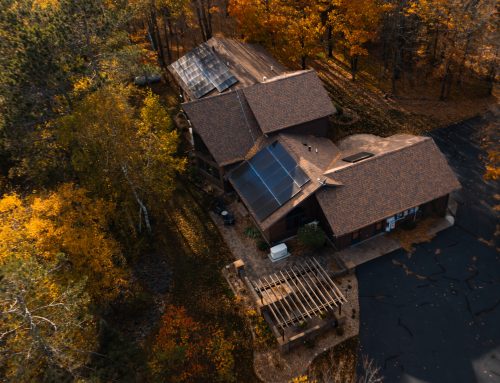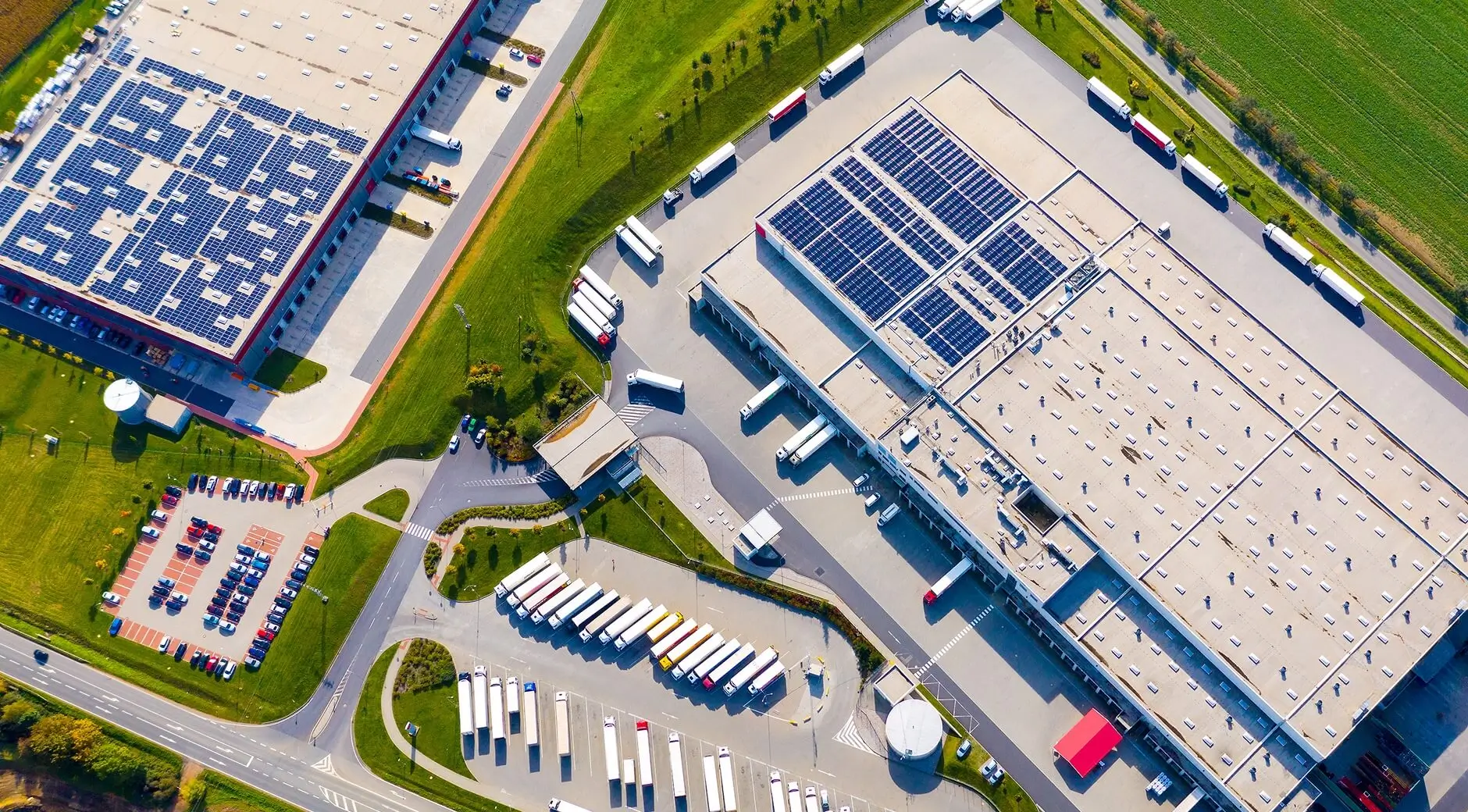

For enterprise business leaders across the Midwest, invisible operational expenses can quietly erode quarterly profit margins. Among these expenses, commercial utility demand charges represent a significant portion of monthly energy overhead. These fees do not stem from total energy consumption over time; instead, they are triggered by brief spikes in electrical demand when heavy equipment, manufacturing lines, or HVAC systems spin up simultaneously.
As October brings focus to fourth-quarter financial reviews and budget planning, smart facility managers look for ways to eliminate these erratic expenses. Deploying commercial solar peak shaving solutions engineered by Wolf River Electric allows enterprises to control their power consumption profile, reduce peak demand penalties, and secure reliable business power outage protection.
Unmasking Commercial Utility Demand Charges
Utility companies assess demand charges based on a commercial property’s highest fifteen-minute power consumption window during a billing cycle. Even if your facility operates efficiently most of the month, a single equipment startup spike during a high-demand period can set a high rate for your entire monthly statement.
Relying purely on grid power subjects your enterprise to significant financial risk:
- Unpredictable Operational Overhead: Seasonal heating and cooling transitions generate unexpected demand spikes.
- Non-Recoverable Expenses: Unlike capital investments in facility assets, utility demand charges represent unrecoverable operational expenses.
- Grid Volatility: High regional demand during severe autumn weather can trigger temporary rate surges from local utility providers.
By integrating commercial solar arrays with advanced battery storage, businesses can manage their energy intake and reduce reliance on expensive grid power during peak hours.
How Battery Storage Executes Peak Shaving Automatically
The combination of commercial rooftop solar and energy storage operates as an automated financial defense system for your building. Intelligent energy management software monitors your facility’s real-time power draw. When power consumption approaches a predetermined demand threshold, the system shifts loads seamlessly.
Instead of drawing additional high-cost electricity from the grid, the battery storage bank discharges stored solar power to absorb the temporary load spike. Once facility consumption normalizes, the system resumes standard operations and uses excess daytime solar generation to recharge the battery bank.
Executing commercial solar peak shaving reduces overall peak demand metrics and ensures your monthly utility bill remains flat and predictable.
Protecting Business Continuity During Storm Season
Beyond daily demand charge reduction, pairing battery storage with solar infrastructure provides vital emergency protection. Midwest autumns bring unpredictable weather that can disrupt local power lines.
During a grid outage, Wolf River Electric commercial solar systems equipped with storage perform rapid islanding. The system isolates your building from the main grid within milliseconds, keeping critical loads—such as server rooms, security systems, refrigeration, and production lines—running without interruption.
This dual capability converts emergency backup storage into an active financial tool that generates daily ROI while protecting your business against unexpected operational shutdowns.
Joining the Pack for Commercial Energy Independence
Navigating commercial energy optimization requires an experienced partner who understands Midwest utility structures, commercial building codes, and complex electrical engineering. Wolf River Electric brings dedicated expertise to every commercial installation, managing site evaluations, custom engineering, utility interconnection, and system commissioning.
Don’t let invisible demand charges haunt your enterprise balance sheet this season. Take control of your energy costs and protect your operations. Join the Pack today by visiting WolfRiverElectric.com to request a custom commercial solar and storage proposal.