
Why Summer Heatwaves Increase Electric Bills
The Mid-Summer Financial Reality Check
As the peak summer weather settles across the upper Midwest every July, a quiet crisis plays out inside electrical panels and household budgets alike. Air conditioning units grind through continuous cycles to combat intense humidity, drawing immense volume from the commercial grid. For property owners seeking a permanent way to reduce electric bills, solar technology offers an elegant escape from this seasonal financial drain.
Most families find themselves forced into a frustrating compromise between physical comfort and budget anxiety.
Thermostats are dialed down to maintain a livable indoor environment, but the looming stress of the next billing cycle remains. Breaking free from this dynamic requires shifting from an outdated utility dependency to localized asset ownership.
Harnessing Peak Sunshine for Localized Infrastructure
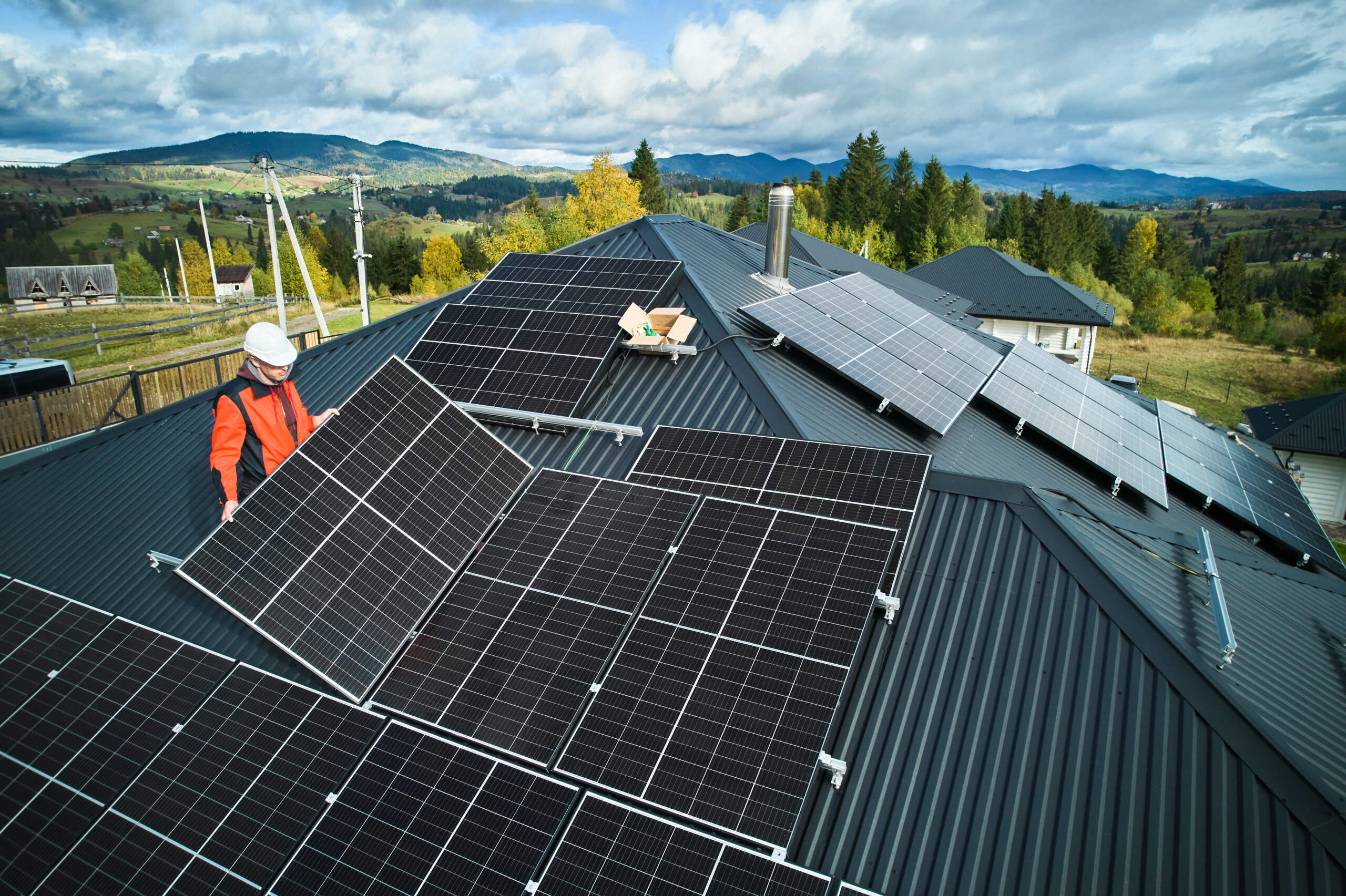
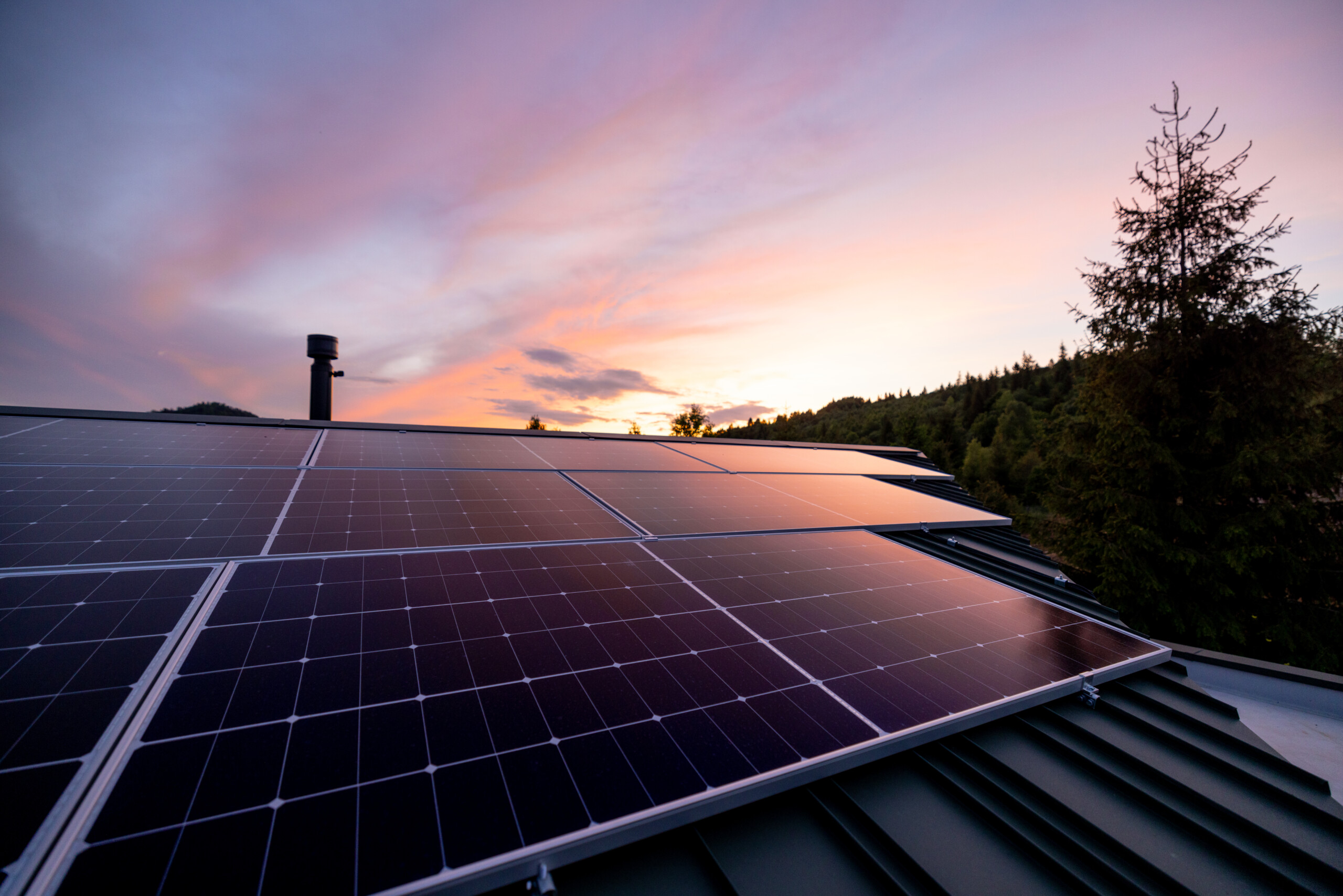
Rooftop clean energy engineering presents a perfectly balanced operational loop. The exact mid-summer afternoons that push regional cooling compressors to their limits happen to be the identical hours when a residential solar array reaches its peak generation potential.
Deploying a custom system engineered to reduce electric bills, solar installations intercept that intense solar radiation before it penetrates your attic space. The system converts that raw thermal energy into immediate electrical currents. This power satisfies your high-draw cooling systems in real-time, completely bypassing the expensive meters managed by regional power companies.
Dismantling Expensive Time-of-Use Rate Surcharges
Public utilities face tremendous operational pressure during heatwaves, prompting them to enforce complex, multi-tiered pricing mechanisms. Known across the sector as Time-of-Use pricing, these frameworks aggressively inflate the cost per kilowatt-hour during afternoon demand peaks.
A home optimized to reduce electric bills, solar infrastructure forms a protective barrier against these targeted surcharges. Because your panels maximize production precisely when the utility companies spike their rates, your household draw from the commercial grid drops to near zero during premium-pricing windows.
The Dynamic Value of Local Regional Net Metering
When solar arrays outproduce the immediate demands of a household on clear afternoons, local grid integration prevents that energy from going to waste. Regional net metering guidelines ensure that your surplus production flows back into the local distribution system, rolling your digital utility meter backward.
This mechanism functions as a built-in energy bank, crediting your account for every unit of clean energy exported. According to the official U.S. Department of Energy Efficiency Guidelines, integrating efficient generation with home updates accelerates utility mitigation. The credits built during the peak sunshine of July remain attached to your account, lowering your overhead when winter heating demands arrive.
Establishing True Capital Control Over Energy Overhead
Continuing to source power entirely from a commercial utility company guarantees exposure to permanent inflation and zero long-term equity. Transitioning to a localized solar network fundamentally reshapes this landscape by replacing an unpredictable monthly operating expense with a structured, predictable asset.
By utilizing modern $0-down equipment financing models, the transition requires no massive out-of-pocket cash reserves. Property owners simply reallocate existing utility capital into a fixed, predictable equipment payment that eventually disappears entirely, leaving behind a fully paid-off power station that adds immediate equity value to the real estate. To explore how this financial transition works with your regional utility provider, review our Complete Guide to Local Midwest Net Metering or contact Wolf River Electric today for a custom evaluation.